Is gum inflammation really just "heatiness" that a couple of days of herbal tea will fix? In fact, gum inflammation is caused by bacteria, with several contributing factors, and no herbal tea removes dental plaque. In this article the Home Dental Centre team explains what really causes gum inflammation, how the symptoms progress from mild to serious, when medication is appropriate and when you must see a dentist, the treatment options and fee references, and how to prevent it coming back.
Gum Inflammation: Do These Four Things First
When the gums turn red and bleed on brushing, the first reaction is often: "Is it heatiness? Will herbal tea help?" In the vast majority of cases the problem is not "heatiness" but plaque collecting along the gumline. Do these things first, and most mild gum inflammation improves noticeably within one to two weeks:
- Keep brushing the inflamed area — many people avoid the sore, bleeding gum for fear of making it worse, so plaque builds up even more. Use a soft-bristled brush, light pressure, angled at 45 degrees to the gumline in small circles (see our guide to proper brushing technique).
- Clean between the teeth every night — with floss or interdental brushes; gum inflammation most often starts between the teeth.
- Rinse with warm salt water — two to three times a day to ease the swelling for now; avoid smoking, alcohol and very hard or spicy food.
- Watch for one to two weeks — if the redness and bleeding clearly settle, you are on the right track; if there is no improvement or it keeps coming back, book an examination.
What not to do: buying and taking antibiotics on your own; poking the inflamed gum with a toothpick or fingernail; assuming herbal tea or "cooling" foods can replace cleaning; stopping brushing because it bleeds.
If there is also facial swelling, fever, pus from the gum, difficulty opening the mouth or severe pain, this is no longer ordinary gum inflammation and needs prompt attention — contact a dentist as soon as possible and arrange an emergency dental appointment.
First, Work Out Which Category You Are In
Gum inflammation varies enormously in urgency. Routine cases are handled by the general dentists and dental hygienists at Home Dental Centre; if clinical assessment shows the inflammation has reached the supporting tissues, the centre will arrange a further assessment with a dentist focused on periodontics. The following triage helps you decide whether to be seen today, this week, or at a routine appointment:
- Seek care the same day — obvious swelling of the face or gum, fever, pus or an abscess on the gum, difficulty opening the mouth, or pain that affects eating or sleep. This may be an abscess or acute infection; see our first aid for a tooth abscess.
- Get checked within a few days — inflammation lasting more than one to two weeks, recurring episodes, bleeding every time you brush, persistent bad breath, gums starting to recede or "black triangles" appearing between the teeth, or swollen gums during pregnancy.
- A routine appointment is fine — mild redness only, already improving within a few days of better cleaning, with no pain or pus. There is no urgency, but if it has been more than six months since your last cleaning, a check-up and scaling is still worth arranging.
If you are in the third category, you can probably relax after reading this article. What follows is mainly written for the first two.
"Is It Heatiness?" — The Real Causes of Gum Inflammation
Gum inflammation usually stems from bacterial infection in the mouth. The bacteria live mainly in dental plaque — a sticky film that adheres to the tooth surface and the gum margin. If plaque is not thoroughly removed every day, the toxins the bacteria release keep irritating the gum tissue, causing inflammation, redness and discomfort. Within days, plaque calcifies into tartar; its rough surface harbours even more bacteria, and tartar cannot be brushed away — only professional cleaning removes it. This is why "cooling down" alone does not make gum inflammation go away.
Why does it feel like "heatiness"? Many people notice their gums suddenly swell and hurt after late nights, stress, or more smoking and drinking than usual, and naturally blame heatiness. What is actually happening: these factors change the body's immune response and the oral environment, so a plaque-driven inflammation that was already there — just unnoticed — suddenly becomes obvious. Herbal tea may make you feel better, but the plaque and tartar are still exactly where they were.
The causes of gum inflammation go beyond this. Clinically, four groups of aggravating factors are common:
- Poor oral hygiene habits — skipping brushing, not using floss or interdental brushes, or brushing away from the gumline all let plaque accumulate continuously. This is the biggest cause, and the easiest to change.
- General health factors — diabetes (especially when blood sugar is poorly controlled), hormonal changes (pregnancy, the menstrual cycle, puberty), side effects of certain medications (some blood-pressure drugs, anti-epileptics and immunosuppressants can cause gum overgrowth), and smoking. Smokers' gums bleed less when inflamed because of constricted blood vessels, so the problem is easily underestimated.
- Local irritants — old fillings or crowns with poorly fitting edges, crowded teeth that are hard to clean, mouth breathing that dries the front gums, or a partly erupted wisdom tooth with a flap of gum over the crown (this is managed differently; see how to deal with wisdom tooth inflammation).
- Periodontal disease and tooth decay — both can worsen gum inflammation. Periodontal disease is a chronic infection affecting the gums and the structures supporting the teeth, and can cause bleeding, swelling and pain; decay, especially cavities near the gumline, traps food and bacteria that irritate the adjacent gum. Conversely, long-neglected gum inflammation is where periodontal disease begins.
Symptoms of Gum Inflammation: From Mild to Serious
The symptoms of gum inflammation follow a rough sequence. The first few belong to the early, reversible stage; when the later ones appear, the inflammation may no longer be confined to the surface of the gum.
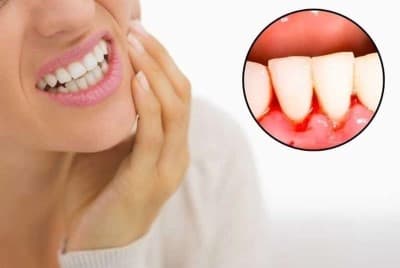
- Swollen, red gums — healthy gums are pale pink and hug the teeth; when inflamed, dilated blood vessels and increased blood flow make the gum margin dark red, shiny and puffy, and the points of gum between the teeth become rounded.
- Bleeding gums — especially when brushing, flossing or eating. This is a common sign of irritation from inflammation; many people assume they are "brushing too hard" and clean less, which makes it worse. For the different causes of bleeding gums, see what bleeding when you brush really means.
- Gum sensitivity or pain — the affected gum may be uncomfortable when eating or brushing; a persistent dull ache, or pain at the slightest touch, usually means the inflammation is more pronounced.
- Bad breath — bacteria break down food debris and tissue, releasing volatile sulphur compounds. If bad breath persists despite better cleaning, see the five main causes of bad breath.
- Gum recession — when inflammation persists, the gum gradually pulls back, making the teeth look longer, exposing the root and causing sensitivity to hot and cold. This is already a sign of damage to the supporting tissues; for management, see our article on receding gums.
- Discoloured gums — infected gums may turn an abnormal dark red or purplish colour, the result of dilated blood vessels and chronic inflammation.
- Gum ulcers — in some cases (for example necrotising gingivitis, seen mostly in smokers and people under stress or with lowered immunity), the gum tips ulcerate with greyish dead tissue and severe pain. This needs prompt dental care.
To understand how gingivitis as a clinical stage differs from periodontitis, see our detailed guide to the symptoms and causes of gingivitis.
What Will the Dentist Check at Your Appointment?
How gum inflammation should be managed cannot be judged by how red it looks. Depending on the case, the dentist or dental hygienist will assess the following:
- History — how long it has lasted, whether it recurs, current medications, smoking, diabetes or pregnancy, and when you last had a professional cleaning.
- The gums themselves — colour, extent of swelling, bleeding on touch, and any pus or ulceration.
- Periodontal probing — measuring the depth of the groove between gum and tooth with a probe. Around 1–3 mm is healthy; 4 mm or more means a periodontal pocket has formed and the inflammation has spread downwards.
- Plaque and tartar distribution — especially tartar below the gumline, which decides whether routine scaling or deep cleaning is needed.
- Ruling out other causes — inflammation around a wisdom tooth, an abscess, decay at the gumline, ill-fitting fillings or crowns, or drug-induced gum overgrowth.
- Imaging — if probing finds pockets, X-rays are taken to assess any bone loss.
- Explaining the plan and fees — whether this is gum inflammation or already periodontal disease, which type of cleaning is needed, the number of visits and how the fee is made up.
"What Anti-Inflammatory Medication Can I Take for Gum Inflammation?"
This is the question asked most often about gum inflammation, and the one where people most often go wrong. The short answer: medication can relieve gum inflammation temporarily, but it cannot cure it, because no drug removes plaque and tartar. Here is what each type of medication actually does:
- Ordinary painkillers (containing paracetamol or ibuprofen) — can temporarily reduce pain and swelling; take them according to the label and your own health circumstances. If you have stomach or kidney problems, take blood thinners or are pregnant, check with a doctor or pharmacist before taking ibuprofen.
- Antibiotics — not a routine treatment for gum inflammation. A dentist will only consider prescribing them when there is an abscess, fever, facial swelling or signs of spreading infection, and they usually only work alongside removing the source of infection (draining an abscess or cleaning a periodontal pocket). Taking them on your own delays diagnosis and increases antibiotic resistance.
- Antibacterial mouthwash (for example chlorhexidine) — can be used briefly in the acute phase (generally no more than two weeks) to help control bacteria, but long-term use stains the teeth and affects taste, and it never replaces brushing and flossing. For the differences between mouthwashes, see our mouthwash guide.
- Gum gels or ointments — some contain a local anaesthetic or antibacterial ingredient and give brief relief; again, a supporting measure only.
Put simply: medication treats the symptom; cleaning treats the cause. If the gum improves on medication and swells again when you stop, the plaque or tartar is still there and needs professional removal.
How Is Gum Inflammation Treated? Starting Conservative
Treatment for gum inflammation varies from person to person, but the order is usually the same: start with the most conservative, basic measures and step up according to how deep the inflammation goes.
1. Improving Oral Hygiene Habits
Good oral hygiene — brushing morning and night, using floss or interdental brushes every night, and regular professional cleaning — reduces plaque build-up. Mild gum inflammation usually improves noticeably within 7 to 14 days of better cleaning. The dentist or hygienist will show you the brushing and interdental technique best suited to how your teeth are arranged.
2. Professional Dental Cleaning
Regular professional cleaning at the dental clinic thoroughly removes plaque, tartar and deposits in hard-to-reach areas — above all the tartar that brushing cannot shift. This effectively reduces the risk of infection, improves gum inflammation and lowers the chance of it developing into periodontal disease. Comprehensive scaling and cleaning at Home Dental Centre is carried out by a dental hygienist or dentist, generally every six months; where there is a lot of tartar or more marked inflammation, the dentist may recommend a shorter interval.

3. Medication as a Supporting Measure
Painkillers, antibacterial mouthwash, or antibiotics prescribed by a dentist when there are signs of infection can help reduce inflammation and discomfort (see the section above). Medication can aid recovery, but it must be combined with removing plaque and tartar and used under professional guidance to be safe and effective.
4. When Pockets Have Formed — Deep Cleaning
If probing finds periodontal pockets (4 mm or more), tartar has already collected below the gumline and routine scaling can no longer remove it completely. This calls for deep cleaning and root planing under local anaesthetic, removing tartar and bacteria from the root surface and smoothing it so the gum can reattach. The procedure, number of visits and fees are explained in that article.
5. Managing Gum Recession
Where the gums have already receded, exposing the root, causing sensitivity or affecting appearance, the dentist first controls the inflammation and corrects the brushing technique to stop further recession. In more pronounced cases, a dentist focused on periodontics can assess whether a gum graft or other periodontal plastic surgery is suitable, transplanting healthy gum tissue to the affected area to rebuild the gum's shape and structure. Not all recession needs surgery, and not every case is suitable for it.
6. Severe or Recurrent Cases — Periodontal Surgery
In severe or recurrent cases, or where the condition remains uncontrolled after deep cleaning, a periodontist may need to intervene with periodontal surgery: for example flap surgery to remove deep tartar, reshaping damaged bone, or regenerative techniques to help the supporting tissues repair. This belongs to the treatment of periodontal disease, not something ordinary gum inflammation should ever reach — the earlier the inflammation is controlled, the less likely this kind of treatment becomes.
Gum Inflammation vs Periodontal Disease: When Do You Need a Specialist Assessment?
Gum inflammation caused by dental plaque usually improves noticeably within 7 to 14 days once you brush properly, floss daily and have a professional cleaning: the redness and swelling settle and the gums stop bleeding when you brush. If the inflammation has lasted more than two to three weeks without improving, or you notice any of the following, it can no longer be explained by "heatiness" or simple gum inflammation: pockets forming between the gum and the tooth, gum recession exposing the root, teeth starting to loosen or shift, persistent bad breath, or gums that repeatedly swell or discharge pus. These are signs that the inflammation has spread from the gum into the supporting tissues and bone — in other words, periodontal disease. To check yourself item by item, see our 8 warning signs of gum disease self-check.
At that point, arrange a periodontal specialist assessment as early as possible. The dentist will measure the pocket depth around each tooth, check for bleeding and tooth mobility, and take X-rays to assess bone loss, before deciding whether root planing or further treatment is needed. The earlier the assessment, the simpler the treatment. For complex periodontal conditions, significant bone loss, or cases that keep recurring after treatment, Home Dental Centre can refer you within the same team to a specialist in periodontics, with no new waiting list.
Swollen, painful gums (for example around a wisdom tooth, or from an abscess) have different causes and management from simple gum inflammation — see our article on the 9 most common questions about swollen gums.
How Long Does Gum Inflammation Take to Heal? And Why You Shouldn't Put It Off
Mild gum inflammation: after better cleaning and a professional scaling, redness and bleeding usually settle noticeably within 7 to 14 days; where there is a lot of tartar, one or two cleaning visits may be needed before it clears completely. At this stage the inflammation is confined to the surface of the gum, the bone is unaffected, and the condition is fully reversible.
The cost of waiting: gum inflammation does not by itself make teeth fall out, but if it persists for months or years it gradually spreads downwards into the periodontal ligament and bone that support the teeth, forming pockets and destroying bone — by then it is periodontal disease, and lost bone does not grow back on its own. Periodontal disease is one of the main reasons adults lose teeth, and it very often starts with gum inflammation that was dismissed, time after time, as "heatiness".
The point of early treatment is to stop the inflammation while it is still reversible — one cleaning and a few weeks of better habits are far simpler than deep treatment or periodontal surgery later on.
Fee Reference for Treating Gum Inflammation
Based on Home Dental Centre's current published fees, professional cleaning costs HK$800 when carried out by a dental hygienist and HK$980 by a dentist; the actual fee depends on the amount of tartar and the extent of treatment. If examination shows that pockets have formed and deep cleaning with root planing is needed, the fee is explained clearly after examination according to the extent and severity — see the periodontal treatment procedure and fees and our fee transparency commitment.
About these prices: before accepting treatment, confirm whether the fee includes examination, X-rays and review visits. After a clinical assessment our team will explain the procedure, fee and time involved for your situation, and treatment begins only with your agreement.
How to Prevent Gum Inflammation
How to prevent gum inflammation | What to do |
Good oral hygiene habits |
|
Balanced diet |
|
Regular check-ups and professional cleaning |
|
Stop smoking |
|
Control diabetes |
|
Healthy lifestyle |
|
Preventing gum inflammation takes consistent effort, but these measures will help keep your mouth healthy and reduce the risk of gum inflammation. If you experience symptoms of gum inflammation, seek professional advice and treatment from a dentist promptly.
Gum Inflammation for More Than a Week? Book an Examination First
Open seven days a week, with earlier slots available at our Causeway Bay and Tsuen Wan dental centres
Why Choose Home Dental Centre for Gum Inflammation?
- A team of 31 dentists — including specialists in periodontics and dental hygienists, so follow-up can be matched to how deep the inflammation goes, from routine scaling to deep periodontal treatment.
- Probe first, then decide — periodontal probing and a check of tartar distribution before every cleaning, to distinguish gum inflammation from periodontal disease; a deep problem is never treated as routine scaling, and simple gum inflammation is never treated as periodontal disease.
- Joint cross-specialty assessment — where wisdom teeth, an abscess, decay or periodontal surgery assessment is involved, referral happens within the same team, with no new waiting list.
- Transparent fees — the procedure and associated costs are explained clearly after examination and diagnosis, and treatment begins only with your agreement.
- Open seven days a week — earlier slots for acute gum swelling and pain, with same-day appointments at our Causeway Bay and Tsuen Wan dental centres.
Treat Gum Inflammation Early — Don't Write It Off as Heatiness
Even mild redness of the gums is not something to ignore. If plaque and tartar keep irritating the gum, the inflammation can gradually spread downwards, turning a case that one cleaning would have solved into one that needs deep treatment or even periodontal surgery later on. If you bleed when brushing, your gums have been red and swollen for more than one to two weeks, bad breath persists, or your gums keep swelling up, arrange a dental examination as early as you can.
If you have gum inflammation, bleeding on brushing or swollen, painful gums, the Home Dental Centre dental team will use periodontal probing, tartar distribution and your overall oral condition to determine whether this is gum inflammation or already periodontal disease, and explain the available options, number of visits and costs. To ask about cleaning or periodontal treatment fees, book an examination or message the team on WhatsApp above.
Medical References
The general clinical principles in this article draw on the following professional sources; actual diagnosis and treatment must be decided by a dentist for each individual case:
- Oral Health Education Division, Department of Health, Hong Kong: Causes and progression of periodontal disease
- American Academy of Periodontology: Gum Disease Information (gingivitis vs periodontitis)
- NHS: Gum disease
- Caton JG et al. (2018): A new classification scheme for periodontal and peri-implant diseases and conditions. Journal of Clinical Periodontology
Medical information notice: this article provides general dental health information and is not a substitute for an in-person examination, periodontal probing or imaging. If you have facial swelling, fever, pus from the gum, difficulty opening the mouth, severe pain or loose teeth, seek care promptly. Medication details in this article are general reference only; before taking any medicine, follow the label and consult a dentist, doctor or pharmacist about your own health circumstances.