Non-Surgical Periodontal Treatment: What It Treats and What to Expect
Periodontal

Non-Surgical Periodontal Treatment: What It Treats and What to Expect

Why a regular scale and polish cannot treat gum disease — and how painless deep root debridement beneath the gumline restores periodontal health.

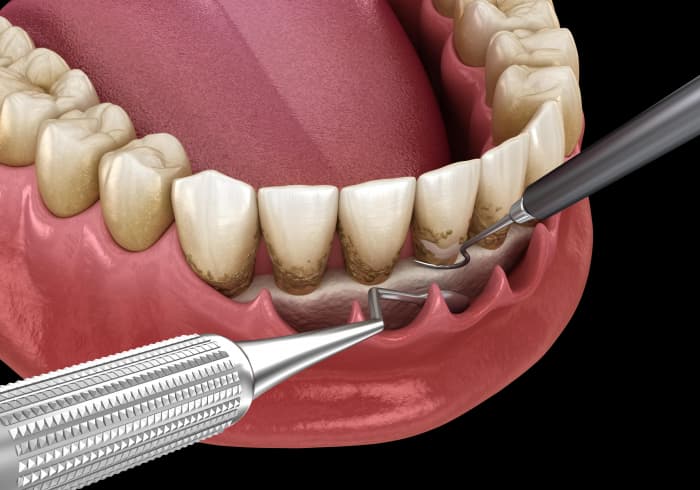
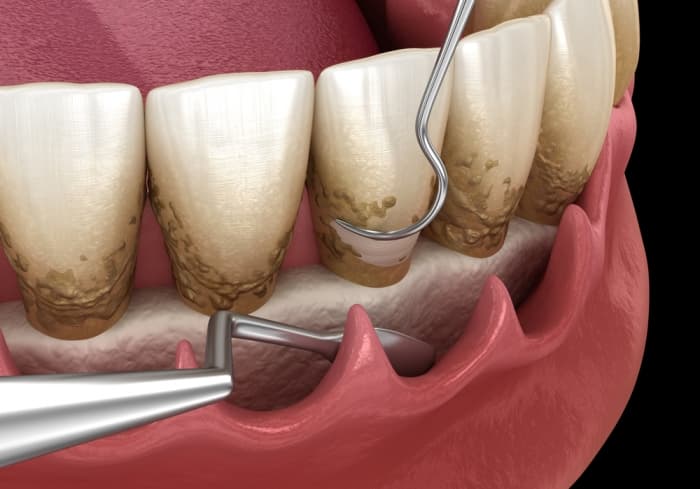
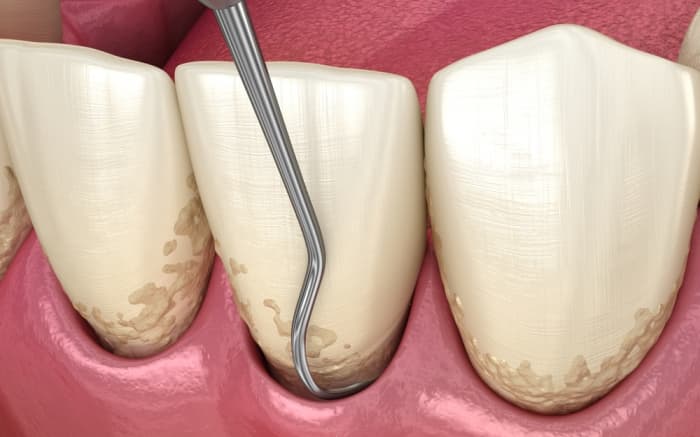
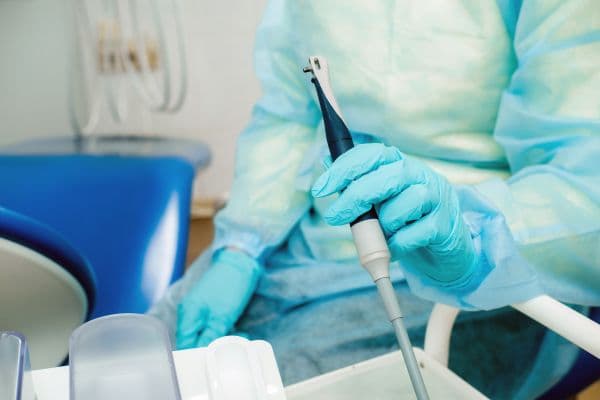
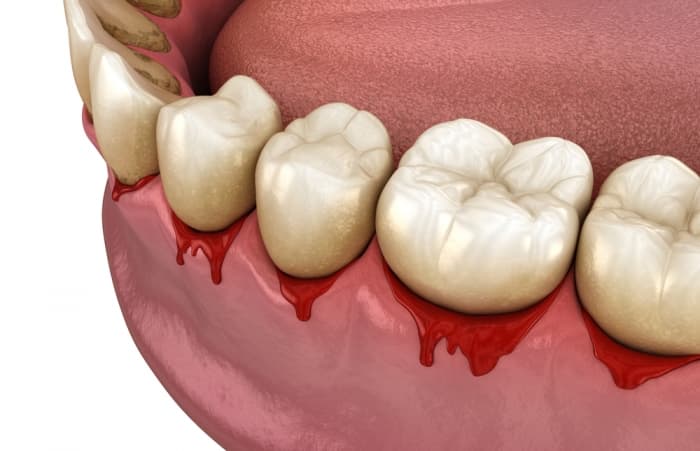
Deep scaling (root planing) is different from a routine scale and polish: routine scaling removes tartar above the gum line, while deep scaling is performed under local anaesthetic to remove tartar and bacteria hidden below the gum line inside periodontal pockets, and is the foundational treatment for gum disease. A dentist will normally carry out a periodontal examination first, measuring pocket depths to decide whether deep scaling is needed and how many visits it will take. In Hong Kong in 2026, deep scaling is usually charged per quadrant or full mouth; Home Dental Centre explains the number of visits and the fees clearly after the examination, before treatment begins.
Non-Surgical Periodontal Treatment: What It Treats and What to Expect

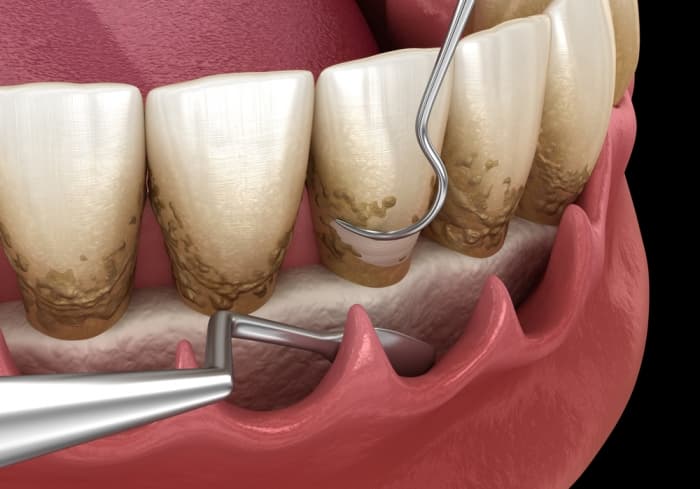
After the root debridement is completed, the dentist or hygienist will teach the patient effective methods to maintain good oral hygiene. General periodontal disease treatment may take 2-3 months in order to observe the improvement of the gums after the inflammatory substances are removed.

If the tooth is treated and the periodontal condition is stable, but the tooth is mobile due to the previous bone destruction and affecting function, splinting of teeth may be suggested. Dentists use various methods to connect loose teeth with neighboring teeth to disperse the force from a single tooth to multiple teeth, thereby reducing the mobility of the teeth.
Non-Surgical Periodontal Treatment: What It Treats and What to Expect

After this stage of treatment, most patients with periodontal disease have satisfactory treatment results. After that, they only need to cooperate with regular check-ups and dental scaling for maintaining their condition stable. However, if it is a patient with more serious periodontal disease, or the recovery of individual teeth after root debridement is not satisfactory, periodontal surgery may be considered for treatment.
Article Info

First published: 31 December 2024

Last reviewed: August 2026

Share

FAQ

Frequently Asked Questions

  • What is the difference between routine scaling and deep cleaning (root planing)?

    Routine scaling removes tartar and plaque above and near the gumline; it does not treat active periodontal pocketing by itself. Deep cleaning (scaling and root planing) reaches to the base of inflamed pockets to remove bacteria, calculus, and contaminated root surface as non-surgical periodontal disease therapy.

  • How is non-surgical periodontal treatment different from a regular scale and polish?

    A regular scale and polish removes surface calculus above the gumline. Non-surgical periodontal treatment (deep root debridement) uses longer instruments to reach beneath the gumline and inside periodontal pockets, removing bacteria, calculus and contaminated dentine that cause gum disease. The procedure is performed under local anaesthetic to ensure comfort.

  • How much does periodontal treatment cost?

    A general consultation is HK$180. A consultation with a dentist with advanced training in that treatment ranges from HK$400 to HK$1,500 depending on case complexity. Treatment is quoted after the assessment.

  • Is deep cleaning painful?

    A periodontist or dentist usually numbs the area with local anaesthesia so root planing is comfortable. It is not the same as major surgery; you receive home-care coaching afterwards to stabilise the result.

  • How much does periodontal disease treatment usually cost?

    Fees depend on disease severity, how many sites or quadrants need therapy, and overall complexity. A deep-cleaning course is often monitored over about 2–3 months to review pocket improvement. Price differences reflect the treatment scope and who performs it (hygienist, general dentist, or a dentist with advanced periodontal training); how thoroughly subgingival deposits are removed determines whether the condition recurs. After a clinical assessment we explain the fee components clearly, and treatment starts only with your consent. WhatsApp Home Dental for a tailored estimate.

  • How long does the entire treatment take?

    Treatment typically spans 2 to 3 months to allow time for the gums to heal after deep root debridement and for your dentist to observe improvement. Regular check-ups during this period ensure the periodontal condition is stabilising properly.

  • Is the procedure painful?

    The procedure is performed under local anaesthetic, so you should not feel pain during treatment. It is a non-surgical, non-traumatic approach. After the anaesthetic wears off, you may experience mild sensitivity, which your dentist will discuss with you.

  • How long does periodontal disease treatment take?

    Many periodontal programmes span about 2–3 months so your dentist can check how inflamed gum tissue tightens against the root after debridement, then move to maintenance scaling on a personalised recall interval.

  • What happens if my teeth are still loose after treatment?

    If your tooth is stable but remains mobile due to previous bone loss, your dentist may suggest splinting — connecting the loose tooth to neighbouring teeth to distribute biting forces across multiple teeth and reduce movement. This is discussed after the initial healing phase.

  • My teeth still feel loose after deep cleaning—what can be done?

    Teeth loosened by bone loss from advanced gum disease may be stabilised by splinting to neighbouring teeth to share chewing forces. Some cases need periodontal surgery for further stabilisation—your periodontist advises after reassessment.

  • After periodontal care, should I use a manual or electric toothbrush?

    Both are fine if technique is thorough. Many patients find sonic electric brushes help with timing and consistent plaque removal; manual brushes are economical when used with correct angulation and pressure. Choose what you will use consistently.

  • Will I need surgery if I have gum disease?

    Most patients achieve satisfactory results with non-surgical treatment and regular maintenance. Surgery is only considered for more severe cases or if individual teeth do not respond well to deep root debridement. Your dentist will assess your progress and recommend the next step if needed.

Still wondering about something? Our team is happy to chat.

Reminder: You have the right to choose a Hong Kong dentist based on your individual needs. We recommend referring to the list of registered dentists published on the official website of the Dental Council of Hong Kong to make a choice best suited to your personal needs. The above content is intended to give you a brief introduction to the nature and effects of the relevant dental procedures, so that you can make informed decisions when choosing a dentist and related treatment options. All treatments have advantages and disadvantages — the key is that you must have a basic understanding of different treatments and procedures and be aware of the associated risks. The above content does not represent the professional opinion or views of any dentist or dental institution. For the sake of your health, please consult your family dentist for formal medical advice.

This article is compiled by the Public Education Team of Home Dental and has been reviewed and approved by the Content Review Committee of Home Dental. The Committee comprises members of our Board of Directors, legal advisors, and relevant professionals, and is responsible for vetting all externally published health education content to ensure it is professional, accurate, relevant to the local context, and regularly updated to meet Hong Kong dental service standards.

This content is originally produced by Home Dental, all rights reserved. Unauthorized reproduction, modification, or publication is prohibited. Violators will bear legal responsibility. For citation or partnership inquiries, please contact our center for written permission.

Last updated: Aug 2026

Dentist's Guide to Control Periodontal Disease| Periodontal Treatment

Want to know more about Periodontal?

31 general & specialist dentists · Licensed daycare procedure centre