Your complete guide to swollen gums - from causes to treatment and prevention
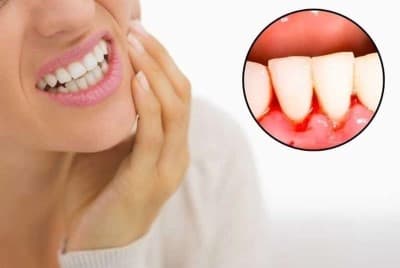
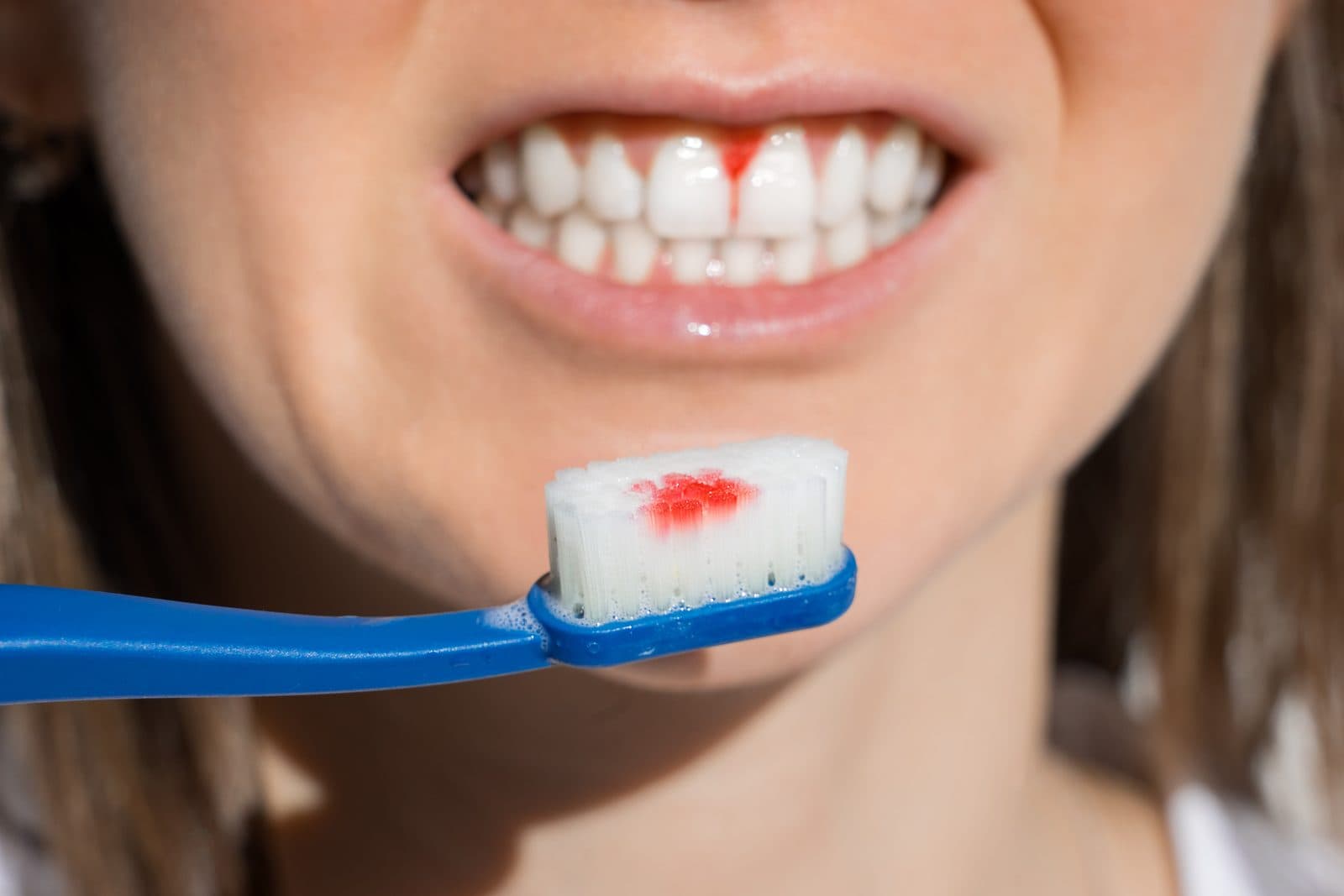
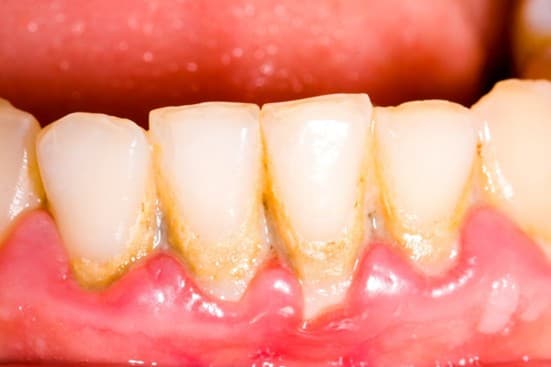
The most common causes of swollen, painful gums are periodontal (gum) disease — where plaque and tartar inflame the gum tissue — tooth decay leading to a dental abscess, and pericoronitis around a wisdom tooth; mouthwash or painkillers can only ease the discomfort temporarily and do not address the underlying inflammation. If the swelling lasts more than two to three days, or is accompanied by facial swelling, fever, or pain that affects eating and sleep, see a dentist promptly — these are warning signs of spreading infection. Below, dentists at Home Dental Centre answer the nine gum-swelling questions patients ask most often in 2026, covering causes, relief, and when treatment is essential.

Q1: What are the common causes of swollen gums?
Swollen gums are not a diagnosis on their own—they're a symptom. Common causes include:
- Gum inflammation due to plaque and tartar buildup
- Untreated gum disease damaging supporting bone structures
- Impacted or partially erupted wisdom teeth (keyword: wisdom tooth swollen gums)
- Advanced tooth decay leading to root infection and abscess
- Irritation from braces, dentures, or rough fillings
- Uneven bite placing pressure on specific gums
- Hormonal changes during pregnancy or puberty
- Oral trauma or improper brushing technique
- Systemic issues like diabetes, stress, or poor sleep lowering immune defences
These causes may appear alone or in combination. If you’re experiencing persistent redness, tenderness, bleeding, or pus in your gums, it’s time to take action.
Q2: Is “heatiness” the cause of gum swelling? Can herbal teas help?
Many Hongkongers believe that swollen gums are due to “heatiness” caused by spicy food, fried snacks, or lack of sleep. That’s why searches for terms like “swollen gums heatiness” or “herbal tea for gum swelling” are so common.

In reality: While heatiness may worsen gum discomfort, it’s rarely the root cause. Most cases involve bacterial infection or mechanical irritation—herbal teas can’t resolve those issues.
Popular herbal drinks like sugarcane and imperata root water or five-flower tea may offer short-term relief, especially for ulcers or mild gum inflammation. However, if you:
- Experience swelling that lasts more than 3 days
- Notice pus, pain, or facial swelling
- Have recurring symptoms
What you need is not herbal tea—but a proper dental examination and treatment.
Q3: When can I monitor my symptoms? When should I see a dentist immediately?
Monitor your symptoms if:
- Gum swelling is mild and painless
- There is occasional bleeding but it resolves quickly
- No fever or other systemic symptoms are present
Seek urgent dental care if you experience:
- Swelling lasting more than 3 days with no improvement
- Visible abscess or pus discharge
- Fever, difficulty swallowing, or facial swelling
- Recurrent wisdom tooth inflammation
- Loose teeth, widening gaps, or persistent bad breath
Delaying treatment increases the risk and complexity of the problem.
Q4: Do wisdom teeth commonly cause gum swelling? Must they be removed?
“Wisdom tooth swollen gums” is one of the top searches among people aged 18 to 35.
When wisdom teeth lack enough space to erupt properly, they may become impacted. A gum flap (operculum) partially covering the tooth creates a pocket where bacteria and food get trapped, leading to pericoronitis. Common symptoms include:
- Severe pain
- Difficulty opening the mouth
- Facial swelling
- Foul breath
Removal is recommended if:
- Inflammation occurs repeatedly
- Adjacent teeth are affected
- The area is difficult to clean effectively
Dentists normally use X-rays and careful assessment to determine whether wisdom tooth extraction is the safest and most effective solution.
Q5: What anti-inflammatory or pain medications can I take? Do I need a prescription?
People often search for “swollen gums medication” or “tooth pain antibiotics” and purchase them from pharmacies. Common drugs include:
- Paracetamol
- Ibuprofen
- Amoxicillin
- Metronidazole

However, please note:
- Antibiotics require a doctor’s prescription and are not for casual use
- Painkillers only offer temporary relief and do not resolve the root cause
- Overuse of antibiotics can lead to resistance, making infections harder to treat
If you're relying on painkillers just to sleep or eat, that’s a strong sign it’s time to see a dentist.
Q6: Can traditional Chinese medicine (TCM), herbal drinks or home remedies replace dental treatment?
Many people try TCM or home remedies to manage gum pain. While these may help balance your body constitution or relieve stress, they cannot remove tartar, treat root canal infections, or drain abscesses.
A better approach is:
- Seek dental care during the acute phase to eliminate the source of infection
- Consider TCM support during recovery to boost immunity and reduce recurrence
Effective treatment starts with an accurate diagnosis—not guesswork or trial-and-error.
Q7: Do pregnancy or chronic illnesses worsen gum inflammation?
Yes. Certain groups are at higher risk of gum problems:
- Pregnant women: Hormonal changes increase gum sensitivity, leading to pregnancy gingivitis
- People with diabetes: Lower immunity makes them more susceptible to gum infections
- Long-term medication users or immunocompromised individuals
These patients should visit the dentist every 3–6 months for check-ups, especially during the second trimester of pregnancy—the safest window for preventive dental care.
Q8: How can I prevent swollen gums from recurring?
Maintaining good gum health is the key. We recommend:
- Brushing twice daily with fluoride toothpaste
- Flossing or using interdental brushes every day
- Getting professional scaling every 6 to 12 months
- Reducing sugar and avoiding tobacco
- Managing stress and getting enough sleep
- Monitoring wisdom teeth regularly and considering early intervention if needed
Q9: Are swollen gums related to gum disease? Can it cause tooth loss?
Recurrent gum swelling is often a sign of periodontal disease. If untreated, this can lead to destruction of the supporting bone, resulting in:
- Loose teeth
- Shifting tooth positions
- Bite changes
- Eventual tooth loss
In fact, gum disease is the leading cause of tooth loss among adults. Once bone is lost, it’s hard to reverse—so early treatment is crucial.
Final Thoughts: Don’t ignore swollen gums—address the root cause early
Many people dismiss swollen gums as a minor issue, treating it with herbal tea, over-the-counter pills, or simply hoping it will go away. But in reality, swollen gums are often your body's way of sending an early warning.
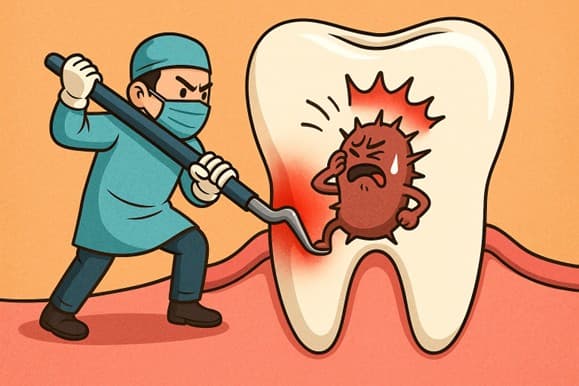
📍If you’re currently experiencing gum swelling or pain, let your trusted dental team help you find the cause and offer the right treatment plan. Trust begins with clear answers. Health begins with the right action.
If gum swelling keeps coming back, it is often linked to periodontal health — see our periodontal treatment service, and let a dentist examine the cause before deciding on treatment.