Gum disease usually does not hurt at first, and many people only notice it when their teeth become loose — but the body sends warning signs long before that. In this article the dental team at Home Dental Centre goes through the 8 warning signs of gum disease one by one: what each means, which stage it belongs to and how quickly to act; a one-minute self-check to decide when to see a dentist; and how a dentist confirms whether you have gum disease.
Do you have the following signs or symptoms? Be careful, this may be periodontal disease!
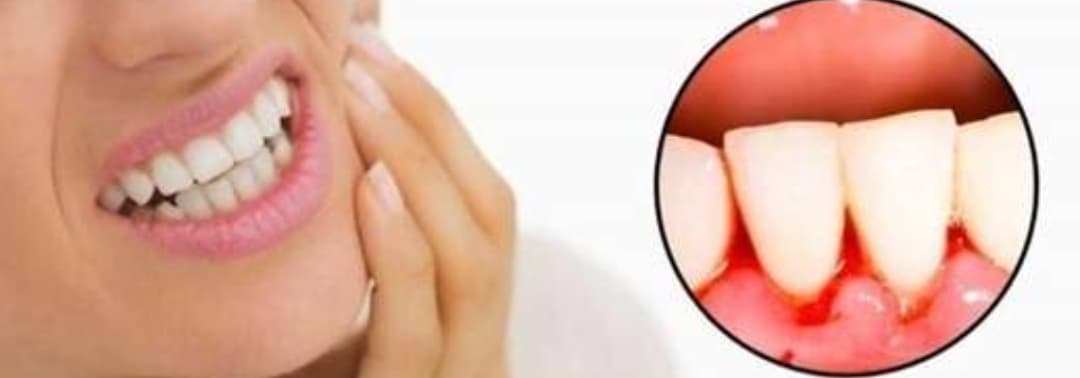
- bleeding gums when brushing, or bleeding spontaneously
- bad breath
- gums change from pink to dark red
- swollen gums or pustules
- gingival recession, exposed roots and enlarged interdental spaces
- teeth are sensitive to cold and heat
- loose teeth or weak chewing
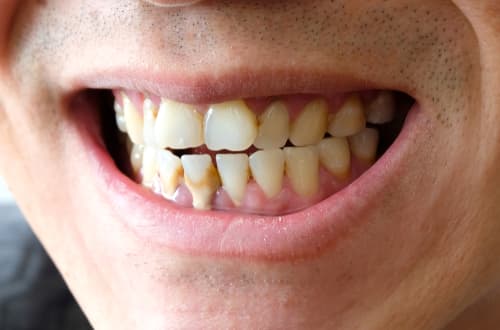
- displaced or improperly engaged teeth
Periodontal disease is a disease of the tissues around the teeth. If plaque is allowed to accumulate on the gum margin, the toxins secreted by the bacterial plaque will cause inflammation of the periodontal tissue and form periodontal disease (also known as periodontitis). The terrible part of periodontal disease is that in addition to causing surface problems such as gingival swelling, sensitive teeth, and bad breath, it can seriously loosen and shift patients' teeth, and even loosen a large number of teeth near pathogenic tissues, making patients unable to be effective of chewing food, you have to be forced to wear dentures before you reach old age. This not only damages the appearance of patients, greatly hurts self-confidence, but also poses a serious obstacle to their normal social life.
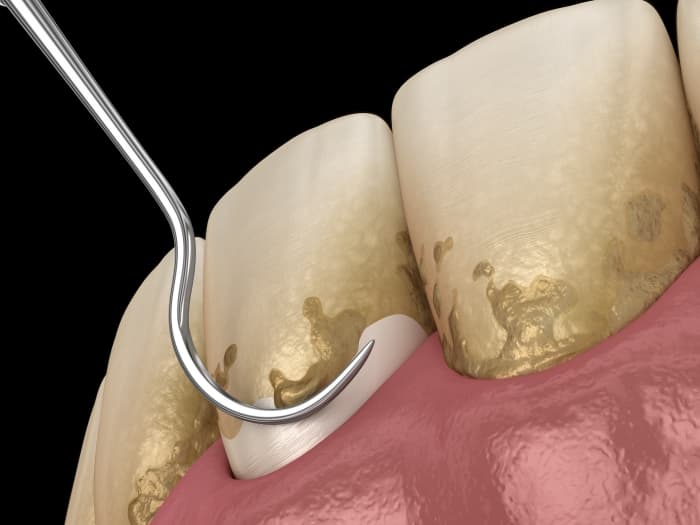
Periodontal disease is not caused by the tooth itself, but by the disease source of the tissues around the tooth, treatment of internal nerves such as root canal therapy cannot solve the problem of periodontal disease. Even if the treatment can solve the problem of acute pain, the symptoms of weakness and pain will continue to appear repeatedly.
The 8 Warning Signs Explained: What Each Means, Which Stage, and How Quickly to Act
| Warning sign | What it usually means | Stage | When to act | Read more |
|---|---|---|---|---|
| ① Bleeding when brushing, or bleeding for no reason | Inflammation at the gum margin; bleeding without brushing needs general causes ruled out | The earliest sign — already present in gingivitis | Bleeding on brushing: do the two-week self-test first; unexplained bleeding with bruising: see a doctor promptly | two-week bleeding-gum self-test |
| ② Bad breath or an unpleasant taste | Bacteria in periodontal pockets produce odour (it can also come from the tongue) | More common from the moderate stage | Still present after two weeks of cleaning the tongue and between the teeth: get checked | — |
| ③ Gums turning from pink to dark red | Chronic inflammation | Gingivitis or periodontitis | Not back to pink after two weeks of careful cleaning | gum inflammation is not just heatiness |
| ④ Swollen gums or a pus-filled bump | A periodontal abscess: acute infection in a pocket | Moderate to advanced | Act promptly; facial swelling or fever needs same-day care | 9 common questions about swollen gums, dental emergency service |
| ⑤ Receding gums, exposed roots, wider gaps | Loss of periodontal attachment and bone | Moderate or later | Book a periodontal examination to measure pockets and bone levels | gum recession repair |
| ⑥ Teeth sensitive to hot and cold | Roots exposed by gum recession (or decay or wear) | After recession | Let a dentist rule out decay first, then treat the exposed roots | — |
| ⑦ Loose teeth or weak chewing | The bone supporting the teeth has been lost | Moderate to advanced | Promptly — the later it is, the fewer teeth can be kept | can periodontal disease heal on its own |
| ⑧ Teeth shifting, bite changing | Bone loss leaves teeth without support so they drift — e.g. front teeth fanning out | Advanced warning sign | Promptly; needs a combined periodontal and bite assessment | specialist periodontics |
One-Minute Self-Check: How Many Warning Signs Do You Have?
Count how many of the 8 signs above you have, then decide your next step:
- None — keep brushing, cleaning between your teeth and having regular scaling. If you smoke, have diabetes or a family history, your dentist may advise periodontal checks more often than the usual once a year.
- Only ① or ③ (bleeding, redder gums) — most likely still gingivitis. Do the two-week self-test first, and book a check if it still bleeds after two weeks.
- ②, ⑤ or ⑥, or two or more signs in total — there may already be periodontal pockets; book a periodontal assessment.
- ④, ⑦ or ⑧ — later warning signs; do not wait, book promptly.
- Swollen gum with pus plus facial swelling or fever — contact our dental emergency service the same day.
This self-check only helps you decide when to see a dentist; it is not a diagnosis. Early gum disease often has no obvious symptoms, so having no warning signs does not mean you have no pockets.
Why Does Gum Disease Often Not Hurt? Who Should Be Especially Careful?
Gum disease is a chronic inflammation and causes no pain most of the time: pockets deepen slowly beneath the gum and bone loss cannot be felt, until an abscess forms or teeth become loose. So do not wait for pain before seeing a dentist. The following people are at higher risk and should have regular periodontal examinations even without obvious warning signs:
- Smokers — about twice the risk of gum disease of non-smokers, and nicotine constricts the gum's blood vessels, masking the bleeding warning sign.
- People with diabetes — poorly controlled blood sugar makes gum disease progress faster, and gum inflammation makes blood sugar harder to control. For links with general health see gingivitis and your whole body.
- Pregnant women — hormones make the gums react more to plaque; see pregnancy gingivitis.
- A family history or older age — if your parents lost teeth early to gum disease, your risk is higher; for other factors see causes and 10 risk factors of gum disease.
How Does a Dentist Confirm Gum Disease?
- Medical history — smoking, diabetes, pregnancy, current medicines and family history.
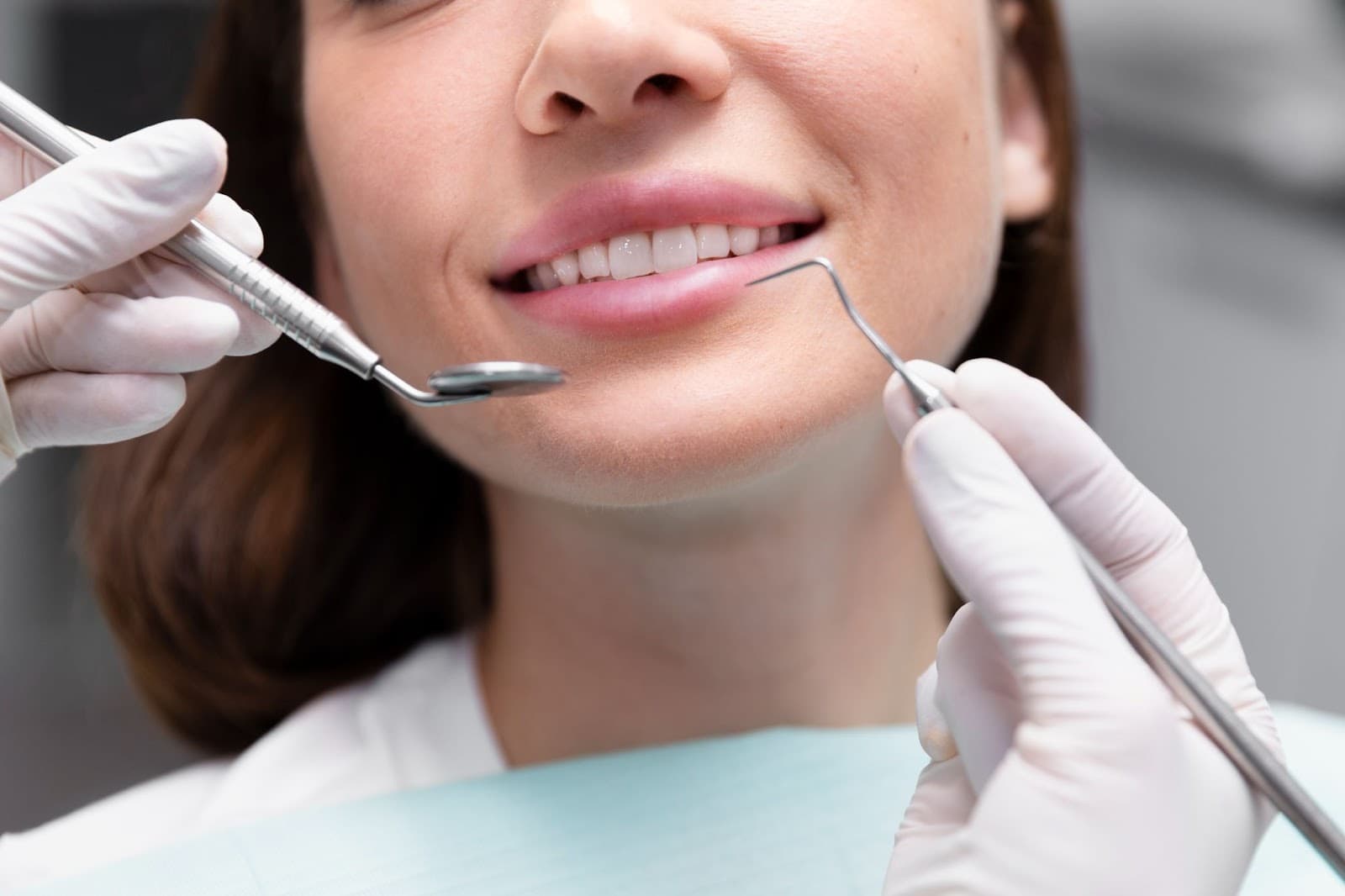
- Full-mouth periodontal probing — a graduated probe measures pocket depth at six sites around every tooth and records where it bleeds.
- X-rays — to see how much bone has been lost and whether the loss is horizontal or vertical.
- Staging and treatment plan — the stage and grade are set using the 2017 international classification, and the plan starts with scaling, deep cleaning or specialist treatment as needed.
For what each pocket depth means and which parts can recover, see the pocket depth chart.
So how should periodontal disease be treated? How does a periodontist perform a periodontal disease treatment procedure?
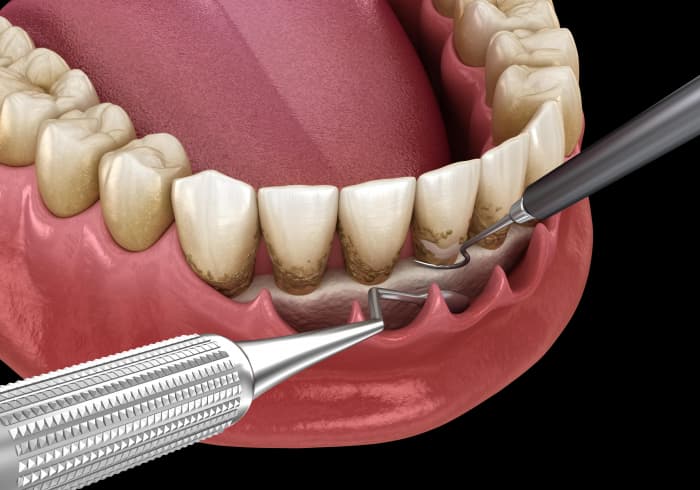
To ensure that the patient gets an accurate diagnosis, the patient should make an appointment with a professional periodontal dentist for an in-depth periodontal examination. Generally, the treatment procedure for periodontal disease involves deep root planing, which is also called deep tooth cleaning by people. However, unlike ordinary tooth cleaning that flows on the surface, deep root planing is the use of dental instruments to get to the bottom of the inflamed gums, scrape the tartar and inflamed tooth tissue on the roots, and help with healthy periodontal tissue regeneration as soon as possible.
But patients must also recognize the limitations of periodontal disease treatment. Even if the treatment is effective immediately, deep root curettage can only stabilize the health of the tissues around the teeth and cannot regenerate the lost tissue. In addition, the survival rate and life span of the teeth retained by each group after the completion of periodontal disease treatment depends very much on whether the periodontal disease is mild, moderate or severe in the patient. It cannot be generalized. This requires sufficient communication before the course of treatment of doctors and patients, so that patients will not have unreasonable expectations of the treatment effect.
After professional periodontal dentists remove root calculus with root planing, according to statistical data, more than 80% of patients with periodontal disease can obtain satisfactory treatment results. In the future, they only need to maintain good oral hygiene and undergo regular inspections and dental scaling so can keep the condition stable in the long term. However, there are a small number of patients because the length of the periodontal pocket is too deep that instruments are difficult to reach it and remove the diseased tissue at its deepest point, or the tooth and bone defects are too serious, and the periodontal condition of teeth are still very unstable. In these cases, it may be necessary to perform periodontal disease surgery.
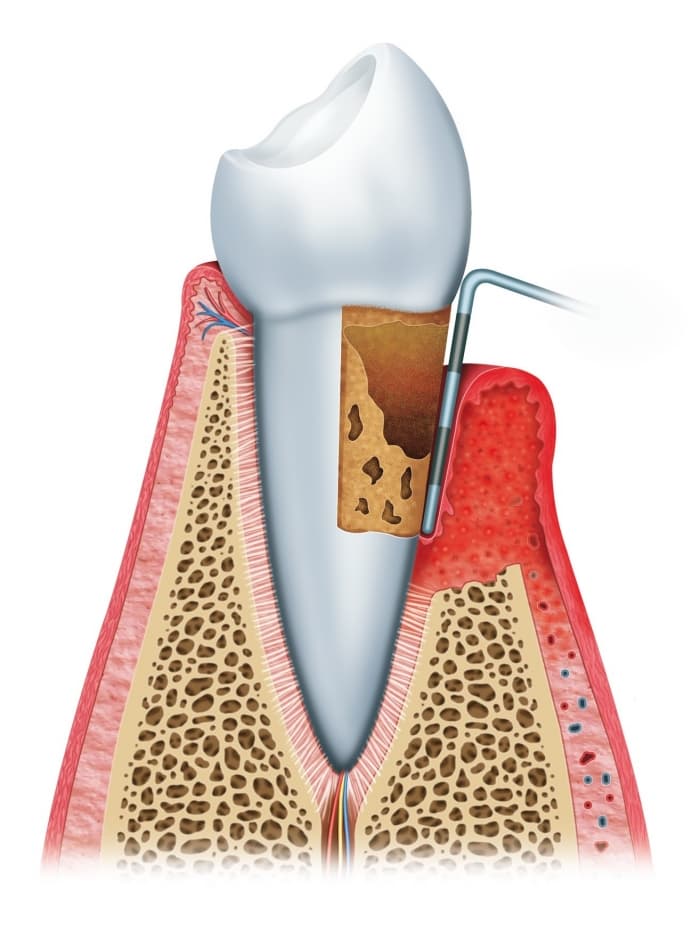
There are two main types of periodontal surgery. One is the "open flap surgery". By turning the gum open, it makes the calculus and inflammatory tissues which are difficult for traditional treatment to remove can be seen easily. After the patient was anesthetized, the dentist thoroughly cleaned the pathogenic tissues with special dental instruments. The second type is "periodontal regeneration surgery", which evaluates the suitability of periodontal tissue expansion and hyperplasia surgery based on the dental status and bone regeneration of each patient. In simple terms, this treatment is like re-founding the foundation so that the teeth have a more solid platform for long-term support.
In recent years, more and more people have discussed auxiliary treatment methods for periodontal disease, such as laser treatment. The principle of laser applied to periodontal treatment is to use high temperature sterilization generated by the energy of the beam. Because the laser beam is narrow, it can be used to sterilize the hard-to-reach places. However, there is not enough medical literature to prove that laser treatment is superior to traditional treatment, and the area removed as a whole does not seem to be as thorough as traditional devices.
For each step in detail: deep scaling and root planing and periodontal surgery; for keeping results stable afterwards see periodontal maintenance and review intervals.
Fees
If the examination shows you only need routine scaling: HK$800 with a dental hygienist or HK$980 with a dentist. See our fee transparency commitment.
If you have noticed any of the warning signs above, arrange a periodontal check-up as early as possible. For details of the periodontal treatment procedure and fees, see the service page, or book an assessment at our Causeway Bay or Tsuen Wan dental centre.
#periodontaldisease #treatmentprocedure #deeprootplaning #deeprootcleaning #periodontalsurgery #periodontalopenflapsurgery #periodontalregenerationsurgery #bleedingduringbrushing #badbreath #gumswelling #gumrecession #teethsensitive #teethlossening #weakchewing #teethshifting
Book a Periodontal Examination
Open seven days a week, with earlier slots at our Causeway Bay and Tsuen Wan dental centres. When you book, please tell us which warning signs you have noticed and for how long, and whether you smoke, have diabetes, are pregnant or take any medicines.
Why Choose Home Dental Centre?
- A team of 31 dentists — general dentists, dental hygienists and periodontists in one team, so examination, scaling and periodontal treatment connect.
- Measure first, advise second — full-mouth probing and X-rays tell gingivitis from periodontitis; we do not recommend major treatment just because a warning sign appears.
- Arrangements for medication and chronic conditions — smoking, diabetes, pregnancy and blood thinners are planned around your history.
- Transparent fees — after the examination we explain the procedure and fees clearly, and start only with your consent.
- Open seven days — same-day slots at both our Causeway Bay and Tsuen Wan dental centres.
Medical References
The general clinical principles in this article draw on the following professional sources; actual diagnosis and treatment must be decided by a dentist for each individual case:
- Oral Health Education Unit, Department of Health, Hong Kong: Periodontal disease
- NHS: Gum disease — symptoms (bleeding on brushing, red swollen gums, bad breath, gum shrinkage, loose teeth, abscesses) and when to see a dentist urgently
- US National Institute of Dental and Craniofacial Research (NIDCR): Gum Disease — symptoms and risk factors (smoking, diabetes, genetics, hormonal changes and others)
- US Centers for Disease Control and Prevention (CDC): Smoking, Gum Disease, and Tooth Loss — smokers have about twice the risk of gum disease
- Sanz M, Herrera D, Kebschull M, et al. (2020): Treatment of stage I–III periodontitis — The EFP S3 level clinical practice guideline. Journal of Clinical Periodontology 47 Suppl 22:4–60
Medical information notice: this article provides general dental health information and is not a substitute for an examination. The self-check is for guidance only; if you have acute gum swelling, pus, facial swelling or fever, or gums that bleed without brushing with unexplained bruising, seek care promptly.