🪥 Brushing Every Day, Yet Still Not Truly Clean
Many people in Hong Kong brush their teeth diligently every morning and night, yet still struggle with persistent bad breath, bleeding gums, and recurring tartar buildup. This often leads to confusion and frustration. Some people assume the problem must come from the stomach, “internal heat,” or diet, and they turn to mouthwash, chewing gum, or herbal drinks. The result is usually the same: a short burst of freshness, then the smell returns.
From a clinical dental perspective, most long-term bad breath and gum inflammation are not caused by the digestive system. They are caused by ineffective brushing technique. Brushing is not simply a habit. It is a technical skill. If the method is wrong, even brushing three times a day may still leave harmful bacteria along the gumline and between teeth. Over time, this becomes the foundation of gum disease and chronic halitosis. 🙂

✅ The Real Goal of Brushing: Removing Plaque, Not Whitening Teeth
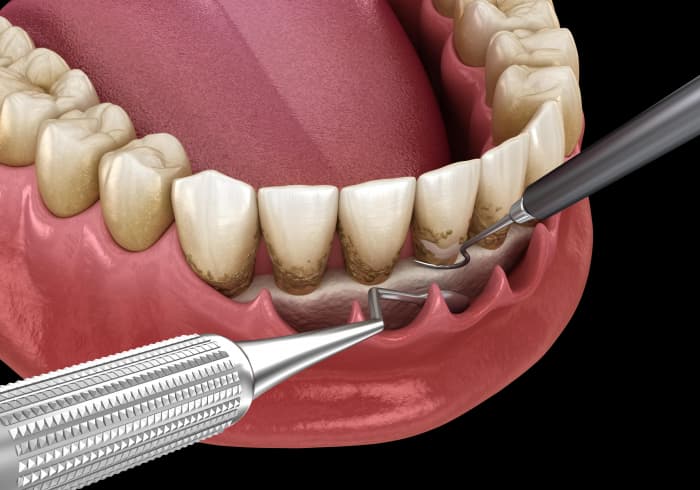
A common misunderstanding is that brushing is mainly about making teeth look whiter or feel smooth. In reality, the true enemy is dental plaque. Plaque is a transparent bacterial biofilm that forms along the gumline and in the spaces between teeth. It is not simply leftover food. It is an active colony of bacteria.
If plaque is not removed properly within 24 to 48 hours, it hardens into tartar (calculus). Once tartar forms, it cannot be brushed away at home. It requires professional scaling. So the key question is not “How often do I brush?” but rather “Am I brushing the gumline correctly?”
🔍 Common Brushing Mistakes in Hong Kong: Hard Work, Poor Results
Dentists frequently see patients who brush regularly but still develop gum problems. The most common mistakes include: Routine cases are handled by the general dental team at Home Dental Centre, with appointments arranged according to the dentists on duty. If clinical assessment indicates another area of care, the centre will arrange a further assessment with the appropriate dentist, and dentists from different areas can jointly develop a combined treatment plan.
- Horizontal scrubbing. This makes the tooth surface look clean, but it misses the gumline, where gum disease begins. It also increases the risk of gum recession and sensitive “exposed roots.”
- Brushing too hard. Many believe stronger force means cleaner teeth. In reality, aggressive brushing often damages gum tissue and leads to sensitivity. Some patients brush so hard that the gums gradually pull back, making teeth look longer.
- Ignoring inner surfaces. The inside of the lower front teeth is one of the most common tartar zones, yet it is often neglected because it is harder to see.
- Brushing too quickly. Brushing for 30 seconds does not remove plaque effectively. It only sweeps the surface. Plaque is a sticky biofilm; it takes time and correct contact to disrupt it.
- Skipping flossing. A toothbrush cleans roughly 60% of tooth surfaces. The remaining high-risk areas are between teeth, where bad breath and cavities often start.
The good news is that correcting technique is far more effective than changing toothpaste brands. 🙂
🧠 What Actually Causes the Smell? A Simple Explanation
Bad breath in many cases comes from bacteria breaking down proteins and releasing volatile sulfur compounds (VSCs). These compounds have the classic “rotten egg” or “sulfur” smell. If plaque remains at the gumline and between teeth, those bacteria have a stable environment to keep producing odor. That is why people can brush frequently but still feel “something is off.” The issue is not frequency. It is access: are you removing plaque from the places where bacteria hide?
🪥 The Dentist-Recommended Technique: The 45-Degree Bass Method
One of the most clinically recommended brushing methods is the Bass Technique, designed specifically to clean the gumline. Here is the practical version (simple, realistic, and effective):
Step 1: Place bristles at the junction between the tooth and gum (the gumline).
Step 2: Angle the brush about 45 degrees toward the gumline.
Step 3: Use gentle, short vibrating motions (not large scrubbing strokes).
Step 4: Brush about 10 small strokes per section, then move to the next area.
Step 5: Follow a consistent order: upper outer surfaces → upper inner → lower outer → lower inner → chewing surfaces.
Why this works: gum disease and odor often originate from bacteria sitting in the shallow gum pocket (sulcus). The angled bristles can reach where flat brushing cannot.

💡 Is Stronger Brushing Better? Actually, the Opposite
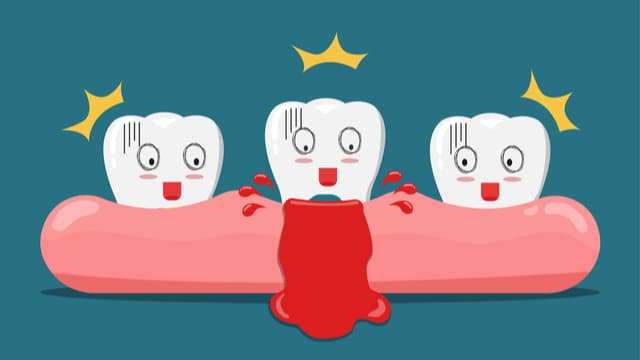
Brushing aggressively is extremely common, but clinically it leads to gum recession, enamel abrasion, and tooth sensitivity. Some people think “my gums bleed because I brushed hard, so it must be working.” In reality, bleeding is often an inflammation sign, not proof of cleanliness.
A simple self-check: if your toothbrush bristles become splayed outward quickly, you are likely brushing too hard. If you use an electric toothbrush, let the brush do the work. Your job is mainly angle and placement, not force.
⏱️ How Long Should You Brush? Two Minutes Is the Minimum
Many people brush for less than one minute. From a dental standpoint, that is not enough time to disrupt plaque biofilm—especially at the gumline and inner surfaces. Two minutes is a minimum, not an ideal.
A practical approach that works well for busy patients is “zone brushing.” Divide your mouth into four quadrants and spend about 30 seconds per quadrant. If you always use the same route, you will miss fewer areas. Consistency is one of the biggest differences between “looks clean” and “is clean.”
🧵 Flossing: The Core Step Most People Skip
Brushing alone cannot clean between teeth. This is why people may brush carefully yet still have bad breath or gum bleeding. If the odor is strongest from the back teeth area, flossing usually matters even more.
How to floss correctly:
Use once daily, preferably at night.
Slide gently into the space (do not snap down).
Curve the floss into a “C-shape” against the tooth.
Move up and down several times to remove plaque.
Clean both sides of each gap, not only the center.
If flossing causes bleeding at the beginning, it often indicates existing gum inflammation rather than floss damage. With gentle consistent use, bleeding usually improves within one to two weeks. Persistent heavy bleeding should be checked professionally.
👅 Tongue Cleaning: One of the Fastest Ways to Improve Breath
Tongue coating is a major bacterial reservoir, especially for morning breath. Many patients notice a clear improvement in “mouth freshness” after they start cleaning the tongue.
After brushing, gently scrape from the back of the tongue forward two to three times. Excessive force is unnecessary and can irritate the tongue. The goal is light, consistent removal of coating.
🧭 How to Tell If Your Brushing Is Still Incomplete
If you experience any of the following, brushing technique may not be sufficient or gum disease may already be developing: persistent bad breath, frequent gum bleeding, swollen or red gums, specific areas that smell on floss, or visible tartar buildup.
Early gum disease is often reversible. Delayed treatment may lead to permanent bone loss and gum recession. That is why a “small issue” like mild bleeding can be worth checking early.
📌 Common Misconceptions vs Dental Reality
Misconception 1: Mouthwash can replace brushing.
Dental reality: Mouthwash may reduce odor temporarily, but plaque and tartar must be physically removed.
Misconception 2: Bleeding means you brushed well.
Dental reality: Bleeding is usually a sign of gum inflammation, not cleanliness.
Misconception 3: Electric toothbrushes guarantee clean gums.
Dental reality: Tools help, but gumline angle and technique remain essential.
Misconception 4: Floss creates gaps between teeth.
Dental reality: Gum disease creates gaps through gum recession; floss helps prevent that.
If you experience long-term bad breath, bleeding gums, or recurring tartar, it is not something you need to guess. A periodontal check-up and professional cleaning can often identify the root cause early, before irreversible damage occurs. Correct brushing brings not only healthier gums, but also confidence in daily life.
Even with the right brushing technique, tartar still builds up slowly, and only regular scaling removes it from the gumline and between the teeth. To see how scaling is arranged, refer to our teeth scaling service.