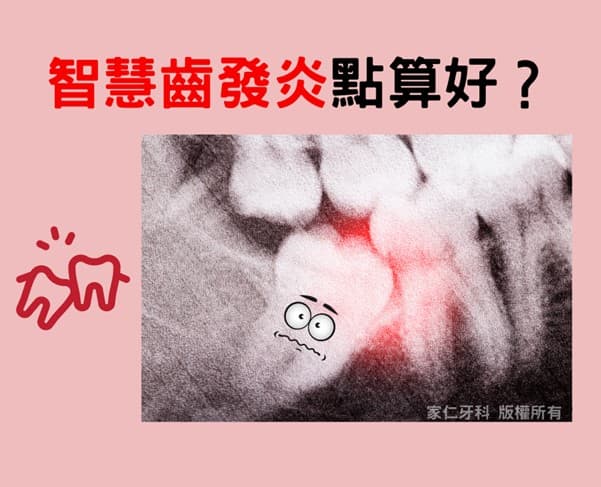
The impact of wisdom tooth inflammation can vary greatly. Some people believe that if the inflammation doesn't last long and the symptoms are mild, they can let wisdom tooth pain naturally subside. Others may experience such severe pain due to wisdom tooth inflammation that it keeps them awake at night. So, why do we experience wisdom tooth pain? And, how should we generally address the issue of wisdom tooth swelling and pain? In this article by Home Dental, we'll answer your questions about wisdom teeth!
This page focuses on causes and how to manage wisdom-tooth inflammation. If your main symptoms are throat pain on swallowing, bad breath, or difficulty opening the mouth, start with Wisdom Tooth Inflammation Symptoms; the general symptom checklist below still applies to common gum swelling and toothache.
Common Causes of Wisdom Tooth Pain
In general, the causes of wisdom tooth pain can be roughly categorized based on the stage of wisdom tooth growth.
During Wisdom Tooth Eruption
Due to the limited oral space in modern individuals, the emergence of a wisdom tooth can create a sensation of pressure in the mouth. It may even lead to swelling and pain in the gums surrounding the emerging wisdom tooth. If your wisdom tooth happens to exert pressure on the roots of adjacent teeth and nerves, it can result in more severe discomfort.
After Wisdom Tooth Growth
Once wisdom teeth have fully emerged, upper jaw wisdom teeth may come into contact with the lower jaw gums during biting, potentially leading to ulcers. Additionally, wisdom teeth are generally challenging to clean, increasing the likelihood of tooth decay. If food remnants get trapped in the gum flaps, it can also give rise to gum diseases such as pericoronitis.
Wisdom teeth problems that cannot be ignored - Impacted Wisdom Teeth
The cause of impacted wisdom teeth is typically related to congenital jawbone development. Due to the shorter jawbones in modern humans, wisdom teeth often lack adequate space to fully emerge. Consequently, they may become partially or entirely embedded within the jawbone, under the gums, or even grow horizontally.
On the other hand, modern dietary habits have reduced the need for chewing raw foods. This diminished stimulation for jawbone growth has resulted in insufficient space within the jaw for proper wisdom tooth emergence.
When wisdom teeth grow horizontally or become impacted, they exert pressure on nearby second molars. In milder cases, this can facilitate the impaction of food debris and the buildup of dental plaque, ultimately causing tooth decay. In more severe instances, it can lead to inflammation of the periodontal tissues, placing additional stress on adjacent teeth and potentially causing the recession of their tooth roots.
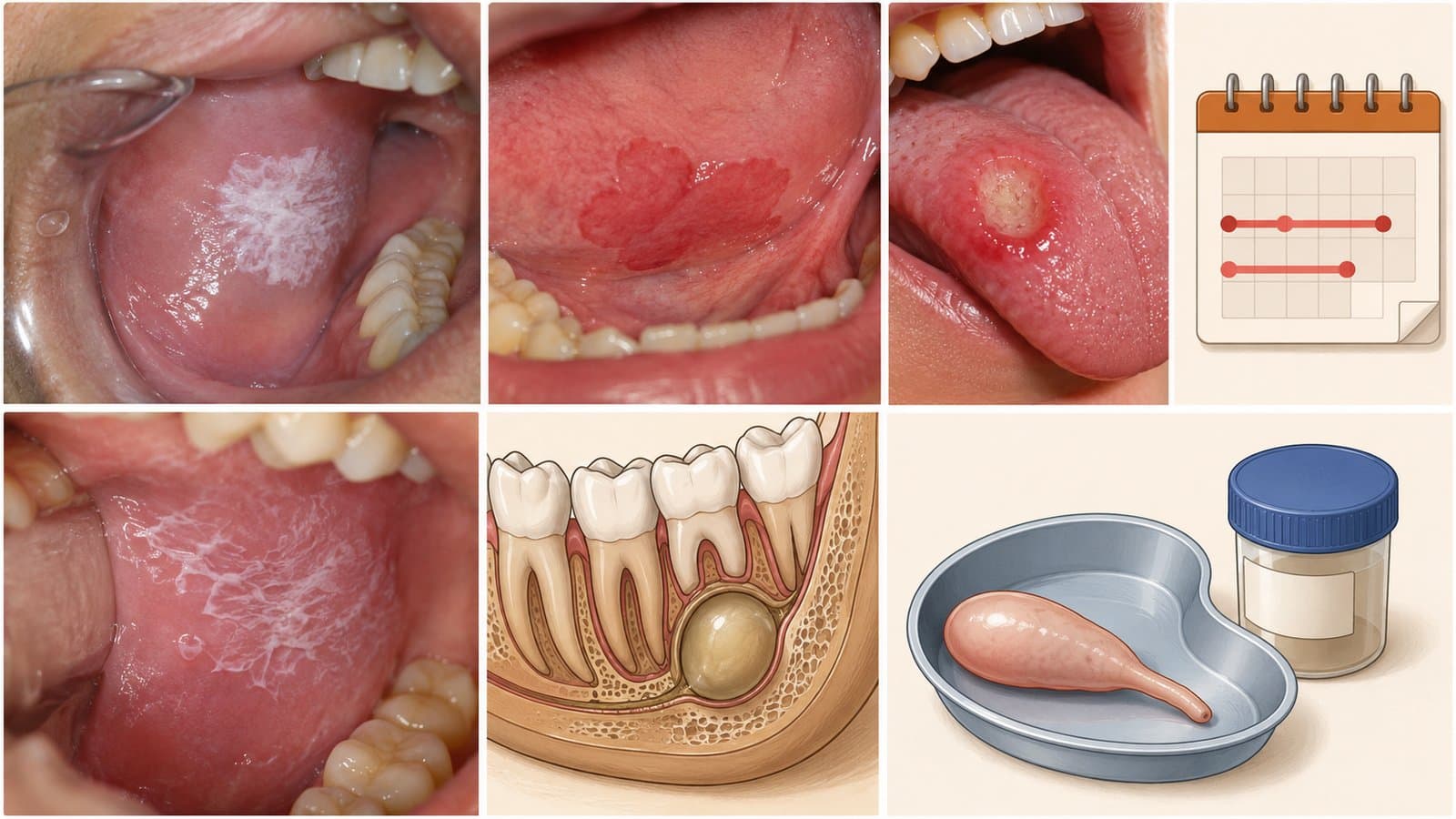
Neglecting impacted wisdom teeth in a timely manner can allow wisdom tooth inflammation to progress into more severe conditions. For example, wisdom tooth cysts may displace wisdom teeth from their original positions, erode bone, absorb adjacent tooth roots, and in extreme cases, lead to jawbone fractures. Consequently, addressing the issue of impacted wisdom teeth is of utmost importance.
Wisdom Teeth Symptoms
How can we identify symptoms related to wisdom teeth? They can be broadly categorized into general symptoms and symptoms arising from wisdom tooth inflammation.
General Symptoms:
- Redness of the gums adjacent to the second molars
- Persistent swelling around the wisdom teeth
- Gum inflammation
- Toothache
Symptoms of wisdom tooth inflammation:
- Swelling and pain in the submandibular lymph nodes
- Difficulty in opening the mouth and swallowing
- Fever
- Headache
Tooth pain originates from the trigeminal nerve. If you're experiencing pain in the rear teeth, it may not necessarily be the wisdom tooth itself that's causing the pain initially; however, wisdom tooth-related headaches can be more pronounced. If you exhibit any of the aforementioned symptoms stemming from wisdom tooth inflammation, we strongly recommend seeking medical attention promptly to prevent the condition from progressing into a more severe cellulitis.
Does Wisdom Tooth Inflammation Require Treatment?
Similar to general inflammation, the approach to dealing with wisdom tooth inflammation varies depending on its severity.
If you can ensure that your oral hygiene is maintained and the inflammation of your wisdom teeth is mild, it is possible for the inflammation to naturally resolve. If there is no pain, you can continue to observe the situation and emergency treatment may not be necessary.
However, if the inflammation is severe, you experience intense pain, the gums remain swollen for an extended period, and there is pus, it is crucial to seek immediate medical attention and consider the removal of wisdom teeth to prevent future issues. Otherwise, worsening inflammation in wisdom teeth may not only endanger the health of adjacent teeth but also impact your daily life, diet, and appearance.
Wisdom Tooth Pain Treatment
When faced with wisdom tooth pain, we can effectively address the issue through the following emergency and long-term treatment methods.

Emergency Measures
If you only experience intermittent and bearable pain, you can take painkillers or antibiotics to alleviate the inflammation.
If the swelling and pain from wisdom teeth persist, rinsing your mouth with saline can help relieve symptoms.
If you experience wisdom tooth pain 2-3 times within a year, and the pain or swelling becomes more pronounced, we recommend a long-term approach.
Long-term Solution
After analysis with professional equipment and assessment by a professional dentist, you may be advised to have your wisdom teeth removed to prevent recurring swelling, pain, and inflammation.
Wisdom tooth removal is categorized as non-surgical and surgical:
Non-surgical: In non-surgical wisdom tooth treatment, the dentist typically removes the entire tooth from the mouth using dental tools, under local anesthesia.
Surgical:Generally, this is performed when wisdom teeth's growth positions are complicated, impacted wisdom teeth are present, or wisdom teeth are close to nerves. The dentist will administer local anesthesia around the mouth and gums. Since impacted wisdom teeth are generally not on the surface of the gums, the gums need to be incised and lifted during the operation to remove the bone and gum that hinder the growth of the wisdom teeth. Then, the wisdom tooth is sectioned into several parts to ensure that the entire wisdom tooth is removed with minimal trauma. Finally, the wound is cleaned and sutured to stop bleeding and speed up healing.
Precautions for Wisdom Tooth Surgery
Preoperative Precautions - Seek Early Medical Attention
When wisdom tooth pain is particularly severe, especially during acute inflammation, the tooth and the surrounding tissues become more sensitive. It may require a higher dosage of local anesthesia to achieve numbness, and in some cases, there might still be sensations during the extraction. Therefore, when you experience wisdom tooth pain, it's crucial not to delay seeking treatment until the last moment for wisdom tooth extraction. Instead, early intervention is advisable.
Preoperative Assessment
Before the surgery, a comprehensive assessment is necessary to ensure that the inflammation of the wisdom teeth is not in the acute stage, preventing oral bacteria from infecting other organs through the bloodstream and causing complications. Thus, it's essential to consult a certified, professional, and experienced dentist for wisdom tooth removal. This helps avoid extensive surgical wounds or excessively long operation times, which could otherwise hinder the recovery process.
Since the growth of wisdom teeth varies from person to person, including differences in tooth position, depth of impaction, growth angle, and the severity of inflammation and pain, it's recommended to discuss the expected postoperative outcomes and care instructions with the dentist before the actual surgery.
Postoperative Precautions
Stopping Bleeding and Avoiding Touching the Wound
After wisdom tooth surgery, it's essential to follow the dentist's instructions for stopping bleeding. This may involve biting down on gauze for approximately half an hour. Avoid touching the wound inside your mouth with your tongue or fingers. On the day after the surgery, it's best to refrain from gargling or brushing your teeth. Consult your dentist to understand when you can safely use a toothbrush for oral care after the surgery.
Pain Management
It's normal to experience swelling and pain after the anesthesia wears off post-surgery. Within 24 hours of the operation, you can alleviate pain and facial swelling by applying ice packs or taking painkillers as directed by your dentist. If the pain persists, seek medical attention again to check for any signs of wound inflammation.
Diet and Physical Activity
After surgery, avoid consuming foods that are difficult to chew, and refrain from smoking or drinking alcohol. Additionally, on the day of the surgery, do not engage in vigorous physical activity or overexert yourself.
The inflammation and pain symptoms caused by wisdom teeth can be unbearable. In case you experience any of the aforementioned wisdom tooth symptoms, it's crucial to seek medical attention promptly. Avoid waiting until the last minute to address wisdom tooth problems and aim to resolve your toothache as soon as possible!