Regain Confidence in Your Complete Smile
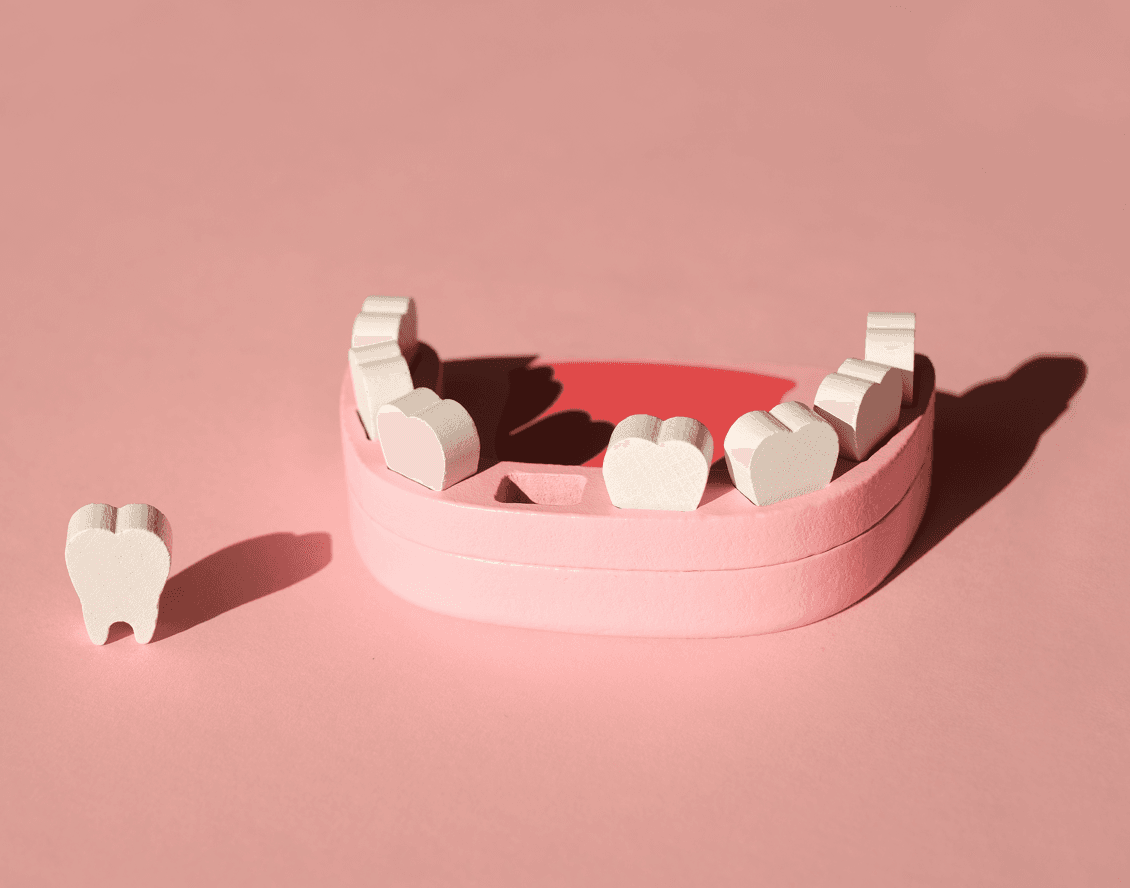
Missing teeth can not only affect your ability to eat but also your self-confidence. Home Dental's experienced dental team provides professional dental restoration consultations and treatment plans to help you regain the confidence of a complete smile.
There are many causes of missing teeth, common reasons include: Routine cases are handled by the general dental team at Home Dental Centre, with appointments arranged according to the dentists on duty. If clinical assessment indicates another area of care, the centre will arrange a further assessment with the appropriate dentist, and dentists from different areas can jointly develop a combined treatment plan.
-
Severe tooth decay that cannot be repaired
-
Periodontal disease that causes teeth to loosen and fall out
-
Trauma or accidents that cause teeth to break or fall out
Dental restoration is not just about dental implants. Our experienced dentists will develop a treatment plan based on your individual situation. Common treatment methods include:
-
Dental bridges: Suitable for single or multiple missing teeth, using adjacent healthy teeth as support to install fixed dentures to restore the missing part.
-
Dentures: Suitable for multiple missing teeth or full mouth missing teeth, removable dentures.
-
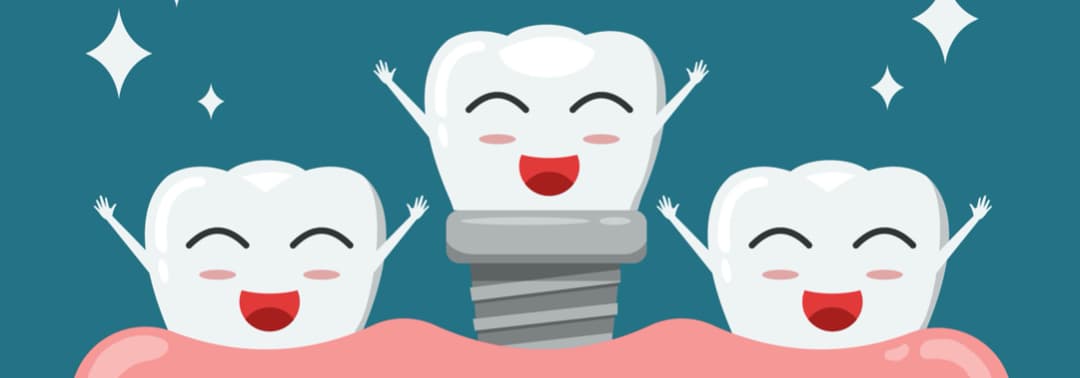
Dental implants: Surgically implant artificial tooth roots and then install crowns for restoration, both in function and appearance close to real teeth.
For how the three options compare, see replacing missing teeth compared. For implants, see the dental implant process and our implant fee promise; for a full arch, All-on-4 cost and process; for older patients, tooth replacement options for seniors. If a tooth has just been knocked out or broken, book same-day emergency care.
Choosing the right dental restoration plan requires consideration of many factors:
-
Number and location of missing teeth
-
Oral health condition
-
Personal budget and expectations
Professional dental assessment is crucial. Through consultation, the dentist can develop a personalized treatment plan based on your oral condition to help you regain complete chewing function and a confident smile. Home Dental has an experienced dental team with solid clinical experience and technology. We can provide comprehensive dental restoration treatment plan consultations to help you understand the pros and cons of various plans.
Is it fine to leave a missing tooth alone? "Manageable" and "consequence-free" are not the same
International research and the World Health Organization describe a "functional dentition": keeping at least 20 natural teeth for life is generally enough for basic chewing, and "shortened dental arch" studies suggest that for some people, retaining the front teeth and premolars can be functionally acceptable. Not every missing tooth must be replaced immediately — actual need varies from person to person.
But "manageable" is not the same as "consequence-free". Molars carry most of the chewing load; once they are lost, that force concentrates on the remaining teeth. Bite force and habits differ from person to person — someone with a strong bite, or who grinds or clenches at night, may see the remaining teeth wear down faster, or even chip and crack. A gap also lets neighbouring and opposing teeth drift over time (see the next section). So there is no universal answer to "how many teeth are enough" — it has to be assessed against your own bite, remaining teeth and daily needs.
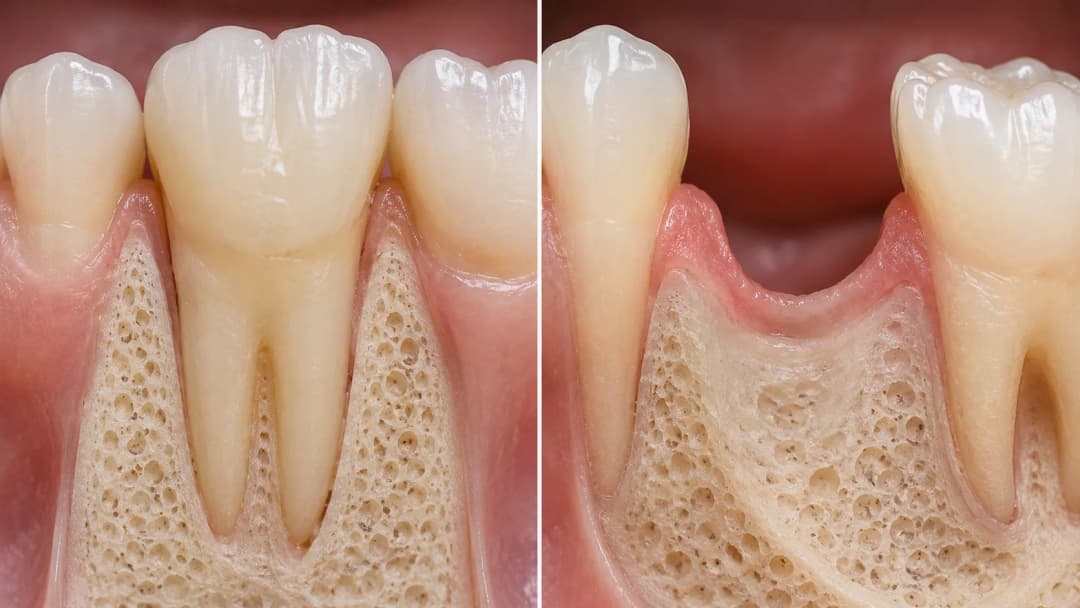
What changes in the mouth after a tooth is lost?
A gap is not a static state. Clinical studies show that in the first year after an extraction, the width of the jawbone ridge at that site can shrink by roughly half — with about two-thirds of that loss in the first three months — and the bone continues to resorb slowly thereafter. Other gradual changes include:
- Neighbouring teeth tilt and drift — teeth that lose their contact support lean into the gap, upsetting the balance of the bite
- The opposing tooth over-erupts — with nothing to bite against, it gradually extends out of line, exposing the root and sometimes leaving too little space for future restoration
- More places for plaque to hide — tilting and drifting create food traps, raising the risk of decay and gum problems
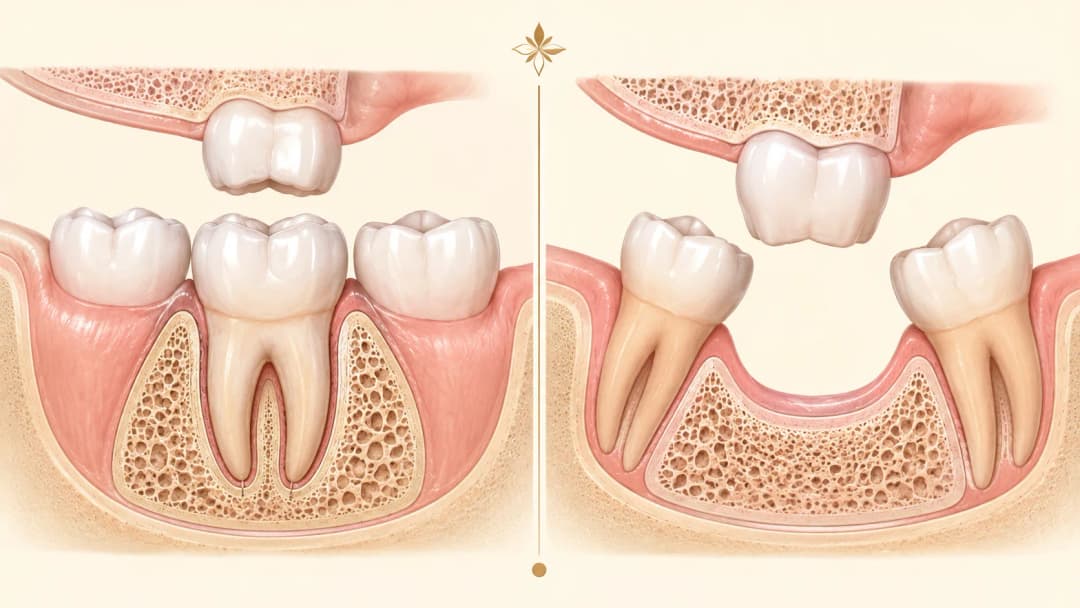
Most of these changes are gradual and painless at first — many people only discover them at a routine check-up or on an X-ray. That is why a gap that "doesn't feel like a problem" is still worth having assessed early.
When is the best time to treat? If conditions allow, don't wait indefinitely
There is no rule that a gap must be restored immediately — but there is one reality: jawbone loss only goes in one direction. Treating while bone volume is still good, general health is stable and daily oral care is manageable usually means more options and a simpler course of treatment; leaving it for years may mean additional procedures such as bone grafting first, with greater difficulty and cost. Whether and when to restore should ultimately be decided with your dentist, based on the whole picture.
If you are comparing the options, see our dentures and dental bridges page (detailed design comparisons and clinical case records), our dental implant services, and the article on removable denture types, quality and pricing.
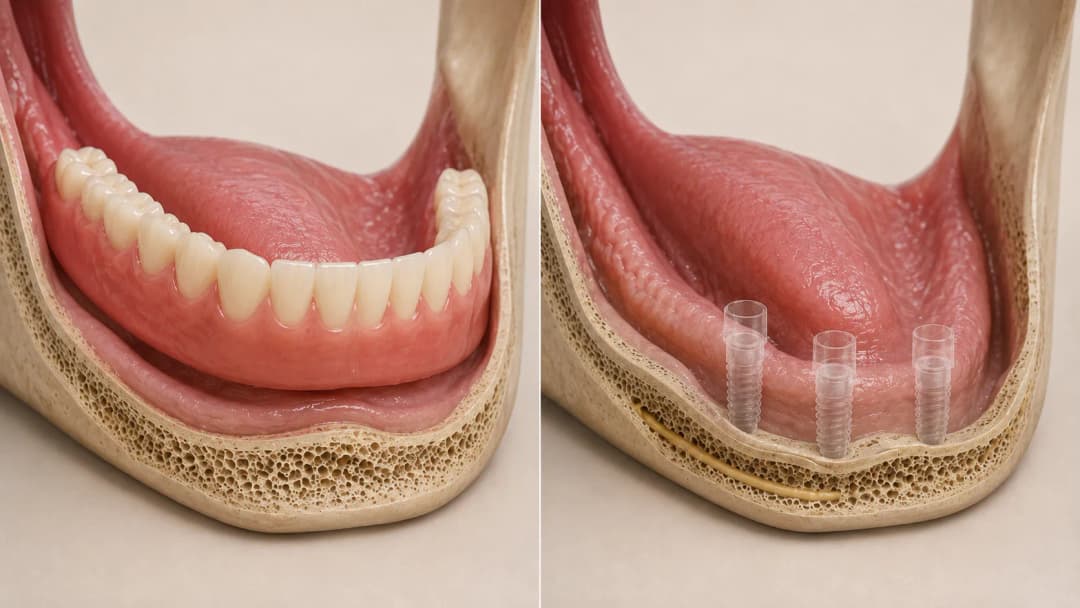
Tooth loss in Hong Kong: the real picture
According to the Hong Kong Department of Health's Oral Health Survey 2021: adults aged 35–44 keep an average of 28.9 natural teeth, with 99.9% retaining at least 20; non-institutionalised older adults aged 65–74 keep an average of 22.8, and the proportion with no natural teeth at all has fallen from 5.6% a decade ago to 0.9%. "Getting old means losing your teeth" no longer holds — early care and timely restoration are what preserve chewing function long term.
Gum disease is one of the leading causes of adult tooth loss; if you have bleeding gums or loose teeth, see periodontal treatment first.
FAQs on Dentures and Bridges in Hong Kong
Q1. Why should I not opt for the cheapest denture or bridge in Hong Kong?
When considering dental services in Hong Kong, it is essential to recognize the price differences between clinics. Lower-priced clinics might offer basic services. On the other hand, clinics with slightly higher prices often use superior materials and experienced professionals, resulting in a better fit and greater longevity for your dentures or bridges. Investing in your oral health by selecting competitively priced, high-quality dental services can save you money in the long run by minimizing the need for replacements and additional treatments.
Q2. What are the costs associated with dentures and bridges in Hong Kong?
The costs for dentures and bridges can vary significantly, influenced by several factors, including the types of materials used; for instance, high-quality ceramics or custom-made options may be more expensive than basic acrylic or metal alternatives. Additionally, the complexity of your specific dental case plays a crucial role; more intricate cases that require extensive planning or additional procedures may lead to higher costs. To ensure you make informed decisions, it's advisable to openly discuss your budget with your dentist during your consultation.
Schedule a professional dental consultation today to assess your oral condition and start your journey to regaining a complete smile.
You can schedule a consultation through the following methods:
• Click the WhatsApp button on our website (Preferred method) - Contact us immediately!
• Call 3956 9387 (during office hours)
If you would like to learn more about orthodontic treatment, take a quick look at our educational articles.
Key sources
- Department of Health, Hong Kong SAR Government — Oral Health Survey 2021: official publication