【Mouthwash Guide 2026】Does the Burning Sensation Mean It’s Working? Dentists Debunk 3 Myths: Alcohol vs. Alcohol-Free
Scaling & Prophylaxis

 【Mouthwash Guide 2026】Does the Burning Sensation Mean It’s Working? Dentists Debunk 3 Myths: Alcohol vs. Alcohol-Free

Does a burning mouthwash clean better? Our dentists debunk common myths and explain which formula — alcohol-free, fluoride or chlorhexidine — suits you.

🧴 Does the Stinging Sensation Mean It’s Cleaner? You Might Be Choosing Wrong!

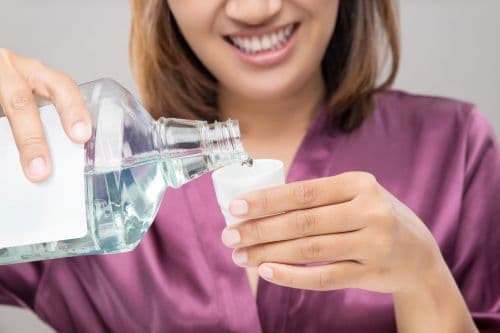
Hong Kong people value efficiency. Many habitually swish with mouthwash, sometimes even seeking that tear-inducing "burning" sensation, believing this ensures thorough disinfection.

But have you considered that the mouthwash you rely on might be too harsh, potentially causing yellowing teeth or dulled taste buds?

As your oral health consultant, Home Dental is here today to reveal the truth about mouthwash. Does alcohol cause cancer? What is Chlorhexidine? Which mouthwash is right for you? This article helps you choose wisely!
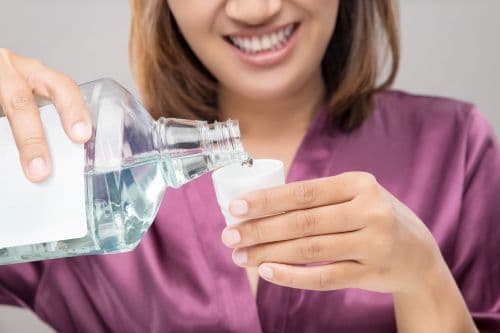
mouthwash

🥃 Myth 1: Is Alcohol-Based Mouthwash the Strongest? Does It Cause Cancer?

The Myth: It is rumored online that alcohol-containing mouthwash increases the risk of oral cancer. The Dentist’s Reality: Currently, there is insufficient medical evidence to confirm that daily use of alcohol-containing mouthwash directly causes oral cancer.

But why do dentists generally recommend "Alcohol-Free"?

  1. Oral Dryness: Alcohol strips moisture from the mouth. Reduced saliva can paradoxically allow bacteria to breed more easily, worsening bad breath.
  2. Mucosal Irritation: For patients with oral ulcers (canker sores), sensitive gums, or the elderly, alcohol is too irritating.

💡 Conclusion: Unless you specifically enjoy the "explosive" fresh feeling, choosing an Alcohol-Free formula is generally milder and more suitable for daily long-term use.

📊 Myth 2: Don't Just Buy "Mint Flavor"! Understanding Ingredients

Buying randomly may only treat symptoms, not the cause. We categorize them into 4 main types to help you read the label:

Type

Key Ingredients

Efficacy

Best For

Warning ⚠️

Anti-Cavity

Fluoride

Strengthens enamel, prevents decay.

Cavity-prone people, braces wearers.

Check if fluoride concentration is sufficient.

Antiseptic (Daily)

Essential Oils / CPC

Reduces plaque, freshens breath.

Daily breath care.

Essential oils often contain alcohol.

Therapeutic (Strong)

Chlorhexidine

Powerful antibacterial, treats gum disease.

Post-surgery, gum disease patients.

NOT for long-term use! Can stain teeth and alter taste. Use for 1-2 weeks only.

Anti-Sensitivity

Potassium Nitrate

Seals dentin tubules, relieves sensitivity.

Sensitive teeth.

Works best with sensitive toothpaste.

🏆 Recommendations: Match the Product to Your Need

Don't ask "Which brand is best?", ask "Which ingredient suits me?"

1. For "Braces Wearers"

  • Recommendation: Mouthwash containing Fluoride.
  • Reason: Areas around brackets are hard to clean and prone to demineralization (white spots). Fluoride provides extra protection.

2. For "Bleeding Gums / Gum Disease Patients"

  • Recommendation: Mouthwash containing Chlorhexidine (0.12% - 0.2%).
  • Warning: Usually recommended by dentists/pharmacists. Use for a maximum of 10-14 days. Switch back to regular mouthwash afterwards to avoid staining.

3. For "Severe Bad Breath"

  • Recommendation: Formulas containing Zinc or CPC.
  • Reason: Zinc neutralizes sulfur compounds (VSC) that cause bad breath, breaking down odor at the source rather than just masking it.

✅ 3 Golden Rules for Correct Use

To get the most out of your mouthwash:

  1. Do Not Dilute: Unless specified as a concentrate, use it straight. Adding water dilutes the active ingredients.
  2. Swish Long Enough: Swish for 30 seconds to ensure it reaches all gaps.
  3. Wait After Rinsing: It is recommended not to eat, drink, or rinse with water again for 30 minutes after using mouthwash. This allows the active ingredients (like fluoride or antibacterial agents) to remain on the teeth and work effectively.

🏁 Conclusion: Mouthwash is the "Dessert," Not the "Main Course"

Mouthwash is a great aid, but "Mechanical cleaning (Brushing + Flossing)" is always king.

If you constantly rely on mouthwash to mask bad breath or if your gums still bleed, you need a professional scaling and check-up, not just a more expensive mouthwash.

Mouthwash is an adjunct — calculus still needs professional removal, so see our teeth scaling and cleaning service.
Article Info

First published: 7 December 2025

Last reviewed: August 2026

Share

FAQ

Frequently Asked Questions

  • Does alcohol-containing mouthwash cause cancer?

    Current evidence does not show that daily use of alcohol-based mouthwash directly causes oral cancer. Alcohol can dry the mouth, however, and reduced saliva may worsen bacterial growth and halitosis. For mouth ulcers, sensitive gums, or older adults, alcohol-free formulas are usually gentler.

  • Can I use chlorhexidine mouthwash long term?

    Chlorhexidine is a strong antibacterial agent suited to short periods after dental surgery or during active gum problems. It is not meant for long-term daily use because it can stain teeth and alter taste. Typical use is up to about 10–14 consecutive days until inflammation settles, then switch to a routine rinse—confirm with your dentist.

  • How long should I swish mouthwash for it to work?

    Rinse for at least 30 seconds so the liquid reaches between teeth and along the gumline. Avoid eating or drinking, and avoid rinsing with plain water, for about 30 minutes afterwards so ingredients such as fluoride or antibacterials can keep working on the tooth surface.

  • Which mouthwash is best during orthodontic treatment?

    During braces we usually recommend a fluoride-containing mouthwash. Brackets and wires trap dental plaque easily, increasing white-spot decalcification risk. Fluoride supports enamel remineralisation alongside thorough brushing and flossing.

  • Can mouthwash replace brushing?

    No. Mouthwash is an adjunct, not a substitute for mechanical cleaning. Only brushing and interdental cleaning reliably remove dental plaque and food debris. If you rely on mouthwash to mask bleeding gums or bad breath, book professional teeth cleaning and a dental examination.

  • How much do teeth cleaning and an oral check-up usually cost?

    Routine teeth cleaning (scaling) is HK$800 with a dental hygienist and HK$980 with a dentist, with the final fee depending on tartar buildup and gum health. If periodontal disease or other issues appear, further care may be advised. Established calculus cannot be removed by home care alone — regular check-ups with professional cleaning reach where brushing cannot. After a clinical assessment we explain the fee components clearly, and treatment starts only with your consent. WhatsApp Home Dental for an individual quote and appointment.

Still wondering about something? Our team is happy to chat.

Reminder: You have the right to choose a Hong Kong dentist based on your individual needs. We recommend referring to the list of registered dentists published on the official website of the Dental Council of Hong Kong to make a choice best suited to your personal needs. The above content is intended to give you a brief introduction to the nature and effects of the relevant dental procedures, so that you can make informed decisions when choosing a dentist and related treatment options. All treatments have advantages and disadvantages — the key is that you must have a basic understanding of different treatments and procedures and be aware of the associated risks. The above content does not represent the professional opinion or views of any dentist or dental institution. For the sake of your health, please consult your family dentist for formal medical advice.

This article is compiled by the Public Education Team of Home Dental and has been reviewed and approved by the Content Review Committee of Home Dental. The Committee comprises members of our Board of Directors, legal advisors, and relevant professionals, and is responsible for vetting all externally published health education content to ensure it is professional, accurate, relevant to the local context, and regularly updated to meet Hong Kong dental service standards.

This content is originally produced by Home Dental, all rights reserved. Unauthorized reproduction, modification, or publication is prohibited. Violators will bear legal responsibility. For citation or partnership inquiries, please contact our center for written permission.

Last updated: Aug 2026

General Dental Services

Want to know more about General Dental Services?

31 general & specialist dentists · Licensed daycare procedure centre