Why do the teeth look longer? Maybe you already have the problem of gum recession, and the gums will not grow back again by themselves. However, if the condition of gum recession is affecting your appearance, or the sensitivity of the teeth becomes more and more serious, you can consult your dentist to see if you can perform a gum recovery operation to improve the above problems. Maybe we first understand what gum recession is!
Gum recession refers to the oral condition of exposing the root surface of the tooth. The initial sign of gum recession usually is increased teeth sensitivity but you may also notice that the teeth look longer than normal teeth, or that the edges of the gums (that is, the junction of the gums and teeth) have grooves. Although gum recession may be common, it may be a symptom of gum problems, so it should not be taken lightly.
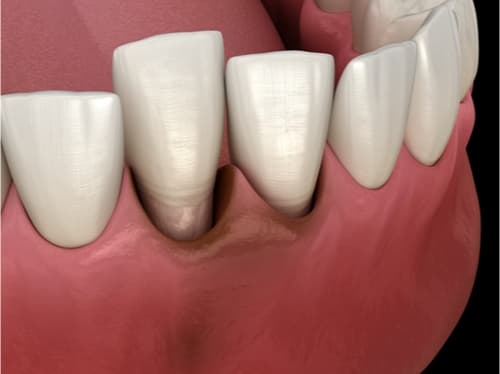
The cause of gum recession may be wrong brushing method and excessive force, and some patients have a thinner gum structure. However, gum recession is usually caused by periodontal disease.
Gum do not have self-healing function, but with the development of technology, it can now be repaired through gum recovering surgery. The degree and results of the restoration need to be evaluated in advance. Not every patient can be repaired 100%, and the irregular arrangement of teeth also affects the outcome. The procedure is carried out under local anaesthetic, so discomfort during surgery is usually minimal; post-operative discomfort is generally mild and manageable with the prescribed medication. Generally, the transplant material can be autologous or artificial, depending on the doctor's recommendation.
The purpose of this operation is to improve gum recession and to fill up the exposed teeth roots with gum. Gum recovering surgery can improve the appearance of teeth, alleviate the sensitivity of teeth, and can also reduce the chance of gum recession in the future, and consolidate teeth. It is a type of periodontal surgery and gum cosmetic surgery.
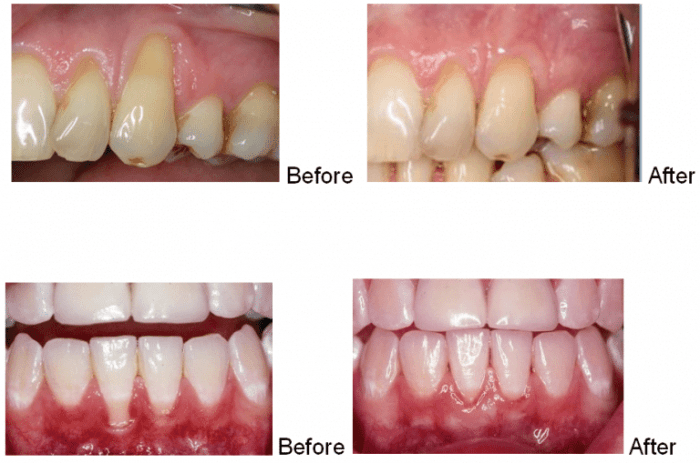
Although the problem of gum recession has been improved after the treatment, daily oral care afterwards also needs to pay more attention. When choosing a toothbrush, you should choose a soft-bristled toothbrush, avoid using high-grinding toothpaste, and use the correct brushing technique taught by a dentist or dental hygienist. By following the above dental care tips, you can maintain the best treatment effect!
How severe is the gum recession? Three levels
Recession does not automatically mean surgery. The dentist first looks at how much root is exposed and how deep the recession goes:
- Mild: only a small amount of root is exposed and the tooth is starting to feel sensitive to hot and cold; appearance is largely unaffected. Usually managed by correcting brushing technique and treating sensitivity, with regular monitoring.
- Moderate: the root is clearly exposed, the tooth looks longer, there is a notch where gum meets tooth, and sensitivity persists. At this stage the dentist assesses whether recession is progressing and whether gum inflammation is driving it.
- Severe: a large area of root is exposed, the gum margin is visibly damaged and the tooth may be starting to loosen. This usually involves loss of periodontal support, so a periodontal assessment of the overall gum condition comes first, before deciding whether a gum graft is suitable.
Gum recession does not always need surgery: non-surgical options
For many mild-to-moderate cases, the following measures alone can stop recession from progressing:
- Correct your brushing: soft-bristled brush, gentle circular strokes, no horizontal scrubbing or pressing hard on the gum.
- Treat the sensitivity: sensitivity from exposed roots can be managed with desensitising toothpaste or in-clinic desensitising treatment; surgery is not the only answer.
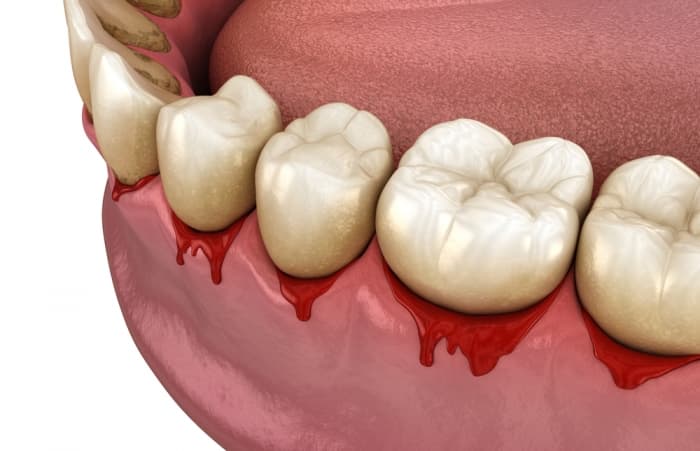
- Control gum inflammation first: if recession is caused by periodontal disease, the inflammation must be brought under control first, otherwise a graft is unlikely to hold.
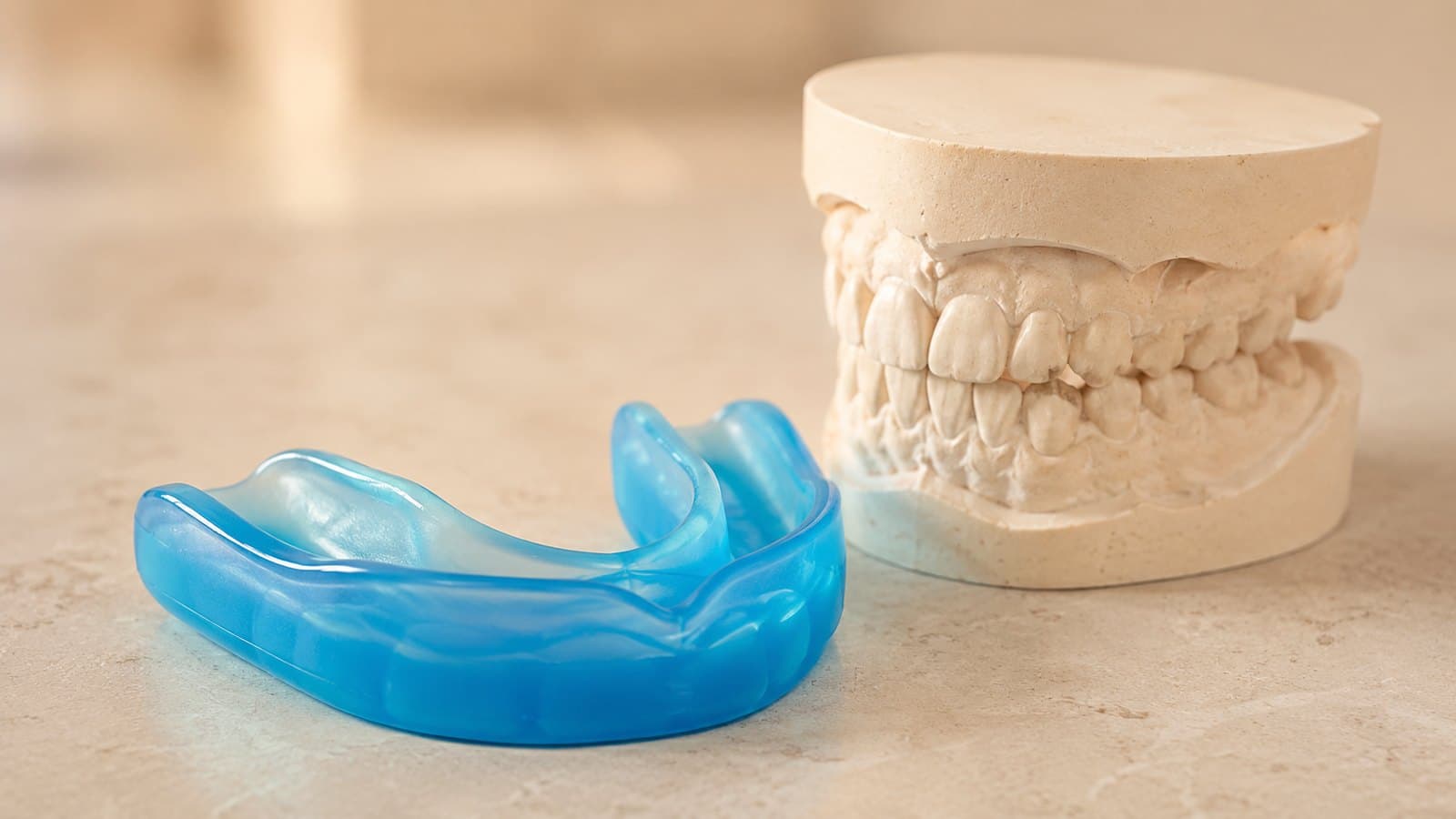
- Manage grinding or clenching: night-time grinding or uneven bite forces add strain on the gums; the dentist may suggest a night guard or bite adjustment.
Gum recession: when to see a dentist promptly
Book a check-up soon rather than waiting if: recession has clearly accelerated over a few months; exposed roots are persistently sensitive and affect eating; the gum margin is red, swollen or bleeds regularly when brushing; or a tooth is becoming loose or shifting. Periodontal assessments are available at our Causeway Bay and Tsuen Wan dental centres.
Gum recession and grafting fall under periodontal care — see our periodontal treatment service, where the dentist explains what is feasible after assessment.
#gumrecession #periodontalsurgery #gumcosmeticsurgery