Quickly understand what Endodontics is in 2 minutes
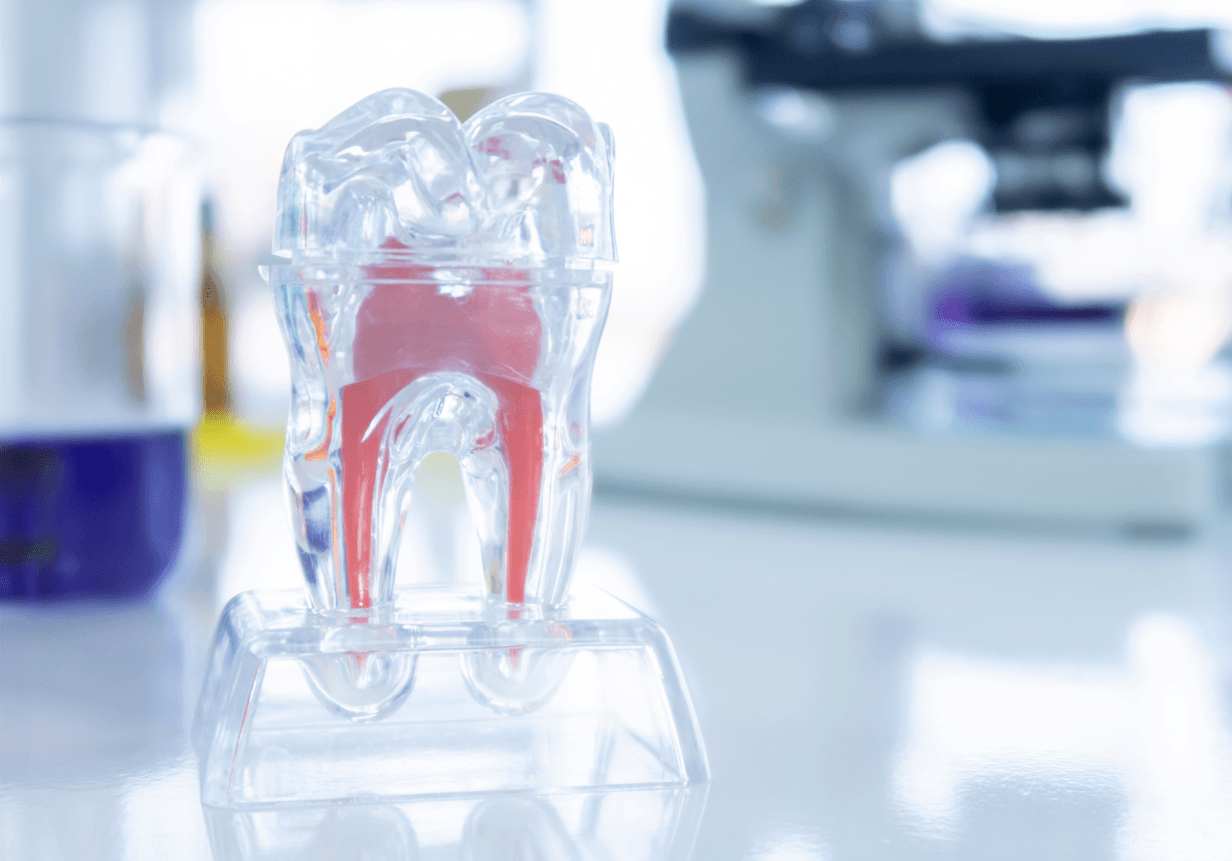
The soft tissue inside the tooth is called the pulp, commonly known as the dental nerve. It is responsible for sensing stimuli such as hot and cold, sweet and sour, while also providing nutrients to the teeth. When the tooth is damaged by caries, trauma and other factors, the pulp will become inflamed and infected, causing severe toothache. If left untreated, the inflammation may spread to the root tip of the tooth, causing more serious consequences. Most patients arrive describing symptoms of tooth nerve pain rather than a diagnosis, which is what the first assessment establishes.
Home Dental understands your concerns and provides a comprehensive range of endodontic treatment services with the aim of eliminating toothache, preserving natural teeth and protecting your oral health. Patients most often ask about what to expect afterwards, particularly how long tenderness should last. Routine cases can first be assessed by the general dental team at Home Dental Centre. Where clinical needs indicate further care in this area, Dr. Henry Li (Dentist) and Dr. Lai Ka Fai (Dentist) at the centre provide the relevant treatment; the treating dentist is arranged according to clinical needs and the dentists on duty. Where a case involves more than one area of dentistry, dentists from different areas at the centre can jointly develop a combined treatment plan, without the patient needing a referral elsewhere.
Endodontic Treatment Services at Home Dental
- Experienced Endodontic Treatment Team – Home Dental has a team of dentists who are experienced in endodontic treatment and are proficient in various endodontic treatment techniques and are able to develop a personalized treatment plan according to each patient's specific situation.
- International dental equipment – Home Dental is equipped with dental equipment that meets international standards, including high-magnification microscopes for endodontic treatment, root canal length measuring instruments, etc., which can accurately locate the lesion site and ensure the accuracy and effectiveness of treatment.
- Minimally Invasive Techniques – Home Dental's team of dentists are able to apply advanced minimally invasive techniques to treat the teeth with minimal wear and tear and discomfort to the patient.
- Pulp Tissue Preservation – Home Dental not only specializes in root canal treatment, but also offers Vital Pulp Therapy. This treatment, which is suitable for patients with early symptoms of pulpitis, helps preserve valuable natural pulp tissue by removing a small amount of damaged pulp tissue and calming the remaining healthy pulp.
Microscope-Assisted Root Canal Treatment and Complex Cases
We provide microscope-assisted root canal treatment, root canal retreatment and vital pulp therapy, carried out by dentists with advanced training in root canal treatment, at our Causeway Bay and Tsuen Wan centres. Full explanation of root canal treatment: procedure, risks and fees
Flow of endodontic treatment services
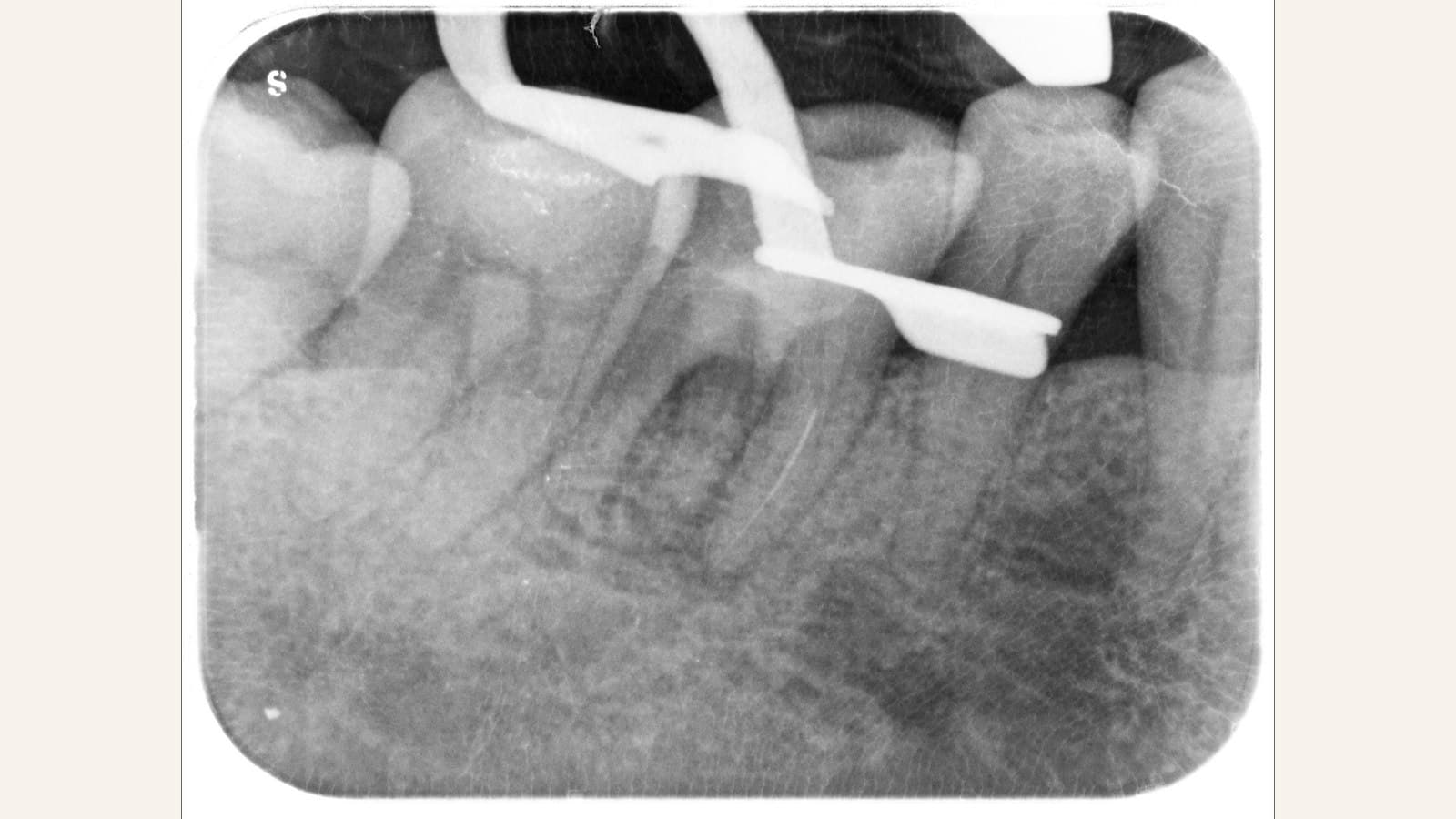
- Detailed examination: The dentist will perform a comprehensive oral examination, including X-rays, to confirm the specific condition of pulpitis.
- Develop a plan: Based on the results of the examination, the dentist will communicate with the patient to develop a personalized endodontic treatment plan.
- Administering the treatment: Under local anaesthesia, the dentist will use specialized instruments to remove the infected pulp tissue and disinfect it thoroughly.
- Root canal filling: The dentist will fill the root canal with biocompatible materials to prevent bacteria from re-entering.
- Crowns: For teeth with large defects, crowns are needed to restore the normal function and shape of the teeth.
Contact Home Dental today to make an appointment with a professional dentist to start a healthy life away from toothache!
How to make an appointment?
1. WhatsApp button on the website (priority recommendation) - get in touch with us now!
2. Call 3956 9387 (during office hours)
If you would like to learn more about endodontic treatment, take a quick look at our educational articles.