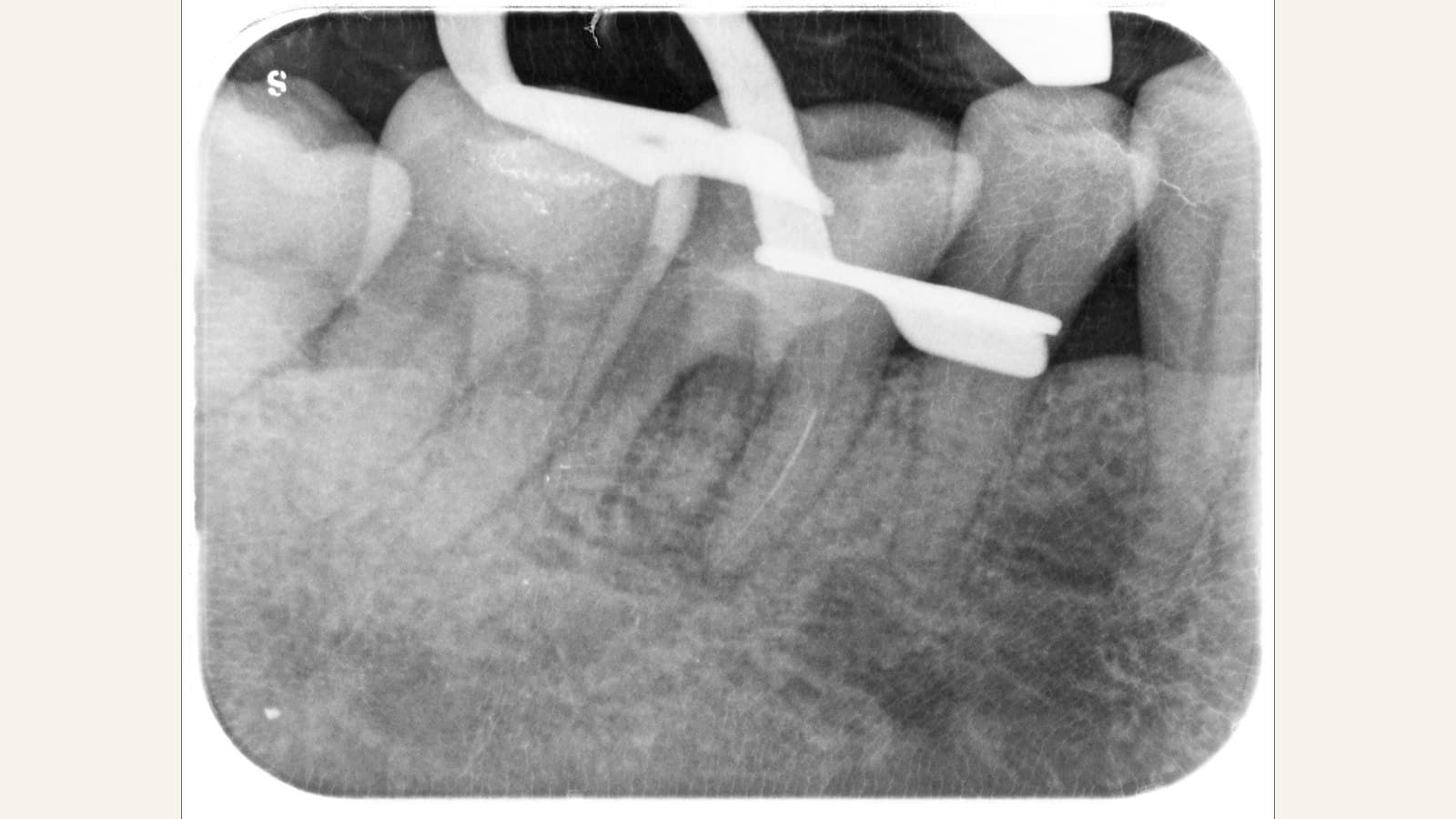
Exploring Quality Root Canal Treatment: Essential Knowledge
The Importance of Root Canal Treatment
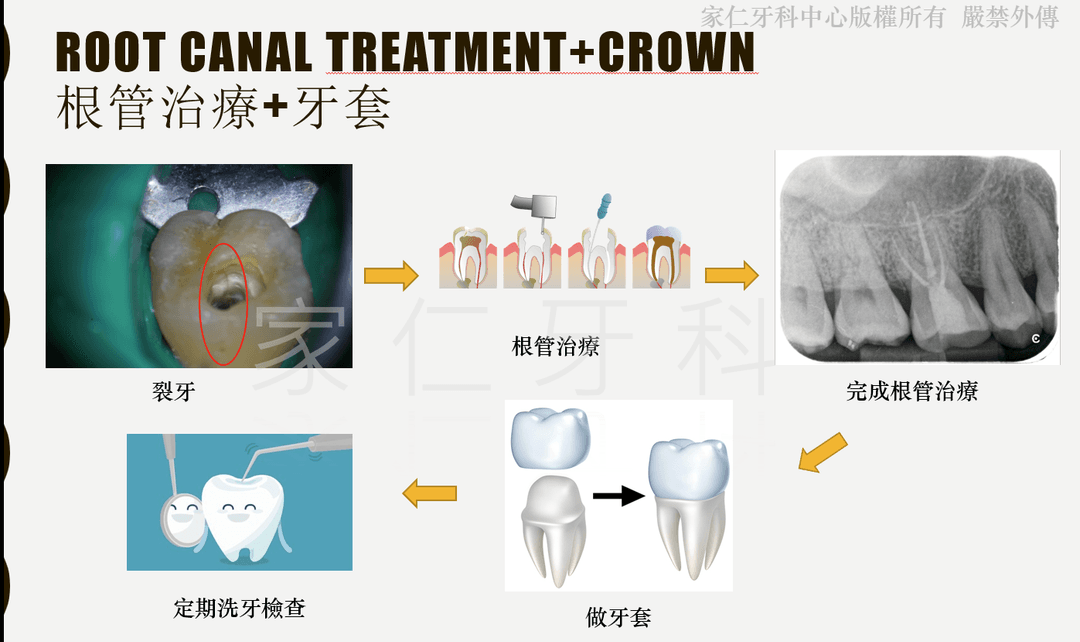
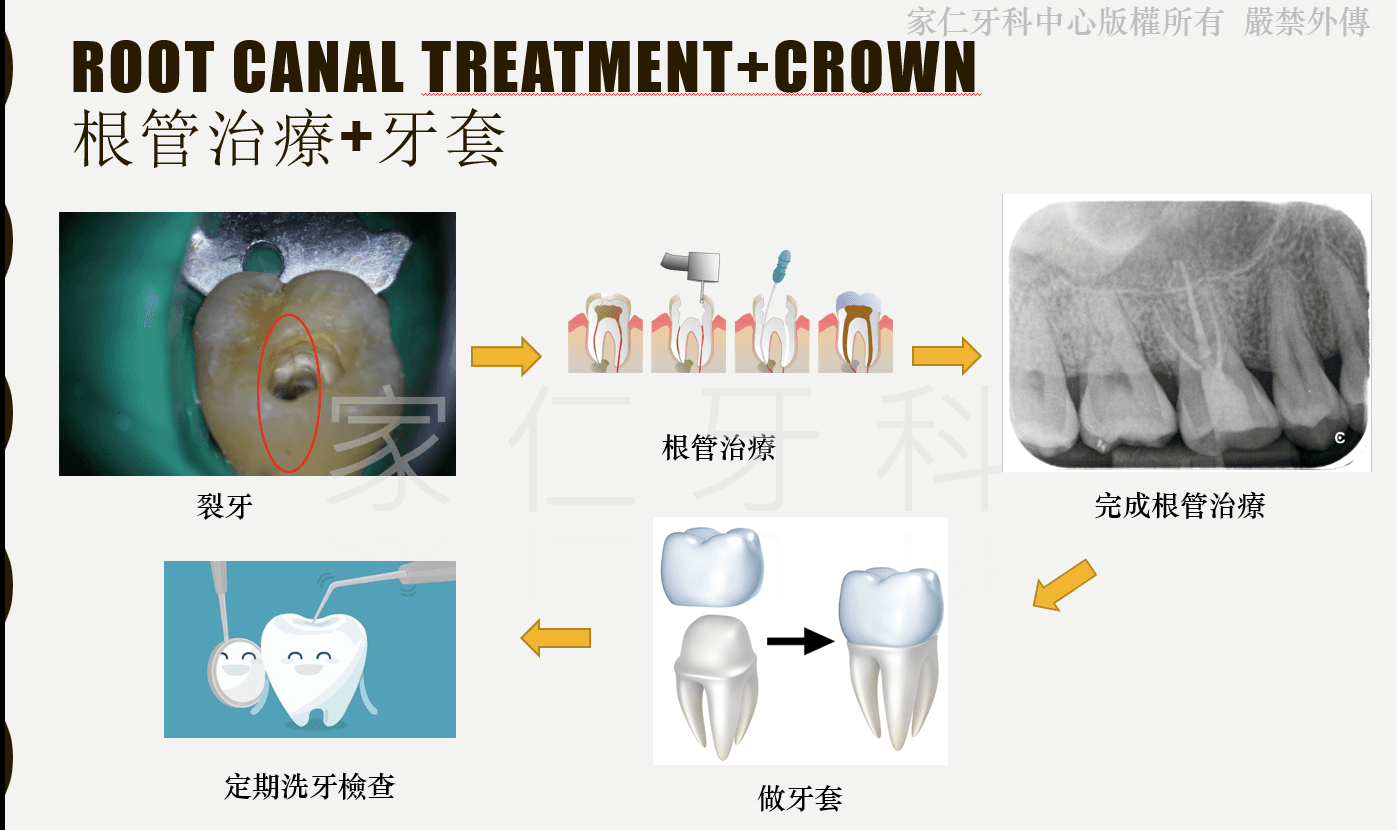
Illustration of the root canal treatment and crown process with photos for a cracked posterior teeth with root canal treatment and crown done
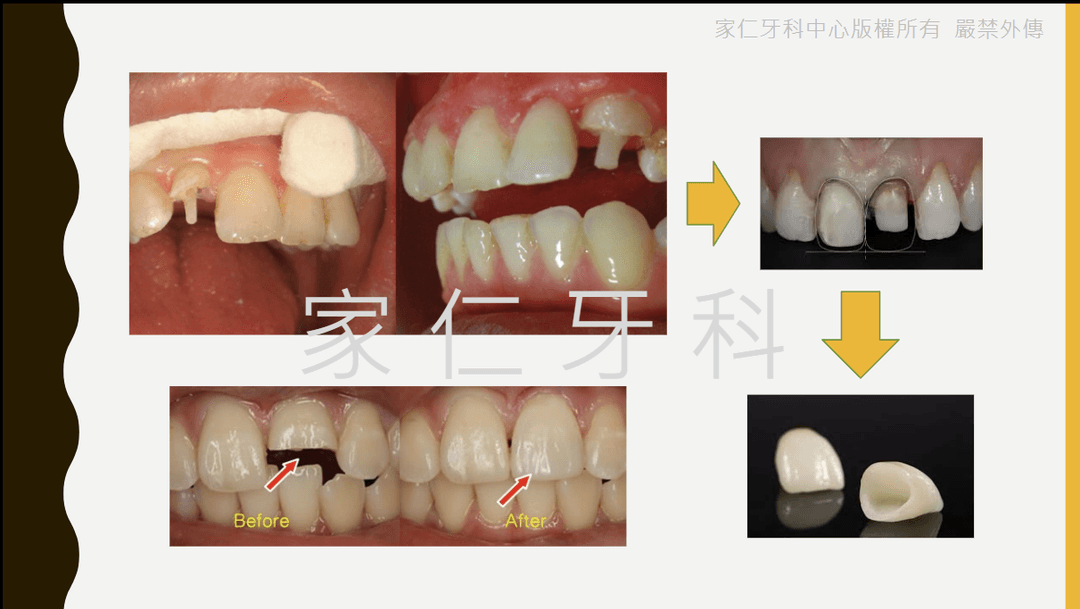
Quality Root Canal Treatment
-
Thorough Infection Removal: Quality root canal treatment should thoroughly remove infected pulp and bacteria, ensuring every part of the root canal system is cleaned.
-
Precise Root Canal Filling: Using quality root canal filling materials to ensure dense and gap-free filling to prevent reinfection.
-
Detailed Preoperative Assessment: Including X-ray examinations to determine the extent of the infection and root canal shape, formulating an accurate treatment plan.
-
Use of Advanced Technology: Utilizing tools like electronic apex locators and microscope-assisted treatments to enhance precision and effectiveness.
-
Postoperative Care and Follow-Up: Providing detailed oral care instructions post-treatment and scheduling regular follow-up check-ups to ensure lasting treatment effects.
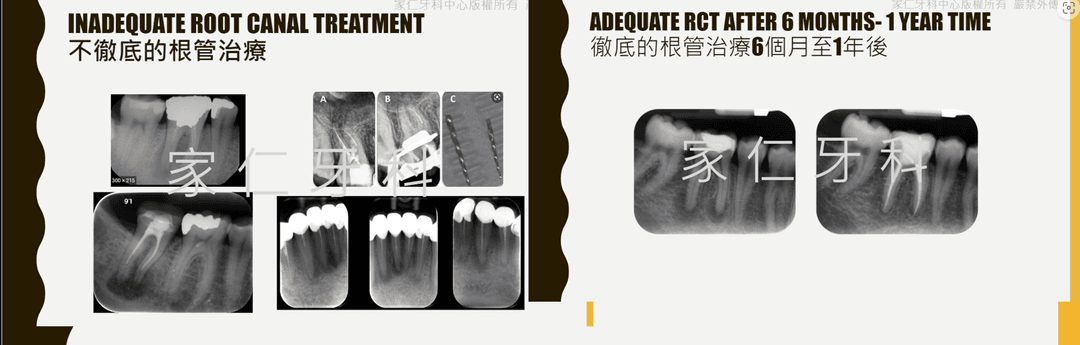
Inadequate Root Canal Treatment
-
Incomplete Infection Removal: Partial removal of infection and bacteria may lead to reinfection.
-
Loose Filling: Inadequate sealing with root canal filling materials leaves gaps, increasing the risk of reinfection.
-
Insufficient Preoperative Assessment: Lack of detailed assessment leads to inaccurate treatment plans, affecting treatment outcomes.
-
Outdated Technology and Equipment: Lack of advanced technology support increases the likelihood of errors during treatment.
-
Insufficient Postoperative Follow-Up: Lack of detailed care instructions and follow-up results in poor patient self-care and affects treatment outcomes.
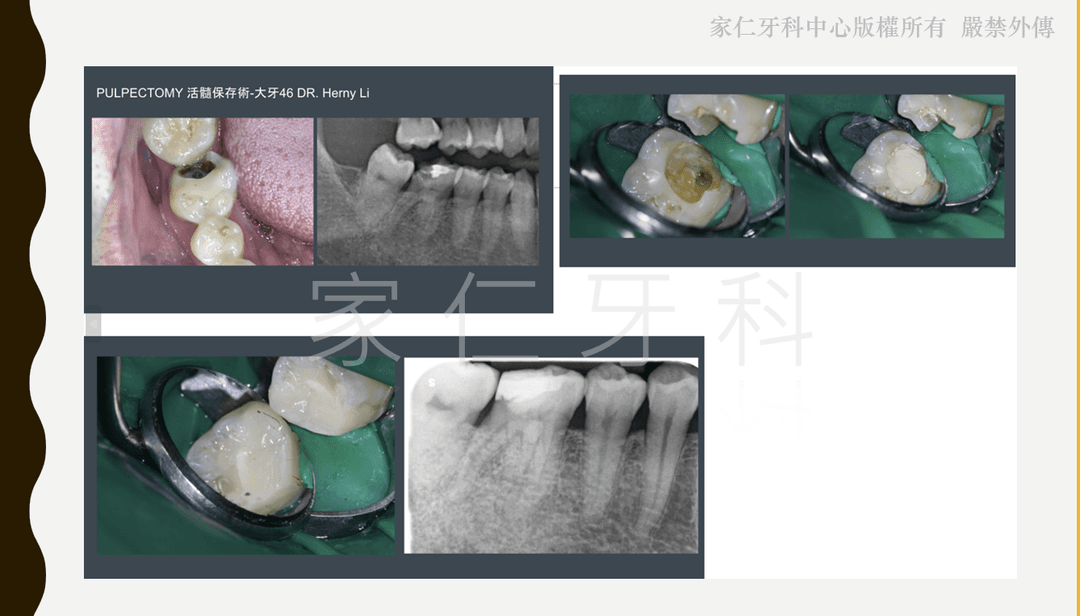
Vital Pulp Therapy as an Alternative Option
(Extended Reading: An Alternative to Root Canal Treatment - Vital Pulp Therapy)
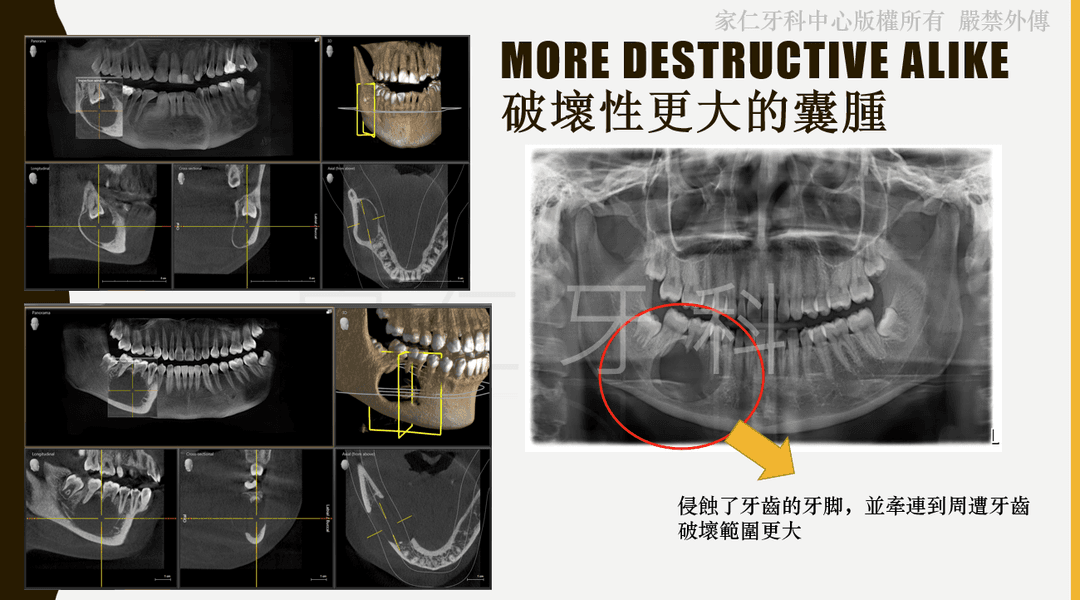
Issues with Root Canal Treatment Infections
Long-Term Impacts
-
High Risk of Reinfection: Inadequate root canal treatment can easily lead to tooth reinfection, necessitating secondary treatment or extraction.
-
Tooth Structure Damage: Reinfection and persistent inflammation can further damage the tooth structure, potentially causing gum and bone issues.
-
Increased Treatment Costs: Retreatment or extraction incurs additional costs and time, increasing the financial burden on the patient.
-
Impact on Overall Oral Health: Poor root canal treatment affects overall oral health, potentially leading to other oral problems.
Why do some root canals fail? Two details that are easy to miss
Many failures are not because root canal treatment "doesn't work", but because canal systems are more complex than they look: upper molars often have a hidden fourth canal (MB2) which, if missed, leaves bacteria that can re-infect later; curved or calcified canals also raise the risk of instrument separation, which requires specialised retrieval techniques (see separated instrument removal). This is the substantive gap behind success rates — complete pre-operative imaging, magnification and unhurried disinfection. Complex or retreatment cases can be further assessed by our endodontic specialty service.
When we would not recommend root canal treatment
Root canal treatment is not suitable in every case. In the four situations below, we will tell you honestly that keeping the tooth is not the better option:
- The fracture sits below the gum line, or a vertical crack extends into the root — even after root canal treatment, a reliable seal and restoration are hard to achieve, and the chance of later fracture or reinfection is high.
- Too little remaining tooth structure — without enough healthy tooth to support a crown, the restoration can loosen or the tooth can fracture at the root.
- Severe loss of periodontal support — the tooth is already mobile and surrounding bone loss is marked; even if the pulp problem is resolved, the tooth is unlikely to last.
- Infection persists after repeated treatment — cases that remain uncontrolled after retreatment or even apical surgery.
In these situations, we will discuss replacement options after extraction and set out the advantages and disadvantages of each, rather than proceeding first with a treatment that has a low chance of success.
Root canal treatment vs replacement after extraction: how to choose
| Option | Features | Main considerations |
|---|---|---|
| Root canal treatment + crown (keep the natural tooth) | Keeps your own root and the natural periodontal sensation; neighbouring teeth are left untouched | Needs enough remaining tooth structure and periodontal support; the tooth is more brittle after treatment and needs a crown for protection |
| Extraction + implant | Neighbouring teeth are not prepared; the implant stands independently | Needs enough bone, or bone grafting first; longer treatment time; involves a surgical procedure |
| Extraction + bridge | Shorter treatment time | Requires preparing the healthy neighbouring teeth on both sides as abutments |
| Extraction without replacement | Lowest cost | The opposing tooth may over-erupt and neighbouring teeth may tilt, affecting the bite over time |
No single option suits everyone. We will go through your tooth condition, periodontal status, bite needs and personal considerations item by item, then you decide.
After a failed root canal: retreat or implant?
If pain or an abscess returns years later, retreatment is usually assessed first — keeping your own tooth is always the first option; extraction and implant-based replacement are considered only when the root structure is beyond saving, such as a cracked root. For the retreatment process, success rates and how apicoectomy differs, see our root canal retreatment guide. Retreatment at Home Dental is typically HK$15,000–19,000 per tooth, quoted clearly after assessment.
Conclusion
For symptom guidance before and after treatment, see symptoms of tooth nerve pain and relief methods.
FAQs about Root Canal Treatment in Hong Kong Routine cases can first be assessed by the general dental team at Home Dental Centre. Where clinical needs indicate further care in this area, Dr. Henry Li (Dentist) and Dr. Lai Ka Fai (Dentist) at the centre provide the relevant treatment; the treating dentist is arranged according to clinical needs and the dentists on duty. Where a case involves more than one area of dentistry, dentists from different areas at the centre can jointly develop a combined treatment plan, without the patient needing a referral elsewhere.
1. Why should not I opt for the cheapest root canal treatment in Hong Kong?
While it might be tempting to choose the lowest-priced option, remember that cheaper does not always mean better. Low-cost root canal treatments often compromise on the standard of care, which can lead to ineffective results. If your root canal treatment fails, it can lead to reinfection, structural damage to your tooth, increased treatment costs, and a decline in your overall oral health. Thus, it is essential to choose a root canal treatment dentist who guarantees quality. Where the pulp is inflamed but still healthy, vital pulp therapy can sometimes preserve it instead of removing it entirely.
2. What factors are important to consider in quality root canal treatment, and how do I choose a dental professional for it in Hong Kong?
High-quality root canal treatment involves the meticulous removal of infected pulp and bacteria, precise filling of the root canal, thorough pre-operative examinations, the use of advanced technology, and careful post-operative care and follow-up. When selecting a RCT dentist, it is crucial to find someone with a proven track record in this field who utilizes state-of-the-art technology to ensure the best outcomes for your long-term oral health. Beyond the checklist itself, quality of care and follow-up determine whether the tooth survives long term.
The root canal team at Home Dental
At Home Dental, root canal treatment is not only a procedure to save a tooth. It combines clinical experience, the right instruments and careful follow-up. Our dentists include graduates of the Faculty of Dentistry, University of Hong Kong, and registered dentists trained in the United Kingdom, the United States, Canada and Australia. From diagnosis and canal cleaning through to obturation density and review, we work to accepted endodontic principles, with microscope assistance and a complete written record at every step.
We use:
- Microscope-assisted endodontics
- Electronic apex locator
- High-density 3D canal obturation
We explain the findings and the fee after assessment, and we provide a complete treatment record.
How to make an appointment
1. WhatsApp button on the website (priority recommendation) - contact us instantly!
2. Call 3956 9387 (during office hours)
If you would like to learn more about root canal treatment, read our educational articles for a quick look.
Root canal treatment is generally quoted by tooth position and canal complexity. For the four factors that shape root canal fees in Hong Kong, see the related article. Where decay has not reached the pulp, a filling is usually sufficient and root canal treatment can be avoided altogether.