What is Periodontal Disease?
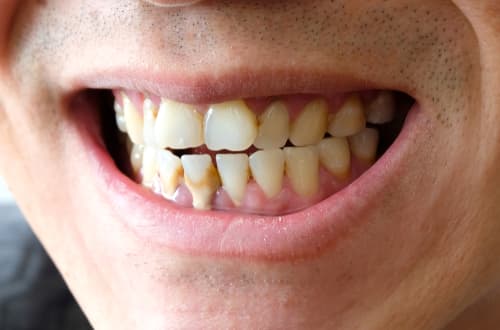
Periodontal disease (also known as gum disease) is a chronic inflammatory condition that affects the supporting structures around the teeth, including the gums, periodontal ligaments, and alveolar bone. When dental plaque accumulates on the surface of the teeth over time and is not effectively removed, it can harden into tartar, which in turn causes gum redness, swelling, and bleeding. As the condition worsens, it may lead to the resorption of alveolar bone and the loosening of teeth. Periodontal disease is one of the leading causes of tooth loss among adults in Hong Kong.
"Periodontal disease" literally means that the tissues around the teeth are sick, but this also includes the bones of the teeth and the gums below. A tooth is like a big tree, and the surrounding area is like soil. If the quality of the soil deteriorates, no matter how strong the roots of the tree are, it will eventually collapse.
Many people assume gum disease simply means "not brushing properly". Yet two people who brush the same way can end up very differently — one keeps every tooth at fifty, another has loose teeth in their thirties. The difference lies in risk factors. In this article the dental team at Home Dental Centre explains why daily brushing does not always prevent gum disease, which of the 10 main risk factors you can change and which you cannot, and the full roadmap from the first warning signs to treatment and maintenance.
Lurking culprit
Periodontal disease is basically a chronic disease. If the bones and gums gradually shrink, the patient usually may not feel so uncomfortable resulting in the problem not being detected in time. Often, the patient may not realize how serious the problem is until the teeth become loose or even fall out, affecting the normal use of the teeth, but by then the golden treatment time may have already been missed.
How is periodontal disease caused? Why do I get it when I brush every day?
Many patients often complain that they have the habit of brushing their teeth every day, but why do they still suffer from periodontal disease? Is brushing your teeth useless at all? In fact, this is a big misunderstanding. Brushing your teeth every day and brushing your teeth correctly are two different things. And, brushing your teeth is only one part of maintaining oral hygiene, so let's look at the following common causes of periodontal disease.
- A toothbrush cannot reach between the teeth — periodontal disease most often starts between two teeth, where bristles barely reach. Use floss or interdental brushes every day; where the gaps are wider, interdental brushes work better than floss.
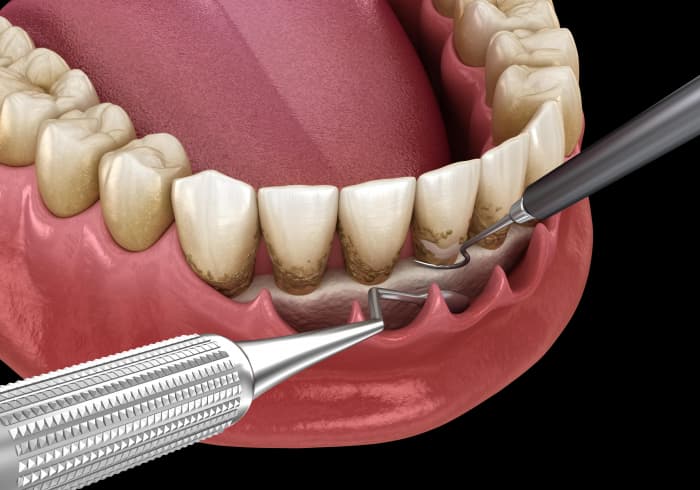
- Tartar cannot be brushed off — plaque starts to calcify into tartar within a day or two; its rough surface attracts still more bacteria, and it can only be removed by regular professional scaling.
- Bacteria hide in periodontal pockets — once a pocket of 4 mm or more forms between gum and tooth, the anaerobic bacteria inside are beyond the reach of toothbrushes and mouthwash, and need deep cleaning by a dentist.
What causes periodontal disease?
1. Improper cleaning of the mouth. Periodontal disease is a relatively common dental disease. Many patients have suffered from this due to improper or insufficient oral cleaning, which leads to gaps between teeth and teeth, forming periodontal pockets. Moreover, the bacteria that cause periodontal disease are anaerobic bacteria that can survive without oxygen. They can also survive well in the deep layers of the teeth, which further leads to the disease of the teeth and even destroys the tissue of the teeth.
2. Not having regular cleanings. Many people feel that there is a gap between the teeth, or the gap becomes larger after cleaning, and sometimes they feel that the teeth are loose or bleeding, so they are very resistant to cleaning. However, the root cause is the damage to the teeth caused by calculus. Failure to regularly clean your teeth can worsen your oral hygiene and keep the bacterial army raging.
3. Have diabetes. The mouth, like the rest of the body, are closely related with each other, and there is a strong relationship between diabetes and periodontal disease. According to medical research, people with diabetes are twice as likely to suffer from periodontal disease. If you don't exercise control over your eating habits, you can make your oral hygiene and diabetes worse, making it easy to get periodontal disease. According to clinical data, good management of periodontal disease can also play a role in the auxiliary control of diabetes and can reduce the damage caused by the incidence of diabetes to the body.
The 10 Risk Factors for Gum Disease: Which Can You Change?
Plaque is where gum disease starts, but how far it spreads depends on the risk factors below. The US National Institute of Dental and Craniofacial Research (NIDCR) names smoking as the most significant single risk factor. Check yourself against the table:
| Risk factor | Why it raises risk | Can it change? | What you can do |
|---|---|---|---|
| ① Smoking | Smokers have about twice the risk of non-smokers, rising with the amount and years smoked; nicotine constricts blood vessels so gums bleed less, masking the warning signs; treatment also works less well | Yes | Stop smoking; risk falls progressively after quitting |
| ② Diabetes | High blood sugar intensifies the inflammatory response to bacteria and slows healing; gum inflammation in turn makes blood sugar harder to control (a two-way link) | Partly | Control blood sugar; have regular periodontal checks — your dentist may advise more frequent reviews than usual. See gum disease, diabetes and heart disease |
| ③ Poor cleaning between teeth | Most gum disease starts between the teeth | Yes | Floss or interdental brushes daily |
| ④ No regular scaling | Tartar can only be removed professionally | Yes | Regular scaling usually every 6–12 months; shorter if you have risk factors, as your dentist advises |
| ⑤ Genetics / family history | Some people mount a stronger inflammatory response to plaque; if parents or siblings lost teeth early to gum disease, your risk is higher | No | Make sure every routine check-up includes periodontal screening from a young age; your dentist may advise more frequent reviews — do not wait for symptoms |
| ⑥ Age | Periodontal damage accumulates over years | No | Do not assume being young protects you: gingivitis is already common in teenagers and some periodontitis starts early; routine check-ups at any age should include periodontal screening |
| ⑦ Chronic stress | Stress hormones affect immunity; stressed people also tend to neglect cleaning, smoke more and grind at night | Partly | If you are under stress and your gums start bleeding, get checked early |
| ⑧ Hormonal changes | During puberty, pregnancy and menopause gums react more strongly to plaque | No (temporary) | Scaling during pregnancy is safe; see pregnancy gingivitis |
| ⑨ Certain medicines | Some blood-pressure drugs (calcium-channel blockers), anti-epileptics and post-transplant immunosuppressants can cause gum overgrowth; others cause dry mouth and reduce saliva’s protection | Do not stop on your own | Bring your medication list to the dentist, who can liaise with your doctor |
| ⑩ Tooth position and mouth structure | Crowding, overhanging old fillings or crown margins, and grinding let plaque hide and overload the gums and bone | Yes | Replace faulty restorations, straighten crowded teeth, wear a night guard if you grind |
How to use this table: everyone should have a routine check-up at least once a year, and every check-up should include periodontal screening. If you have any factor you cannot change (genetics, age), or two or more you can, your dentist may recommend a full periodontal examination (measuring the pocket depth around every tooth) and shorter intervals between reviews and cleaning (for example every 3 to 6 months), not just an ordinary scaling. People with conditions such as rheumatoid arthritis or weakened immunity are also at higher risk.
Quick to find out if you have periodontal disease!

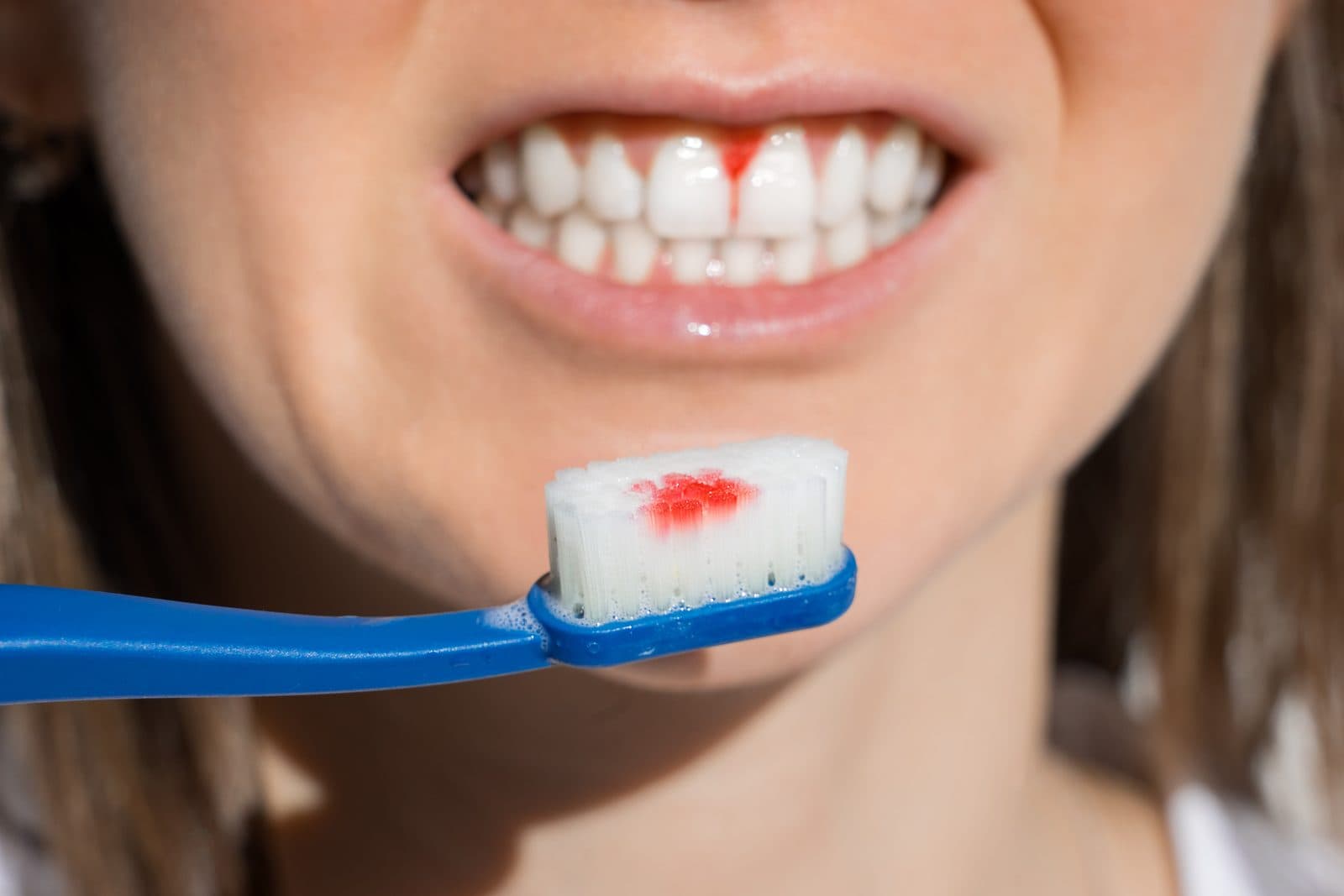
In the early stages of periodontal disease, patients usually do not have any particularly noticeable changes in sensation and appearance. However, after a period of time, the patient can feel the following situation. Have you encountered the following situation?
1. Odor, bad breath, etc. in the mouth;
2. Receding gums or slightly loose teeth; or
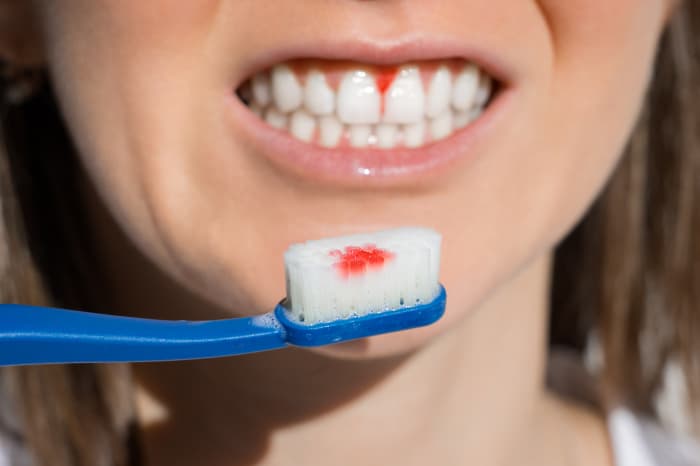
3. The calculus causes the gums to bleed or injure easily.
However, some patients may not feel very uncomfortable even if the above conditions occur, so they may miss the best treatment time. Most of them may just sit and wait until the teeth becomes very loose or even fall, or when the pain affects their diet and life, which finally causes them to consult a dentist.
The above situation will not only affect your appearance, but also make your oral health gradually worsen. If detected in time and treated appropriately, such disease can often be controlled. However, if the golden opportunity is missed, the treatment difficulty will be increased, and the treatment effect will be greatly reduced.
For the full eight-item self-check see 8 warning signs of gum disease; for what bleeding on brushing means see bleeding gums warning signs; for red, swollen, sore gums see 9 common questions about swollen gums.
How can periodontal disease affect me?
Periodontal disease is not as simple as just destroying a single tooth, it can also affect the surrounding teeth, make a mouthful of teeth sick, and even indirectly lead to other serious diseases.
1. Irreversible damage to teeth and gums. Our gums do not have a strong self-recovery function, so the gum recession caused by periodontal disease cannot be restored to its original appearance even with medical treatment. Therefore, if the teeth are loosened or lost without periodontal treatment, the fallen teeth will not be able to grow back, so artificial dental implants or dentures may be required in the follow-up treatment.
2. Affects the cardiovascular system of the body. Large studies show that periodontal disease is associated with heart disease and stroke, which may have been neglected by many people: bacteria and inflammatory substances from gum disease can travel in the bloodstream to other parts of the body. However, research has not yet shown that gum disease directly causes heart disease or stroke, nor that treating it prevents cardiovascular disease. See gingivitis and your whole body for the evidence.
3. Increase the risk of respiratory pneumonia. The periodontal disease bacteria can also enter the patient's respiratory tract, causing pneumonia.
4. Take particular care in pregnancy. Studies have found an association between periodontal disease in pregnancy and premature birth or low birth weight, but a causal link has not been proven, and periodontal treatment during pregnancy has not been shown to reduce premature birth; scaling and periodontal treatment in pregnancy are safe, and ideally you should have a check before you conceive. See pregnancy gingivitis.
Periodontal Treatment Roadmap: From First Signs to Stability
| Step | What happens | Read more |
|---|---|---|
| 1. Spot the warning signs | Bleeding on brushing, bad breath, receding gums, loose teeth | 8 warning signs self-check |
| 2. Periodontal examination | Pocket depths measured around every tooth plus X-rays to stage the disease | What pocket depths mean: can periodontal disease heal on its own |
| 3. Non-surgical treatment | Deep cleaning and root planing; most early to moderate cases stabilise at this step | deep scaling and root planing |
| 4. Re-evaluation | Re-measured 6–8 weeks after treatment to decide which sites need more | — |
| 5. Surgery (residual deep pockets only) | Open-flap debridement, regenerative surgery | periodontal surgery |
| 6. Lifelong maintenance | Reviews every 3–12 months according to risk | periodontal maintenance and review intervals |
Steps 2 to 6 are completed within the same team at Home Dental Centre — see our periodontal treatment in Hong Kong service.
Most early and moderate gum disease is stabilised with deep cleaning and root planing. Flap or regenerative surgery is considered only for pockets of 6 mm or more that remain after non-surgical treatment, and extraction is assessed only where bone loss is severe and the tooth is very loose. For the step-by-step procedures see deep cleaning and root planing and our periodontal surgery guide; for assessment, treatment planning and fees see the periodontal treatment page.
Routine cases can first be assessed by the general dental team at Home Dental Centre. Where clinical needs indicate further care in this area, Dr. Joanna Joy N. Chiu (Specialist in Periodontology), Dr. Ryan Ho (Specialist in Periodontology) and Dr. Kung Choi Ka, Julie (Dentist) at the centre provide the relevant treatment; the treating dentist is arranged according to clinical needs and the dentists on duty. Where a case involves more than one area of dentistry, dentists from different areas at the centre can jointly develop a combined treatment plan, without the patient needing a referral elsewhere.
Things to keep in mind after periodontal treatment
1. Regular follow-up and maintenance. After the treatment is completed, the doctor will determine the period for dental maintenance and arrange the follow-up consultation according to the specific conditions of the patients. Basically, the follow-up time for patients is within three months. When the patient's dental condition is stable, the follow-up time is changed to once every six months or once a year. If the teeth are already in ideal health, and the patient desires to restore the appearance of the teeth and gums, further treatment may be required.
2. Usual care. People with periodontal disease should pay attention to maintaining oral hygiene. Patients need to actively cooperate with doctors and face it bravely. Like other chronic diseases in the body, periodontal disease cannot be completely cured and restored to its original state but can only be effectively controlled. Therefore, if the patient is slack in the treatment, and usually does not pay attention to the oral cavity, it will cause the recurrence of periodontal disease.
How your review interval is worked out from your risk, and what happens at a review, are set out in gum disease recurrence, maintenance and review intervals.
For teeth, prevention is better than cure. No matter what the disease is, don't delay. The tissue around the teeth is like a piece of fertile land, and the teeth are the big trees on it. If the land is gone, the big trees will not survive, so what we can protect the land and prevent it from being damaged.
If we miss the opportunity to treat periodontal disease in the early stage, then there will be more troubles in the later treatment. When periodontal disease becomes more severe, the bones that support the teeth may also be damaged, thereby prolonging the treatment time. Therefore, if you feel that your teeth are abnormal, you should check and deal with the condition in a timely and active manner and treat it according to the professional advice of your doctor.
Fee Guide for Periodontal Examination and Treatment
Home Dental Centre's current published fees: professional scaling HK$800 with a dental hygienist or HK$980 with a dentist. The fee for periodontal treatment depends on the number of pockets, the extent involved and whether surgery is needed, and is set out clearly according to your plan after a full periodontal examination, starting only with your consent. See periodontal treatment fees and our fee transparency commitment.
Book a Periodontal Examination
Open seven days a week, with earlier slots available at our Causeway Bay and Tsuen Wan dental centres. When you book, please tell us whether you smoke, have diabetes or a family history of gum disease, and what medicines you take, so the dentist can assess your risk.
Why Choose Home Dental Centre for Gum Disease?
- A team of 31 dentists — general dentists, dental hygienists and periodontists in one team, so examination, deep cleaning, surgery and maintenance connect with no new waiting list.
- Risk first, not one-size-fits-all — treatment and review intervals tailored to your smoking, blood sugar, family history and periodontal data.
- Multidisciplinary case conferences — periodontal, implant and restorative dentists assess together, so whether to keep a tooth and how to restore it is explained in one go.
- Transparent fees — after the examination we explain the procedure and fees clearly, and start only with your consent.
- Open seven days — earlier slots for acute gum swelling or pain; for emergencies contact our dental emergency service.
Further reading: find out whether periodontal disease can heal on its own, when periodontal surgery is needed, and how maintenance and review visits after treatment work. You can also run through the 8 warning signs of gum disease self-check first. For periodontal treatment and specialist assessment, book at our Causeway Bay or Tsuen Wan dental centre.
Medical References
The general clinical principles in this article draw on the following professional sources; actual diagnosis and treatment must be decided by a dentist for each individual case:
- Oral Health Education Unit, Department of Health, Hong Kong: Periodontal disease
- US National Institute of Dental and Craniofacial Research (NIDCR): Gum Disease — risk factors: smoking (the most significant), age, diabetes, genetics, stress, certain illnesses and medications, hormonal changes, weakened immunity
- US Centers for Disease Control and Prevention (CDC): Smoking, Gum Disease, and Tooth Loss — smokers have twice the risk of gum disease; risk rises with the amount and duration of smoking; treatment may not work as well
- Sanz M, Ceriello A, Buysschaert M, et al. (2018): Scientific evidence on the links between periodontal diseases and diabetes — consensus report of the IDF and EFP. Journal of Clinical Periodontology 45(2):138–149
- Sanz M, Herrera D, Kebschull M, et al. (2020): Treatment of stage I–III periodontitis — The EFP S3 level clinical practice guideline. Journal of Clinical Periodontology 47(S22):4–60
Medical information notice: this article provides general dental health information and is not a substitute for an in-person examination, periodontal probing or imaging. The risk-factor table is for self-reference only and cannot replace a diagnosis. Do not stop any prescribed medicine on your own — consult the prescribing doctor first. If you have pus from the gum, facial swelling, fever or a suddenly loose tooth, seek care promptly.