As the saying goes, "As age advances, machinery breaks down." As one reaches their twilight years, the body's various functions gradually deteriorate, and missing teeth become a significant concern. In addressing the issue of missing teeth, current medical research has developed numerous treatment solutions, such as undergoing dental implant surgeries, wearing fixed dentures, or using removable dentures. Because removable dentures are more affordable and don't require surgery, they have become widely popular among the public. So, what are the distinctive features of removable dentures? How do the prices vary among different types of removable dentures? In the following, we will delve deep into the advantages and disadvantages, the production process, and the factors affecting the cost of removable dentures.
Comparing the Advantages and Disadvantages of Removable Dentures: Which Type Should You Choose?
There are various types of removable dentures, each with its own strengths and weaknesses. Depending on the patient's condition, preferences, and needs, different solutions may be recommended. Many people initially choose removable dentures due to cost considerations without truly understanding their features. So, what are the advantages and disadvantages of removable dentures? Which type is most suitable for you?

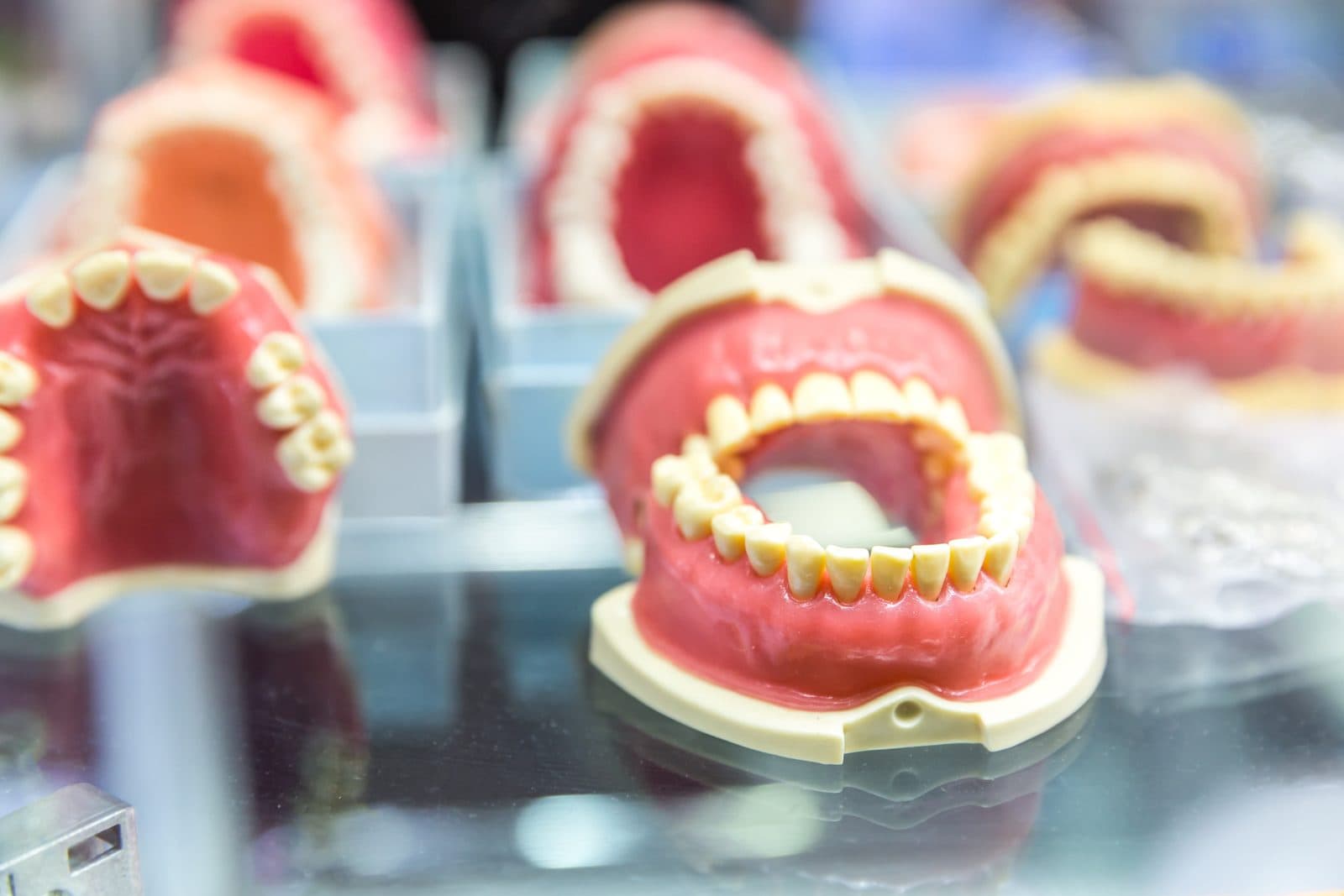
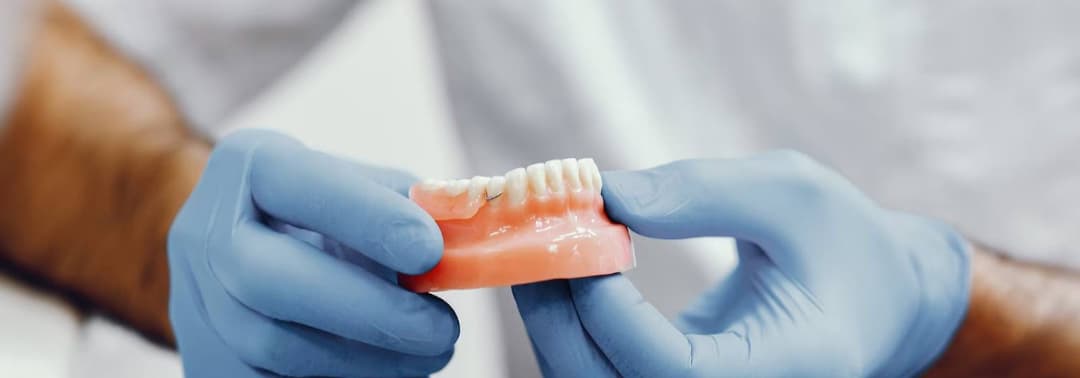
Removable dentures can be broadly categorized into two main types: complete (or full) removable dentures and partial removable dentures. Full removable dentures are suitable for patients who no longer have any healthy teeth and rely on the oral mucosa and dental ridge for support. On the other hand, partial removable dentures are designed for patients who still have some healthy teeth remaining. These dentures utilize metal frameworks or hooks, anchoring the prosthetic to the existing healthy teeth. Below is a comparison of the advantages and disadvantages of removable dentures:
Comparison of Removable Dentures - Advantages and Disadvantages
| Advantages of Removable Dentures | Disadvantages of Removable Dentures |
| Easy to clean | Long adaptation period |
| Simple fitting process | Alveolar bone resorption |
| Affordable with a variety of choices | Need for replacement |
Advantages of Removable Dentures
1. Ease of Removal and Cleaning
Removable dentures are dental devices that wearers can easily take out and put back on themselves. This convenience allows for effortless removal and cleaning at any time. The cleaning process is relatively simple: after each meal, the denture can be removed and gently brushed with a soft-bristled toothbrush. Before bedtime, using denture cleaning tablets can effectively eliminate bacteria.
Regular cleaning not only keeps the denture fresh but also helps prevent bacterial growth, thereby avoiding gum diseases caused by poor oral hygiene. In contrast, if the gaps from dental bridge procedures aren't meticulously cleaned, dental plaque can easily invade the natural teeth, compromising oral health in the long run.
2. Simple Fitting Process
The process to fit removable dentures is remarkably straightforward. It doesn't require any surgery or invasive treatments, making it an ideal choice for those whose health conditions prohibit them from undergoing anesthesia or surgical procedures. For individuals who, due to health reasons, cannot opt for dental implants, removable dentures stand out as a safe and comfortable solution for addressing missing teeth.
3. Affordable with a Wide Range of Options
As mentioned earlier, the process of crafting removable dentures is relatively straightforward and doesn't involve complex surgeries. Consequently, their price is more budget-friendly compared to other dental prosthetic solutions. Additionally, removable dentures come in a variety of materials. In the subsequent section, we will delve deeper into the cost details for different types of removable dentures.
Disadvantages of Removable Dentures
1. Long adaptation period
Generally, individuals wearing removable dentures experience a prolonged adaptation period. This is because the sensation of biting with removable dentures significantly differs from that of natural teeth. Additionally, since removable dentures rely on the soft tissues inside the mouth for support, any slight movement of the denture can cause friction against the oral muscles. As a result, during the initial stages of wearing, it's common for users to experience excessive saliva production, unclear pronunciation, and a foreign object sensation while chewing or speaking. Wearers need time to gradually adapt to these sensations.
2. Recession of alveolar bone
Due to the absence of tooth roots to offer support, traditional removable dentures tend to have lower stability. Moreover, wearing these dentures places prolonged pressure on the gums and jawbone. Over time, this can lead to progressive recession of alveolar bone, causing the dentures to become loose. This significantly complicates the fit between the oral cavity and the denture, increasing the likelihood of developing oral ulcers.
3. Need for Replacement
As mentioned earlier, due to factors like the recession of the alveolar bone and the loosening of the denture, the fit of removable dentures can deteriorate over time. Wearers might need to periodically adjust their dentures or even replace them more frequently. Furthermore, changes in oral conditions, such as the loss of additional teeth, could render the existing dentures unsuitable for wear. In such cases, wearers might even need to have a new set of removable dentures crafted. Consequently, the lifespan of removable dentures tends to be shorter compared to fixed dentures.
The above provides a simple comparison of the advantages and disadvantages of removable dentures. However, when determining which tooth replacement solution is best suited for an individual, one must consider the specific oral conditions, personal preferences, budget, and other factors of the wearer. If you have any related queries, you're encouraged to seek professional advice from a dentist to get appropriate treatment recommendations.
Overview of the Removable Denture Fabrication Process
Step 1: Oral Examination and Initial Impression Analysis
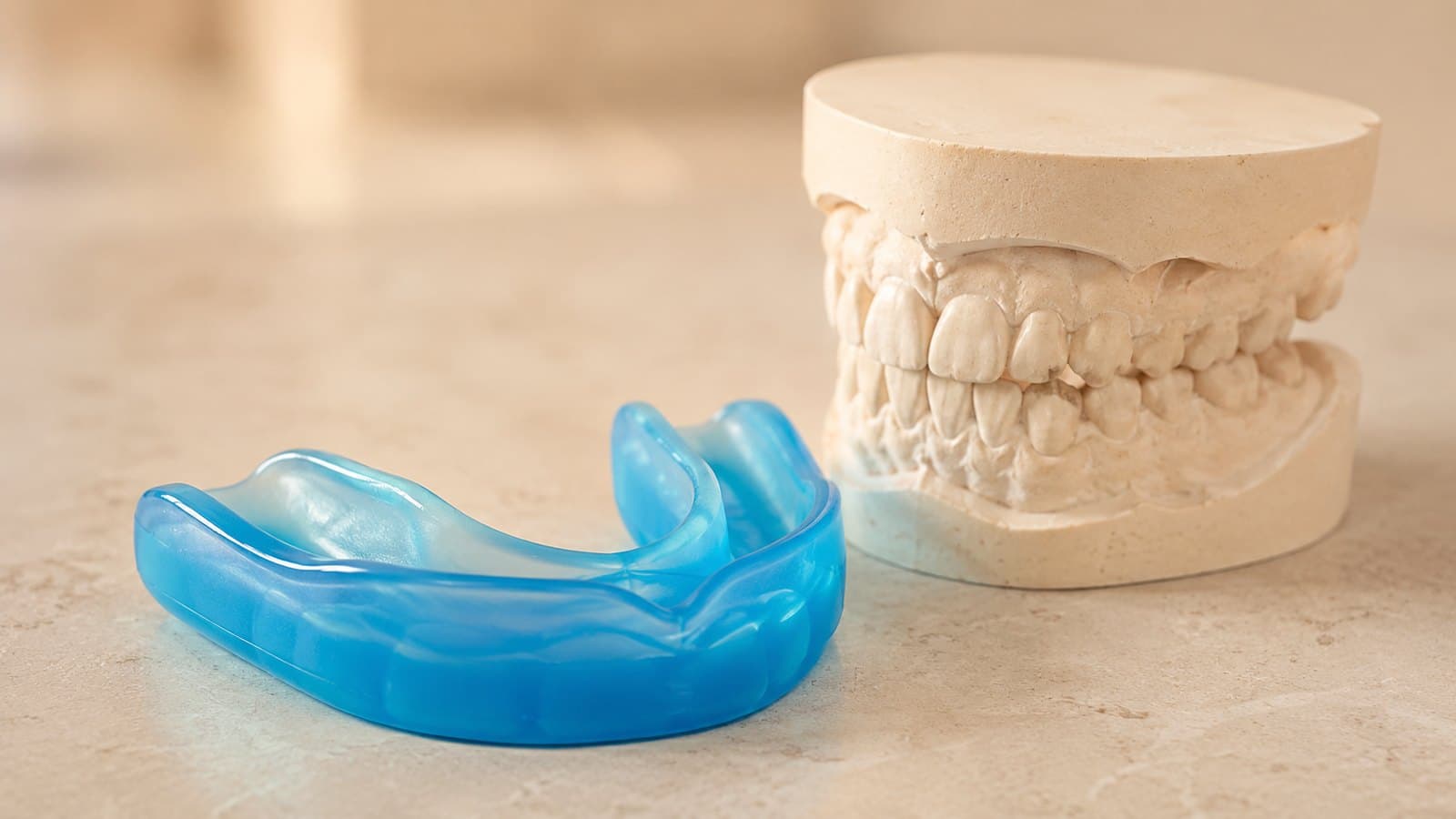
Patients first undergo a general consultation, followed by a clinical diagnosis. Comprehensive oral examinations, which may include X-rays, are then conducted to check for issues such as wounds left after tooth extraction or the presence of periodontal diseases. This entire consultation and examination phase assists the dentist in accurately determining the most suitable type of denture for the patient. Once the choice of denture is confirmed, the dentist uses a dental tray to take an initial impression of the patient's mouth. This is done to analyze the teeth and gum structure, ensuring that the gums can adequately handle the forces of chewing.
Step 2: Tooth Reshaping and Impression Creation

After the initial impression is taken, the process of creating the dental impression can begin. However, to ensure that the impression fits perfectly with the patient's oral cavity, there might be a need to reshape some of the natural teeth first. By refining the surface of certain teeth, it facilitates a stronger and more secure fit for the hooks at the back of the denture. Once the reshaping is completed, a dental tray is used for detailed impression analysis and creation.
Step 3: Testing the Denture Base Fit
Once the dental impression is completed, the dentist proceeds with a trial of the denture base. This involves assessing if the artificial denture base aligns well with the natural gumline and whether there's adequate adhesion with the soft tissues. This series of tests is vital to ensure that the patient can wear the denture comfortably, preventing potential discomfort or misalignment. If the fit of the denture isn't up to standard, it could significantly impact the wearer's oral health.
Step 4: Crafting the Wax Model and Arranging the Teeth
Following the impression tests, the dentist will construct a wax bite rim for both the upper and lower jaws. The patient then tries on a wax model of the denture, allowing the dentist to assess chewing and speaking functions repeatedly. This further clarifies the fit between the gums and the removable denture. For instance, by observing the bite of the wax model, the dentist can determine the appropriate vertical height of the occlusion.
Step 5: Fitting the Final Denture and Making Adjustments

In the final stages, the dentist oversees the creation of the removable denture using the actual, intended material, replacing the preliminary wax model. Fine-tuning will be done to match the patient's bite dynamics accurately. Additionally, the dentist will educate the patient on the proper maintenance and care of the new denture. It's not uncommon for individuals to feel some discomfort initially, as there's an adaptation period associated with new removable dentures. However, should this discomfort continue or become more severe, it's imperative to seek advice from the dentist.
Cost of Removable Dentures
While the cost of removable dentures is generally more affordable compared to other Routine cases can first be assessed by the general dental team at Home Dental Centre. Where clinical needs indicate further care in this area, Dr. Edward C.M. Tse (Specialist in Prosthodontics), Dr. Wilson Man (Dentist) and Dr. Sharon Chow (Dentist) at the centre provide the relevant treatment; the treating dentist is arranged according to clinical needs and the dentists on duty. Where a case involves more than one area of dentistry, dentists from different areas at the centre can jointly develop a combined treatment plan, without the patient needing a referral elsewhere. types of dentures, the pricing can vary significantly. The cost is influenced by factors such as the type of denture, whether it's for a single tooth or multiple teeth, partial or full-mouth dentures, and whether they are for the upper, lower, or both jaws. The overall cost might also include charges for oral examinations, consultation fees, X-ray imaging, and the creation of dental molds. However, each dental clinic might have its own set of charges for these services, so it's recommended to inquire directly with the respective clinic for specific pricing details.
What Factors Influence the Cost of Removable Dentures?
1. Dentist's Professional Expertise
The level of a dentist's clinical experience and credentials play a crucial role in determining the quality of service and, consequently, the price. Experienced dentists can offer patients a reassuring and comfortable treatment experience. Whether it's during initial diagnosis, consulting about denture selection, crafting the denture and its components, or addressing any discomfort post-fitting, they can provide accurate and professional treatment solutions.
2. Patient's Oral Condition
Naturally, the cost also depends on the patient's oral condition. A more challenging oral condition or severe gum issues can make denture fabrication more intricate. For instance, dentures made of resin material require proper alveolar bone support. If a patient suffers from periodontal disease or severe bone resorption, the installation of the denture can be more challenging
3. Materials Used for Dentures
There's a wide variety of materials available for dentures. The choice of material can influence the quality, appearance, and durability of the denture, and thus, its price. Here are some common denture materials and their relative costs:
Denture Materials and Pricing
| Denture Materials | Features and Pricing |
| Acrylic Denture |
|
| Titanium Alloy Dentures |
|
| Ceramic Dentures |
|
| Nano-zirconia Dentures |
|
Moreover, there are other unique materials such as composite resins and metal alloys, and their prices can vary as well. The final cost is determined based on the patient's specific needs, the condition of their teeth, and the dentist's pricing. Therefore, when choosing denture materials, it's recommended to have a detailed consultation and discussion with your dentist to understand the advantages and disadvantages of different materials as well as the price differences.
Why can two "dentures" be worlds apart?
Many people assume a removable denture is a simple device where quality barely differs. In reality, a denture that stays put and lets you eat is the product of a chain of precise steps: a thorough oral assessment (remaining teeth and gum condition, ridge shape, bite relationship), accurate impressions and bite records, staged try-ins and adjustments, appropriate materials and laboratory work, and follow-up with relining when needed. Cut corners at any step, and the result can be a denture that rocks, hurts daily and never lets you eat properly.
A caution: "impression-free", ready-made or online-purchase dentures are not made to your mouth. Fit and bite are unverified, and we do not recommend them — the long-term cost of wearing an ill-fitting denture usually far exceeds the money saved.
What problems can an ill-fitting, rocking denture cause?
An unstable denture is not just "uncomfortable" — common knock-on problems include:
- Pressure sores and ulcers: a rocking denture repeatedly traumatises the soft tissue, causing sore spots, inflammation and ulcers — so it hurts more and gets worn less.
- Decay of the clasp (abutment) teeth: poorly fitting edges trap food and plaque, and the natural teeth carrying the clasps suffer first — a higher risk where reduced hand dexterity makes meticulous cleaning difficult.
- Denture stomatitis: mucosa under a denture that is unclean or ill-fitting can become red and inflamed, an issue associated with candida infection.
- Incorrect bite: a poorly built occlusion can contribute to chewing-muscle and jaw-joint (TMJ) discomfort and facial pain.
- Accelerated ridge resorption: chronic uneven loading and friction are associated with faster loss of the supporting bone — and the less bone remains, the harder every future option becomes.
Most of these problems are largely avoidable with a properly assessed, precisely made and regularly reviewed denture.
Being honest: removable dentures have limits
Quality does not mean limitation-free, and you should know these before deciding: acrylic denture teeth wear down over the years; chewing efficiency is generally below natural teeth, bridges or implant solutions; there is an initial foreign-body feel and speech takes adjusting; and because the mouth changes over time, a denture typically needs relining or remaking after some years, with regular reviews in between. For a major gain in stability without major surgery, consider an implant overdenture — a middle option where a small number of implants anchor the denture firmly.
So is a quality denture worth the investment?
It deserves serious consideration. A custom-made, well-fitting denture generally still costs less than implant treatment, and the difference between it and a denture you merely tolerate shows up at every meal, every conversation. By contrast, the review visits for ulcers, the repairs to decayed clasp teeth, and eventual remakes are what genuinely make an ill-fitting denture expensive. After assessment the dentist explains the options and fees clearly, so you and your family can compare before deciding — and you can always message our team with questions. If you are choosing on behalf of an older family member, see also dentures, bridges or implants for seniors and senior dental care.
Wearing and cleaning tips for seniors
- Remove and rinse after meals; clean daily with a soft brush and denture cleansing tablets — never hot water.
- Take the denture out at night to let the tissue underneath rest.
- Where hand dexterity is limited, family members can help check regularly: is the denture loosening, are there pressure marks or red spots on the gums, is food collecting around the clasp teeth?
- If the denture loosens, hurts or causes sore spots — don't "wear through it" and don't grind it yourself; come back promptly for adjustment.
Want a proper fit assessment for yourself or a parent? WhatsApp us to enquire or book, or call 3956 9387.
Whether a full or partial denture suits you, and which material, is recommended by a dentist after examining your mouth. To see the fabrication process and the choices available, refer to our denture and dental bridge service.