Tooth Decay (Cavities): Causes, Treatment, and Prevention Guide
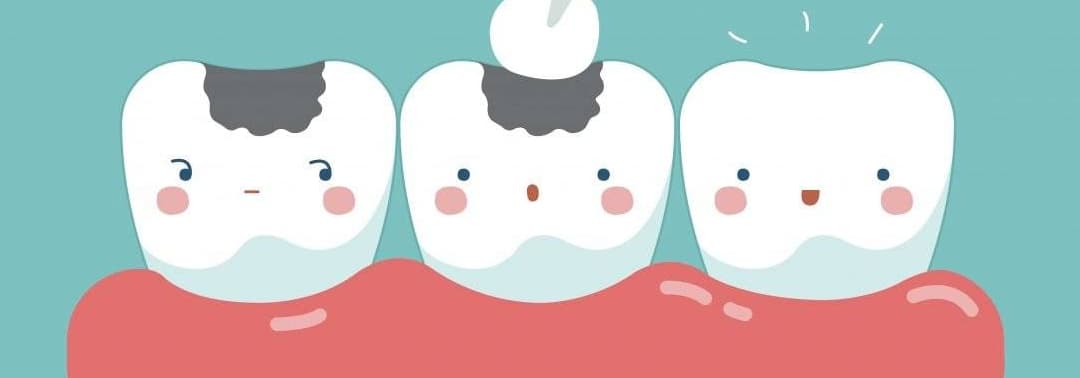
Tooth decay (dental caries) is one of the most common oral health problems worldwide. Many people believe that cavities only affect children or that if a tooth doesn’t hurt, it isn’t a serious issue. However, untreated cavities can progress to nerve damage, infection, and even tooth loss.
In Hong Kong, many individuals search for early-stage cavities, cavity symptoms, how long it takes for a cavity to reach the nerve, and cavity severity levels to better understand the different stages of tooth decay and their treatment options. Regular interdental brushing, teeth cleaning, and dental scaling can significantly reduce the risk of developing cavities.
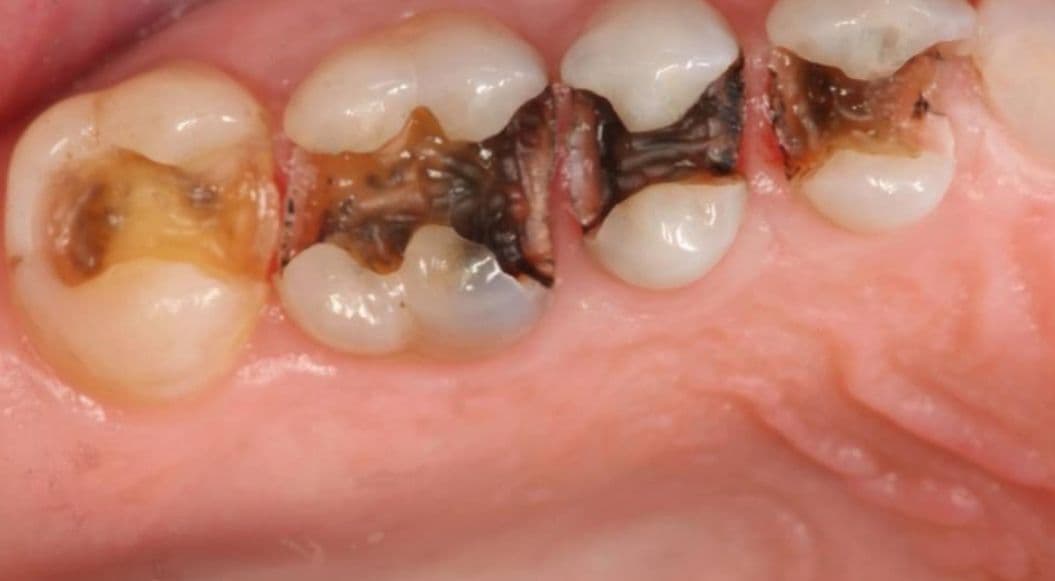
Causes of Tooth Decay
Tooth decay occurs when bacteria and sugars from food interact, leading to the gradual destruction of the tooth structure. The main causes include:
- 🦠 Bacterial Activity: The bacteria in the mouth (such as Streptococcus mutans) break down carbohydrates and sugars, producing acids that erode tooth enamel, leading to cavities.
- 🍬 High Sugar or Acidic Diet: Frequent consumption of sweets, sugary beverages, and acidic foods (such as soda) accelerates enamel demineralization, increasing cavity risk.
- 🪥 Inadequate Oral Hygiene: Poor brushing techniques and lack of flossing allow plaque and bacteria buildup, making it easier for acids to damage teeth.
- 💧 Dry Mouth (Low Saliva Production): Saliva helps neutralize acids in the mouth, but dry mouth (caused by medications or aging) can increase cavity susceptibility.
- ⏳ Lack of Regular Dental Check-ups: Many early-stage cavities do not cause noticeable symptoms. Without regular check-ups, cavities can progress to a more severe stage before they are detected.
Stages and Symptoms of Tooth Decay
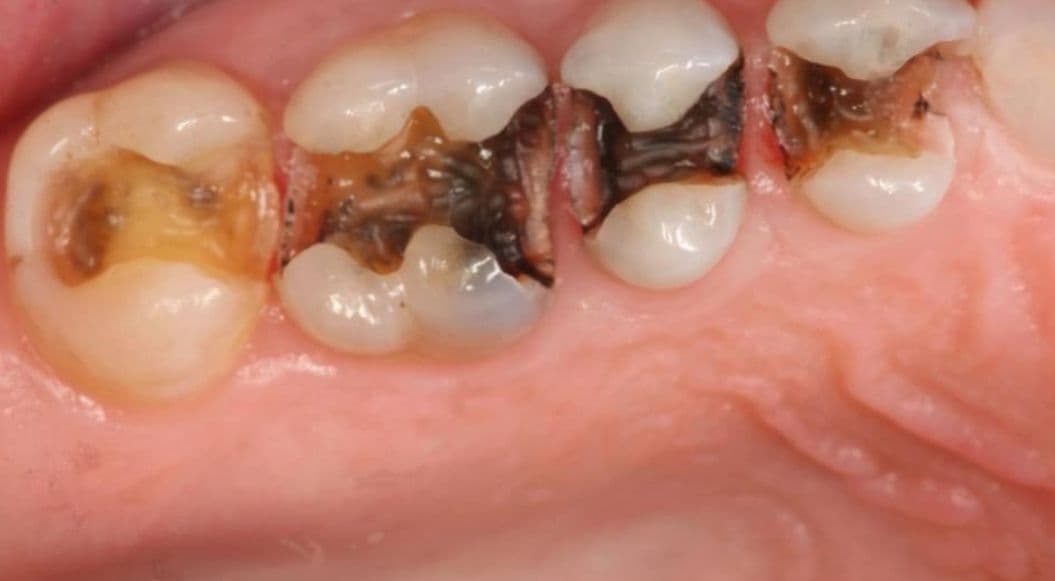
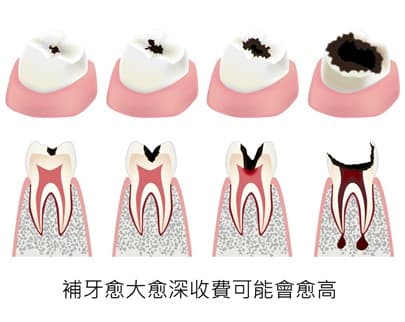
- 🦷 Early-Stage Cavity (Enamel Erosion): White spots or small discolorations appear on the tooth surface, but there is no pain yet.
- 🦷 Moderate Cavity (Dentin Involvement): Sensitivity to hot, cold, or sweet foods. Darker spots may be visible, and the tooth may start weakening.
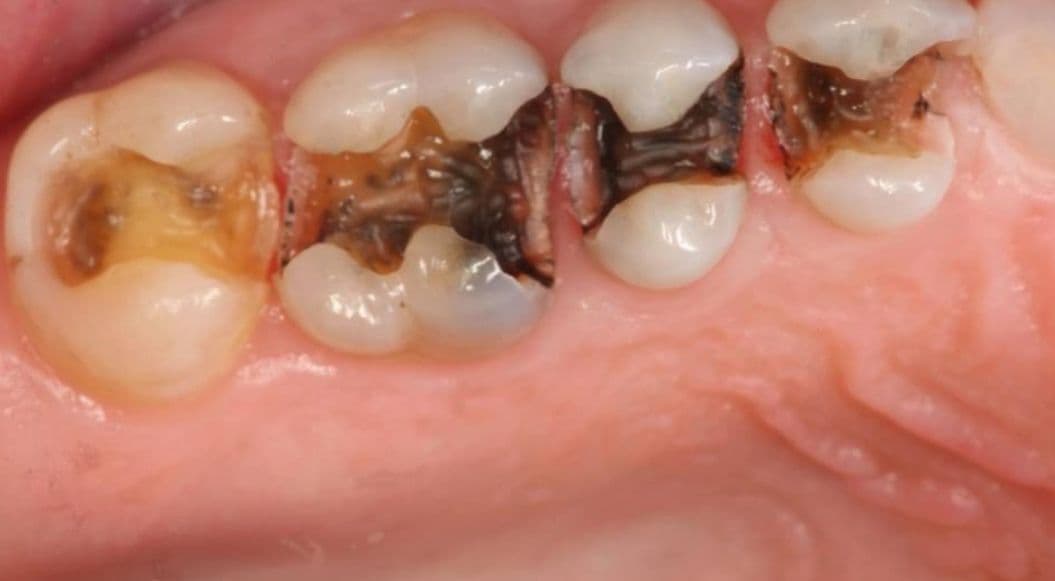
- 🦷 Deep Cavity (Pulp Involvement): Severe pain, especially at night or while eating. Infection or abscess formation may occur, with gum swelling and tooth discoloration.
- 🦷 Severe Cavity (Advanced Decay): Nerve damage may require root canal treatment or extraction. The infection can spread to nearby teeth and gums.
⚠ Since early-stage cavities are often symptomless, regular check-ups and professional cleanings are essential to prevent severe decay!
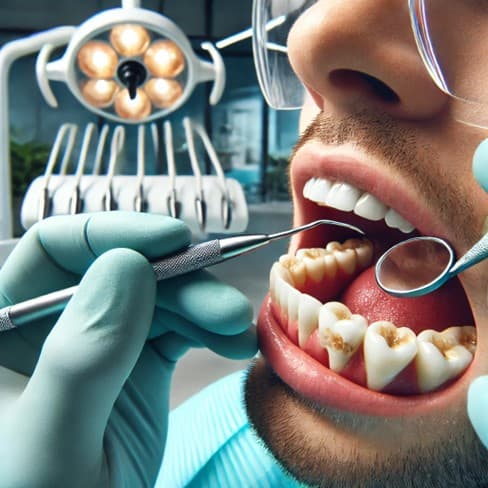
How Can a Dentist Treat Cavities?
Depending on the stage of decay, dentists offer various treatment options:
- 🔹 Early-Stage Cavity (No Pain Yet):
- ✅ Fluoride Treatment: Suitable for very early cavities, it helps remineralize enamel and stop cavity progression.
- ✅ Dental Fillings: If the cavity is small, the decayed portion is removed, and the tooth is restored with composite resin.
- 🔹 Moderate Cavity (Mild Sensitivity or Pain):
- ✅ Resin Fillings: Decayed areas are cleaned and filled to prevent further bacterial spread.
- ✅ Dental Crowns: If the damage is extensive, a crown may be recommended to protect the tooth.
- 🔹 Deep Cavity (Nerve Exposure):
- ⚠ Root Canal Treatment: If the decay reaches the nerve, the infected pulp is removed, and the root canal is sealed to prevent reinfection.
- 🔹 Severe Cavity (Tooth Cannot Be Saved):
- ⚠ Tooth Extraction: If the decay is too advanced to repair, the tooth may need to be removed. Options like dental implants, bridges, or dentures may be considered for restoration.
Common Myths
💡 Q1: If I have a black spot on my tooth but no pain, should I ignore it?
❌ No! Early cavities may not cause pain, but bacteria continue to erode the tooth structure. Early intervention with a filling prevents further damage.
💡 Q2: Are cavities only a concern for children?
❌ No! Adults and seniors are also at risk due to dietary habits, dry mouth, and plaque accumulation. Everyone should schedule regular check-ups and professional cleanings.
💡 Q3: Does brushing alone prevent cavities?
❌ No! Brushing removes only about 70% of plaque, while flossing and using interdental brushes help clean the hard-to-reach spaces between teeth.
💡 Q4: Can cavities heal on their own without treatment?
❌ No! Cavities cannot self-repair. If untreated, bacteria will continue damaging the tooth, leading to more serious dental problems.
How to Prevent Cavities Effectively
✔ Brush twice daily with fluoride toothpaste and use dental floss
✔ Reduce sugar intake and limit acidic food and beverages Routine cases are handled by the general dental team at Home Dental Centre, with appointments arranged according to the dentists on duty. If clinical assessment indicates another area of care, the centre will arrange a further assessment with the appropriate dentist, and dentists from different areas can jointly develop a combined treatment plan.
✔ Schedule professional dental cleanings (dental scaling, teeth cleaning) to remove plaque and tartar
✔ Visit your dentist every six months for early detection and treatment
📞 Book a dental consultation today with your trusted family dentist to prevent cavity progression and maintain optimal oral health!
Once decay affects tooth structure, the right treatment depends on how much is lost — see our restorative dentistry service, where the dentist explains the options after assessment.