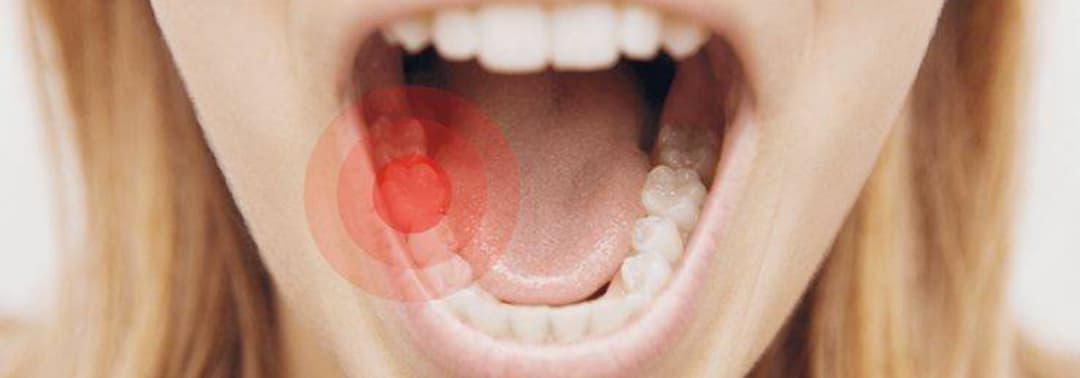
When a toothache strikes, it feels like time slows down, subjecting you to agonizing discomfort. Whether it's caused by a cavity, an infection, or tooth sensitivity, toothaches relentlessly disrupt your daily life. In those moments when you desperately seek relief, these quick pain relief methods will be your lifeline. This article delves into these methods, explaining why they work effectively. Whether you're eager to soothe the pain or simply looking to gather more information before considering professional treatment, these techniques will help you navigate the distress of a toothache. Let's explore these pathways to toothache relief together!
Why Do Toothaches Happen?
Toothaches can stem from various causes, primarily rooted in dental or oral health issues. Let's explore some common scenarios:
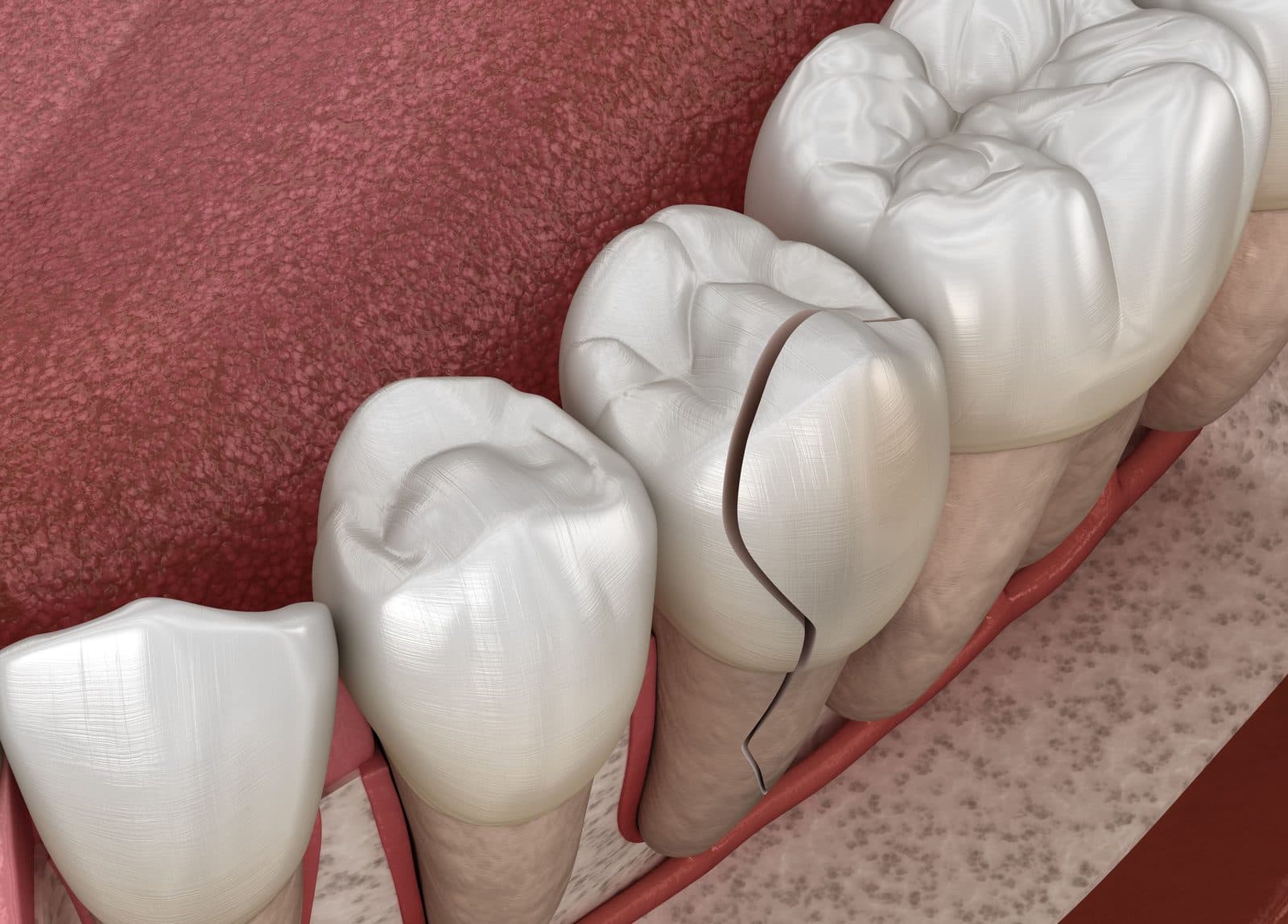
1. Cavities: Among the most prevalent reasons for toothaches are cavities. When bacteria on the tooth's surface produce acidic substances, they gradually wear away the enamel. If this erosion progresses deeper into the tooth, it can lead to infection in the dental pulp, resulting in intense toothaches. This discomfort often intensifies when consuming sugary, hot, or cold foods and drinks.
2. Sensitive Tooth:Another frequent culprit behind toothaches is tooth sensitivity. This typically arises due to damaged enamel or receding gums, which expose the nerves within the teeth. Consequently, the teeth become extremely sensitive to cold, heat, or temperature fluctuations, causing sharp, sudden pain.
3. Infections: Tooth or dental pulp infections can also cause severe pain. These infections may develop due to untreated cavities, tooth injuries, or complications arising from dental treatments. When bacteria infiltrate tooth tissues, especially the dental pulp, infections can spread, resulting in acute pain.
4. Periodontal Diseases: Toothaches can also be linked to periodontal diseases, including gingivitis and periodontitis. These conditions result from bacterial infections that harm gum tissue and the structures supporting the teeth, thus exacerbating oral health issues.
5. Bite Problems: Toothaches may also be triggered by improper tooth alignment or bite issues, often stemming from misaligned teeth or malocclusion.
6. Wisdom Teeth Issues: Abnormal growth of wisdom teeth can exert pressure on surrounding tissues, leading to sharp pain. This discomfort frequently accompanies the inflammation and pressure associated with the growth of wisdom teeth.
What Are Quick Ways to Relieve Toothache Pain?
When that searing pain of a toothache strikes, it becomes the center of your universe. It doesn't discriminate among causes, whether it's a pesky cavity, a bothersome infection, or nerve-wracking tooth sensitivity. Regardless of the trigger, your primary need is quick relief. Let's explore some fast-acting methods for toothache relief and unravel why these strategies are so effective. These measures work better once you know the underlying causes of sudden toothache, since not all respond to the same approach.
1. Warm Saltwater Rinse: This timeless remedy remains highly effective. Just blend half a teaspoon of regular salt into a glass of warm water, thoroughly mix it, and then use it to rinse your mouth. This simple solution helps diminish the bacterial population within your oral cavity while offering relief from inflammation and pain.
Why it works? Saltwater reduces the bacterial presence in your mouth, and the warmth provides soothing comfort. Additionally, it can ease inflammation in your oral tissues, further alleviating discomfort.
2. Over-the-Counter Pain Relievers: Non-prescription medications like ibuprofen or acetaminophen/paracetamol can deliver toothache relief. Just follow the dosage instructions on the packaging and heed your doctor's counsel. Before reaching for whatever is in the cupboard, which painkiller suits which kind of toothache is worth two minutes.
Why they work? These medications mitigate pain and tackle inflammation, critical factors in easing toothaches. They offer temporary respite until you can seek professional treatment.
3. Cold Compress: Wrap some ice cubes in a clean cloth or use an ice pack, then gently apply it to the painful area.
Why it works? Cold compresses reduce blood flow to the afflicted area, effectively reducing swelling and discomfort.

4. Brushing and Flossing: When dealing with a toothache possibly caused by food particles or bacteria, a gentle brush of your teeth and the use of dental floss might provide some relief.
Why it works? Toothaches can sometimes arise due to the accumulation of food remnants or bacterial activity on your teeth. By thoroughly cleaning your teeth and the spaces between them, you remove the root cause of the pain, thereby reducing discomfort.
5. Mouthwash with Sodium Benzoate: This type of mouthwash can be helpful in reducing oral inflammation, offering temporary pain relief.
Why it works? The effectiveness lies in sodium benzoate, which boasts antibacterial and anti-inflammatory properties. It reduces the number of bacteria in your oral cavity while soothing inflammation, subsequently alleviating the sensation of pain.
6. Toothache Relief Gel: Typically containing local anesthetics, this gel can be applied to the painful gums or teeth, delivering instant pain relief.
Why it works? Such local anesthetics can temporarily numb the nerves in the affected area, diminishing the pain sensation.
7. Rest and Stress Reduction: Stress and anxiety can amplify toothache discomfort. Trying relaxation techniques such as deep breathing or meditation can help ease the pain.
Why it works? Anxiety and stress can trigger the release of stress hormones, intensifying the perception of pain. By alleviating stress, you can reduce your sensitivity to toothaches and enhance overall comfort.
8. Avoiding Temperature Extremes: Consuming extremely hot or cold foods or smoking can worsen toothaches. Strive to steer clear of these triggers and opt for a milder diet.
Why it works? This approach aids in minimizing pain because you're no longer subjecting the affected or sensitive areas to extreme temperature fluctuations.
9. Avoid Excessive Chewing: Steering clear of excessive chewing can go a long way in easing toothaches, particularly when the pain stems from issues like cavities.
Why it works? Overzealous chewing can exert extra pressure on damaged teeth, making the pain or inflammation worse. Therefore, it's a sensible approach to temporarily reduce discomfort by refraining from excessive chewing or biting in affected areas.
10. Seek Timely Dental Care: If your toothache persists or worsens, seeking dental care promptly is essential. A dentist can pinpoint the root cause of the problem and provide the right treatment. This is the most effective way to ensure quick and lasting relief from pain while addressing the underlying issue. None of these measures work as well for toothache that worsens at night, which usually signals the pulp is already involved.
Why it works? Professional dentists can accurately diagnose the underlying cause of your toothache. Sometimes, toothaches can be symptoms of more severe oral issues, such as infections or dental abscesses. Dentists typically use examinations and X-rays to diagnose and then provide suitable treatments, often including pain relief measures. This can swiftly enhance your comfort and alleviate the toothache.
Regardless of the method you choose, don't underestimate the importance of oral health. Pain can be your oral cavity's way of signaling an underlying problem. When pain lingers or intensifies, seeking advice from a dental professional is crucial. This not only aids in diagnosing and resolving the root issue but also offers lasting comfort. Remember, quick pain relief methods offer temporary relief from symptoms, while professional dental treatment brings genuine improvement.
To maintain a healthy oral cavity, including regular dental check-ups is the best way to prevent toothaches. This helps ensure your teeth stay healthy and reduces the likelihood of future problems. Therefore, regardless of your chosen method, prioritize your oral health and keep that radiant smile. Therefore, no matter which method you choose, always focus on your oral health to keep that radiant smile.
The methods above only relieve pain temporarily — sudden toothache should be examined by a dentist as soon as possible so the cause can be treated. Same-day emergency slots are reserved at our Causeway Bay and Tsuen Wan clinics (Tsuen Wan is two MTR stops from Kowloon); on Hong Kong Island, our Causeway Bay dentist clinic is about two minutes on foot from Causeway Bay MTR Exit E and opens on Saturdays, Sundays and public holidays.
If the pain persists, your face swells or you develop a fever, do not wait. Home Dental offers same-day emergency dental appointments seven days a week in Causeway Bay and Tsuen Wan.