
How to choose medication to relieve toothache?
If you have a toothache but cannot see a dentist immediately, what can you do? Many people choose to take painkillers to temporarily relieve the pain. However, over-the-counter painkillers are still medications, and it's important to understand the active ingredients before deciding which one is most suitable for you. It's advisable to consult with your dentist first to make the safest and most effective choice. Timing your dose matters most with night-time toothache, when blood flow to the head increases as you lie flat.
How to choose the right pain reliever?
1. Ibuprofen:
The most common over-the-counter pain reliever used in dentistry is Ibuprofen, a nonsteroidal anti-inflammatory drug (NSAID). It is effective in relieving tooth pain because it can reduce inflammation, and most toothaches are associated with inflammation.
If you are taking medications such as Aspirin, ACE inhibitors, or anticoagulants, consult your doctor before using Ibuprofen. Prolonged use of Ibuprofen can irritate or damage the stomach, kidneys, and liver and may increase the risk of cardiovascular diseases.
2. Acetaminophen:
Acetaminophen is another common over-the-counter pain reliever used to treat tooth pain. Common brands include Tylenol. It is suitable for those who cannot take Ibuprofen. However, it is an analgesic without anti-inflammatory properties but has antipyretic effects. It is often used for children or adult patients with fever due to dental issues.
Long-term use of Acetaminophen or taking it with alcohol can lead to liver damage, so caution is advised.
3. Codeine:
Codeine has a powerful analgesic effect and is effective in relieving pain. However, as Codeine belongs to opioid analgesics, incorrect dosage may lead to drug poisoning, affecting the autonomic nervous system. Long-term use may lead to dependence and addiction, so it should be used with caution.
Low-dose Codeine-containing medications are generally available in pharmacies with registered pharmacists. Side effects may include drowsiness, dizziness, loss of appetite, and constipation. After taking it, one should avoid driving and operating machinery.
Dentists sometimes prescribe a combination of Codeine and Tylenol (Panadeine), especially in cases of severe pain or allergic reactions to other pain relievers.

Using pain relievers: What to be aware of?
1. Understand the medication's efficacy:
Before choosing an over-the-counter pain reliever, it's crucial to understand the different types of pain management and, more importantly, whether they are safe for you.
2. Be mindful of medication interactions:
If you have underlying or chronic conditions, taking certain pain relievers may lead to serious problems. Additionally, if you're taking any prescription medications, be aware of potential interactions between different drugs.
3. Consult before taking:
It's advisable to consult with your doctor, dentist, or pharmacist before taking any pain relievers.
4. Follow dosage recommendations:
Even though over-the-counter pain relievers are readily available, not following dosage recommendations may result in an overdose and lead to severe side effects. Therefore, adhering to the dosage recommendations on the label is equally important.
5. Avoid prolonged use:
Using pain relievers for an extended period without a doctor's approval may be detrimental to your health. Using pain relievers to alleviate pain is a temporary solution, and it's essential to see a dentist promptly to address the dental issue.
6. Do not place aspirin on teeth; swallow pain relievers as directed:
Some home remedies suggest placing aspirin directly on teeth to alleviate pain. This is incorrect! The acidity of the medication can further damage teeth and soft tissues, leading to chemical burns and oral ulcers.
Seeing a dentist to thoroughly address tooth pain:
While taking pain relievers may provide temporary relief, it is not a definitive solution. If you avoid seeking professional dental care, the dental issue may become more severe and pose higher risks. During a dental visit, X-rays may be taken, and a detailed examination of the teeth will be conducted. If cavities or other dental issues are observed, the dentist will provide a comprehensive treatment plan, which may include cavity removal, filling or crown placement, and possibly a prescription for pain relievers and antibiotics. Medication is only the stopgap; emergency relief for sudden toothache covers what else helps before you are seen.
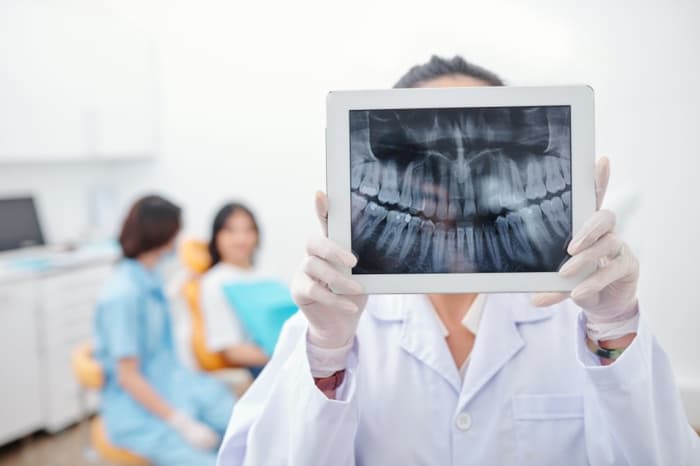
Not all toothaches are caused by cavities, but it's advisable to see a dentist promptly instead of hoping the issue resolves on its own. Even if the pain subsides after a few days, there may still be underlying problems that need attention. Painkillers do least for an inflamed tooth nerve, where pressure inside the tooth is generating the pain.
If you have any doubts or concerns, consult with your trusted family dentist.
If the pain continues despite medication, your face swells or you develop a fever, do not wait. Home Dental offers same-day emergency dentist appointments seven days a week in Causeway Bay and Tsuen Wan.