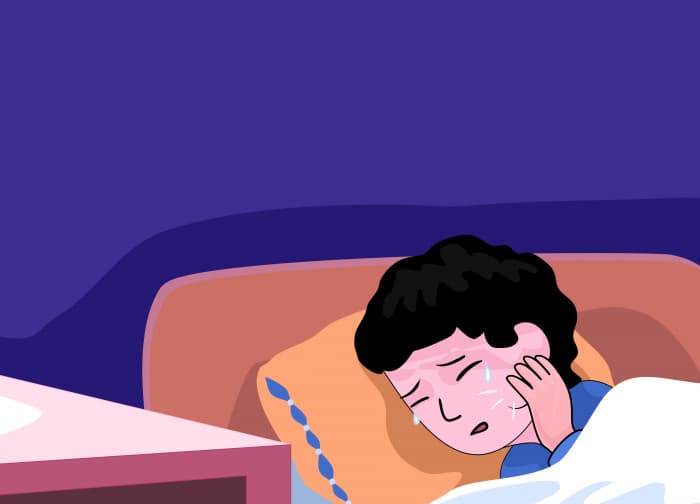
I believe that everyone has experienced the sudden pain of toothache – this kind of pain comes suddenly and at any time. In severe cases, it can significantly disrupt sleep quality and even hinder one's ability to focus on daily tasks. What should I do if my toothache becomes unbearable? Can painkillers provide relief for tooth pain? What are the proper methods to alleviate toothache? Home Dental is here to provide clarity, analyzing the common causes of sudden toothache and emergency pain relief techniques.
Why does sudden toothache occur? In-depth analysis of the five common underlying causes
1. Tooth Decay
The discomfort caused by tooth decay typically manifests as throbbing or sudden stabbing pain. Tooth decay can lead to the exposure of dentin, and if it progresses, it may even result in the exposure or infection of the nerve within the tooth pulp, making the entire tooth more sensitive to pain. Whenever consuming foods that are irritating or known to trigger sensitivity (such as sweet, sour, cold, or hot items), there is a possibility of stimulating the dentin tubules, thereby causing pain in the tooth pulp.
2. Wisdom Teeth
If there are irregularities in the growth of wisdom teeth, it can lead to pain due to conditions related to their growth, such as insufficient space, tooth decay caused by wisdom teeth, inflammation of the surrounding gums, and pericoronitis.
3. Tooth Sensitivity
The primary cause of tooth sensitivity is the exposure of dentin. When the outermost layer of enamel is erodes, the tooth loses its protective layer, exposing the dentin. Any direct external stimulation of the tooth triggers the nerve endings within the microscopic channels of the dentin, causing a sharp sensation for the patient.
4. Damaged Teeth or Fillings
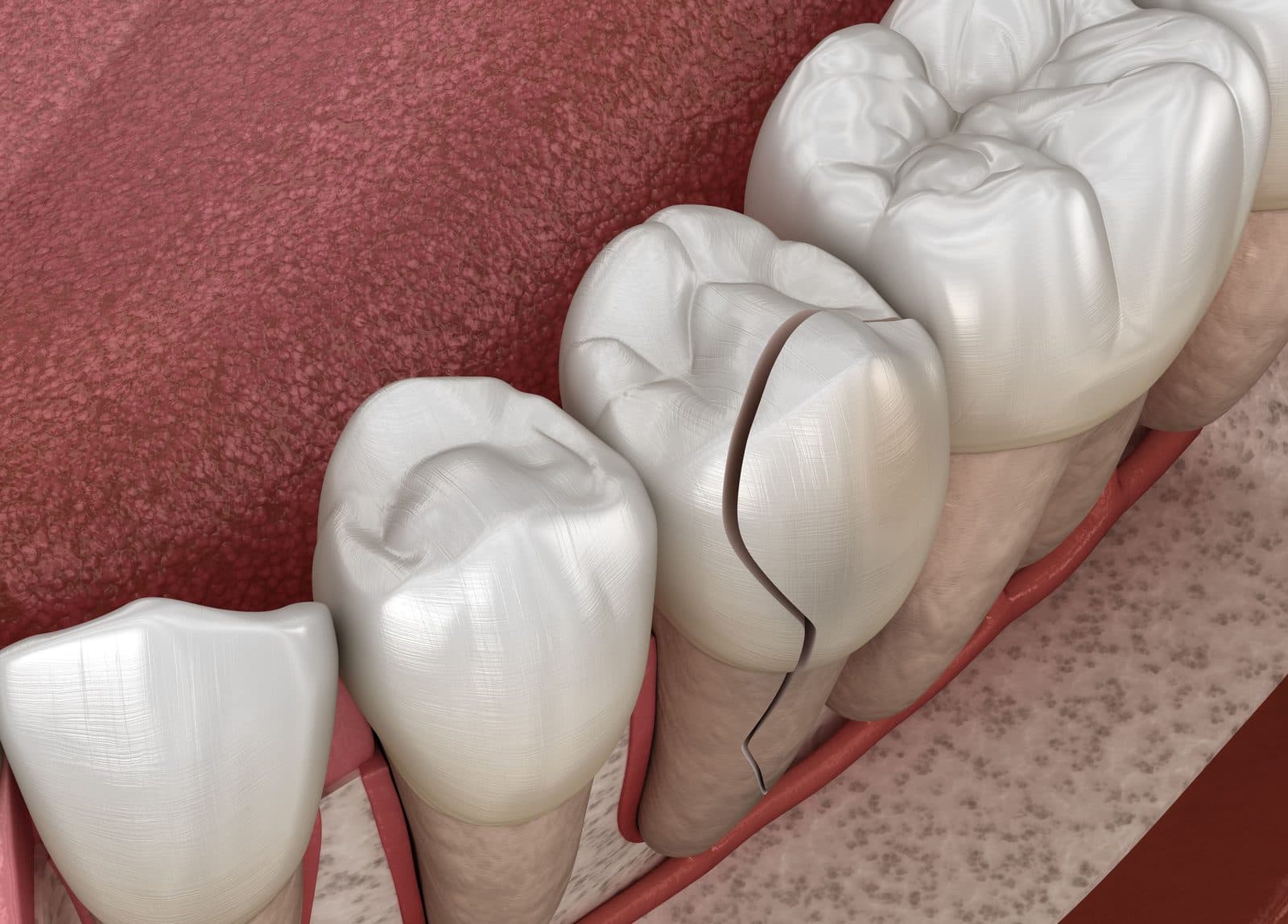
If you experience a toothache only when you chew, it could be due to a cracked tooth. If your tooth has been treated with a filling, it's also possible that a damaged filling is causing the sudden toothache. Generally, teeth can become damaged due to external injuries, prolonged chewing of hard foods, severe teeth grinding, and other factors. This can lead to highly irritating foods or drinks passing through the cracks and reaching the nerves, resulting in a toothache.
5. Inflammation Symptoms
If the tooth itself isn't the problem, it might be inflammation in surrounding areas such as the gums, which can lead to painful symptoms like trigeminal neuralgia, facial neuralgia, and so on. These types of pain symptoms are often complex and require an extended period to identify the underlying cause.
While you can make a preliminary assessment of the cause of your toothache, if you suddenly experience intense pain in your teeth, we recommend seeking prompt medical attention or visiting a clinic with dental emergency services to address the issue as early as possible.
How to differentiate sudden toothache symptoms? Three questions to identify causes
1. Is the pain only triggered during chewing?
If your toothache symptoms occur solely when biting but not when drinking cold or hot water, the pain may stem from tooth decay, damaged teeth, or fillings.
2. Will the pain be persistent?
If you experience ongoing toothache in your daily life, it might result from nerve stimulation. This could arise due to conditions like moderate to severe tooth decay. In moderate cases, the decay might have extended to the dentin layer. In more severe cases, the affected area could have reached the inner pulp of the tooth. Another potential cause of persistent pain is inflammation. If gum tissue remains inflamed and swollen, exerting pressure on the nerve, the pain could endure. Severe pain that arrives with no obvious trigger usually means the nerve inside the tooth is already inflamed.
3. Does the pain occur only upon stimulation?
Do you encounter intense pain while consuming sour, sweet, cold, or hot foods and beverages? In such instances, tooth sensitivity is more likely to be the cause of the painful sensation.

What to do when I experience sudden toothache? Learn six methods to relieve toothache
Toothache Relief Method 1: Taking painkillers
When faced with sudden toothache, many people opt for non-prescription medication (over-the-counter drugs) to temporarily alleviate the pain. However, not every painkiller is suitable for addressing toothache. Commonly used medications include ibuprofen, acetaminophen, codeine, etc. Nonetheless, relying on painkillers for long time is not a wise approach to pain relief. If you genuinely wish to resolve the issue of toothache, it's imperative to seek advice from a professional dentist at a dental clinic.
Toothache Relief Method 2: Mouth Rinsing
When experiencing noticeable toothache, brushing your teeth might potentially stimulate tooth nerves or gums that are already sensitive to pain. Hence, it's not advisable to use a toothbrush with hard bristles to further stimulate the teeth during a toothache. If you wish to alleviate the pain and are confident that the pain is related to tooth decay and inflammation symptoms, you can use warm salt water to remove food remnants from the oral cavity and provide initial anti-inflammatory effects. However, remember the following key points:
- Use lukewarm water, not hot or cold water, to prevent temperature sensitivity.
- Rinse with a concentrated salt water solution, and after rinsing, spit out the salt water; do not swallow it.
Toothache Relief Method 3: Removing Oral Foreign Objects
If you have tooth decay and the pain is caused by food being stuck in the affected area, removing the foreign object from your mouth can temporarily alleviate toothache.
Toothache Relief Method 4: Appropriate Ice Compress
Wrap ice cubes in a damp towel and gently press them onto the painful area. Apply cold compress for 15 to 20 minutes to alleviate the pain caused by redness and swelling, achieving pain relief effects. However, the following points should be noted:
- Do not apply cold compress for too long, as it may overly cool the red and swollen area, impeding blood circulation and leading to hardening of the affected area.
- Avoid direct contact between the ice cubes and the teeth or affected area, as it could trigger dental nerve pain due to temperature stimulation.
Toothache Relief Method 5: Avoid Hot Baths
Taking in hot baths raises body temperature and can increase blood flow, potentially intensifying pressure on the swollen area and intensifying nerve compression. Therefore, it's not advisable to take hot baths when experiencing inflammation or swollen gums. Instead, rinsing with warm water is a simple way to prevent worsening toothache.
Toothache Relief Method 6: Gentle Exercise
During exercise, the body naturally releases endorphins, which have pain-relieving effects. Engaging in mild exercise can temporarily alleviate toothache by increasing endorphin levels. However, if your toothache is due to gum redness or inflammation, it's advisable to avoid vigorous exercise. Activities like brisk walking are more suitable, as intense exercise could lead to overly rapid blood flow.
Don't hesitate to seek medical care
Toothache may not bring about a huge change in life at the initial stage, and it may disappear naturally after a while; but if the pain is severe and persistent, other symptoms such as fever or severe inflammation appear, and the problem is not addressed in time, it is possible to suffer from acute toothache. In mild cases, the pain will continue to aggravate, and bad breath, tooth infection and pus, insomnia and other problems will occur. In severe cases, the dental bone will be damaged, affecting the ability to eat and chew, the spread of oral diseases, and may even lead to septicemia. Therefore, the problem of toothache must not be ignored. If the condition does not improve, please seek medical advice in time, consult a professional, and prescribe the right medicine for the root cause of the problem, so as to completely solve the problem of toothache.
If the pain persists, your face swells or you develop a fever, do not wait. Home Dental offers same-day emergency dental appointments seven days a week in Causeway Bay and Tsuen Wan.