Can You Delay Treating Cavities? Consequences and Worst-Case Scenarios
Many people notice a black spot on their tooth or feel occasional sensitivity but choose to ignore it, assuming that as long as it doesn’t hurt, it’s not a problem. However, cavities continuously worsen over time. The longer you delay treatment, the higher the cost and risk. This article explores the consequences of postponing cavity treatment, potential complications, and when to seek urgent dental care to prevent severe oral health issues.
Can a Cavity Heal Itself?
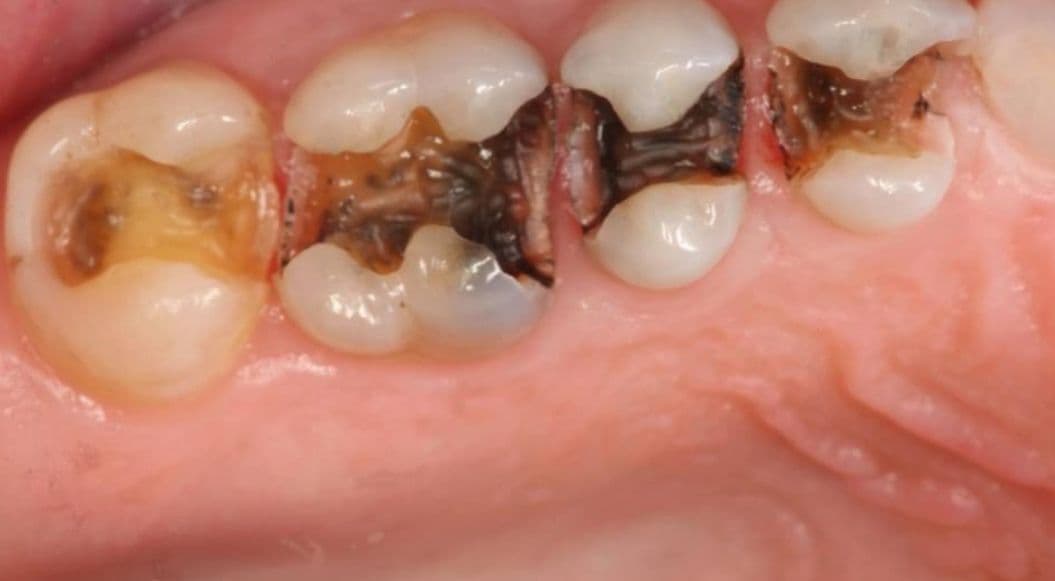
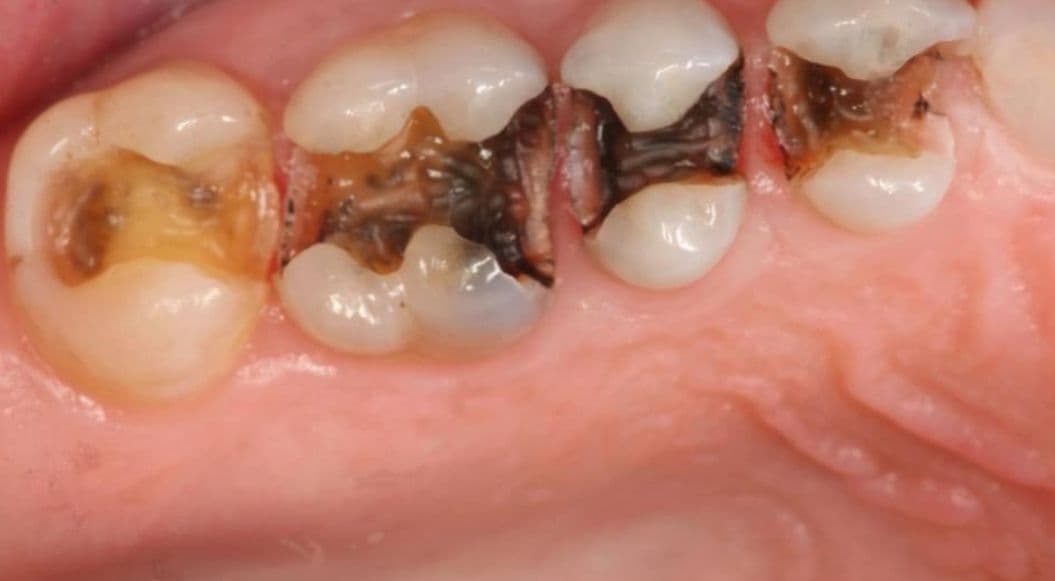
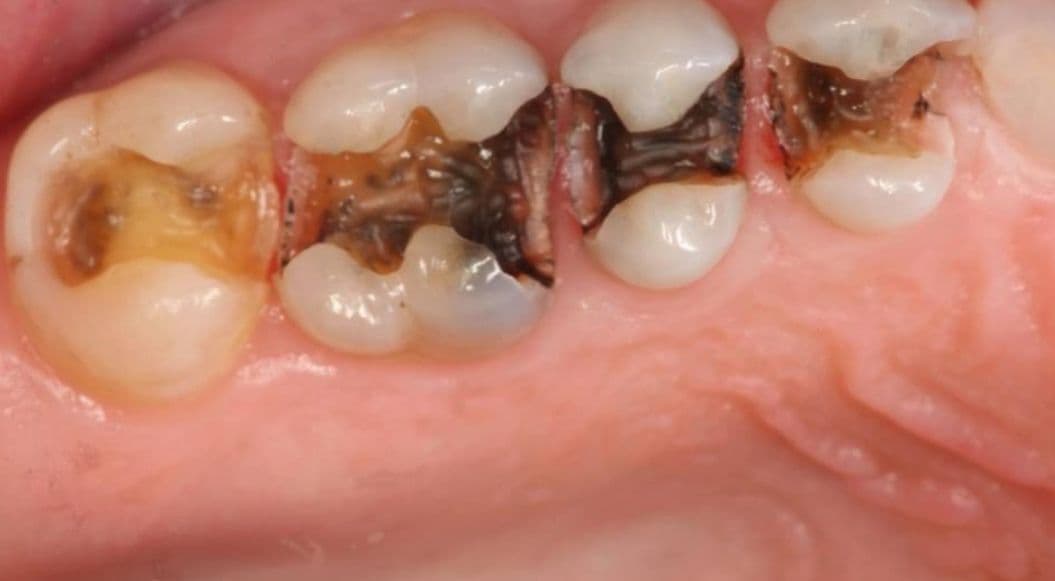
A common question people search for is "Can a cavity heal on its own?" or "What happens if I ignore a small cavity?" The truth is, cavities do not heal by themselves. Unlike skin or bone, teeth lack self-repair capabilities. Once the enamel is damaged, bacteria will continue to erode the dentin layer, eventually reaching the pulp, causing pain, infection, and potential tooth loss.
5 Major Consequences of Delaying Cavity Treatment
1️⃣ Cavities Progress Quickly and Can Spread
- Early-stage cavity: Enamel erosion with no pain
- Moderate cavity: Dentin damage with sensitivity to heat, cold, or sweets
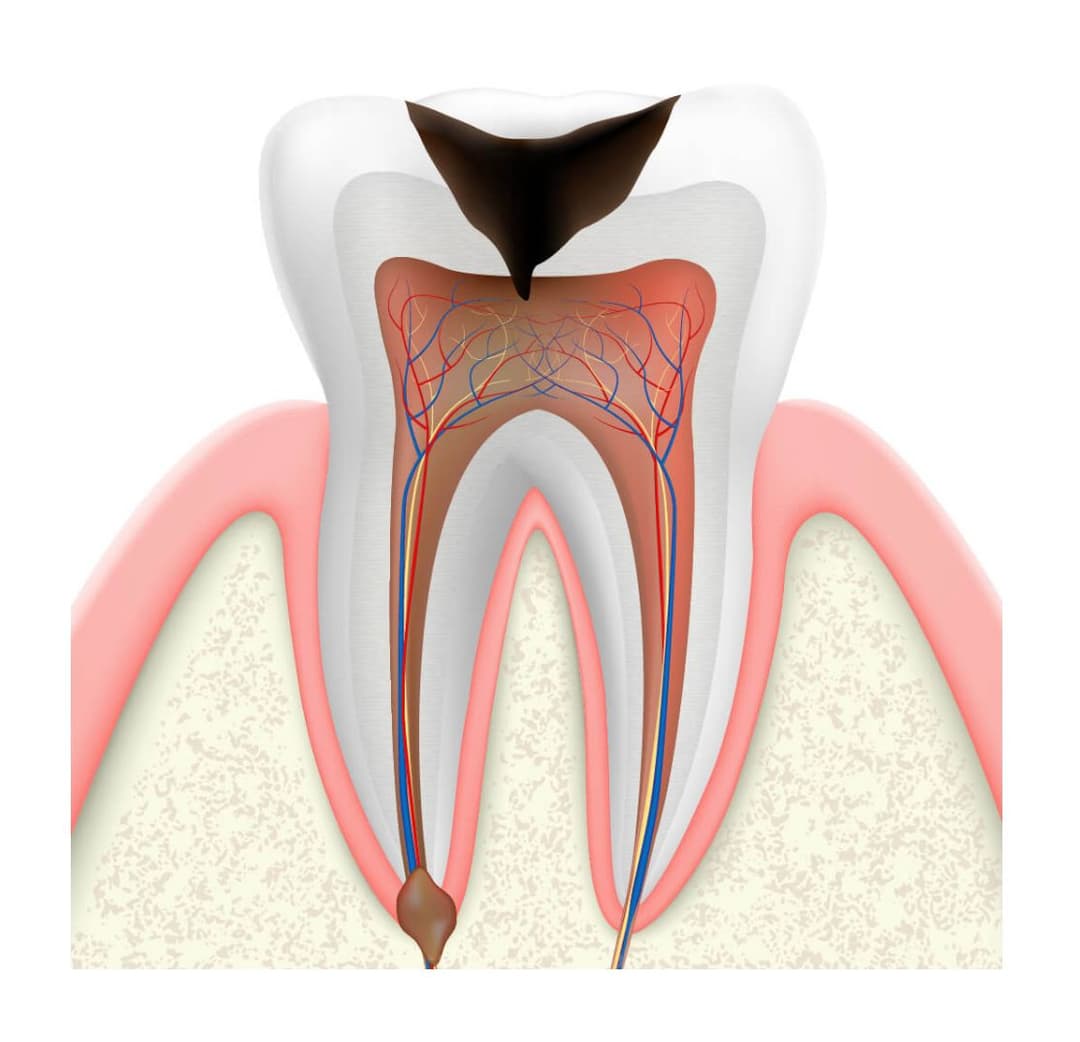
- Severe cavity: Pulp infection leading to intense pain, inflammation, or abscess formation
- Untreated cavities may require root canals or extractions
2️⃣ Bite Misalignment and Damage to Neighboring Teeth
- Delayed treatment weakens tooth structure, making it prone to fractures
- Uneven bite pressure can shift neighboring teeth, affecting overall oral health
3️⃣ Infection May Spread to the Pulp and Even the Entire Body
- Bacteria reaching the tooth pulp can cause pulpitis, resulting in severe toothaches
- Serious infections can spread through the bloodstream, increasing the risk of endocarditis or lung infections
4️⃣ Treatment Becomes More Expensive Over Time
- Early cavity filling: Low cost, quick procedure
- Root canal treatment: More expensive, requires multiple visits
- Tooth extraction and implants: High cost, longer recovery period, and impact on daily life
5️⃣ Appearance and Bad Breath Issues Impact Confidence
- Severe cavities can lead to tooth discoloration or breakage, affecting one’s smile
- Accumulated plaque and tartar contribute to chronic bad breath
Severe Complications from Delayed Treatment
🦠 Pulpitis and Dental Abscess: When a cavity reaches the pulp, it can lead to pulp necrosis, abscess formation, gum swelling, pus discharge, and even systemic infections.
⚠️ Worsening Gum Disease: Cavities and gum disease are closely linked. Untreated cavities allow bacteria to spread to the gums, increasing the risk of periodontitis, tooth loosening, and tooth loss.
🚨 Potential Heart and Vascular Risks: Studies suggest that serious oral infections may increase the risk of heart disease and strokes since bacteria from the mouth can enter the bloodstream and affect the cardiovascular system.
Cases: What Happens When You Delay Cavity Treatment?
📌 Case 1: A Simple Cavity Turns into a Root Canal Treatment
Mr. Wong, 35, noticed a small black spot on his tooth but ignored it. Six months later, he experienced occasional tooth sensitivity but assumed it wasn’t serious. A few months after that, he suffered severe pain, particularly at night. When he finally sought treatment, the dentist diagnosed pulp infection, requiring root canal treatment, which was significantly more costly and time-consuming than a simple filling.
📌 Case 2: Prolonged Toothache Leads to Tooth Extraction
Ms. Cheung, 50, had recurring tooth sensitivity for years but dismissed it as a minor issue. One day, she experienced unbearable pain and facial swelling. Upon examination, the dentist found that the tooth was severely infected and that bone loss had occurred, making root canal treatment impossible. She had to undergo tooth extraction and implant placement, which took months of recovery and came at a high cost.
When Is It Too Late to Ignore a Cavity?
Seek immediate dental care if you experience any of the following:
✔ Sensitivity to hot, cold, or sweet foods
✔ Pain while chewing or a feeling that your tooth is weakening
✔ Visible dark spots or cavities on teeth
✔ Swollen, bleeding gums, or pus discharge
✔ Tooth pain disrupting your sleep or daily activities
If you notice any of these signs, book a dental appointment immediately to prevent further complications!
How to Prevent Cavities from Worsening?
✔ Regular dental cleanings (teeth cleaning / dental scaling): Removes plaque and tartar to lower cavity risk
✔ Use interdental brushes and floss: Cleans hard-to-reach areas to prevent bacterial buildup
✔ Manage your diet: Reduce sugar and acidic food intake to protect enamel
✔ Fluoride application: Helps remineralize and strengthen teeth, especially for those prone to cavities
✔ Dental check-ups every six months: Even without symptoms, regular exams can detect early-stage decay
Conclusion: Should You Delay Treating Cavities? Absolutely Not!
Delaying cavity treatment only worsens the problem, leading to higher costs and more complex procedures. If you notice signs of cavities, seek professional dental advice immediately to maintain healthy teeth.
📞 Book a dental check-up with your trusted dentist today and stop cavities from getting worse!
The earlier a cavity is treated, the simpler and less costly the treatment. If you already have sensitivity to hot and cold or toothache, see our restorative dental services and book a check-up.