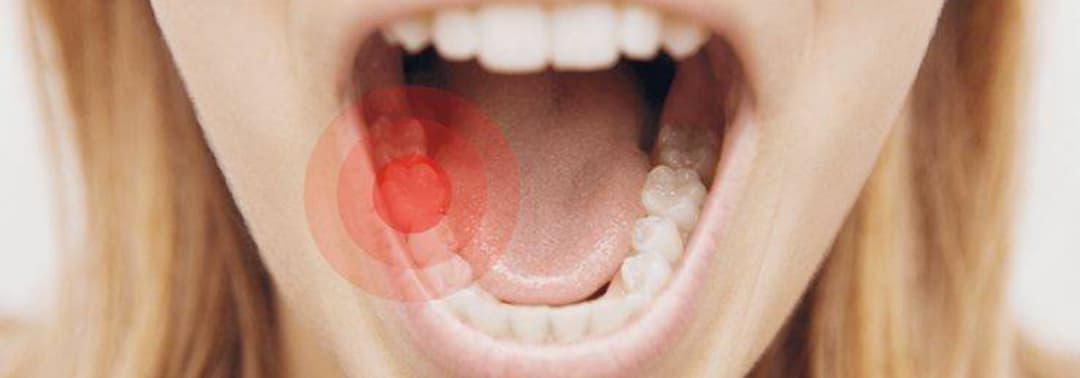
There's an old saying: "A toothache can feel worse than a major illness." Almost everyone has endured the discomfort of a toothache at some point. But did you know that aside from cavities, there are other causes for toothaches? Moreover, some people experience headaches when they have a toothache. What's the connection? Home Dental delves into the reasons behind toothaches. By understanding its primary causes, you can more effectively alleviate the discomfort and even expedite the resolution of dental issues!
An Overview of Top 10 Causes for Toothaches
| Causes of Toothache | Methods to Relieve Toothache |
| Accumulation of food residues and debris between teeth | Clean between teeth using dental cleaning tools after eating to remove foreign objects. Common tools: Dental floss, mouthwash, etc. |
| Cracked or damaged teeth | Avoid brushing with high abrasive toothpastes. Avoid frequently consuming overly hard or acidic foods. Wait at least half an hour after consuming acidic foods or drinks before brushing. Regularly relieve stress. Consult a dentist. |
| Wisdom tooth pain | Seek help from a professional dentist for a detailed diagnosis and treatment of wisdom teeth. |
| Sensitive teeth | Brush with a soft-bristled toothbrush. Treat teeth gently, avoid brushing too hard. Use milder toothpaste. |
| Teeth whitening | Brush with anti-sensitivity toothpaste before and after teeth whitening. Reduce the intensity of teeth whitening. |
| Brushing too hard | Brush with a correct and gentle technique. |
| Periodontal Disease | Consult a periodontist for advice and seek early treatment. |
| Having dental treatments such as fillings or drilling | Consult the attending dentist. If necessary, the dentist will carry out follow-up treatments. |
| Cavities (Tooth decay) | Rinse with warm water. Use an alcohol-free mouthwash. Apply cold compress. |
| Trigeminal neuralgia | Consult a dentist to check the condition of the teeth before making a diagnosis. If suspected of having trigeminal neuralgia, seek help from a neurologist promptly. |
Cause of Toothache #1: Food particles and debris accumulated between teeth
Toothache Condition
Under normal circumstances, food particles and debris don't easily get lodged between teeth. However, when individuals experience dental or oral issues (such as gum recession, tooth wear, wisdom tooth growth, or missing teeth), this situation becomes increasingly frequent. Larger food particles and debris can exert pressure on the teeth, and in more severe cases, cause pain.
Toothache Relief Methods
After eating, it's essential to thoroughly clean between the teeth and even the entire mouth. There are many convenient dental cleaning tools available on the market, including portable dental floss, floss picks, toothpicks, and mouthwash. After proper cleaning, the discomfort usually subsides, and one no longer feels the pain.
Cause of Toothache #2: Cracked or Damaged Teeth
Toothache Condition
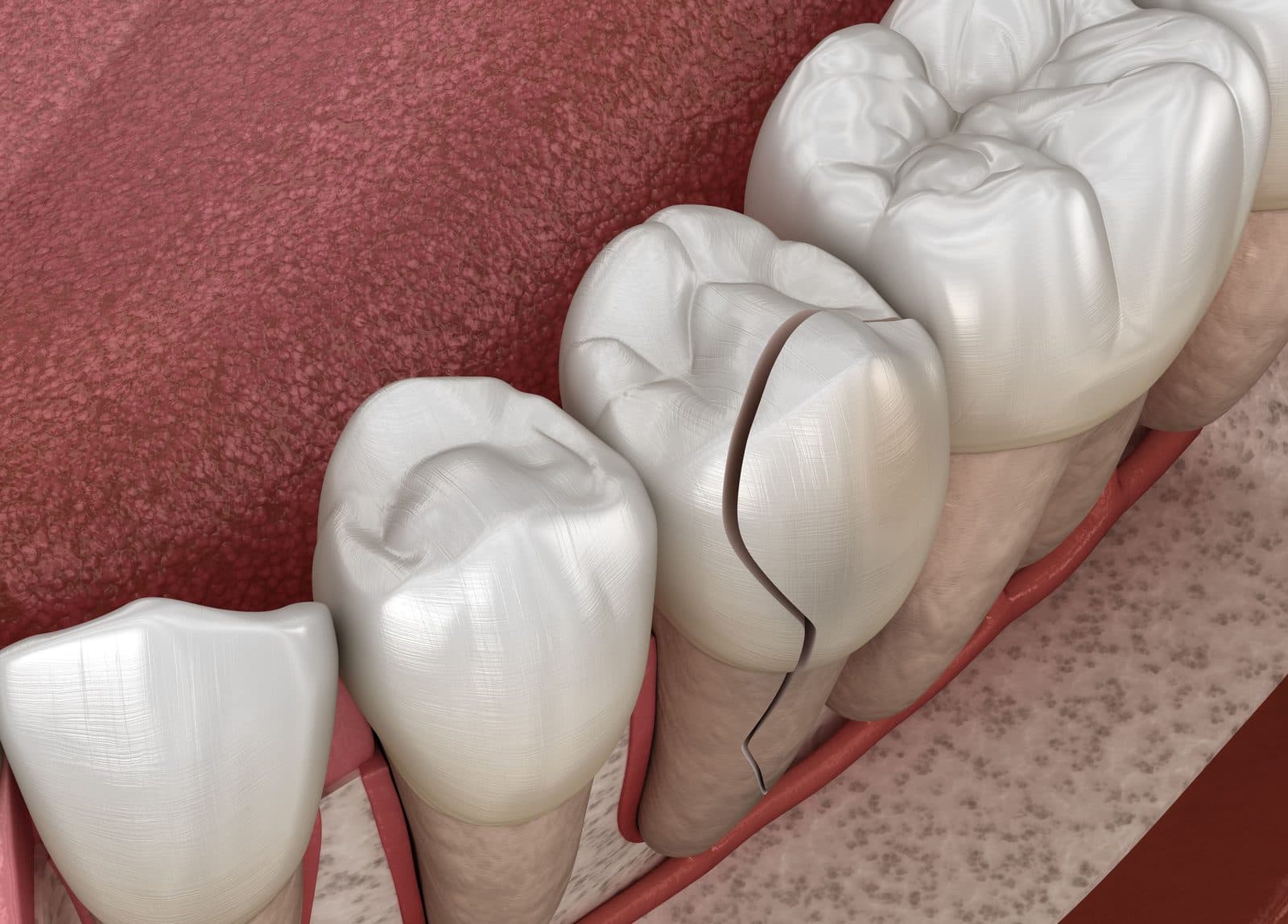
In the early stages of cracked or damaged teeth, one might experience symptoms such as a feeling of softness in the tooth, teeth getting shorter, and being more susceptible to chipping. These conditions are typically caused by excessive force on the teeth or by chronic erosion.
Excessive force can come from long-term consumption of overly hard foods (like hard candies or ice cubes) or from deliberately biting hard objects (such as crab shells or packaging). Chronic erosion, on the other hand, might result from prolonged consumption of highly acidic foods (like prunes, lemons, and grapefruits) and beverages (like sodas, red wine, white wine, and fruit vinegar). Less commonly, external forces causing cracked or damaged teeth might originate from accidental injuries, biting down on something hard, teeth grinding, or frequently clenching one's teeth.
Toothache Relief Methods
You can choose toothache relief methods based on the cause of your cracked or damaged teeth. If the problem arises from external forces, one should avoid eating overly hard foods and find appropriate ways to relieve stress. If the issue is due to chronic erosion, you should avoid using highly abrasive toothpaste, refrain from frequently eating acidic foods, and avoid brushing your teeth within half an hour after consuming highly acidic foods or drinks.
To prevent toothaches due to cracked or damaged teeth, regular dental check-ups are advised. If the situation is more severe, it's crucial to consult with a professional dentist and undergo necessary dental repairs.
Cause of Toothache #3: Pain Due to Wisdom Tooth Growth
Toothache Condition
During the emergence of wisdom teeth, due to limited space in the mouth and the angle of wisdom tooth growth, there's often an increase in oral pressure, typically accompanied by a swelling and painful sensation. If teeth are closely packed, the emerging wisdom tooth might press against the already grown teeth, intensifying the pain symptoms.
Moreover, if wisdom tooth issues aren't addressed in a timely manner, they could push against adjacent teeth, trapping food residues, or even lead to further cavities due to inadequate cleaning, exacerbating the pain.
Toothache Relief Methods
Dealing with wisdom tooth issues is not easy. When experiencing pain from wisdom teeth, the best approach is to seek help from a professional dentist. After a detailed diagnosis of the wisdom tooth, it's ideal to remove it with minimal trauma and in the shortest time possible, addressing the root of the problem.
Cause of Toothache #4: Sensitive Teeth
Toothache Condition
Sensitive teeth are not uncommon. They generally occur due to the erosion of tooth enamel, weakening the protective function of the teeth. This makes the teeth more susceptible to external stimuli, resulting in pain. Common triggers include changes in temperature (cold or hot), vibrations, and chewing on hard objects.
Toothache Relief Methods
To alleviate sensitivity, you can use a soft-bristled toothbrush and treat your teeth gently when brushing. Avoid applying excessive force, and opt for toothpaste with milder ingredients. It's advisable to avoid toothpaste with high abrasiveness or those that have strong whitening properties
Cause of Toothache #5: Teeth Whitening
Toothache Condition
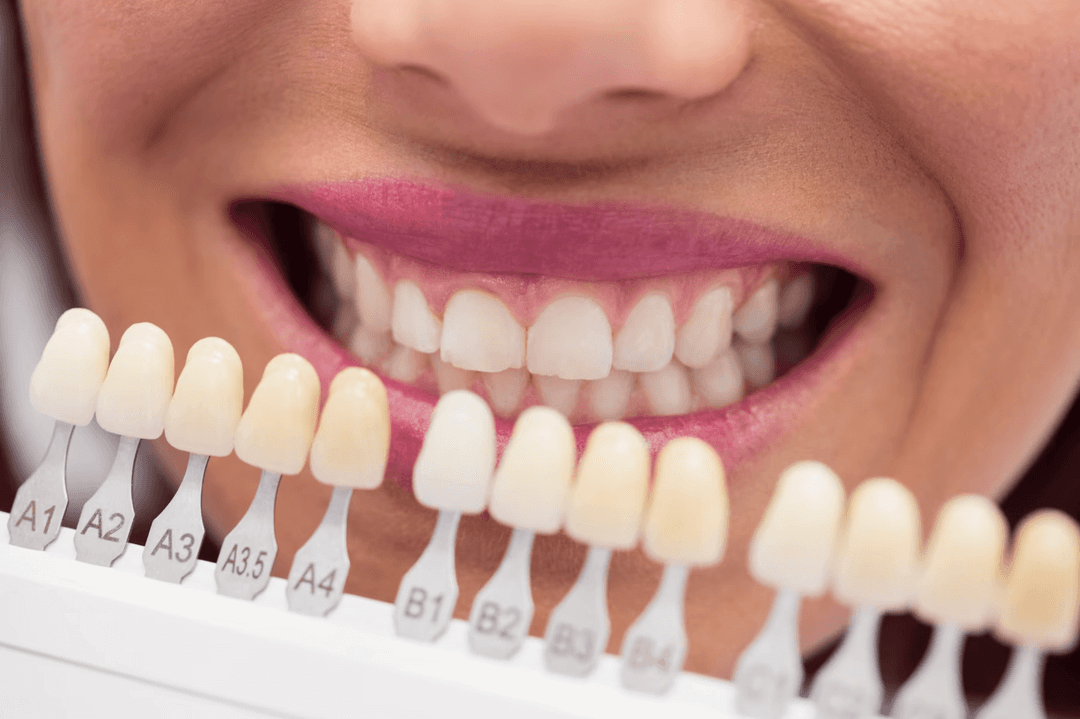
Using bleaching agents during the teeth whitening process is essential to break down the colored substances on the teeth, achieving a visually whiter effect. Although it can enhance the aesthetics, it might lead to the erosion of existing tooth structures. This can cause tooth softening, enamel damage, and tooth sensitivity, subsequently resulting in pain.
Toothache Relief Methods
Before and after undergoing teeth whitening, you can brush with anti-sensitivity toothpaste. Additionally, reducing the intensity of teeth whitening can effectively lower the risks associated with the procedure and decrease the chances of experiencing toothache symptoms.
Cause of Toothache #6: Brushing Too Hard
Toothache Condition
Brushing your teeth with excessive force can damage the tooth structure. In severe cases, it might even lead to gum recession. Not only can this cause gaps between teeth to widen, making it easier for food particles to accumulate, but it can also make the teeth more sensitive, leading to pain.
Toothache Relief Methods
Brush your teeth with a proper gentle motion. The bristles of the toothbrush should be angled towards the junction between the teeth and gums. When brushing the upper teeth, angle the bristles at 45-60 degrees upwards and use a back-and-forth motion. For the lower teeth, angle the bristles at the same degree but downwards. Brush in sections, focusing on two teeth at a time. During the process, keep in mind that there's no need to apply excessive force to achieve the desired cleaning effect.
Cause of Toothache #7: Periodontal Disease
Toothache Condition
Periodontal disease is a more severe cause of toothache. When tissues surrounding the teeth become infected by bacteria, structures such as the alveolar bone, gums, and periodontal ligament are damaged. This can lead to symptoms like pain, tooth mobility, and tooth loss.
Toothache Relief Methods
The gum recession caused by periodontal disease is often irreversible. If you suspect periodontal disease, it's crucial to consult a periodontal specialist as soon as possible for timely intervention and treatment.
Cause of Toothache #8: Dental Treatments like Fillings or Drilling
Toothache Condition
During dental procedures, it's inevitable that the tooth's tissue will be exposed to external stimuli. The process might also require the alteration or destruction of the original tooth structure. Sensitivity resulting from such dental treatments might persist for several weeks, and experiencing toothache during this period is considered a normal symptom.
Toothache Relief Methods
If you find the toothache symptoms too unbearable, you should consult the dentist who performed the procedure. A professional can determine whether the pain is within the expected range following the treatment. If necessary, the dentist may undertake follow-up treatments (for instance, adjusting the bite or applying topical fluoride).
This fully underscores the importance of finding a skilled dentist — a dentist with extensive experience can precisely conduct dental treatments, minimizing the impact on the tooth's tissue and surrounding areas. While ensuring the expected treatment outcomes, they can also minimize post-operative effects and shorten the procedure time. Not only does this offer patients a more comfortable treatment experience, but it also effectively reduces the risk of needing follow-up after the surgery. The aim is to address dental issues within a short time, preventing patients from continuously suffering from toothache problems.
Cause of Toothache #9: Cavities
Toothache Condition
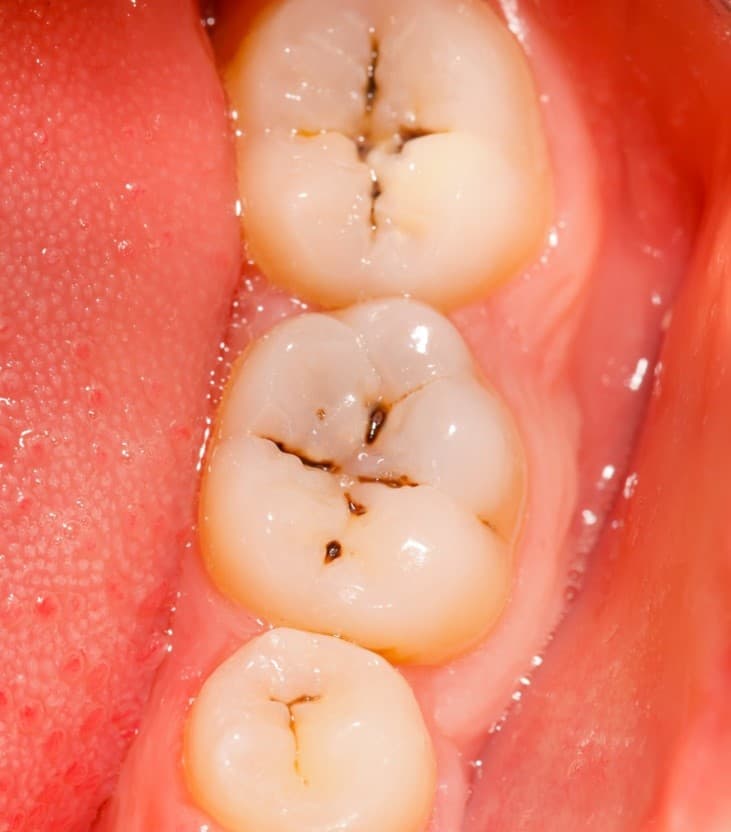
Cavities are among the most common causes of toothaches. For many, when they feel a toothache, the first reason that comes to mind is a cavity. When the cavity becomes severe, bacteria excessively invade the pulp, leading to inflammation. This results in excruciating pain that's hard to bear. Besides severely affecting sleep quality, it can also make it difficult for one to concentrate, significantly reducing work efficiency.
Toothache Relief Methods
Common toothache relief methods include rinsing with warm water, using non-alcoholic mouthwash, and applying cold compresses. To completely treat the cavity causing the toothache, one should consult a professional dentist. The treatment would be based on the severity of the cavity.
Cause of Toothache #10: Trigeminal Neuralgia
Toothache Condition
The trigeminal nerve is responsible for sensations in the face and oral cavity. Its symptoms are often mistaken for a toothache. In some cases, patients only realize it's trigeminal neuralgia after having several teeth extracted. Because many oral-related pain symptoms can lead the majority of patients to mistakenly believe they have a toothache, dentists might not recognize it immediately and prescribe the appropriate treatment. When seeking help from a dentist, one should pay attention to distinguishing methods and report symptoms accurately: typical trigeminal neuralgia is characterized by sharp, intermittent pain that lasts from a few seconds to several minutes, and painkillers are entirely ineffective. In contrast, toothache tends to be continuous.
Toothache Relief Methods
It's challenging for most people to determine on their own whether they have a toothache or trigeminal neuralgia. If the toothache is unbearable, it's essential to consult a dentist about the condition as soon as possible. After undergoing dental diagnosis, X-ray examinations, and other preliminary investigations, the cause of the toothache can be effectively determined. A dentist with extensive diagnostic experience can more accurately determine the tooth or oral issue causing the symptoms. If, unfortunately, one is diagnosed with trigeminal neuralgia, they can promptly identify the real culprit of the pain and then consult a neurologist to get the appropriate treatment and relief from the agony.
Why can toothache lead to a headache?

Toothache symptoms might be accompanied by headaches. Bacterial infections can cause headaches and migraines. If the nerve causing the toothache originates from the trigeminal nerve, the brain might misinterpret the location of the pain and perceive the headache symptoms as a toothache. Pain from rear teeth can easily radiate to the temple region, while pain from the front teeth is more likely to spread to the area below the eyes or to the sides of the nostrils. In severe cases, toothaches accompanied by headaches could be a precursor to cellulitis and should be addressed promptly.
Regardless, if you find the symptoms of a toothache persistent and unbearable, the best solution is often to consult a professional dentist. After a thorough examination, they can provide targeted dental treatment, eliminating the toothache and allowing you to reclaim a healthy life.
If toothache and headache persist together, an early examination helps identify the cause — see our same-day dental emergency service.