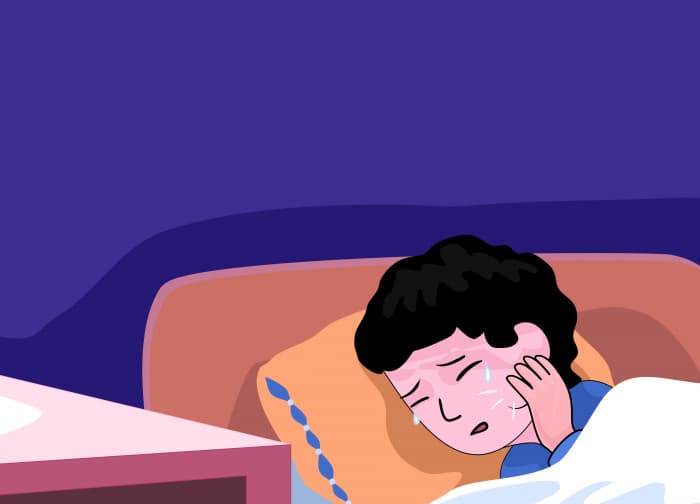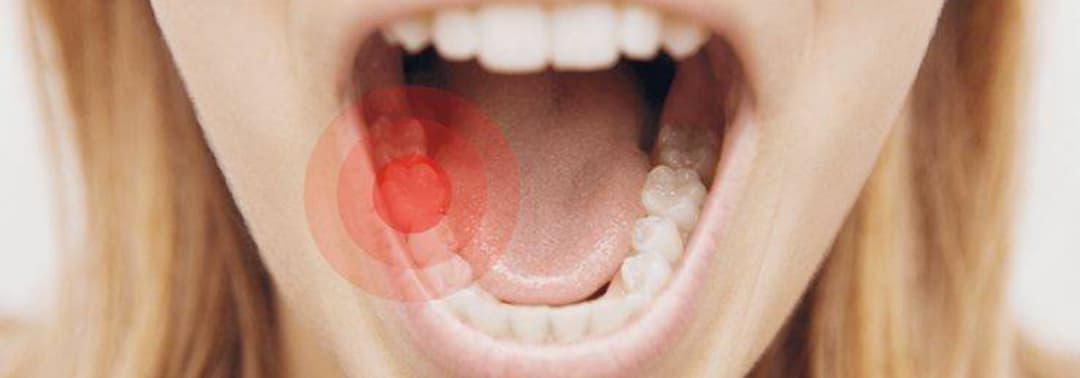
If you or your loved one has ever suffered from a toothache, you may still recall the painful experience of each night. As the saying goes, a toothache is worse than a serious illness. Toothache can happen at any time when a tooth is severely infected, but it is often more severe when you are quiet at night and become sleepy. This time let's explore why toothache can make you sleepless at night, and master some tips to relieve pain.
Why nighttime toothache is more painful?
1. Sleeping position increases blood flow: The main reason why toothaches are worse at night is related to the sleeping position. Lying down causes more blood to flow to the head, putting extra pressure on sensitive areas such as the mouth and inside the teeth, and also the direct pressure on the nerve lines of the teeth. During the day we mostly stand or sit, so it doesn't feel that much of a shock. When the ache is sharp, spontaneous and hard to pin to one tooth, tooth nerve pain rather than gum irritation is the likely source.
2. Less distraction: When people are quiet at night, fewer things distract the brain, making us more aware of how our body is feeling, so the subjective mind may think that the toothache is more serious, but in fact there is nothing resulting in more intense subjective pain sensations.
3. Unconscious teeth grinding: Some people grind their teeth unconsciously and unknowingly, putting a lot of pressure on the pasterns, teeth, and gums, causing such pain that can make you wake up from sleep. This condition can persist and may cause distress to those around you. This condition requires proper care and treatment.
How to relieve nighttime toothache?
The hateful thing about having a bad toothache at night is that you can't get a dentist appointment until the next morning the earliest. Fortunately, there are a few ways that can help temporarily relieve the pain. When the pain is under control, it will be easier for you to go back to sleep.
1. Avoid foods that can accelerate tooth decay before bed: Cold, acidic, or sugary foods can exacerbate any cavities that have already formed in your teeth, making them often more painful.
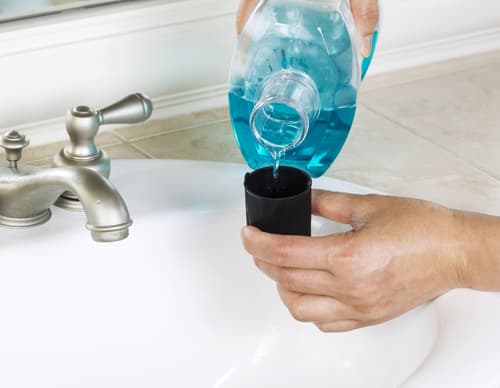
2. Rinse your mouth: After brushing your teeth, rinse your mouth with saline or antibacterial mouthwash. These materials contain antibacterial ingredients that help reduce inflammation caused by plaque and tooth decay.
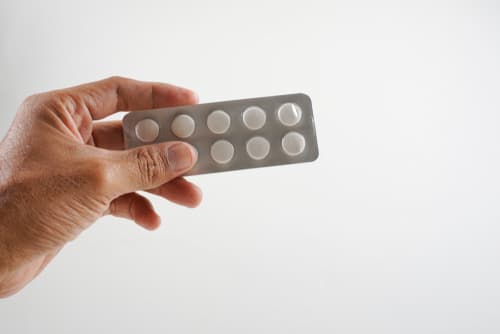
3. Take an over-the-counter pain reliever: For mild to moderate toothache, try taking an over-the-counter pain reliever such as paracetamol or ibuprofen, and follow the package directions for the recommended dose. In addition to pain relievers, numbing gels or ointments can be purchased at drugstores to temporarily relieve toothache discomfort. Note that everyone's body is different. When you have other physical conditions, such as drug sensitivity, kidney, liver function, etc. or take other drugs for a long time, it is recommended that you consult a doctor first.
4. Cold compress: You can try to apply an ice pack to the face. Use cold compresses to constrict blood vessels and temporarily numb the nerves in that area, which can help reduce pain.

5. Elevate the head when sleeping: Use a pillow to support the head to reduce the blood flow to the head when sleeping, relieve the pain and continue to sleep.

These tips will only help relieve the temporary pain relief, not long-term, nor will they cure any toothache. They may just help the toothache sufferers get through the painful night so that they can call the dentist immediately when they wake up in the morning, and completely solve the root cause of the toothache! Choosing the right pain relief matters more when the pain is keeping you awake and a dentist is hours away.
If you have any questions, please contact your trusted family dentist.
Pain that worsens at night often points to the pulp or an infection, so an early check helps — see our same-day dental emergency service.