Compiled by the clinical team at Home Dental Centre|Last updated: July 2026
Reader Notice
- This article provides general dental health information only and cannot replace a clinical diagnosis by a dentist.
- Whether a wisdom tooth should be removed — and how — always depends on an individual examination and X-ray assessment.
- If you have rapidly spreading facial swelling, difficulty breathing or swallowing, or persistent high fever, go to a hospital Accident & Emergency department immediately.
Introduction: what removal actually feels like
Few things about wisdom tooth removal worry people more than the parts nobody explains clearly beforehand: how much it really hurts, how bad the swelling gets, and how many days you genuinely need to plan around it.
This guide walks through the experience itself, day by day — realistic pain levels, when swelling peaks, what to eat while you heal, how much time off work or school to plan, and the clear red flags that mean you should call the clinic rather than wait it out. If you're still deciding whether your wisdom tooth needs to come out at all, or what it costs, those questions are covered in our companion guides, linked below.
Do all wisdom teeth need to come out?
Not always — a fully erupted tooth that bites normally and causes no problems can sometimes stay. If yours is impacted, painful or infected, our guide on whether impacted wisdom tooth surgery is really necessary walks through how that decision gets made. The rest of this guide picks up once removal is planned — what to expect, and how recovery goes.
The procedure, step by step
1. Consultation and X-ray assessment
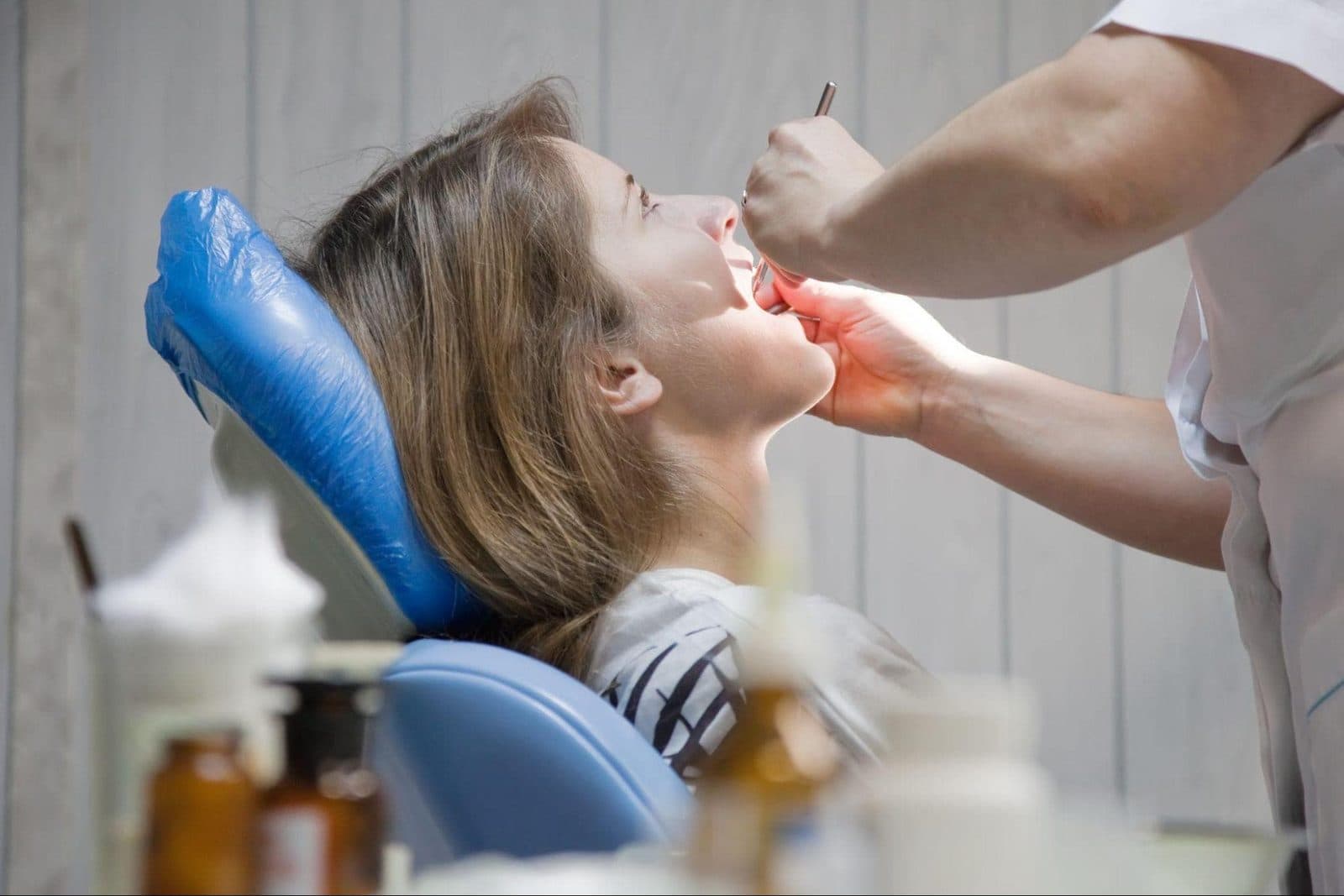
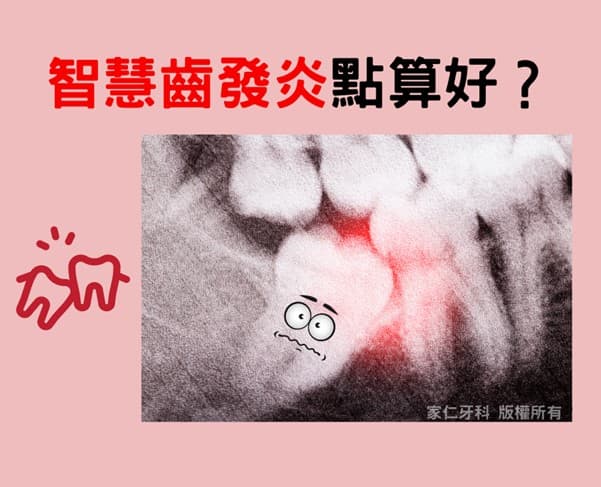
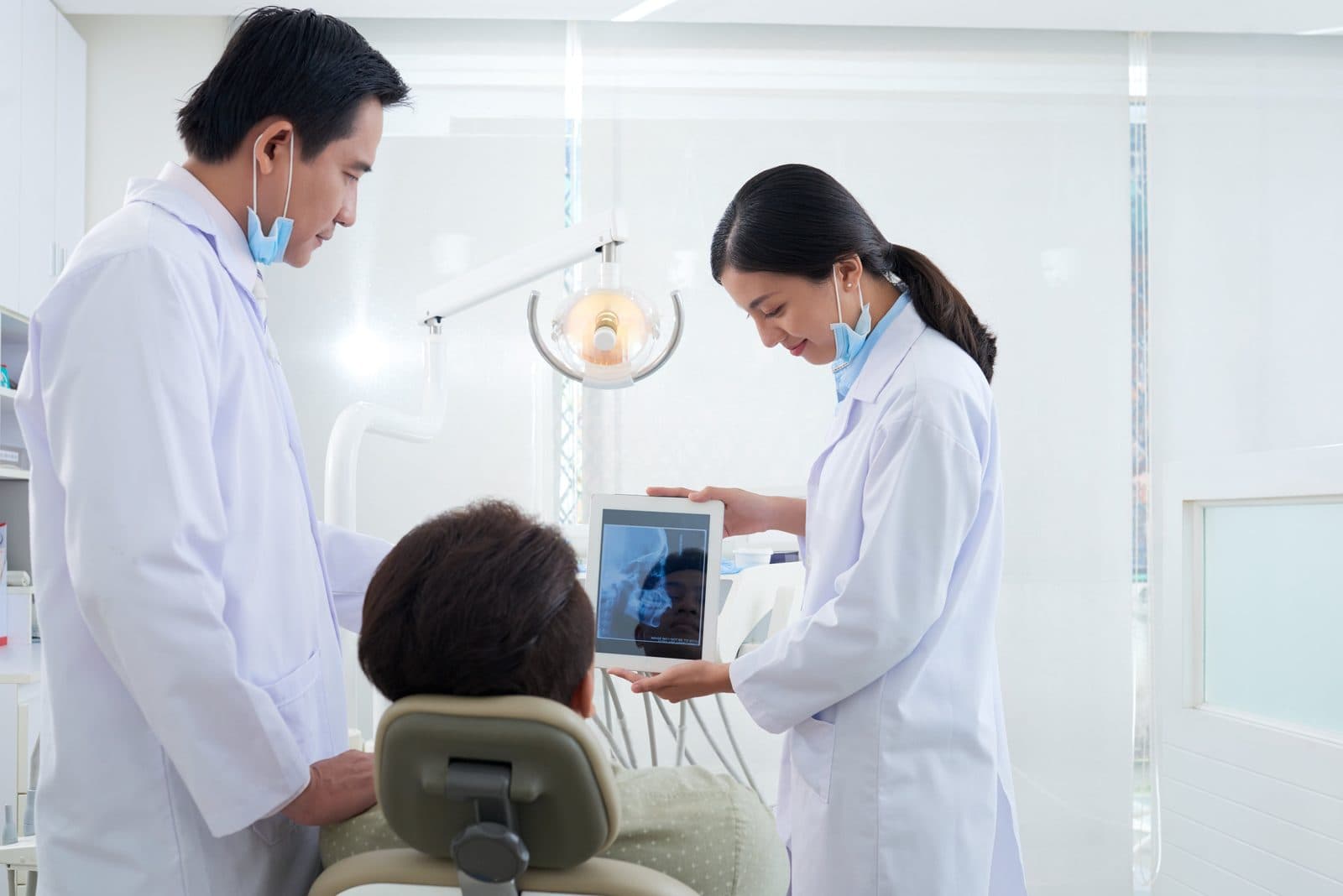
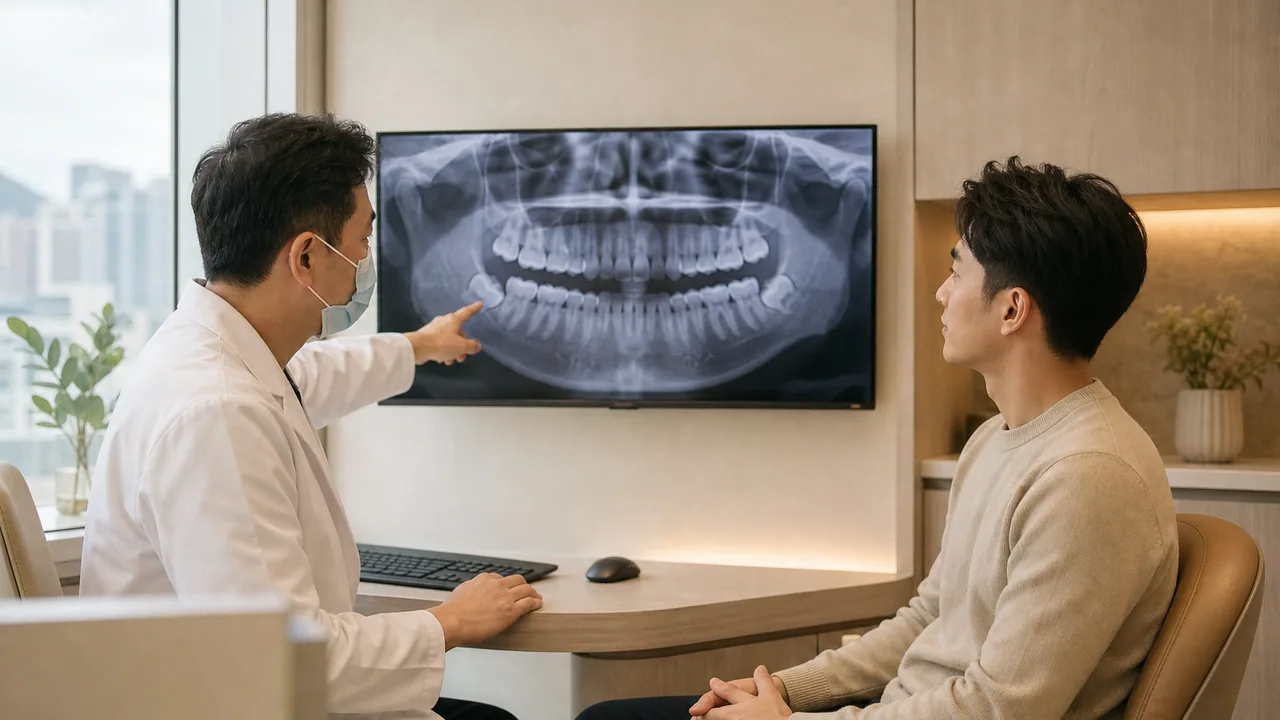
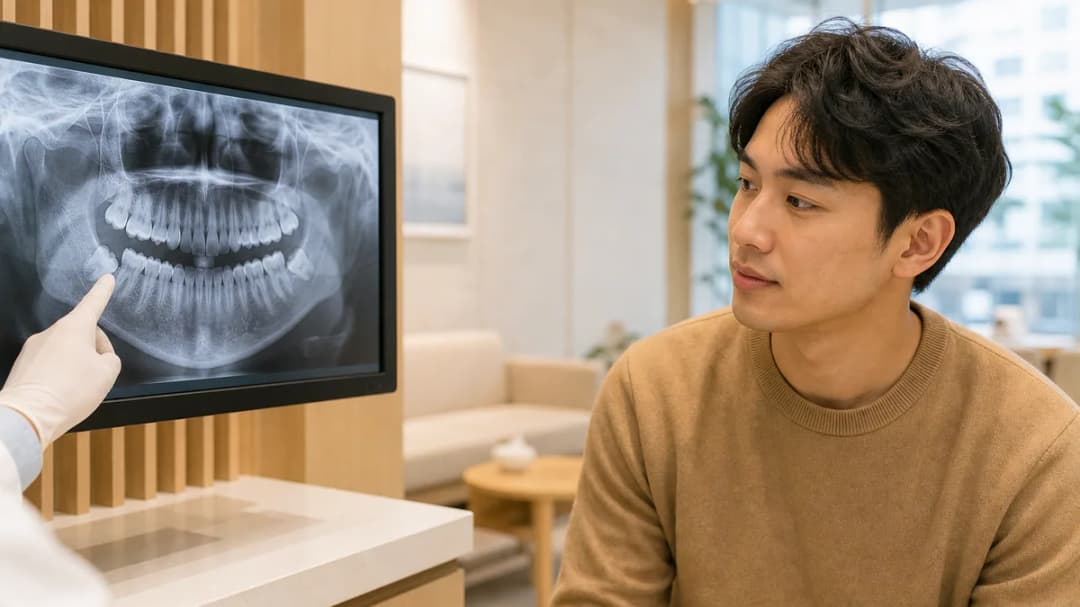
The dentist examines the tooth, takes a panoramic X-ray, and grades the difficulty: a fully erupted tooth may need only a straightforward extraction, while a deeply impacted lower tooth is a minor oral surgery procedure. This is also when anaesthetic options, risks and fees are explained — you should leave the consultation knowing exactly what is planned. See how our clinics handle wisdom teeth removal and how itemised fees are explained after assessment.
2. Anaesthesia
The vast majority of wisdom teeth in Hong Kong are removed under local anaesthetic in an ordinary dental chair — you are awake, but the area is completely numb. Patients who are very anxious, have strong gag reflexes, or are having several teeth removed in one visit can consider monitored dental sedation, where a trained team keeps you in a relaxed, sleep-like state while the dentist works.
3. Removing the tooth
For an erupted tooth, the dentist loosens it and lifts it out — often in minutes. For an impacted tooth, the gum is opened, a small amount of bone around the tooth may be removed, and the tooth is usually sectioned into pieces so it can come out through a small opening. You will feel pressure and vibration, but not pain. Where the roots wrap around the nerve, the dentist may instead recommend a coronectomy — removing the crown and deliberately leaving the roots — to protect the nerve.
4. Stitches and immediate aftercare
The site is cleaned and usually closed with stitches — most clinics use dissolvable ones that disappear within one to two weeks. You bite on gauze for about 30–45 minutes to let a blood clot form, and go home the same day with written aftercare instructions and pain relief. A straightforward extraction typically takes 15–30 minutes in the chair; a surgical impaction case commonly takes 30–60 minutes.
Does wisdom tooth removal hurt?
During the procedure: no. With adequate local anaesthetic you feel pushing and pressure, not pain — and if you feel anything sharp, tell the dentist and more anaesthetic is given.
Afterwards: manageable, and very predictable. The ache begins as the anaesthetic wears off (2–4 hours later), and swelling typically peaks around 48–72 hours before subsiding. Most patients describe the discomfort as far less dramatic than they feared, and control it well with the painkillers the dentist prescribes. Pain that suddenly worsens on day 3–5 after initially improving is the classic sign of a dry socket — uncommon, but worth a prompt review appointment (see FAQ below).
Recovery: a realistic day-by-day timeline
| Stage | What to expect |
|---|---|
| Day 0 (procedure day) | Numbness for a few hours as the anaesthetic wears off; slight oozing is normal. Rest, use a cold compress in short intervals, eat soft and cool foods. No rinsing, spitting, straws, alcohol or smoking. |
| Day 1 | The ache is usually most noticeable today. Swelling and jaw stiffness are building, not yet at their worst. Stay ahead of pain with medication on schedule rather than waiting for discomfort. |
| Days 2–3 | Swelling and jaw stiffness peak around 48–72 hours — this is the low point for most people, and completely normal. Congee, soup, yogurt and soft noodles are your friends. Start gentle warm salt-water rinses from day 2 as instructed. |
| Days 4–7 | Swelling visibly subsides day by day; most people are comfortable at work or school well before the end of the week. Chewing gradually returns to normal on the other side. |
| Week 2 | Jaw opening feels close to normal. Dissolvable stitches start to soften and may fall out on their own. |
| Weeks 3–4 | The gum surface closes over. Any residual stitches have dissolved; the socket itself continues to fill in with bone over the following months. |
Planning time off work or school
Most people take 1–3 days off for a surgical (impacted) case, and often none at all for a simple extraction — but plan around the swelling, not just the pain. Booking the procedure for a Thursday or Friday gives the worst of the 48–72 hour swelling peak a weekend to settle before you're back in public. If your role involves a lot of talking, presenting or physical exertion, building in one extra buffer day is worth it; desk-based work is usually manageable by day 2–3 for a straightforward case. Avoid scheduling important meetings, interviews, exams or travel inside that first 72-hour window.
For students, PE lessons, swimming and contact sport are worth sitting out for the first week — jaw movement and raised heart rate both make swelling and bleeding more likely. If exams fall within a few days of the procedure, mention this at the consultation so the dentist can flag whether it's realistic to reschedule the surgery instead of the exam.
What to eat, day by day
Day 0: cold or lukewarm only — ice cream, yogurt, smoothies (no straw), soft tofu. Days 1–3: congee, soup, mashed potato, steamed egg, soft noodles, all lukewarm rather than hot, chewing away from the surgical side. Days 4–7: gradually reintroduce softer solid foods — pasta, fish, well-cooked vegetables — as comfort allows. From the second week, most people can go back to a normal diet, though it's worth reintroducing anything hard, crunchy, seed-topped or very spicy gradually rather than all at once, since the gum surface is still settling. If chewing on the treated side still feels tender well past two weeks, mention it at your next visit rather than assuming it will simply pass.

Red flags: when to call the clinic
Most recoveries follow the timeline above without incident, but call promptly if you notice any of the following:
- Bleeding that won't stop with steady gauze pressure after 30–45 minutes.
- Pain that suddenly worsens on day 3–5 after it had been improving — the classic sign of a dry socket.
- Swelling that keeps growing past day 3, rather than easing.
- Fever, or a bad taste/odour from the socket that doesn't improve with rinsing.
- Numbness in your lip, tongue or chin that persists well beyond the anaesthetic wearing off.
None of these are common, but if any apply to you, WhatsApp our team or call 3956 9387 rather than waiting for your scheduled review.
What does it cost?
The fee tracks how difficult your case is, so there's no single headline price — see what actually drives the price for the full breakdown, or go straight to our service page to see how our clinics assess difficulty and how itemised fees are explained after assessment.
Ready to have your wisdom teeth assessed?
Book a wisdom tooth consultation
Home Dental Centre's dentists see wisdom tooth cases daily at our Causeway Bay and Tsuen Wan clinics — same-day panoramic X-ray, a clear difficulty assessment, and itemised fees explained before any treatment.
- WhatsApp us for an appointment, or
- Call 3956 9387 — we'll match you with the earliest suitable slot.