由家仁牙科中心臨床團隊整理|最後更新:2026年8月
閱讀前提示
- 本文只提供一般牙科健康資訊,不能取代牙醫的臨床診斷。
- 智慧齒是否需要脫除、以哪一種方式脫除,都須由個別檢查及X光評估決定。
- 如出現面部腫脹迅速擴散、呼吸困難、吞嚥困難或持續高燒,應立即前往醫院急症室。
引言:真正令人不安的,往往是沒有人講清楚的那幾天
關於剝智慧齒,最令人猶豫的通常不是手術本身,而是幾件事前很少有人說得具體的問題:實際上有多痛、腫脹會腫到甚麼程度、以及真正需要預留多少天。
本文把整個過程按時間順序寫出來:診症與麻醉如何安排、手術當日會經歷甚麼、痛楚與腫脹的真實程度、每個階段可以吃甚麼、工作或上學要預留多少天,以及哪些情況不應繼續觀察而要盡快聯絡診所。至於智慧齒是否需要拔除,以及收費為何差距這麼大,本文會在相關段落連結到另外幾篇文章,不在此重複。
智慧齒不一定都要拔除
已經完全長出、咬合正常又沒有引起問題的智慧齒,有些情況可以繼續保留。若智慧齒阻生、反覆疼痛或已經發炎,是否需要開刀處理,可參考〈橫生智慧齒開刀必須嗎〉;想先了解阻生智慧齒本身,可參考〈智慧齒是什麼〉。本文由「已決定脫除」開始,集中講述過程與復原。
剝智慧齒的完整流程
一、診症與X光評估
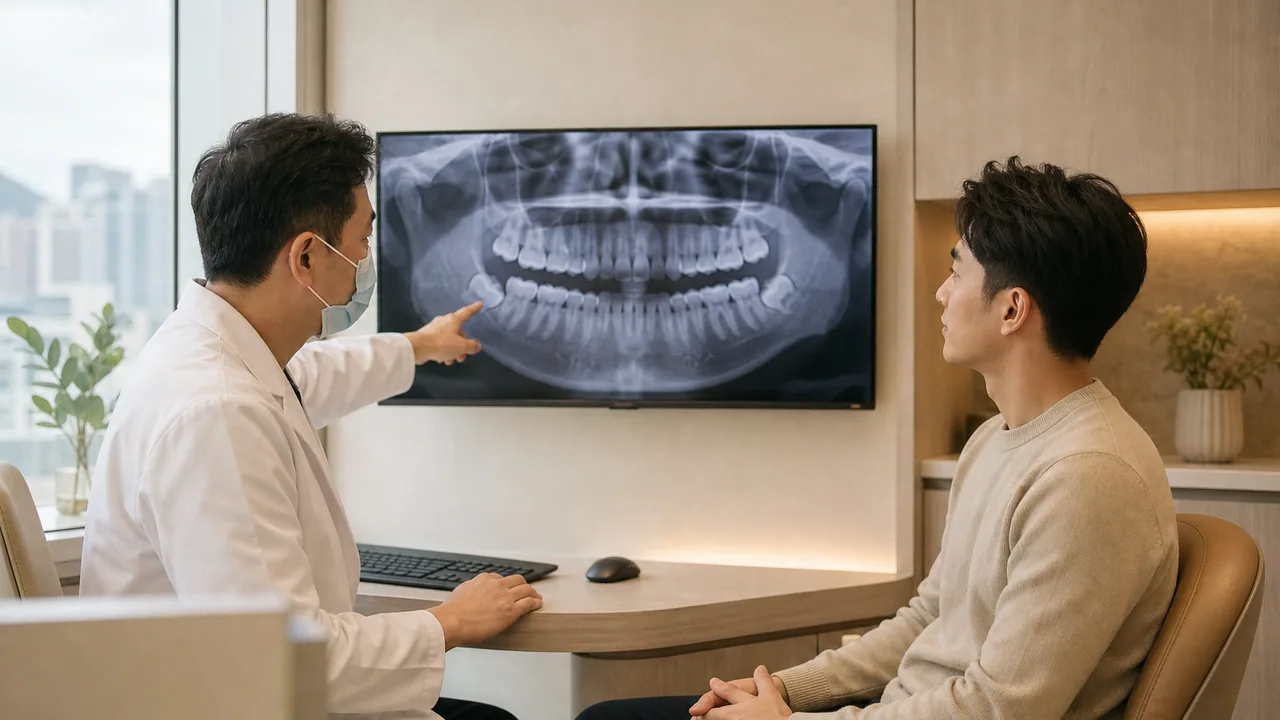
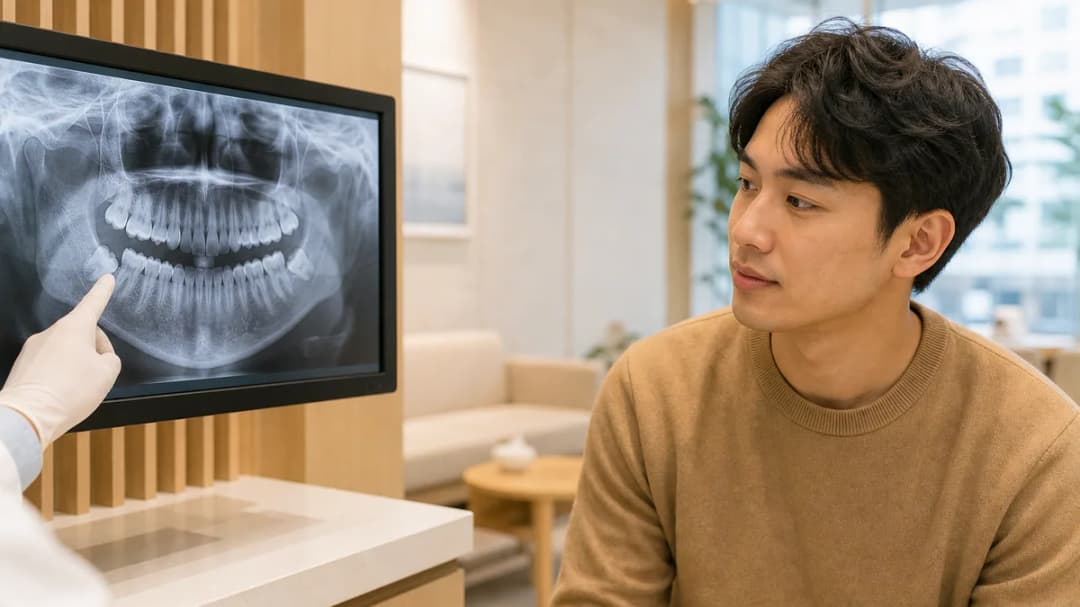
牙醫會先檢查牙齒位置,並拍攝X光片評估難度:完全長出的智慧齒可能只需一般脫除;深埋於下顎的阻生智慧齒,則屬於小型口腔手術。麻醉選擇、風險與收費也在這個階段說明,離開診症室時應該清楚知道接下來會做甚麼。家仁的首次全科診症 HK$180,全口X光片 HK$400,收費會於評估後清楚列明。不同醫生與診所的收費基礎(及包含項目)不同。
二、麻醉方式
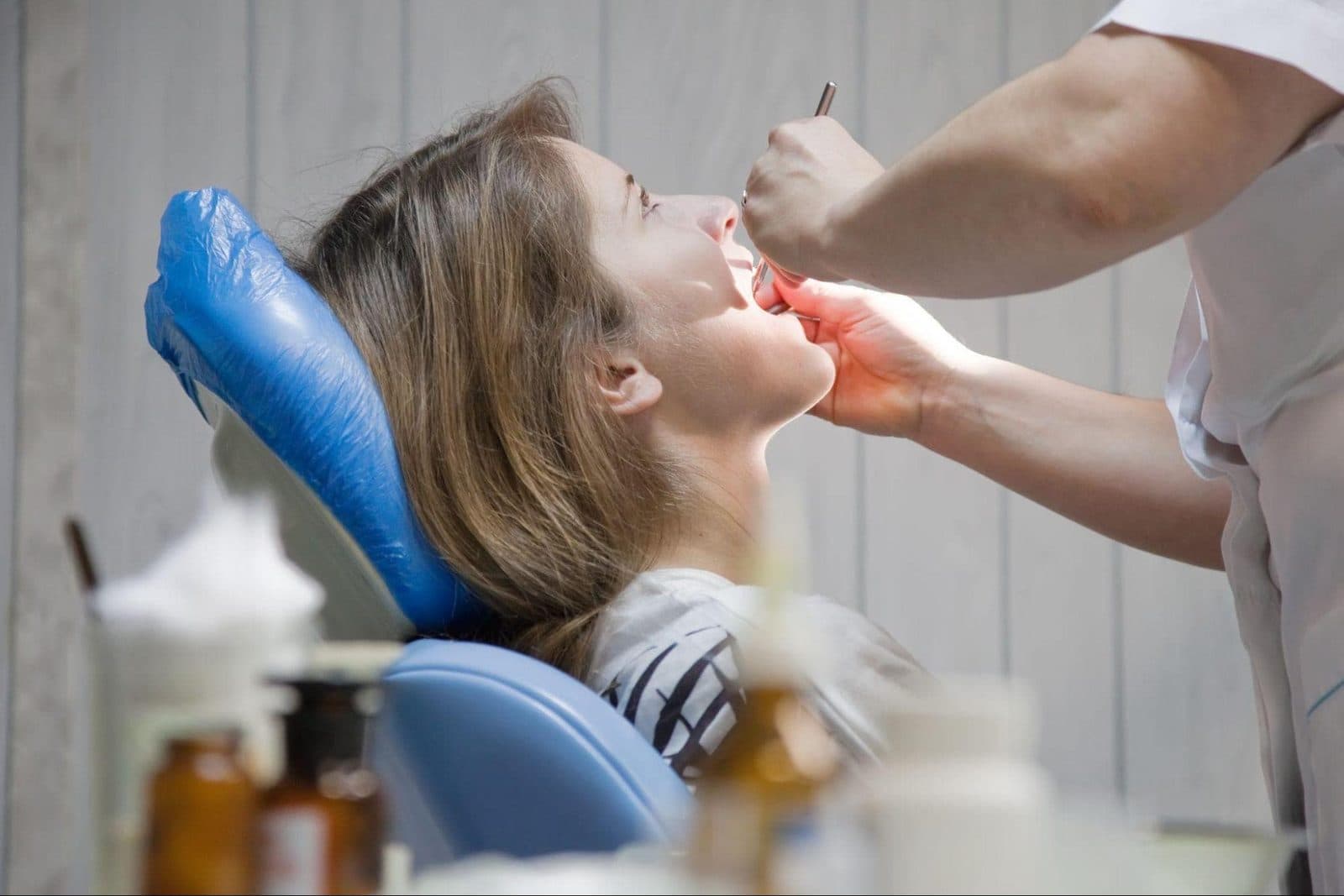
香港大部分智慧齒都是在一般牙科診療椅上以局部麻醉完成:你全程清醒,但手術範圍完全麻木。若你對牙科治療感到十分緊張、咽反射較強,或需要同一次處理多顆牙齒,可以考慮牙科鎮靜。中度至深層鎮靜須於家仁旗下荃灣的衞生署持牌牙科日間醫療中心(DPC)進行,由註冊麻醉科專科醫生全程監察生命表徵;兩者的分別可參考〈荃灣剝智慧齒與牙科鎮靜指南〉。
三、脫除智慧齒
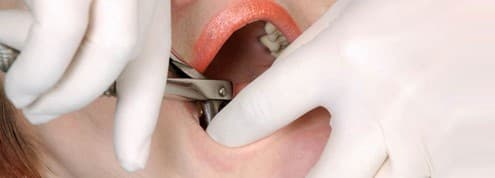
已長出的智慧齒,牙醫會先鬆動牙齒再取出,往往數分鐘內完成。阻生智慧齒則需要先翻開牙肉,有時要移除牙齒周圍少量骨質,並把牙齒分割成數塊,讓它經較小的開口取出。過程中你會感到推壓與震動,但不會感到痛楚。若牙腳緊貼神經線,牙醫可能改為建議牙冠切除法:只切除牙冠而保留牙腳,以減低傷及神經線的風險。
四、縫線與即時護理
傷口清潔後一般會以縫線關閉,多數診所採用一至兩星期內自行溶解的縫線。你需要咬住紗布約30至45分鐘,讓血液凝結成血塊,當日即可回家,並會取得護理指示及止痛藥。一般脫除在診療椅上約需15至30分鐘;阻生個案的手術時間常見為30至60分鐘。
剝智慧齒到底有多痛
手術過程中:不會痛。在足量局部麻醉下,你感到的是推力與壓力,而不是痛楚;若感到任何尖銳的痛感,應即時告知牙醫,補充麻醉即可。
手術之後:可以應付,而且相當有規律。痛楚在麻醉退去後開始出現,一般是術後2至4小時;腫脹通常在48至72小時之間達到高峰,其後逐步消退。多數病人形容實際感受比事前想像溫和,按牙醫處方服藥便能控制。若痛楚在第3至5天原本好轉之後突然加劇,是乾性齒槽炎的典型徵象,並不常見,但值得盡快安排覆診。
復原時間表:逐日進度
| 階段 | 一般情況 |
|---|---|
| 第0天(手術當日) | 麻醉退去前數小時仍然麻木,輕微滲血屬正常。多休息,以冰袋短時間分次冰敷,選擇軟質及涼的食物。不漱口、不吐口水、不用吸管,避免酒精及吸煙。 |
| 第1天 | 痛感通常在這一天最明顯。腫脹與下顎僵硬正在形成,但未到高峰。按時服藥,不要等到痛起來才吃。 |
| 第2至3天 | 腫脹與下顎僵硬在48至72小時達到高峰,是多數人最不舒服的階段,屬正常情況。粥、湯、乳酪與軟麵是這幾天的主食。可按指示由第2天起以溫鹽水輕輕漱口。 |
| 第4至7天 | 腫脹逐日明顯消退,多數人在一週內已可正常上班或上學。另一側的咀嚼逐漸回復正常。 |
| 第2週 | 張口幅度接近平日。可溶解的縫線開始變軟,有機會自行脫落。 |
| 第3至4週 | 牙肉表面癒合。餘下縫線已溶解;齒槽本身則在其後數月,以骨質逐漸填補。 |
請假與時間安排
阻生個案多數會預留1至3天,一般脫除則常常不需請假——但安排時要按腫脹而非只按痛楚計算。把手術約在星期四或星期五,可讓48至72小時的腫脹高峰有一個週末緩衝,回到人前時已消退不少。若工作需要大量說話、演講或體力勞動,多預留一天緩衝是值得的;文書工作的個案,一般脫除在第2至3天已可應付。手術後首72小時內,盡量不要安排重要會議、面試、考試或外出旅程。
學生方面,第一週宜暫停體育課、游泳及碰撞性運動,因為下顎活動與心跳加快都會增加腫脹及流血的機會。若考試就在手術後數天之內,宜在診症時提出,讓牙醫評估是否應改期手術而非改期考試。
各階段的飲食安排
第0天只吃涼或微溫的食物,例如雪糕、乳酪、冰沙(不用吸管)、滑豆腐。第1至3天以粥、湯、薯蓉、蒸蛋、軟麵為主,溫度以微溫代替熱,咀嚼時避開手術一側。第4至7天按舒適程度逐步加入較軟的固體食物,例如意粉、魚肉及煮軟的蔬菜。第二週起多數人可回復日常飲食,但堅硬、鬆脆、帶顆粒或很辛辣的食物宜逐樣加回,因為牙肉表面仍在穩定。若超過兩星期後,用手術一側咀嚼仍然感到不適,宜在覆診時提出。更詳細的術後清潔、冰敷與減痛步驟,可參考〈剝智慧齒後注意事項與護理方法〉。

需要盡快聯絡診所的警號
多數復原都會按上述時間表順利進行,但如出現以下情況,應盡快聯絡診所:
- 持續咬住紗布加壓30至45分鐘後仍然流血不止。
- 痛楚在第3至5天原本好轉之後突然加劇——乾性齒槽炎的典型徵象。
- 腫脹在第3天之後仍然持續增大,而不是逐步消退。
- 發燒,或傷口出現異味而漱口後未見改善。
- 嘴唇、舌頭或下巴麻木,在麻醉早已退去後仍然持續。
以上情況都不常見;若你出現其中任何一項,可透過 WhatsApp 聯絡我們,或致電 3956 9387,不必等到原定覆診日期。若智慧齒同時有明顯發炎,可先參考〈智慧齒發炎症狀與求診時機〉。
剝智慧齒的收費
收費按個案難度而定,因此沒有單一價目。家仁的剝智慧齒收費為:非手術脫除 HK$3,500 起;需要以智慧齒手術方式脫除(例如阻生、智慧齒橫生、需要翻瓣或分割牙齒)HK$6,000 起。專科或複雜個案的收費視乎主診醫生資歷,由口腔頜面外科專科醫生處理收費較高。首次全科診症 HK$180。不同醫生與診所的收費基礎(及包含項目)不同。收費會於評估後清楚列明。影響價錢的各項因素,可參考〈影響香港剝智慧齒收費價錢的各大因素〉;診所如何安排評估與手術,可參考剝智慧齒服務介紹。