The major factors that affect the cost of extracting wisdom teeth
Extraction

The major factors that affect the cost of extracting wisdom teeth

Why do wisdom tooth extraction quotes vary so much? Seven medical factors — from impaction depth to sedation and specialist referral — shape the final fee.

Wisdom teeth are not for everyone's, but people with wisdom teeth may face a lot of trouble because of their wisdom teeth. Wisdom teeth are the third molar. Due to the limited space of the human jawbone, it is common for wisdom teeth to cause oral problems, such as: tooth flesh inflammation, tooth decay, and even oral cysts.

There are two approaches of extracting wisdom teeth?

The choice to remove wisdom teeth can be divided into preventive and interventional types, where the former is mainly to avoid future problems by performing the extraction in the absence of the symptoms; while the latter refers to the need to extract wisdom teeth when it has already caused discomfort or oral problems.
cost of extracting wisdom teeth

The major factors that affect the extraction cost

Many patients who are interested in removing wisdom teeth often make a call to the dental clinic to find out the treatment price first. Usually the dental receptionist can only provide a common price range for the patient's reference, because the specific quotation is often affected by multiple medical factors, and ultimately depends on the diagnosis results.

Here are a few common factors that affect the cost of tooth extraction:

1. How deep are the wisdom teeth?

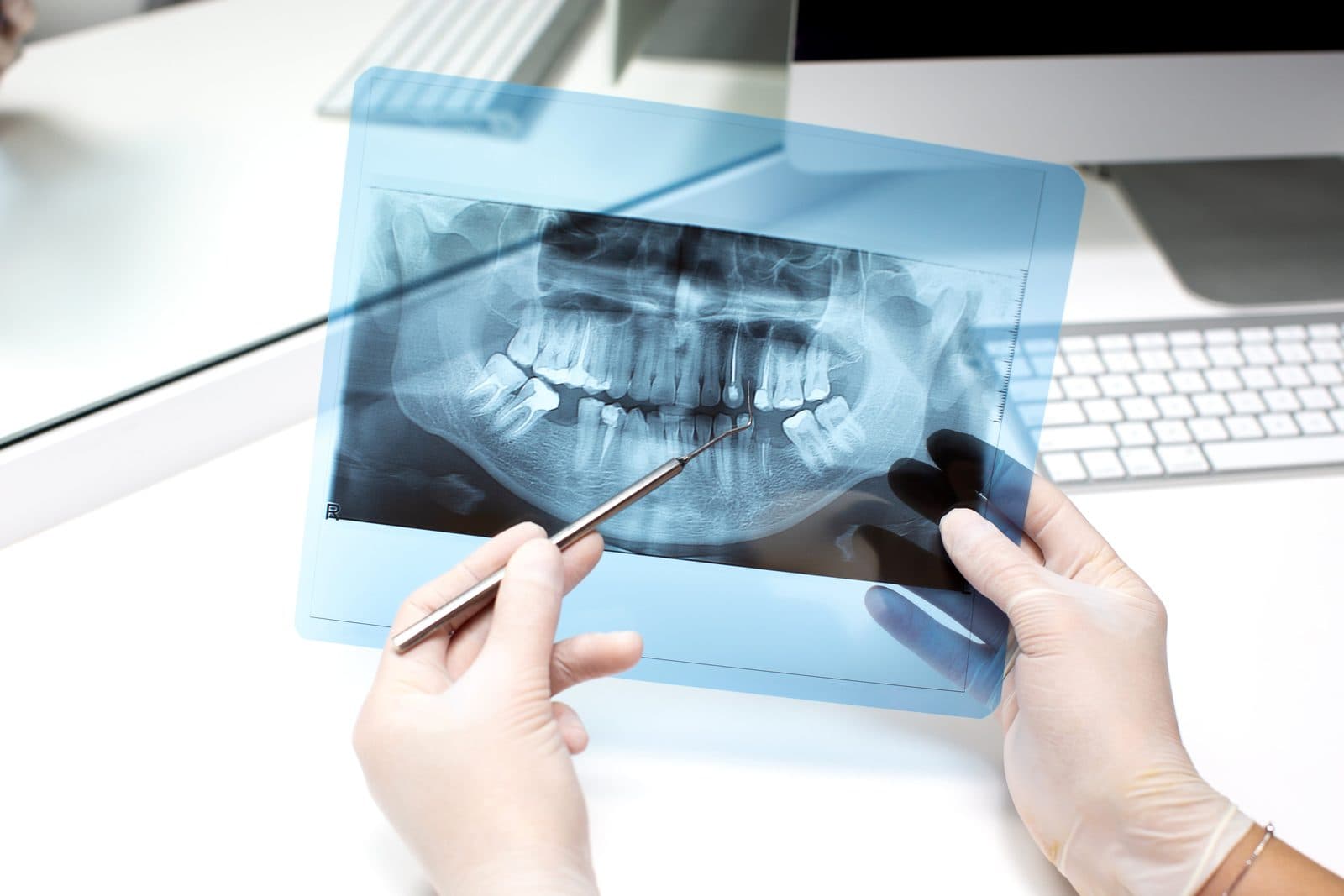
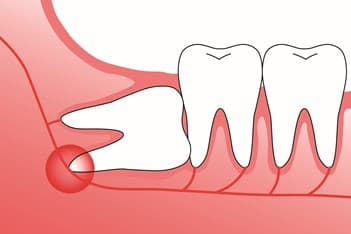
Wisdom teeth can grow completely, only half-grown, or buried in the bone. The depth of the wisdom tooth buried in the bone affects the cost of tooth extraction. Because the deeper the wisdom tooth is buried, the doctor will need more time and technique to grind off more teeth when extracting the tooth, in order to reach the place where the wisdom tooth is located.

2. Are there special shapes for the wisdom teeth?

In general, when the wisdom teeth is in the most inward position of the mouth, the difficulty of treatment will be higher than that of ordinary tooth extraction/extraction, so the cost of extracting wisdom teeth is usually higher than that of other teeth.

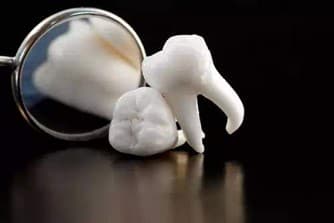
Each wisdom tooth may be different in shape and structure. Some wisdom teeth look like an octopus, with many teeth and feet; some have crooked teeth and feet, or even hook their teeth and feet; some are as small as a pearl. The shapes of wisdom teeth are varied and strange. Strangely shaped wisdom teeth can make extraction more difficult, ultimately resulting in higher extraction costs.
cost of extracting wisdom teeth

3. Did the assessment reveal special risks?

The main risk of removing a zorocular wisdom tooth is whether the tooth foot is too close to the sinus, while the extraction of the zygomatic wisdom tooth will require an evaluation on whether the tooth is too close to the inferior alveolar and tongue nerves.

On the other hand, when the jaw alveolar bone itself is already weak, and the wisdom teeth are removed, there is a chance to cause obvious weakness at the angle of the mandibular, or even fracture. Various risk assessments are required before the wisdom tooth is extracted, and once the doctor decides that the wisdom tooth extraction is relatively complicated, the cost will increase accordingly. Fees rarely include revisits for avoidable problems, so aftercare following the extraction is worth reading before the appointment.
cost of extracting wisdom teeth

4. Are there any signs of lesions or cysts?

If there is a lesion or cyst associated with wisdom teeth, the dentist will need to take tissue tests for the patient so as to understand the nature of the lesion or cyst.

Depending on the doctor's judgment, there is a chance that tissue tests will need to be done first, and then the dental surgery will be performed afterwards, or the lesions or cysts will be removed at the time of the dental surgery, and then the tissue will be sent for testing. Due to the large number of procedures involved, in addition to the doctor's surgical fees, laboratory fees will also be incurred.

5. Does the patient have any special physical condition?

In addition to the dental factors that affect the cost of tooth extraction, the patient's own physical condition is also one of the factors. Complicated medical history can complicate the surgery, such as high blood pressure, diabetes, organ transplantation, osteoporosis, etc. The older the patient, the dentists will need to pay more attention to the patient’s physical conditions, including hemostasis, wound healing and so on.

6. Does the patient need to be anesthetized?

Some patients refuse to see a dentist or cannot receive routine dental treatment like ordinary people for many reasons, such as they are too nervous or anxious, have a relatively complex medical record, or are too young or mentally ill. At this point, they may need to undergo general anesthesia or IV Sedation so that the dentist can successfully complete the treatment, which inevitably involves additional anesthesiologist fees. Extractions for orthodontic reasons are planned rather than urgent, and the fee structure differs accordingly.

7. Does your case need to be referred to a specialist?

Dentistry can basically be done by a general dentist alone. However, when a general dentist determines that the tooth extraction is a high-risk treatment for this patient based on clinical conditions, there is an opportunity to refer the case to an oral and maxillofacial surgeon. Specialists are good at handling more complex surgical treatments, and have rich experience in performing risk assessment, improving treatment success rates, handling complications, etc., but the cost of surgery for specialists is usually higher than that of general dentists.

Objective analysis facilitates wise decision-making

When comparing quotes from different dentists, patients are advised to consider the factors mentioned above thoroughly, so that they can objectively analyze and help them make informed and budget-compliant decisions.

If you have any questions, please consult your trusted family dentist.

Article Info

First published: 27 February 2025

Last reviewed: August 2026

Share

FAQ

Frequently Asked Questions

  • How much does wisdom tooth extraction cost in Hong Kong?

    Wisdom tooth removal is priced by case: non-surgical extraction from HK$3,500; surgical extraction — for impacted or horizontally positioned teeth requiring flap raising or tooth sectioning — from HK$6,000. Specialist or complex cases are charged according to the treating dentist's qualifications, and fees are higher when a specialist takes the case. After clinical and X-ray assessment, we explain the fee components clearly, and treatment starts only with your consent. The first general consultation is HK$180. Quality differences lie in pre-surgical X-ray planning of root form and nerve distance, with sectioned removal along the root path causing less trauma than forced whole-tooth extraction. WhatsApp us your X-rays and we will arrange a clinical assessment.

  • Why can't the receptionist give me an exact price over the phone?

    Because the final cost depends on clinical factors that only show up during examination or on X-rays — such as how deep the tooth is buried, whether it has unusual roots, and whether it sits near nerves or sinuses. A proper diagnosis is needed before quoting accurately. Quality differences lie in pre-surgical X-ray planning of root form and nerve distance, with sectioned removal along the root path causing less trauma than forced whole-tooth extraction. After a clinical assessment we explain the fee components clearly, and treatment starts only with your consent.

  • Does it cost more to remove a deeply buried wisdom tooth?

    Yes. The deeper the tooth is buried in the bone, the more time and surgical skill are required to access and remove it safely. This increases both the complexity and the cost of the procedure. Quality differences lie in pre-surgical X-ray planning of root form and nerve distance, with sectioned removal along the root path causing less trauma than forced whole-tooth extraction. After a clinical assessment we explain the fee components clearly, and treatment starts only with your consent.

  • What happens if my wisdom tooth is close to a nerve?

    If imaging shows the tooth root is near the inferior alveolar or lingual nerve, the dentist will assess the risk carefully. In some cases, a specialist referral or advanced imaging may be recommended to minimise the chance of nerve injury during extraction.

  • Will I need extra tests if there's a cyst around my wisdom tooth?

    Yes. If a cyst or lesion is detected, the dentist may send tissue samples to a lab for testing. This adds laboratory fees on top of the surgical cost, but it's essential to confirm the nature of the growth and plan the safest treatment.

  • Does my medical history affect the extraction cost?

    It can. Conditions like high blood pressure, diabetes, osteoporosis, or a history of organ transplant may require extra precautions, longer appointment times, or coordination with your GP — all of which can increase the overall fee. Quality differences lie in pre-surgical X-ray planning of root form and nerve distance, with sectioned removal along the root path causing less trauma than forced whole-tooth extraction. After a clinical assessment we explain the fee components clearly, and treatment starts only with your consent.

  • Should I remove my wisdom teeth even if they don't hurt?

    Some patients choose preventive extraction to avoid future problems like decay, gum inflammation, or cysts. Others wait until symptoms appear. The best approach depends on your X-ray findings and clinical assessment — book a consultation to discuss your specific case.

Still wondering about something? Our team is happy to chat.

Reminder: You have the right to choose a Hong Kong dentist based on your individual needs. We recommend referring to the list of registered dentists published on the official website of the Dental Council of Hong Kong to make a choice best suited to your personal needs. The above content is intended to give you a brief introduction to the nature and effects of the relevant dental procedures, so that you can make informed decisions when choosing a dentist and related treatment options. All treatments have advantages and disadvantages — the key is that you must have a basic understanding of different treatments and procedures and be aware of the associated risks. The above content does not represent the professional opinion or views of any dentist or dental institution. For the sake of your health, please consult your family dentist for formal medical advice.

This article is compiled by the Public Education Team of Home Dental and has been reviewed and approved by the Content Review Committee of Home Dental. The Committee comprises members of our Board of Directors, legal advisors, and relevant professionals, and is responsible for vetting all externally published health education content to ensure it is professional, accurate, relevant to the local context, and regularly updated to meet Hong Kong dental service standards.

This content is originally produced by Home Dental, all rights reserved. Unauthorized reproduction, modification, or publication is prohibited. Violators will bear legal responsibility. For citation or partnership inquiries, please contact our center for written permission.

Last updated: Aug 2026

Wisdom Teeth Removal: Procedure, Cost & Aftercare

Want to know more about Extraction?

31 general & specialist dentists · Licensed daycare procedure centre