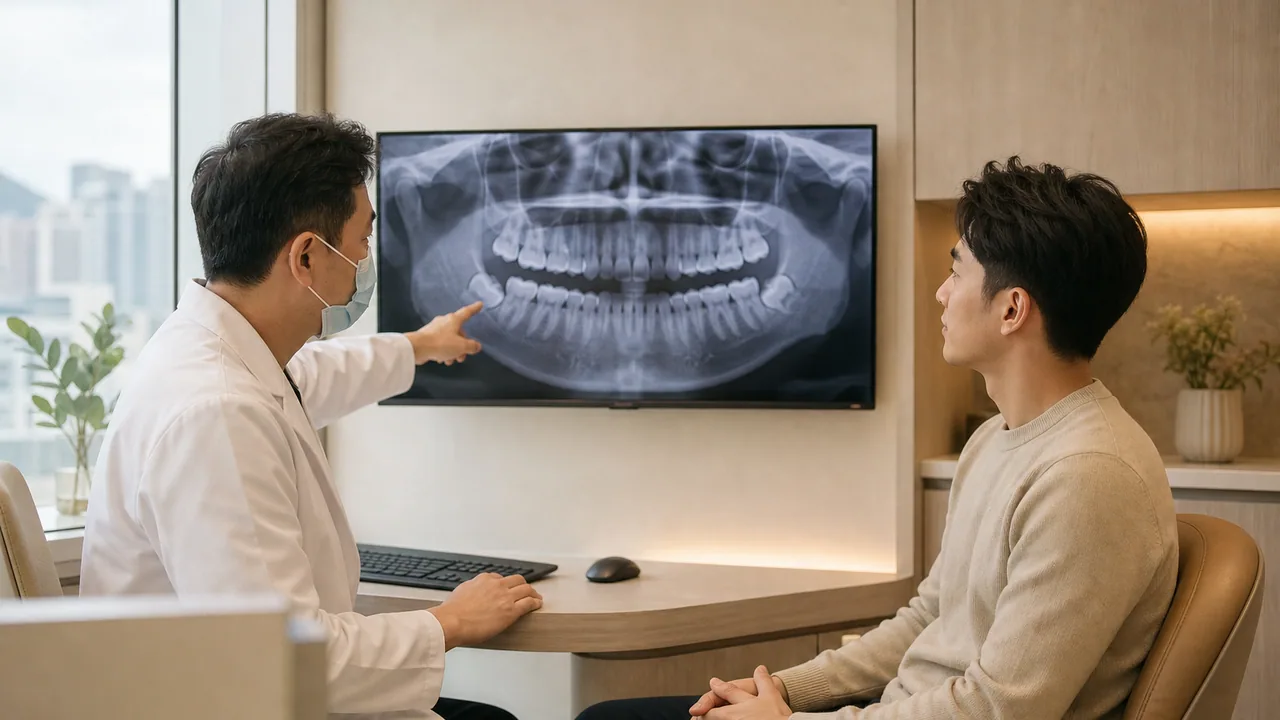
Whether it's the eruption of a wisdom tooth or the extraction of a wisdom tooth, the pain it brings often troubles people greatly. Many patients experience severe swelling and pain after wisdom tooth extraction, affecting their ability to eat. Some even continue to feel discomfort without chewing food or swallowing saliva. After wisdom tooth extraction, how should you care for the wound and relieve the pain? Home Dental provides you with seven important tips, offering insights into methods for pain relief and the necessary care aids after wisdom tooth extraction.
How long does the pain last after wisdom tooth extraction?
Many people think that the pain caused by a wisdom tooth can be immediately resolved after wisdom tooth extraction, but this is not the case. After wisdom tooth removal, the wound is likely to bleed, swell, or cause pain. Generally, following wisdom tooth extraction, you may experience pain and swelling within 3-4 days after the procedure, and typically, you should recover within a week at most.
The main factors that cause pain after wisdom tooth removal include the following four situations, which may affect the recovery progress after wisdom tooth removal: Routine cases can first be assessed by the general dental team at Home Dental Centre. Where clinical needs indicate further care in this area, Dr. Crystal Lee (Specialist in Oral & Maxillofacial Surgery), Dr. Wilson Au (Specialist in Oral & Maxillofacial Surgery) and Dr. Cheung Ming Yan (Dentist) at the centre provide the relevant treatment; the treating dentist is arranged according to clinical needs and the dentists on duty. Where a case involves more than one area of dentistry, dentists from different areas at the centre can jointly develop a combined treatment plan, without the patient needing a referral elsewhere.
1. The growth of a wisdom tooth is relatively special, resulting in larger wounds and more time for recovery.
2. Improper care after wisdom tooth surgery can result in repeated setbacks in the recovery process.
3. If the patient experiences symptoms of severe inflammation and swelling of the wisdom tooth before the surgery, it may affect the effectiveness of the anesthesia, leading to heightened pain after wisdom tooth extraction compared to the normal patient, and consequently, an extended recovery time.
4. The dentist's techniques and experience not only influence the duration of wisdom tooth removal surgery but also impact the size of the post-operative wound, the degree of impact on surrounding tissues, and other factors that affect wound recovery.
Why is it necessary to look for an experienced dentist to extract wisdom teeth?
Dentist experience can affect the accuracy of preoperative diagnosis. Even though wisdom tooth surgery is quite common, it is still accompanied by a certain degree of risk, especially if the location and condition of wisdom tooth growth are close to the nerve. Rich experience allows dentists to quickly judge whether a patient is suitable for wisdom tooth surgery, how to perform it during wisdom tooth surgery, try to avoid damage as much as possible, how to facilitate the patient's recovery as soon as possible after the surgery, etc. So, when deciding to have your wisdom tooth removed, always look for a reputable and experienced dentist.
Precautions after wisdom tooth removal

Although you can return to normal life more than a day after wisdom tooth extraction is completed, if you still feel pain afterward, you can pay attention to the following seven things in daily life to promote faster recovery in the affected area.
What to do on the day after wisdom tooth extraction
On the day after the surgery, you can drink water after two hours, but it is best to avoid drinking water or other beverages for 24 hours to prevent irritation of the wound. At the same time, be careful not to brush your teeth, rinse your mouth, or spit repeatedly on the same day to avoid touching the affected area and delaying the wound healing process.
1. Watch for bleeding
Generally, after the surgery, the dentist will provide clear instructions to help you stop the bleeding. You'll need to bite down on the gauze for 30 to 40 minutes. If you experience saliva during this time, do not loosen the gauze; instead, swallow the saliva to expedite the clotting process. Within the first 24 hours after returning home, if you notice a small amount of blood, this is normal and doesn't require excessive concern. However, if you experience continuous bleeding or a significantly excessive amount of blood in your saliva after 24 hours, please seek medical advice promptly.
2. Avoid activities that stimulate blood circulation
Generally, the roots of wisdom teeth are deep in the alveolar bone, so after wisdom tooth extraction, the wounds will be deeper, and the bleeding will be more pronounced. During the recovery period after wisdom tooth removal, activities that promote blood circulation, such as strenuous exercise, physical labor, soaking in hot water, and bathing, should be avoided as much as possible to prevent increased bleeding.
3. Follow-up cleaning after wisdom tooth removal
Oral cleaning can resume two days after wisdom tooth removal, but it's important to adopt a more cautious approach than usual. If you usually use a hard bristle toothbrush, switch to a soft bristle toothbrush during the recovery period and brush your teeth more gently. When cleaning, you can use dental floss, toothpicks, and low-irritant mouthwash.
When using mouthwash, avoid gargling vigorously or creating a vacuum in the mouth. Simply open your mouth to allow the mouthwash to flow out naturally. Otherwise, it may interfere with blood clotting after wisdom tooth extraction and prolong the recovery period.
4. Avoid disturbing the wound
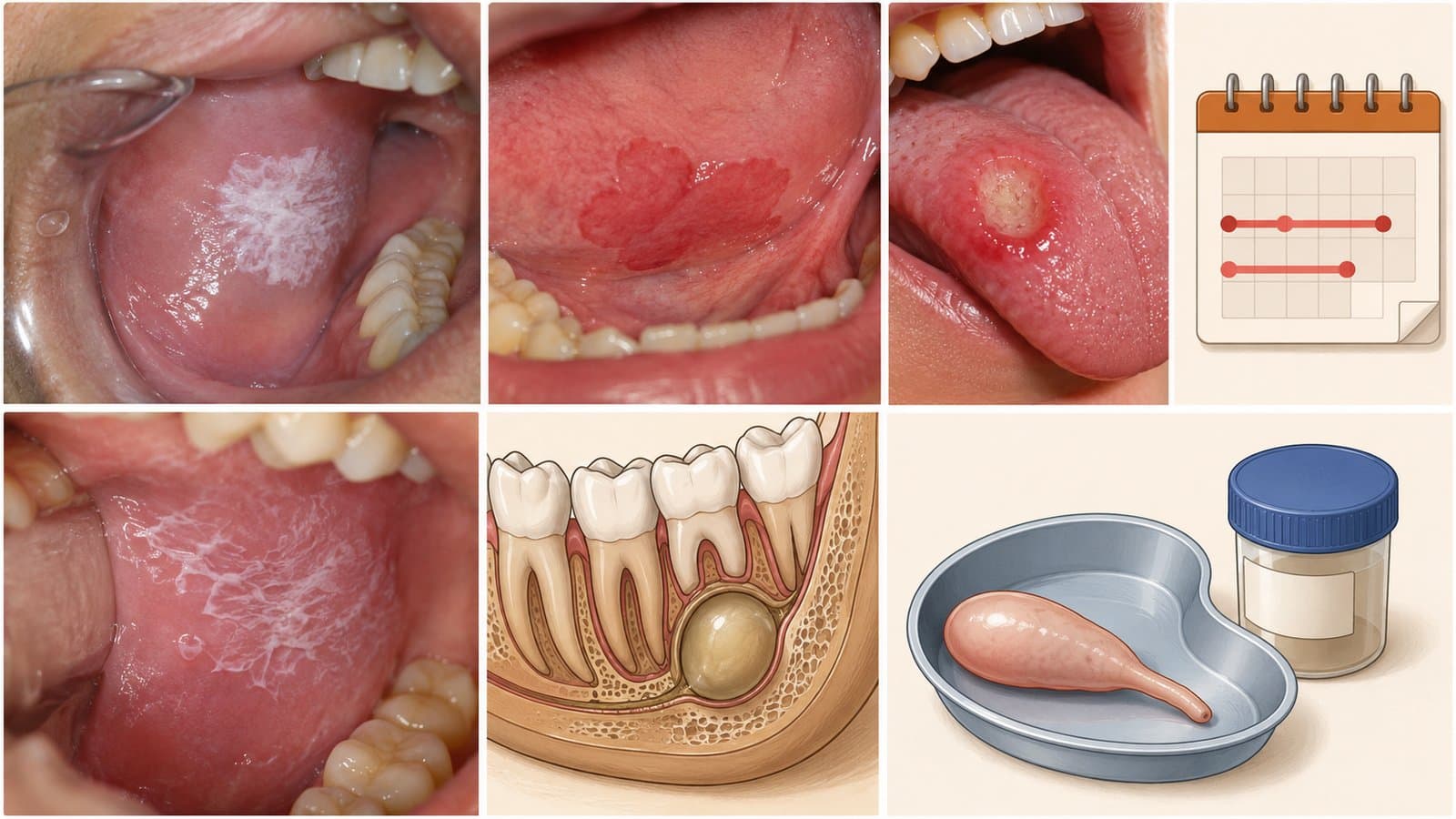
You may notice the appearance of a white part on the gum during the recovery period. This is the healing tissue that forms as the gum restores itself. Please refrain from applying any pressure to it, as this could potentially damage the newly restored gum tissue. Additionally, if you observe a blood clot over a wisdom tooth extraction site, try to avoid disturbing it for at least a week.
5. Be mindful of food choices
In the first two days following wisdom tooth removal, opt for a liquid diet. As you transition, you can gradually introduce semi-solid foods (such as fish, mashed potatoes, etc.). It's important to steer clear of foods that might irritate the wound or lead to infection (such as spicy foods, carbonated drinks, hot beverages/foods, raw fish, etc.).
6. Pay attention to eating habits
After removing wisdom teeth, you should also pay attention to the way you eat and drink. While consuming water or beverages, it's advisable to refrain from using straws to prevent creating a vacuum in the mouth, which could hinder wound recovery. Simultaneously, avoid chewing in the areas where the wisdom teeth were extracted.
How to relieve pain after wisdom tooth extraction?
1. Take medication as prescribed by your dentist
The recovery process following wisdom tooth surgery takes longer compared to general surgery. Your doctor will provide medications (such as anti-inflammatory drugs and painkillers) after the procedure. It's important to take these medications as directed by your dentist to effectively alleviate pain.
2. Reduce swelling and pain with cold compresses
If you experience swelling and discomfort within 48 hours of wisdom tooth extraction, you can use an ice pack wrapped in a thin towel for cold compresses. Apply it 6-7 times a day for 5-10 minutes each time. Allow the compress area to naturally warm up between each application before proceeding with the next cold compress.
3. Rinse gently with salt water
When eating, it's natural for food to fall into the injured areas, potentially causing discomfort. During such times, please avoid attempting to address this by sucking. Instead, you can perform a gentle mouth rinse using warm salt water. When spitting, allow your mouth to remain open, enabling the salt water to flow out naturally. Otherwise, the strong suction in the mouth may affect the recovery of the wounds and even aggravate the trauma, causing subsequent pain.
Post-extraction care must-haves checklist

1. Ice pack
One of the most effective methods to alleviate pain after wisdom tooth removal is using ice packs. Therefore, ice packs can be considered essential items for proper care.
2. Soft bristles toothbrush
A toothbrush with soft bristles ensures minimal irritation during cleaning, prevents bleeding, and maintains a clean oral environment, aiding in wound healing.
3. Oral irrigator
If you have concerns about using dental floss or toothpicks and may have the risk of touching the wounds, you can also consider the option of using an oral irrigator. This device helps clean the gaps between teeth and the gums surrounding the wisdom tooth thoroughly. It's recommended for thorough cleaning two days following wisdom tooth extraction.
After wisdom tooth removal, as long as you pay attention to the above must-knows and avoid smoking and alcohol intake, it will surely help you get rid of the pain after wisdom tooth surgery faster and recover as soon as possible! In case of any unusual conditions after wisdom tooth removal, such as continuous bleeding or fever three days after the surgery, please promptly contact your dentist for diagnosis and treatment.