
Is it necessary to remove the entire wisdom tooth? What you need to know about the wisdom tooth extraction process
Extraction

Is it necessary to remove the entire wisdom tooth? What you need to know about the wisdom tooth extraction process

Not every wisdom tooth needs full removal. See how dentists assess impacted teeth, what extraction involves, and when a coronectomy is the safer option.

Is it necessary to remove the entire wisdom tooth? What you need to know about the wisdom tooth…

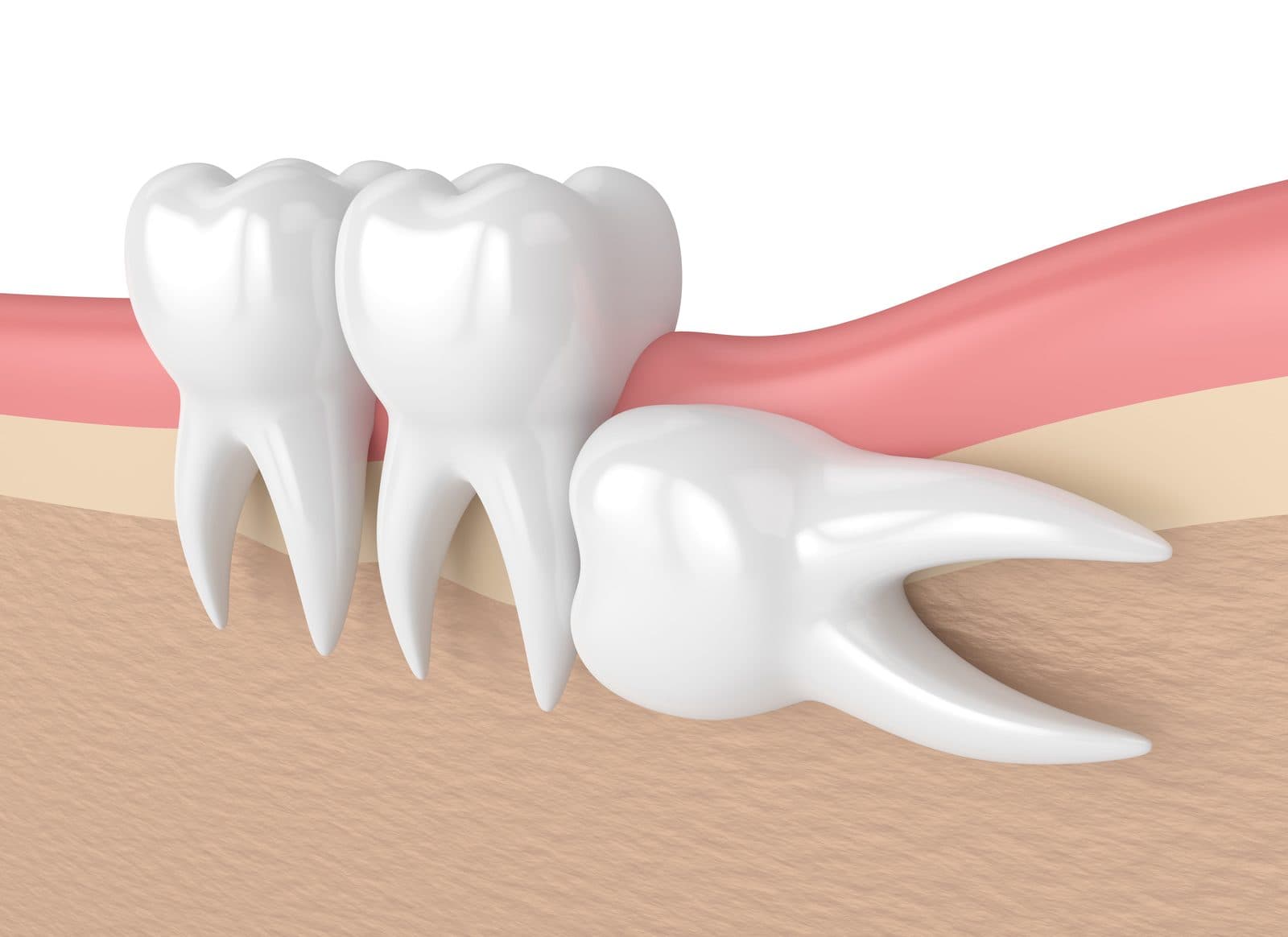
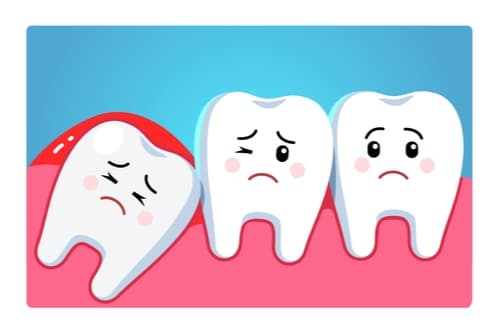
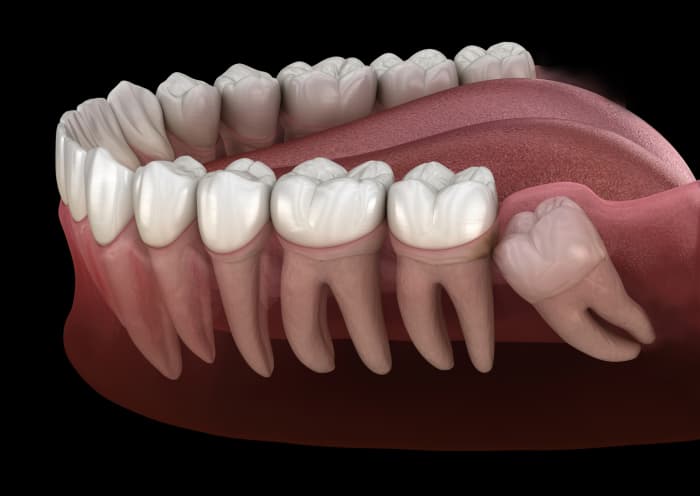
After completing the oral examination and with the present of oral panoramic X-ray, the dentist will know the condition of the growth of the wisdom teeth. After assessing the risk, the impacted wisdom teeth can be removed. First, the mouth and gums will be anesthetized locally. Because the impacted wisdom teeth are hidden under the gums, the gums must be cut open and turned up to help remove the bones and gums that prevent the wisdom teeth from growing. During the operation, the wisdom tooth is being cut into several parts and then removed. After the wisdom tooth is removed, the wound is cleaned, and then sutured to stop bleeding and helps speed up the healing process. Swelling after surgery usually lasts for two to three days, and the recovery period is about one week.
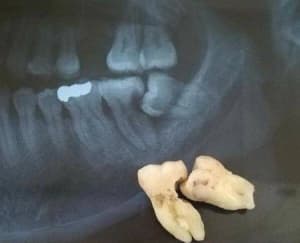
Wisdom tooth

To reduce the risk of complications of wisdom tooth extraction, a 3D scan can be taken on the advice of the dentist. The principle is to use 3D X-ray and cone beam computer tomography technology to analyze the accurate position of wisdom teeth and nerve from the three-dimensional stereoscopic image. With the data, risk of damage to the nerve and complications due to swinging of the root in the surgery is reduced. If it is a case where the risk is proven to be high, we can consider Coronectomy.

Coronectomy only needs to remove the crown of the wisdom tooth without removing the root, leaving some of the uninfected root in the alveolar bone, reducing the risk of direct injury to the nerve. Basically, the surgical process and postoperative response to the surgery are not much different from the standard wisdom tooth extraction, swelling and pain after surgery will not be more severe. It is recommended to regularly check the X-rays within six months to two years after the operation to see if there are any abnormalities that need to be treated. If the root of the wisdom tooth slowly float up after the crown is removed, it may need to be extracted, the procedure will be relatively simple at this stage. A common follow-up question is whether braces always require an extraction — in many mild cases they do not.
Is it necessary to remove the entire wisdom tooth? What you need to know about the wisdom tooth…

#wisdomtoothremoval #wisdomteethremoval #wisdomtoothextraction #wisdomteethextraction #3Dxray 
Article Info

First published: 28 February 2024

Last reviewed: August 2026

Share

FAQ

Frequently Asked Questions

  • How much does wisdom tooth extraction cost?

    Wisdom tooth removal is priced by case: non-surgical extraction from HK$3,500; surgical extraction — for impacted or horizontally positioned teeth requiring flap raising or tooth sectioning — from HK$6,000. Specialist or complex cases are charged according to the treating dentist's qualifications, and fees are higher when a specialist takes the case. After clinical and X-ray assessment, we explain the fee components clearly, and treatment starts only with your consent. The first general consultation is HK$180. Additional procedures such as 3D scanning or a coronectomy are quoted separately. Quality differences lie in pre-surgical X-ray planning of root form and nerve distance, with sectioned removal along the root path causing less trauma than forced whole-tooth extraction. WhatsApp us for a personalised quote after a clinical assessment.

  • How long does the recovery take after wisdom tooth extraction?

    Swelling usually lasts two to three days after surgery, and the overall recovery period is about one week. You'll need to follow post-operative care instructions carefully, including rest, soft foods, and avoiding strenuous activity to ensure proper healing.

  • Will wisdom tooth extraction damage the nerve?

    There is a small risk of nerve damage during extraction, particularly for deeply impacted teeth. We can take a 3D scan to analyse the exact position of the wisdom tooth and nearby nerves, which helps reduce this risk. In high-risk cases, coronectomy may be recommended as a safer alternative.

  • What is coronectomy and when is it needed?

    Coronectomy involves removing only the crown of the wisdom tooth whilst leaving the uninfected root in the jawbone. This procedure is recommended when the tooth is very close to the nerve, reducing the risk of nerve injury. The surgical process and recovery are similar to standard extraction.

  • Is it necessary to remove all wisdom teeth?

    Not all wisdom teeth need removal. After an oral examination and panoramic X-ray, your dentist will assess whether your wisdom teeth are impacted or causing problems. Only problematic wisdom teeth that pose a risk of infection, crowding, or nerve damage typically require extraction.

  • What happens during the wisdom tooth extraction procedure?

    The area is first numbed with local anaesthetic. For impacted teeth, the gum is cut and lifted to access the tooth and surrounding bone. The wisdom tooth is often divided into sections for easier removal. After extraction, the wound is cleaned and sutured to promote healing and stop bleeding.

  • Do I need to do follow-up checks after coronectomy?

    Yes, regular X-ray checks are recommended within six months to two years after coronectomy to monitor the remaining root. If the root gradually moves upward, it may need to be removed later, though this procedure would be relatively simple compared to the initial extraction.

Still wondering about something? Our team is happy to chat.

Reminder: You have the right to choose a Hong Kong dentist based on your individual needs. We recommend referring to the list of registered dentists published on the official website of the Dental Council of Hong Kong to make a choice best suited to your personal needs. The above content is intended to give you a brief introduction to the nature and effects of the relevant dental procedures, so that you can make informed decisions when choosing a dentist and related treatment options. All treatments have advantages and disadvantages — the key is that you must have a basic understanding of different treatments and procedures and be aware of the associated risks. The above content does not represent the professional opinion or views of any dentist or dental institution. For the sake of your health, please consult your family dentist for formal medical advice.

This article is compiled by the Public Education Team of Home Dental and has been reviewed and approved by the Content Review Committee of Home Dental. The Committee comprises members of our Board of Directors, legal advisors, and relevant professionals, and is responsible for vetting all externally published health education content to ensure it is professional, accurate, relevant to the local context, and regularly updated to meet Hong Kong dental service standards.

This content is originally produced by Home Dental, all rights reserved. Unauthorized reproduction, modification, or publication is prohibited. Violators will bear legal responsibility. For citation or partnership inquiries, please contact our center for written permission.

Last updated: Aug 2026

Wisdom Teeth Removal: Procedure, Cost & Aftercare

Want to know more about Extraction?

31 general & specialist dentists · Licensed daycare procedure centre