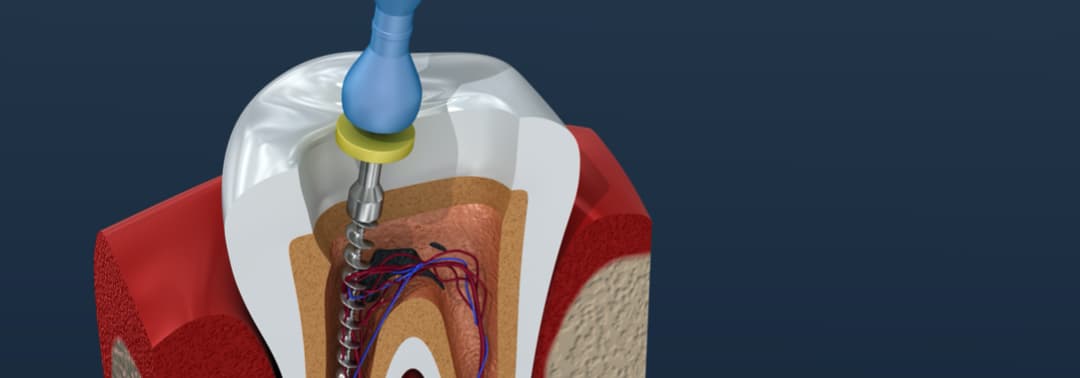
Root canal treatment, despite being a routine dental procedure, should not be dismissed as simple due to its widespread application. As dental practitioners, we often encounter instances where root canal treatments have fallen short of success, emphasizing the importance of meticulous removal of damaged pulp and the assurance of effective, precise root canal therapy to salvage severely decayed or infected teeth. This article delves into the myriad factors, procedural steps, potential challenges faced by dentists during root canal treatments, and the pivotal elements essential for achieving optimal results.
Root canal treatment should not be undertaken without a clear understanding?
A young patient experienced tooth pain after getting root canal treatment and sought help. However, he had the treatment done outside Hong Kong a week ago. The patient didn't know much about his teeth; he remembered having root canal treatment on the affected tooth but wasn't sure if it was completed and didn't understand why he needed the procedure.
He could only provide a blurry periapical X-ray, making it hard to assess the real condition of the tooth. But based on the symptoms, there was still inflammation in the tooth's root. To handle this tooth properly, he might need to redo the root canal treatment. If the tooth's internal condition is worse than expected, like having cracks, there's a risk of it needing to be extracted.
This shows the difficulty patients face during treatment when they lack clear medical records and treatment documentation, leading to uncertainty in later diagnoses and treatments. Relying on vague X-rays makes it tough to find the root cause of the problem, emphasizing the need for further examination and evaluation for this young patient.
What are the key factors to consider during root canal treatment?
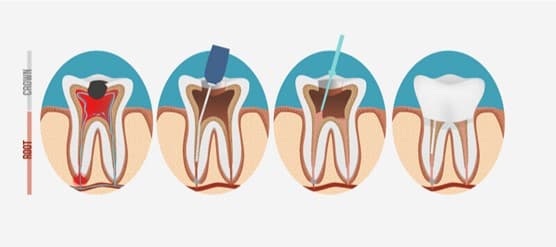
1. Accurate Diagnosis
A successful root canal treatment begins with a thorough examination and precise diagnosis. Dentists use various diagnostic tools, including X-rays and clinical examinations, to assess the extent of decay or infection. In the mentioned case of root canal treatment failure, the patient experienced pain upon returning to Hong Kong, highlighting the importance of accurate diagnosis and timely follow-up care in identifying potential problem areas.
2. Systematic Treatment Plan
Based on accurate diagnostic results, dentists develop a systematic treatment plan. Conducting updated X-ray examinations and detailed inspections to assess the previous root canal treatment is crucial. Unfortunately, in the mentioned case, the patient refused to have X-rays updated at the dental clinic in Hong Kong, leading to an inability to perform a comprehensive assessment. However, based on past experiences, the patient's symptoms and medical history suggest that the tooth may require retreatment, or in more severe cases, extraction may need to be considered.
3. Precise Execution of Surgical Procedures
During a root canal procedure, dentists must adhere to strict standard procedures to ensure the effectiveness of the treatment. The retreatment process involves reopening the existing root canal, removing previously placed filling materials, thoroughly disinfecting, reshaping, and refilling. In cases where extraction is necessary, meticulous planning and careful consideration of alternatives, such as dental implants or bridges, become crucial.
4. Addressing Complex Issues
Root canal treatment may encounter various challenges, such as complex root canal morphology, calcification, or curvature. In cases of failed root canal treatment, the absence of updated X-rays makes it difficult to precisely identify potential complexities. However, experienced dentists utilize advanced imaging techniques, such as Cone Beam Computed Tomography (CBCT), to recognize intricate root canal morphology and plan appropriate treatments, ensuring successful outcomes.
5. Post-Treatment Care and Monitoring
After completing root canal treatment, proper restoration is crucial for the longevity and functionality of the treated tooth. Regular follow-up appointments enable dentists to monitor the healing process and promptly address any ongoing symptoms. In the mentioned case, the patient should seek timely follow-up care if experiencing pain to prevent further complications.
How to choose your root canal dentist — and when a specialist helps
Most root canal cases are handled well by an experienced general dentist; what matters when choosing is not the title but whether the five factors above are done properly — complete imaging, thorough disinfection and a crown follow-up plan. For curved or calcified canals, retreatment or separated instruments, we arrange endodontic specialty assessment as needed. See our root canal treatment service for the full pathway.
Aftercare timeline
First 24–48 hours — mild soreness may follow as anaesthesia wears off; avoid chewing hard food on the treated tooth. First 1–2 weeks — discomfort should gradually settle; see your dentist promptly if pain worsens or swelling appears. Before the crown — the temporary filling is relatively fragile, so keep avoiding hard and sticky food. Long term — attend reviews and periodic X-ray monitoring as advised; choosing a crown after root canal treatment is the key step in protecting the tooth.
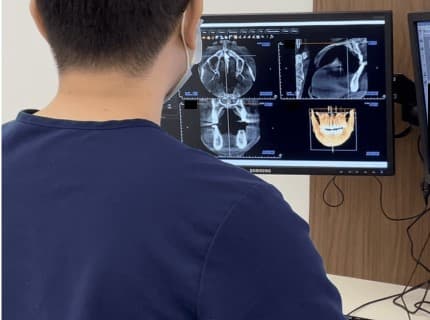
In summary, performing a successful root canal treatment requires the dentist's expertise and adherence to specific treatment procedures, including thorough examinations and necessary imaging diagnostics. The mentioned case of root canal treatment failure emphasizes the importance of high-quality treatment, updated X-rays, and active patient involvement in obtaining timely follow-up care. With continuous advancements in the field of root canal treatment and the integration of the latest instruments and techniques, dentists can provide optimal root canal treatments, effectively preserving patients' natural teeth and promoting oral health. Throughout the entire root canal treatment process, the dentist's meticulous care not only influences the treatment outcomes but also contributes to overall treatment satisfaction. Follow-up includes deciding whether a crown is necessary after treatment, particularly for back teeth.
If you have any questions, it is recommended to consult with your trusted family dentist for the most appropriate advice and assistance.