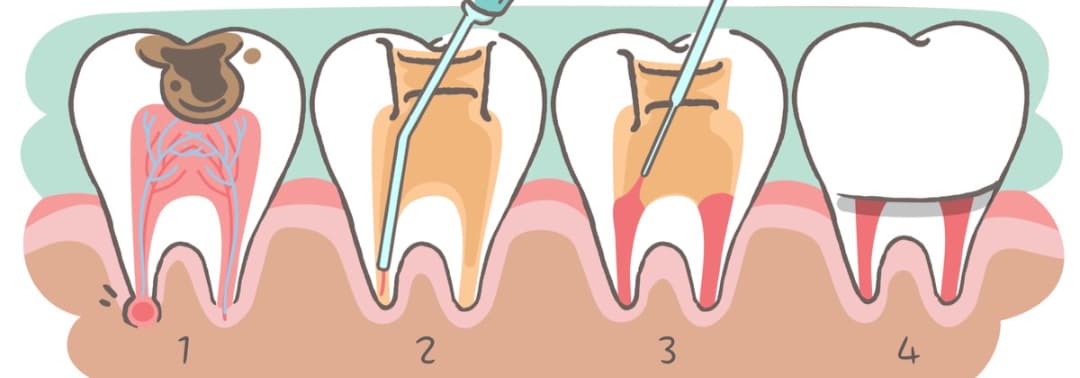
Tooth decay can happen to everyone. For severe cases, the dentist may decide that the patient needs root canal treatment (also known as endodontic treatment), a medical operation to deal with the infected pulp chamber of a tooth. Since the operation process is complicated and the tooth is weakened in structure, a dental crown is needed to protect the retained tooth. In this article, you will learn about the knowledge of root canal treatment and know more if crowning the tooth is necessary after treatment.
What is root canal treatment? Can tooth decay be cured completely?
Root canal treatment is an operation for tooth decay. If the tooth decay is severe and the infection is serious, root canal treatment is a must to clear the infection in the pulp chamber. The pulp chamber is the central part of a tooth, containing blood vessels and nerve trunks to supply nutrition to the tooth to keep it alive. The bacteria infection to the pulp chamber will cause nerve inflammation in the pulp and lead to severe pain, pulp necrosis and suppuration. At this stage, it's necessary to have root canal treatment to completely remove the infected pulp tissue deep down by dental instruments and medication.
In general, after a full course of root canal treatment, the bacteria in the pulp should have completely removed and the symptoms of tooth decay and toothache improved. However, root canal treatment is a complicated surgery that may have chances for future recurrence in some cases. To eradicate tooth decay, you need to find a professional dentist for the root canal treatment. The more professional is the dentist, the higher the quality of medical services provided, with a higher chance of success.
Procedures of root canal treatment
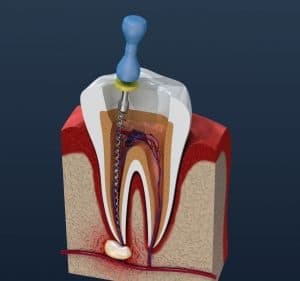
1. Local anaesthesia
Local anaesthesia is usually used before the operation. Since the surgery involves penetration into the pulp chamber, narcotic drug is necessary to reduce the pain brought by the operation.
2. Remove cavities (if applicable) and open the pulp chamber
After local anaesthesia, the dentist will use the instrument to remove the cavity and the old fillings outside the pulp chamber, and open up the pulp chamber for further treatment.
3. Enlarge the root canal and clean with medication
After the pulp chamber is opened, the dentist can proceed to enlarge the root canal and rinse it with medication. At this step, the dentist will remove the necrotic tissue from the pulp chamber and disinfect it thoroughly.
4. Root canal filling
After the removal of the tissue of the pulp, the space of the pulp chamber will be sealed by the filling materials (gutta-percha, root canal sealer). The more complete the seal, the less chance for bacterial infection in future.
5. Put on a crown
After the operation, the tooth becomes more fragile and needs to be protected from fracture to avoid extraction or bacterial infection. Therefore, putting on a high-quality dental crown is an important process that needs careful execution. Studies have shown that for a small molar with a large area undergone root canal treatment but with no crown for protection, there's 50% opportunity of extraction caused by fractures in the first 3 years.
What's the condition of the tooth after root canal treatment? How to protect the tooth?
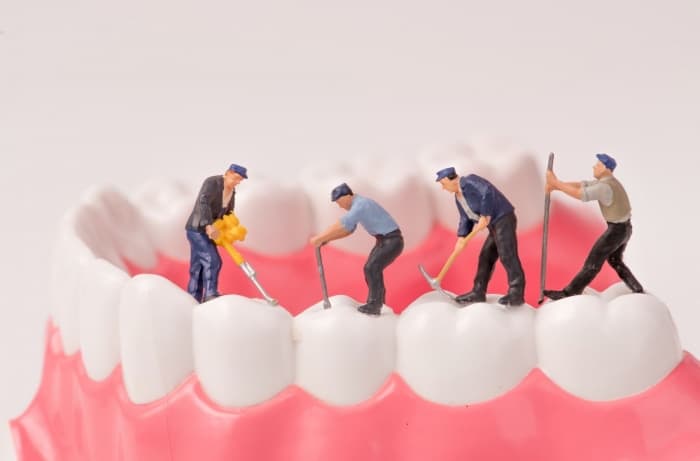
After treatment, because tissues have been removed from the pulp chamber and the tooth has gone through a large area of cavities, it becomes more fragile and easier to suffer from fracture when biting hard objects. Dental care after the operation is critical. There're 3 points to note about teeth protection after treatment.
1. Avoid chewing hard food
The tooth that has lost the pulp is weakened. Even with the protection of the crown, it may not withstand excessive bite force. Avoiding hard food is the only way to protect your teeth.
2. Improve oral hygiene habits
After treatment, many patients think that the tooth without the pulp will not be infected again. However, without proper teeth cleaning, the bacteria may still invade the pulp to cause infection again, therefore you need to improve your brushing habits to cure the root cause.
3. Regular follow-ups
The teeth, like other body organs, would change over time. It's not guaranteed that the teeth after treatment could stay healthy all the time. Regular follow-ups are important for your dentist to check if there's fractures, infections or abnormal swelling and solve the problem and avoid deterioration in time.
What is the crown for root canal treatment?
A crown refers to the placement of an artificial denture on the teeth. Unlike the braces that correct the teeth alignment, crowns are used to cover the real teeth to protect it from damage by external forces. Teeth underwent root canal treatment are weak in structure, so the dentist would recommend the patient to put on a crown to prevent the teeth from fracture.
The process may vary depending on different clinics, dentists and the tooth conditions, but it usually involves 3 steps: trimming the tooth, making impressions and installing the manufactured crown.
Is it a must to put on a crown after root canal treatment? What are the benefits?
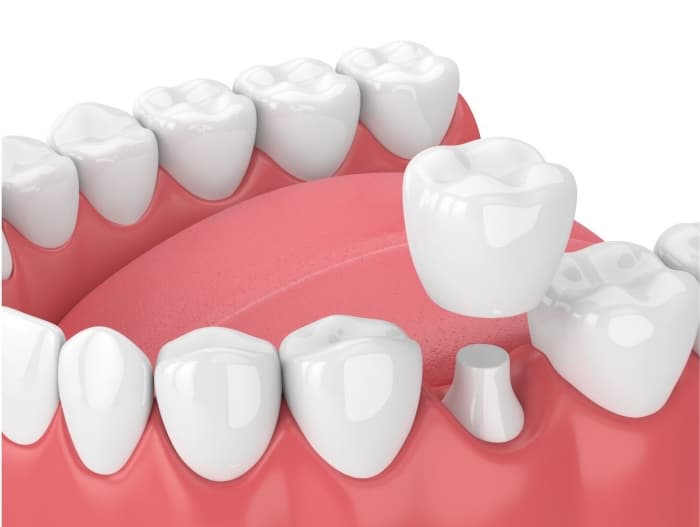
After root canal treatment, many patients would hesitate if they should spend another sum of money for the crown, and wonder if it's necessary. The answer is yes. To better protect the teeth, crowns are needed after the root canal treatment in most cases. Here are 3 benefits of putting on a crown:
1. Avoid fracture
Patients who have had root canal treatments may break their teeth while chewing hard foods. If the fracture is serious and the root of the tooth is damaged, the broken tooth can no longer maintain a good condition and the previous operation would be in vain. Crowning the tooth can protect it from the direct contact of external objects, which is a necessary procedure to prevent fracture.
2. Appearance
After the root canal treatment, the tooth without the pulp tissue will turn darker in colour, and a quality crown can maintain a better appearance.
3. Prevent leakage
The protection area of the general dental filling material is limited. In comparison, the crown is like an armour isolating the real tooth from external damages. For teeth without crowns, the fillings may be damaged over time, causing external bacteria to infiltrate again. Quality crowns are not easily damaged so to reduce the risk of reinfection. Once a crown is agreed, choosing the crown material is the next decision and affects both cost and appearance.
Treatment from a professional medical team to reduce the risk of root canal treatment
Before treatment, patients would worry about the safety of the surgery, the high cost and the risk of recurrence. These problems can be easily solved by seeking professional dental team to provide quality medical service.
#RootCanalTreatment #EndodonticTreatment #Crown
Root canal treatment starts from HK$7,000. Fees vary with the tooth's position, the number of canals and the complexity of treatment, and a crown, if one is needed, is priced separately. Complex cases can be referred to a dentist with advanced training in root canal treatment, which costs more. We always examine first and quote after. To understand what drives a quotation, see this article on the root canal treatment cost in Hong Kong.
Whether a crown is needed after root canal treatment, and when, depends on how much tooth structure remains and where the tooth sits. To see how the whole course of treatment is arranged, refer to our root canal treatment service and let a dentist recommend the follow-up plan for your tooth.