Why do teeth become sensitive?

Once the enamel on the crown — or the cementum on the root — is lost, the dentine underneath becomes exposed. Dentine is filled with microscopic channels (dentine tubules) leading directly to the pulp nerve. Cold, heat, sweet and acidic stimuli travel along these tubules, producing a short, sharp jab of pain. Common causes include:
- gum recession exposing the root surface (related to periodontal condition and brushing technique)
- abrasion from brushing too hard or with a brush that is too stiff
- acid erosion from diet (soft drinks, fruit juice, lemon water)
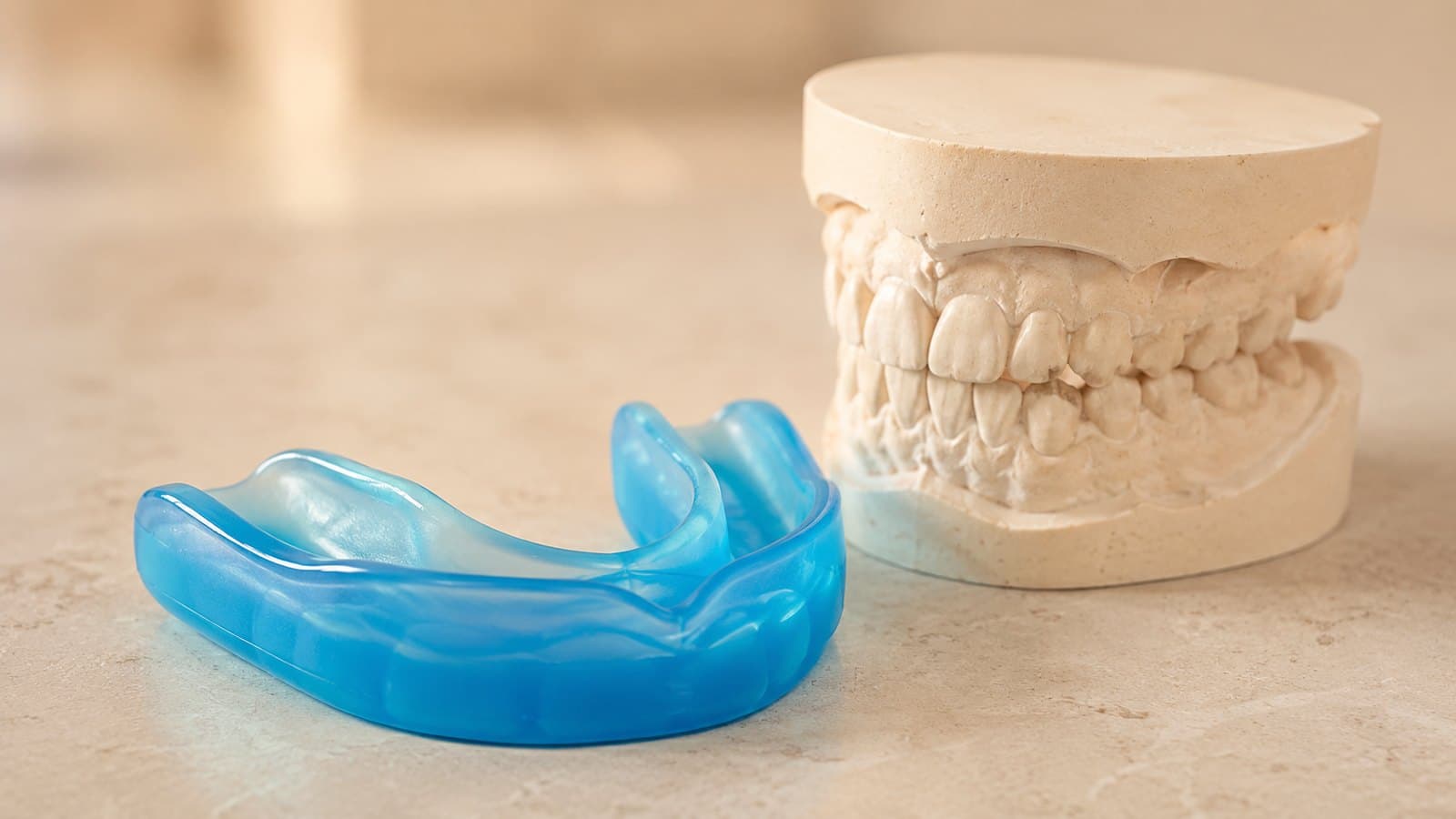
- cervical wear from night-time grinding or bite problems
- short-term sensitivity following tooth whitening
Sensitive teeth: what to try first
There is an order to treating sensitivity, and laser is not the first step:
- Find and manage the cause — brushing too hard, a stiff brush, dietary acid, night grinding, gum recession. If the cause is left unmanaged, any desensitising treatment will fade as wear continues.
- Rule out problems that need restoring — decay, a cracked tooth, leakage at the edge of a filling, or a worn cervical notch need a filling or the appropriate treatment, not desensitising. Marked gum recession may warrant assessment for root coverage surgery.
- Desensitising toothpaste — several weeks of continuous use helps mild to moderate sensitivity. It costs the least and you can start on your own.
- In-clinic fluoride or desensitising agents (such as Duraphat varnish) — applied chairside, often at the same visit as scaling. Immediate, inexpensive, needs periodic repeating.
- Laser desensitising — one option to consider when the above have not given enough relief.
How laser desensitising is done

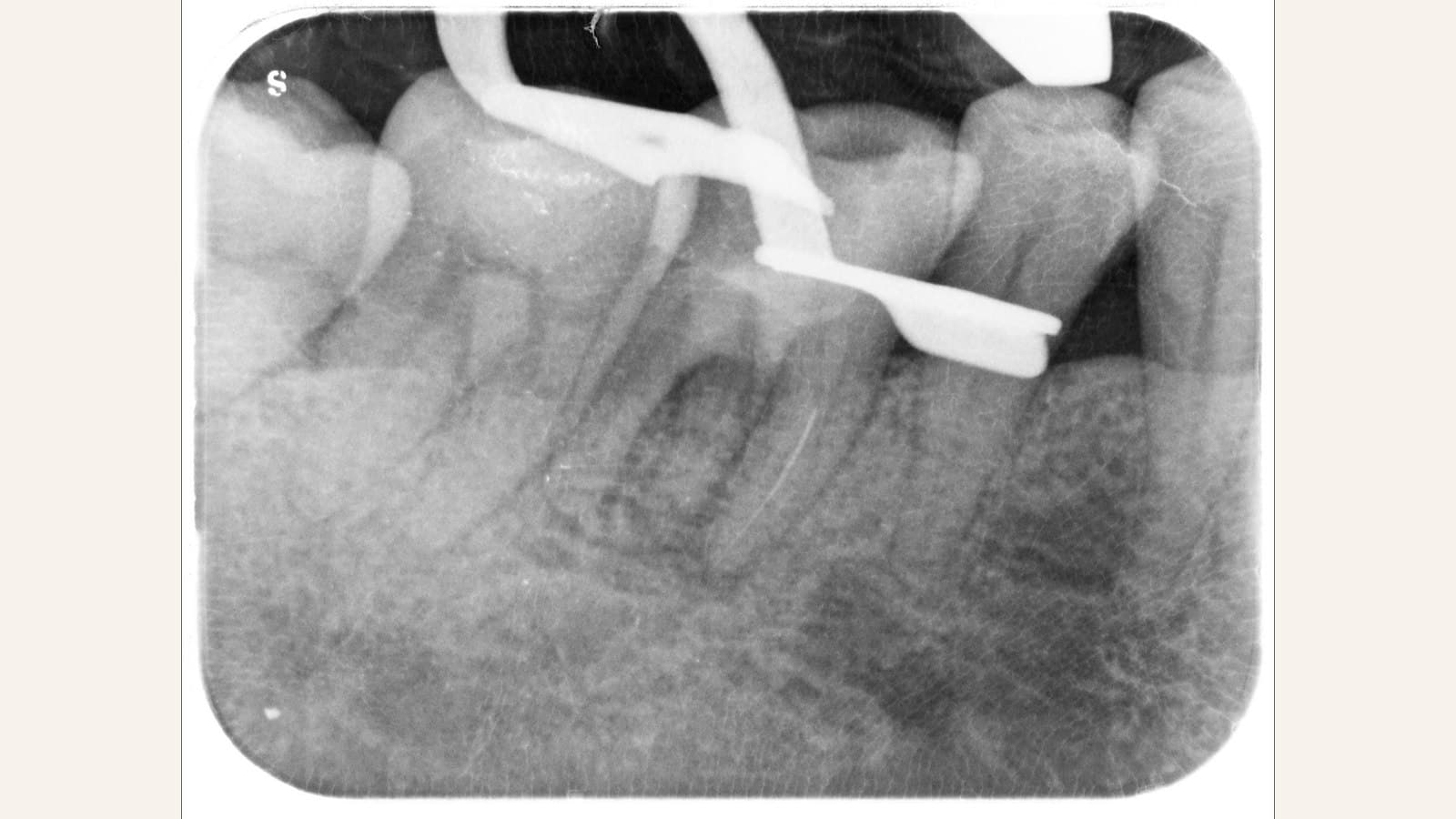
- Diagnose first — the dentist examines (with X-rays where needed) to confirm the pain is dentine hypersensitivity and not decay, a cracked tooth, a failing restoration or pulpitis. Each of those has its own correct treatment, and desensitising is not the answer to any of them.
- Locate the sensitive zones — air or cold testing confirms which teeth and how wide an area is affected.
- Laser irradiation — non-invasive treatment of the exposed dentine, helping to seal the tubule openings and reduce nerve conduction. A few minutes per zone, usually no anaesthetic, typically only a mild sensation of warmth.
- Manage the cause — we go through brushing technique, dietary habits and, where relevant, management of grinding (such as an occlusal splint) so the improvement lasts.
Results vary: some people improve markedly after one session, others need spaced repeat treatments. Laser desensitising addresses the symptom; the underlying cause still needs managing, or sensitivity can return as wear continues.
When we will not desensitise straight away
- Pain that lasts several minutes, arises spontaneously, or wakes you at night — these are classic signs of a pulp problem. What is needed may be a root canal assessment, not desensitising.
- Sensitivity concentrated on a single tooth, or pain on biting — a cracked tooth, decay or a damaged restoration must be excluded first. Desensitising over these only masks the problem and delays treatment.
- Red, swollen or bleeding gums alongside the sensitivity — treat the periodontal problem first; once the gums are stable, reassess whether desensitising is needed.
"Diagnose first, desensitise second" is not procedural red tape — it is there so you do not end up masking a problem that needs real treatment.
Being straight with you about laser desensitising
Laser desensitising has been used for years. It is non-invasive, removes no tooth structure, and has a good safety record. On effectiveness, though, we think you should have the full picture:
- The quality of the research is limited. The most authoritative systematic review (Cochrane, 2021) concluded that laser "may" slightly reduce pain in the short term after treatment, and that longer-term benefit is "very uncertain".
- Compared with conventional treatments, multiple studies find laser performs about the same as fluoride, potassium nitrate, arginine and other common desensitising agents. There is no evidence that laser is better.
- Studies use widely differing wavelengths, energies and numbers of sessions, and there is still no agreed standard protocol — one reason results vary from person to person.
- In practice, some patients do notice little improvement after treatment. That does not mean anything went wrong; it is the honest reality of this treatment.
So our approach is: manage the cause first, try the less expensive options first. If you would still like to try laser, we will go through all of the above before treatment and leave the decision to you.
Given the evidence above, this is not something we actively recommend. If you would still like to try it having understood those limits, raise it at your assessment.
Laser compared with other desensitising methods
| Method | Characteristics |
|---|---|
| Desensitising toothpaste | Suits mild sensitivity; needs several weeks of continuous use, and the effect may fade after stopping |
| In-clinic fluoride or desensitising agents | Such as Duraphat varnish; applied chairside, often at the same visit as scaling. Immediate, inexpensive, needs periodic repeating |
| Laser desensitising | Non-invasive irradiation. About as effective as fluoride and other common agents — not superior. Research quality is limited; some patients notice little improvement. Can be done the same day as scaling |
| Restoring an exposed notch | Suitable where wear has created a cervical cavity — this is restorative treatment rather than desensitising |
These are not mutually exclusive; your dentist will suggest a combination based on the cause and severity.
Want to find the cause of your sensitivity?
Start with an examination to confirm the cause, then decide what treatment fits.
WhatsApp enquiry Call +852 3956 9387