When Braces Aren't Enough: How Orthognathic Surgery Corrects Jaw Bone Problems
Orthodontics

When Braces Aren't Enough: How Orthognathic Surgery Corrects Jaw Bone Problems

When braces alone can't correct a severe jaw discrepancy, orthognathic surgery realigns the upper and lower jaws to restore bite function and facial balance.

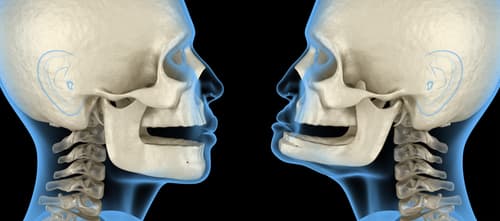
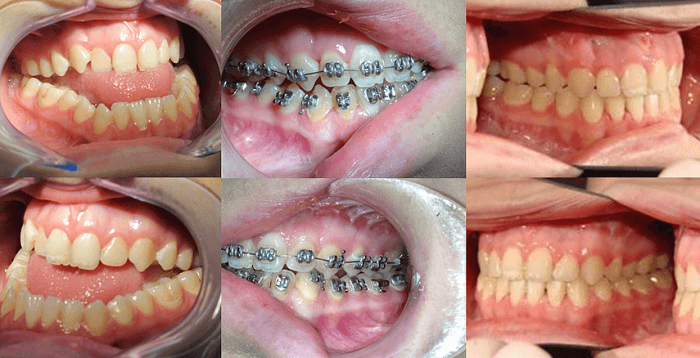
Imbalanced face shape, protruding upper or lower jaws, skewed jaws, retracted lower jaws, malocclusion, etc. These problems caused by abnormal jaw bone development may disturb people for life. In order to reconstruct a good bite relationship, upper and lower jaw bone relationship and tooth angle, there is a surgery that can bring changes to the patient. This is orthognathic surgery.
Orthognathic Surgery

When the difference between the abnormal position of the bones is too large that only by receiving orthodontic treatment cannot improve the problem, the orthodontist may suggest the patient to undergo orthognathic surgery. This surgery is recommended to perform after the jaw has been fully developed. Usually it is about 16 years old for women and 18 years old for men. This is to ensure that the bone would not change position due to continued development. Jaw bone volume matters for implants too, where grafting to rebuild the implant site is sometimes required.

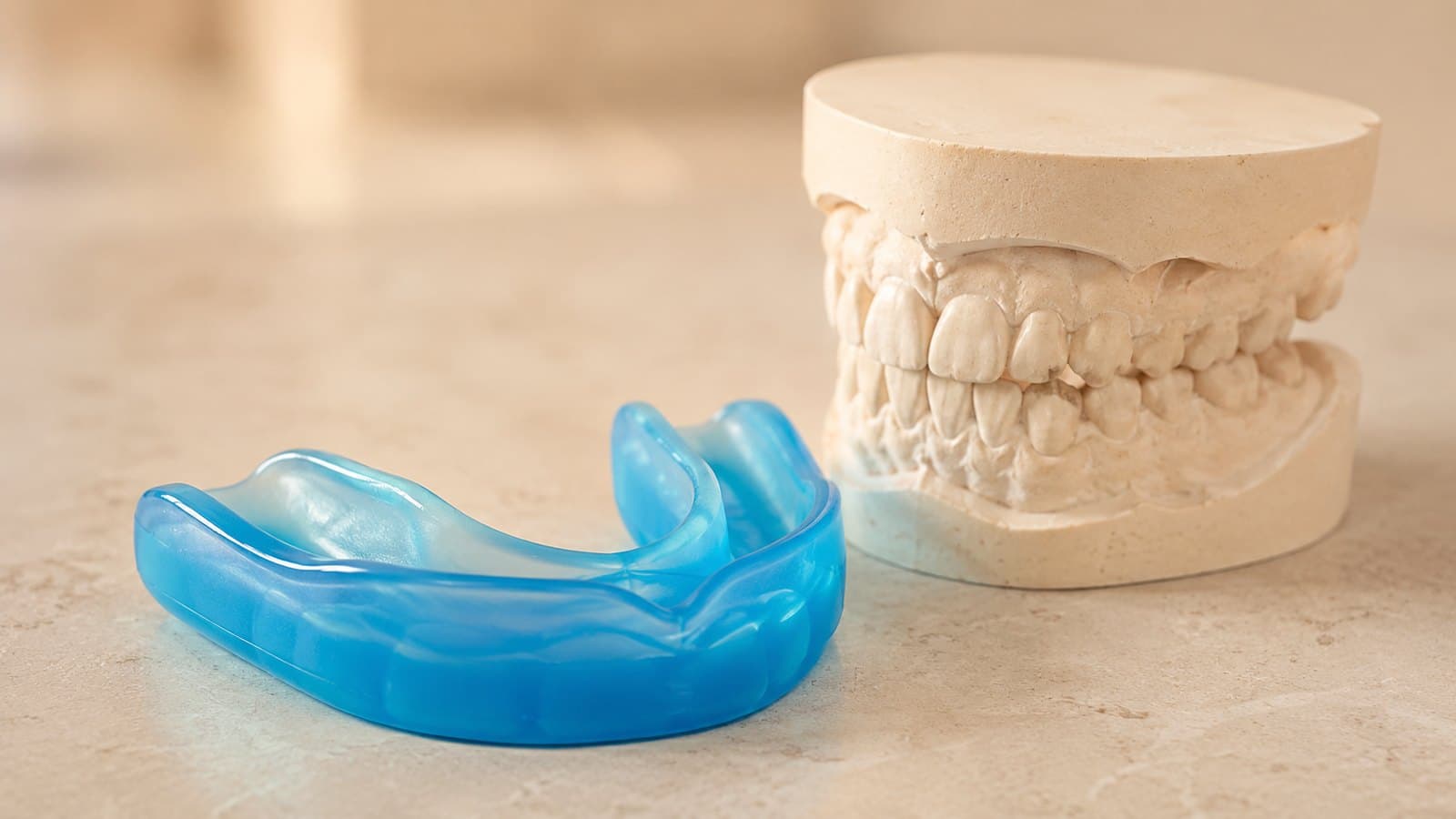
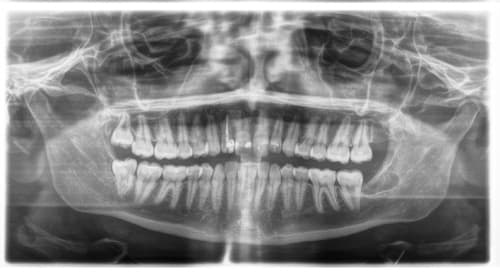
The orthognathic surgery will be carried out by a specialist in oral and maxillofacial surgery, aims to correct the abnormality of the upper and lower jaw bones. In addition, most of the orthognathic surgery needs to cooperate with orthodontics, the two doctors will discuss and formulate a plan according to the patient's situation. They will establish a 3D model, and predict the future oral condition and face shape changes. This operation needs to be performed under general anesthesia, and because of the recovery period after general anesthesia, hospitalization is required.
When Braces Aren't Enough: How Orthognathic Surgery Corrects Jaw Bone Problems

Orthognathic surgery is performed inside the mouth, all wounds will be hidden, so there will be no scars on the face. The sequelae of surgery include numbness of lips and chin after surgery, and some people may even lose consciousness. But the chance of these problems occurring is very low, usually will be recovering over time.

When Braces Aren't Enough: How Orthognathic Surgery Corrects Jaw Bone Problems

This operation can help people who are deeply troubled by abnormal jawbone development and imbalanced face to regain their confidence, change their appearance, and return to normal teeth chewing function. However, the cost of orthognathic surgery is not cheap, and it must also be matched with orthodontics. The cost of treatment is believed to be one of the major considerations for patients.

#Orthognathic surgery #imbalancedfaceshape #protrudingupperjaws #protrudinglowerjaws #skewed jaws #retractedlowerjaws

Article Info

First published: 2 May 2020

Last reviewed: August 2026

Share

FAQ

Frequently Asked Questions

  • How much does orthognathic surgery cost?

    Orthognathic surgery is quoted case by case because it is carried out in hospital; the orthodontic treatment before and after starts from HK$30,000. Most patients require braces as well, which adds to the overall investment. These cases require imaging-based planning, with complex cases managed by a specialist in Oral and Maxillofacial Surgery. After a clinical assessment we explain the fee components clearly, and treatment starts only with your consent. WhatsApp us to arrange a consultation where we can assess your situation and provide a personalised quote.

  • How long does the whole treatment process take?

    The complete process usually spans 18 to 24 months. This includes pre-surgical orthodontics to align your teeth (often 6 to 12 months), the surgery itself (requiring a few days in hospital), and post-surgical orthodontics to fine-tune the bite (another 6 to 12 months). Your oral and maxillofacial surgeon and orthodontist will work together to create a timeline tailored to your needs.

  • Will I have numbness or loss of sensation after surgery?

    Some patients experience temporary numbness in the lips or chin following orthognathic surgery. This happens because nerves near the surgical site may be affected. The chance of permanent numbness is very low, and most people recover sensation gradually over several months. Your surgeon will discuss this risk with you during your consultation.

  • At what age can I have orthognathic surgery?

    Orthognathic surgery is recommended after your jaw has fully developed — typically around 16 years old for women and 18 years old for men. Operating before full development risks the bones shifting position as you continue to grow. Your surgeon will assess your skeletal maturity before confirming whether you're ready for the procedure.

  • Will there be visible scars on my face?

    No. Orthognathic surgery is performed entirely inside the mouth, so all incisions are hidden. You won't have any external scars on your face. The surgical approach is designed to achieve the necessary bone repositioning whilst keeping the results cosmetically discreet.

  • Do I need braces before and after the surgery?

    Yes, most patients require orthodontic treatment both before and after orthognathic surgery. Pre-surgical braces align your teeth into the correct positions for the surgery, whilst post-surgical braces fine-tune the bite once the jaw bones have been repositioned. Your orthodontist and oral surgeon will coordinate this combined treatment plan.

  • How long will I need to stay in hospital?

    Orthognathic surgery is performed under general anaesthesia and requires hospitalisation for recovery. Most patients stay in hospital for a few days to allow monitoring during the initial healing phase. The exact duration depends on the complexity of your surgery and how quickly you recover from the anaesthesia.

Still wondering about something? Our team is happy to chat.

Reminder: You have the right to choose a Hong Kong dentist based on your individual needs. We recommend referring to the list of registered dentists published on the official website of the Dental Council of Hong Kong to make a choice best suited to your personal needs. The above content is intended to give you a brief introduction to the nature and effects of the relevant dental procedures, so that you can make informed decisions when choosing a dentist and related treatment options. All treatments have advantages and disadvantages — the key is that you must have a basic understanding of different treatments and procedures and be aware of the associated risks. The above content does not represent the professional opinion or views of any dentist or dental institution. For the sake of your health, please consult your family dentist for formal medical advice.

This article is compiled by the Public Education Team of Home Dental and has been reviewed and approved by the Content Review Committee of Home Dental. The Committee comprises members of our Board of Directors, legal advisors, and relevant professionals, and is responsible for vetting all externally published health education content to ensure it is professional, accurate, relevant to the local context, and regularly updated to meet Hong Kong dental service standards.

This content is originally produced by Home Dental, all rights reserved. Unauthorized reproduction, modification, or publication is prohibited. Violators will bear legal responsibility. For citation or partnership inquiries, please contact our center for written permission.

Last updated: Aug 2026

Orthognathic Surgery: Assessment and Treatment of Jaw and Bite Problems

Want to know more about Orthodontics?

31 general & specialist dentists · Licensed daycare procedure centre