
What Is Oral and Maxillofacial Surgery in Hong Kong?
Extraction

What Is Oral and Maxillofacial Surgery in Hong Kong?

Oral and maxillofacial surgeons handle complex extractions, wisdom teeth, TMJ disorders, implants and facial trauma — and when a referral makes sense.

What Is Oral and Maxillofacial Surgery in Hong Kong?

"My relative is injecting Prolia (a kind of Denosumab injection) regularly but is having toothache and has been examined to find tooth abscess. The previous dentist recommends tooth removal but we afraid that avascular necrosis would happen and will affect the jawbone. I would like to ask what specialist of dentist should we find if we want to do the extraction safely?"

Someone once asked me the above question. Sometimes, a general dentist will refer the patient to a specialist after diagnosis. This is an example. Prolia injection is a drug for the treatment of osteoporosis. The most worrying thing is the problem of avascular necrosis after tooth extraction, that is, the bone cannot heal by itself and cause jaw bone infection and collapse. This type of tooth extraction involves a high risk and needs to be evaluated in many ways. Generally, it is referred to a dental specialist in Oral and Maxillofacial Surgery (OMFS).

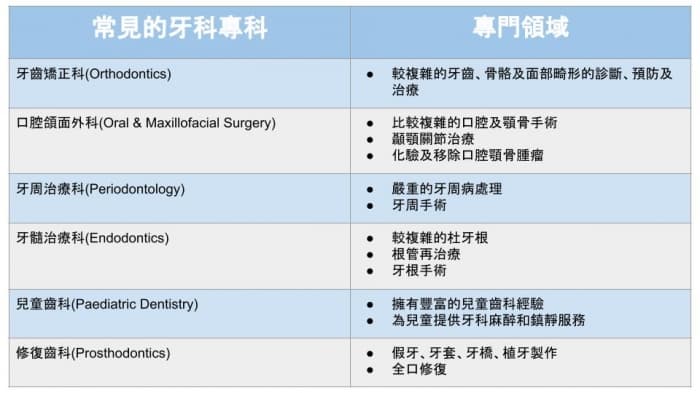
Oral and Maxillofacial Surgery (OMFS) is a specialty of dentistry. As of April 2020, there are 62 specialists of OMFS in Hong Kong. You may not know much about oral and maxillofacial surgery, we will now give a detailed introduction of the scope of services in this department.

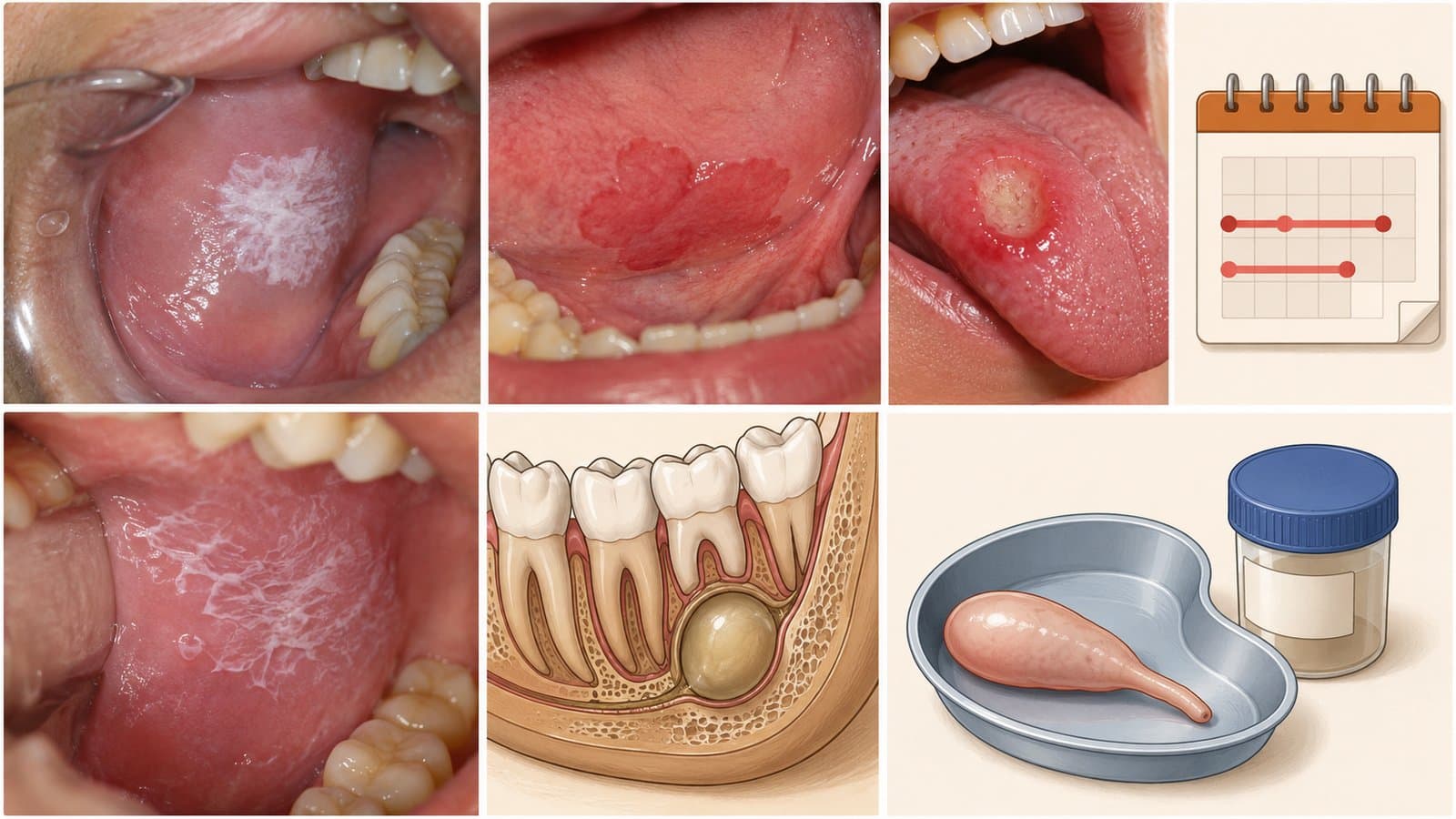
Oral and Maxillofacial Surgeons are mainly responsible for dealing with injuries and diseases related to soft or hard tissues of the oral cavity, teeth, jawbone and face, and are treated with drugs and surgery. These include complex tooth removal, surgical removal of wisdom teeth and impacted teeth, dental implants and related bone grafts, sinus lift surgery, temporo-mandibular joint (TMJ) treatment, cleft lip palate, facial trauma or fracture, and orthopedic surgery of the jaw bone. In addition, they will also do biopsy and removal for jaw bone cysts, oral tumors, and tissue hyperplasia. They have more comprehensive knowledge and research in these areas.

Dentists can perform most dental and oral surgeries. So, when do I need a specialist in oral and maxillofacial surgery?

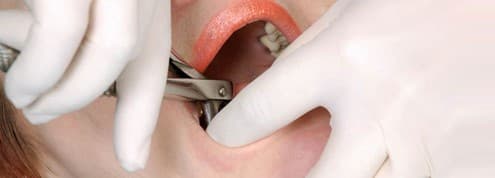
In the case of wisdom tooth extraction surgery, the patient will be advised to seek help from a specialist when a general dentist found that the wisdom tooth is close to the Trigeminal nerve or the case is very complicated after examination by x-ray and 3D scan. It needs to avoid touching the nerve during the tooth removal, otherwise may have sequelae if not handling it very carefully.

Based on the above example, if osteoporosis patients that are injecting Denosumab, they get a higher chance of suffering from avascular necrosis after tooth removal, the timing of tooth removal should be decided carefully. In the process of tooth removal, it may also be necessary to consider sutures for the wound and grinding of bones. Specialist in OMFS have rich surgical experience, which can minimize the risk for patients.

There are some people who have pain in temporo-mandibular joint (TMJ) or the movement of the TMJ is not smooth, but may think that it is not a problem caused by teeth. They may be confused with finding a dentist or what kinds of doctor. Oral and maxillofacial surgeons are experts in this field and can analyze TMJ problems and provide appropriate treatments for patients more professionally.

Oral and maxillofacial surgeons can also help patients with sleep apnea, make oral appliances for patients, and open the blocked airway by moving the jaw forward. If surgical treatment is required, oral and maxillofacial surgeon will reposition the patient's jawbone to expand the space behind the tongue, reducing the possibility of obstruction. The principle is like a crowded house. If you want more space in the house, in addition to removing the furniture in the house, you can also consider rebuilding to make the overall space larger.

If the patient does not know when need to find a specialist in OMFS, the general dentist will know whether the patient needs a referral after the examination. And in different situations, the oral and maxillofacial surgeon will also cooperate with other doctors.

#injectingprolia #denosumabinjection #oralandmaxillofacialsurgeons #complextoothremoval #surgicalremovalofwisdomteeth #dentalimplants #bonegrafts #temporomandibularjointtreatment #cleftlippalate #facialtrauma

Article Info

First published: 2 July 2020

Last reviewed: June 2026

Share

FAQ

Frequently Asked Questions

  • When should I see an oral and maxillofacial surgeon instead of a general dentist?

    You should see a specialist when your case is complex or high-risk — for example, if your wisdom tooth is close to the trigeminal nerve, if you're taking osteoporosis medication like Prolia, or if you have TMJ pain that hasn't responded to initial treatment. Your general dentist will refer you after examining your X-rays or 3D scans if specialist care is needed.

  • What is the risk of avascular necrosis after tooth extraction?

    Avascular necrosis (bone death) is a rare but serious complication, most commonly seen in patients taking Denosumab or similar osteoporosis drugs. The jawbone may fail to heal after extraction, leading to infection or collapse. An oral and maxillofacial surgeon will carefully time the procedure and use advanced surgical techniques to minimise this risk — always discuss your medication history before any extraction.

  • How much does wisdom tooth removal by a specialist cost?

    The cost depends on the complexity of your case — whether the tooth is impacted, close to nerves, or requires bone grafting. Surgical wisdom tooth removal typically starts from HK$2,000 per tooth, with more involved cases costing more. We provide a personalised quote after clinical assessment and imaging — WhatsApp us to arrange a consultation.

  • Can an oral and maxillofacial surgeon help with TMJ pain?

    Yes. TMJ (temporo-mandibular joint) disorders are a core area of expertise for oral and maxillofacial surgeons. They can diagnose the underlying cause — whether muscular, structural, or joint-related — and recommend treatments ranging from oral appliances to surgical repositioning if needed. If you're unsure whether your jaw pain is dental, a specialist consultation is the clearest route.

  • How long does recovery take after jaw surgery?

    Recovery time varies widely depending on the procedure. Minor surgical extractions may heal in one to two weeks, while orthognathic (jaw repositioning) surgery can require six to twelve weeks before you return to normal function. Your surgeon will give you a detailed timeline based on your specific treatment plan during the consultation.

  • Do I need a referral to see an oral and maxillofacial surgeon?

    Not always, but most patients are referred by their general dentist after an initial examination reveals a complex or high-risk case. If you already know you need specialist care — for example, you've been advised elsewhere or have a known condition like sleep apnoea — you can contact us directly to arrange a consultation.

Still wondering about something? Our team is happy to chat.

Reminder: You have the right to choose a Hong Kong dentist based on your individual needs. We recommend referring to the list of registered dentists published on the official website of the Dental Council of Hong Kong to make a choice best suited to your personal needs. The above content is intended to give you a brief introduction to the nature and effects of the relevant dental procedures, so that you can make informed decisions when choosing a dentist and related treatment options. All treatments have advantages and disadvantages — the key is that you must have a basic understanding of different treatments and procedures and be aware of the associated risks. The above content does not represent the professional opinion or views of any dentist or dental institution. For the sake of your health, please consult your family dentist for formal medical advice.

This article is compiled by the Public Education Team of Home Dental and has been reviewed and approved by the Content Review Committee of Home Dental. The Committee comprises members of our Board of Directors, legal advisors, and relevant professionals, and is responsible for vetting all externally published health education content to ensure it is professional, accurate, relevant to the local context, and regularly updated to meet Hong Kong dental service standards.

This content is originally produced by Home Dental, all rights reserved. Unauthorized reproduction, modification, or publication is prohibited. Violators will bear legal responsibility. For citation or partnership inquiries, please contact our center for written permission.

Oral & Maxillofacial Surgery

Want to know more about Extraction?

31 general & specialist dentists · Licensed daycare procedure centre