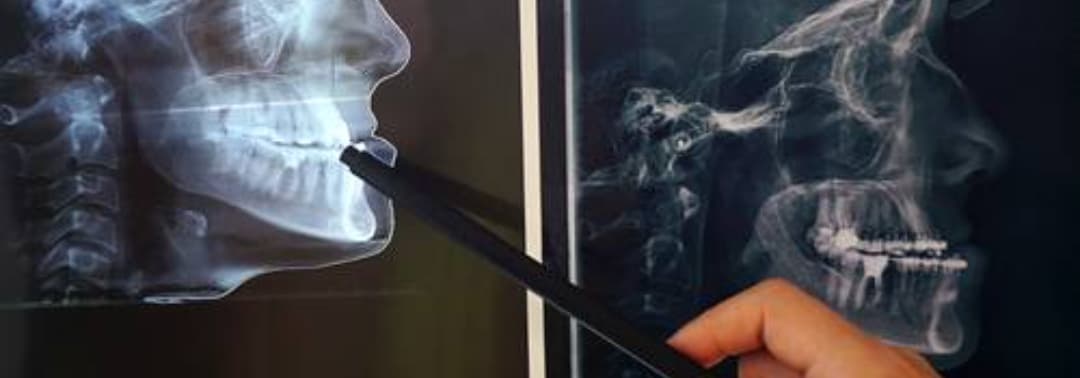
"Mandibular prognathism" usually refers to the situation that when the upper and lower rows of teeth are fully occluded, the lower incisors protrude and cover the upper incisors, or the chin protrudes more than the upper jaw when viewed from the side. Generally, patients with mandibular prognathism are often described as having an "oblong face"/"moon face" and the patients also may have the pronunciation problem.
Previous research data shows that Asians, including Hong Kong people, are more likely to have mandibular prognathism than Westerners, accounting for about 15% of the population. Most of the patients have a clear tendency for mandibular prognathism to grow during the developmental period or earlier (e.g., starting at the age of six).
Like other occlusal problems, mandibular prognathism can be caused by the angle at which the teeth grow, but mandibular prognathism are often more complex and difficult to deal with because the more common root cause is the jawbone rather than the teeth. Mandibular prognathism are generally caused by hereditary or personal genetic problems, and acquired factors are relatively few.
Is it possible to fix mandibular prognathism?
If parents suspect that their child may have mandibular prognathism, it is best to consult a dentist for a detailed evaluation when the front teeth are about to erupt (that is, around the age of six to seven). If mandibular prognathism is simply due to the position and angle of the teeth, early orthodontic treatment can generally effectively correct the position of the upper and lower incisors, and the treatment can be completed in about a year.
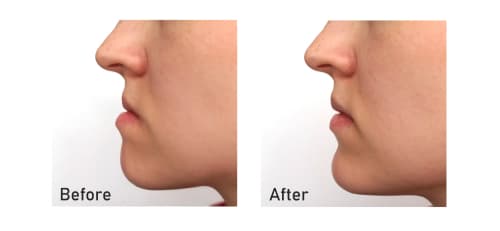
In addition to correcting teeth, early jaw development can also guide and improve the growth of the upper and lower jawbone, so that the development position of the upper and lower jaws is closer, to reduce the apparent prominence of the lower jaw. However, early treatment is only available for teens or young children whose teeth are still developing.
Although mandibular prognathism caused by the tooth growth (compared to jawbone growth) are easier to deal with, it does not mean that all skeletal problems must be solved by surgical means. The mandibular prognathism caused by the growth of the jawbone can effectively be fixed if they are treated through orthodontic treatment as well as tooth extraction and bone nailing.
When is surgery required?
Of course, if the problem of jawbone growth is serious, then it may be possible to achieve ideal results through orthodontic treatment combined with jawbone repair surgery (also known as orthognathic surgery). Although the time, risk, and cost involved are longer and higher than those of the other treatment options, patients who have received the surgery will usually benefit from significant improvements in their appearance, self-confidence, pronunciation and chewing function.
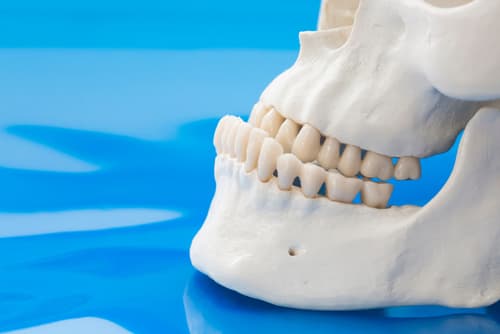
However, as the jawbone surgery cannot be completed until the patient becomes around 18 to 20 years old. If the doctor judges that the patient's condition warrants the surgery, often very young patients may need to wait for a long time before being able to receive the relevant operation.
If you have any questions, please consult your trusted family dentist.
When an underbite involves jaw position, surgery may be needed alongside orthodontics — see our orthognathic surgery service, explained by the dentist after assessment.