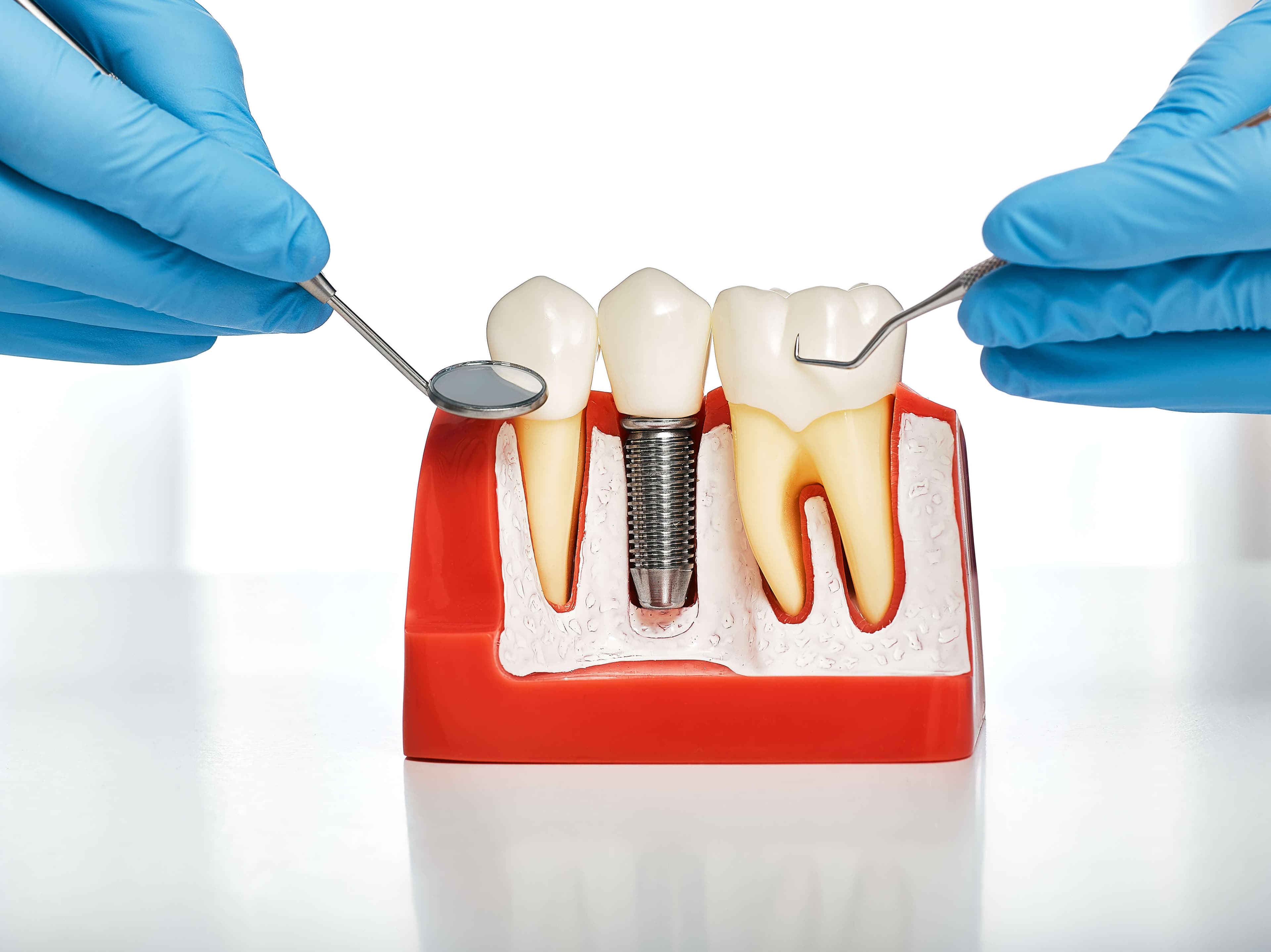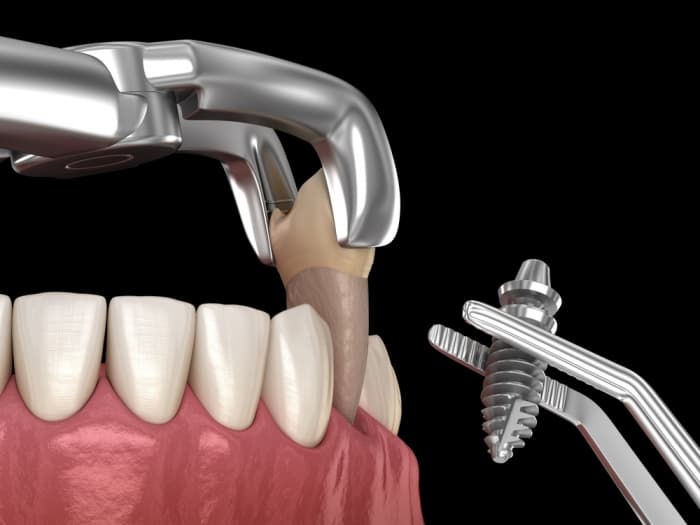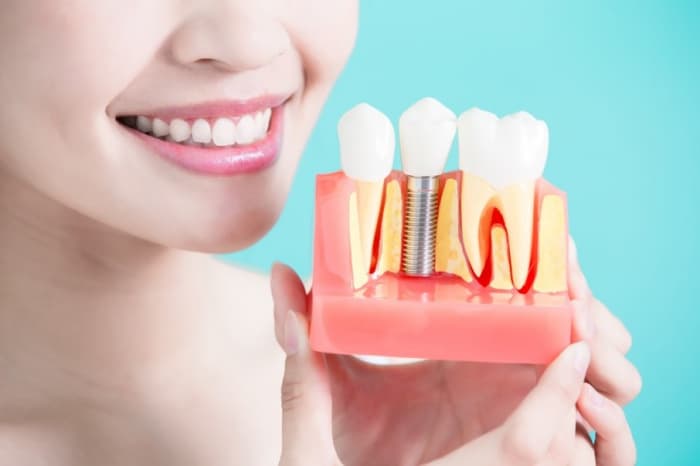
It is very difficult to place an implant without good dental bone as a foundation.
Why does tooth loss occur?
There are two most common causes of tooth loss:
1. There will be a cavity left after tooth extraction. Due to the loss of the occlusal pressure of the original teeth, the alveolar bone often cannot grow normally, and the alveolar bone will naturally gradually lose.
2. If the periodontal tissue is inflamed for a long time, when the periodontal disease bacteria continue to destroy the alveolar bone, the tooth bone will gradually shrink.
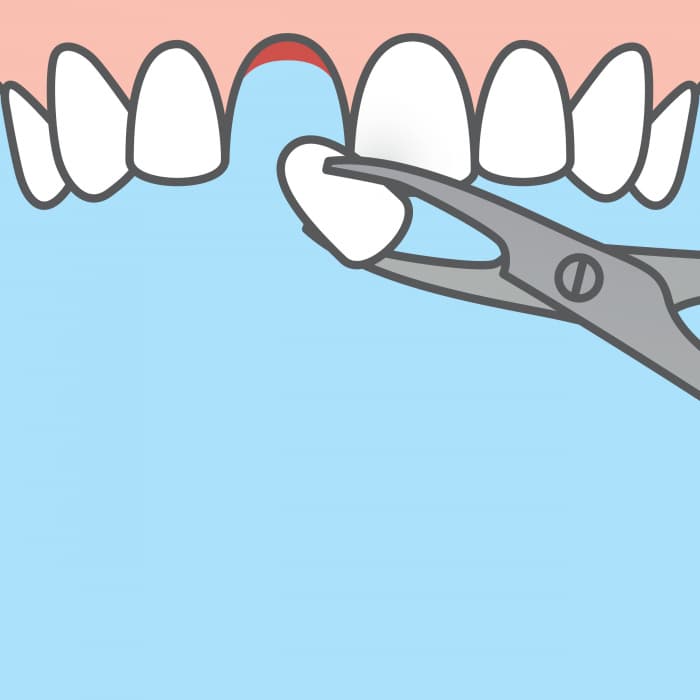
When will you need to do the bone graft?
For more difficult cases, it is often necessary to conduct another surgery in parallel - "bone graft" to increase the chance of success.
Dental bone graft is a surgical procedure used to increase the alveolar bone or increase the amount of bone that needs extra support. Generally, implantable dental bone is made of synthetic bone material or taken from other parts of the mouth and surgically fused seamlessly to the existing bone in the alveolar bone.
If there is insufficient alveolar bone, the implant is not only at risk of failure, but may even have other more serious problems.
If implanting teeth in the upper jaw, we need to pay attention to the height of the alveolar bone. If the height of the alveolar bone is insufficient, the implant may pierce the sinuses and cause sinusitis.

If the implant is in the posterior area of the lower jaw, the position of the alveolar bone is covered with many sensory nerves. If the implant is implanted with insufficient height of the alveolar bone, it is easy to damage the mandibular nerve (trigeminal nerve), and symptoms of tongue paralysis may occur.
If the location to be implanted is within the aesthetic area, especially the incisors, overly thin bone will hinder the aesthetics, and it is difficult to repair the implant when the gum shrinks.
How to do it?
For bone graft, the first step is to evaluate and calculate how much bone will need to be placed. If the amount of dental bone that needs to be implanted is not that much, there is a chance that it can be treated together with the dental implant surgery. When the implant is completed, bone grafting material will be added to the nearby position. After suturing, wait about 2 to 3 months to allow the dental bone to combine with the implant. Implant crowns can then be made.
If there is a lot of bone loss, the dental bone graft surgery should be separated from the dental implant surgery.
On the other hand, high-risk sinus lifts or extensive dental bone reconstruction may involve materials such as bone meal, periosteum, and fixation screws, and the waiting time will be longer, which can take as much as six months to a year until the bone growth becomes stable.

Bone loss due to periodontal disease will affect nearby teeth, and gum tissue will also make it more difficult to implant. Because the bone is completely lost, surgery is often required in two stages. The first stage is to repair the bone, then the second stage is implant.
Rome was not built in a day. Dental replacement is like "constructing a building". There are many procedures involved, including the need to draw up blueprints, fill in any cavities first, prepare a stable foundation, and build scaffolds on the foundation step by step, etc. But if the steps are correct and the implants are successfully fused with the dental bone, the artificial tooth can also become your good helper just like a real tooth, restoring the aesthetics and improving the quality of your chewing. Implants are generally more durable than other denture devices.
Whether bone grafting is needed, and whether it is done at the same time or in stages, is decided by a dentist from bone imaging. To see the pre-implant assessment and the overall treatment, refer to our dental implant service.