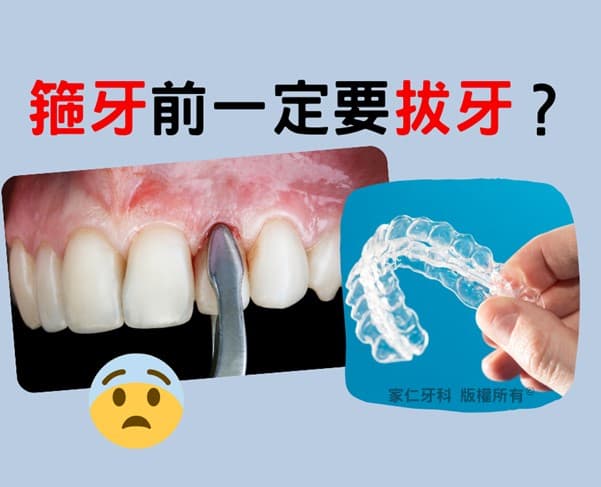
Many people have misconceptions about orthodontic treatment (braces), thinking that teeth must be extracted before braces for those with misaligned or protruding upper and lower front teeth. This misconception may discourage some from getting braces, but in reality, tooth extraction is not always necessary before orthodontic treatment. So when is tooth extraction needed, and when is it not?
Q1: Is tooth extraction necessary before braces?
If a patient has severe protrusion of upper and lower front teeth and significant crowding, tooth extraction surgery may be required before getting braces. Additionally, patients who need more space for tooth movement to align their teeth may also require tooth extraction. However, if the condition of the teeth is not too severe, extraction may not be necessary. In such cases, tooth reshaping through proximal reduction, a process that involves grinding the teeth to create more space for movement, may be sufficient. During the tooth reshaping procedure, there are regulations to ensure that no more than one-fifth of each tooth's proximal surface is removed, minimizing discomfort and preventing other dental issues after the surgery. Where the canines are the teeth sitting outside the arch, correcting prominent canines usually means creating space rather than removing the canine itself.
Q2: Will the spaces between teeth persist after extraction?
After wearing braces, teeth alignment becomes more orderly, and the spaces between teeth gradually close on their own. The duration of space closure depends on various factors, such as the patient's age and bone structure. Generally, the gaps will close within six to twelve months without the need for concern.
Not every patient needs tooth extraction before getting braces, as each case is unique. Some severe cases may require more than braces, and corrective jaw surgery might be necessary. In borderline cases temporary anchorage devices can create the space that would otherwise require an extraction.
If you have any questions, consult your dentist.
Whether extraction is needed is part of the orthodontic plan, judged on space and bite — see our orthodontic treatment service.