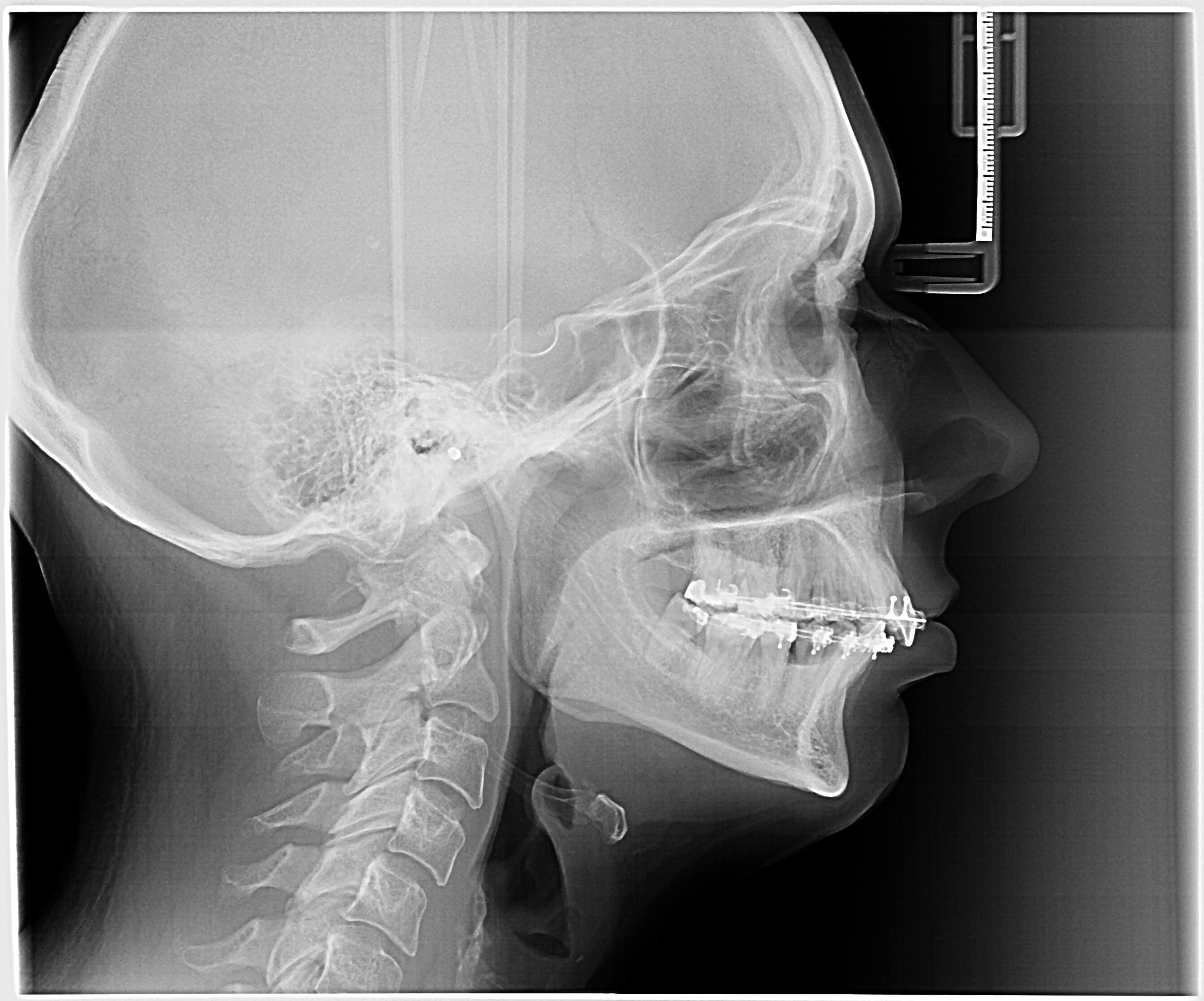
Last time, we presented a case of a patient who suffered a broken jaw due to an accidental fall. This type of case is a traumatic fracture that requires surgery by a dentist specializing in Oral and Maxillofacial Surgery (OMFS) under general anesthesia to help the bone return to its original position and heal. Below we will explain in detail how the dentist performs the operation and what the patient should pay attention to after the operation. The same fixation principles apply in planned corrective jaw surgery, though the planning is done well in advance rather than urgently.
Two types of surgery?
During the operation, the doctor will cut the epidermis from the oral cavity, or some easily concealed parts, directly deal with the displacement of the fracture, restore it to the normal part, and then fix the fracture with steel plates and nails.
However, in some cases, the surgeon will tie the upper and lower rows of teeth together with inter-jaw wires to maintain the occlusal relationship between the teeth, which usually lasts for three to six weeks before untying.
These two surgical methods of treatment are usually exclusive to each other. For example, if a limb is fractured, the doctor may "cast" the patient or insert a steel sheet for immobilization. It mainly depends on the location and condition of the patient's fracture, whether surgery can be performed, or whether the patient's physical condition is suitable for surgery.
For older patients, after being assessed as unsuitable for surgery, they will be immobilized with a "cast" method (using inter-jaw wires to bind the upper and lower rows of teeth together).
Sometimes surgery may not be necessary?
However, some fractures may not necessarily require treatment. One of the two major considerations in judging whether the doctor needs to deal with it is whether the appearance has been affected by changes, such as depression of the cheekbones, distortion of the bridge of the nose, etc.
Another consideration is whether the patient has a malocclusion. Malocclusion will cause chewing problems, so it needs to be dealt with. If the lower jaw is fractured at the temporomandibular joint (TMJ) position without any change in facial shape and occlusion, observation can be maintained without affecting daily life.
What should I pay attention to after surgery?
If you have received the surgery, although there will be wounds in the mouth, it will not be very swollen. It is not a problem to eat some soft diets by mouth, such as porridge, noodle soup, etc.
During the recovery period, you should try to avoid body collision or some strenuous exercise. As for the initial healing of the jawbone, it will take about six weeks, and then you can return to normal diet.
Oral hygiene should be maintained on a daily basis. Depending on the location of the surgery, there are outer layers (epidermal) or inner layers (intraoral).
Wound care is especially important at this time. The outer wound needs to be washed, and the mouth should be kept clean if the incision is located in the mouth. If you can do the action of rinsing your mouth and brushing your teeth, you should follow the dentist's instructions.
Post-operative swelling can be relieved with ice compresses, and the doctor will also prescribe appropriate anti-inflammatory and pain relievers. With the reduction of wounds and swelling discomfort, you can eat more types of food, but remember to rinse your mouth after eating.
Keep an eye on the condition of nearby teeth?
Due to the close relationship between the upper and lower jawbones and the teeth, the condition of the other teeth should be closely observed after the operation. In many cases, the teeth near the crack will become inflamed and necrotic because of the impact, resulting in a vicious circle in which the bone crack cannot heal. Therefore, if the above-mentioned situation occurs, the patient may need to receive further treatment of the root of the tooth, so as to avoid a long-term failure to fully recover.
If you have any questions, please ask your trusted family dentist.