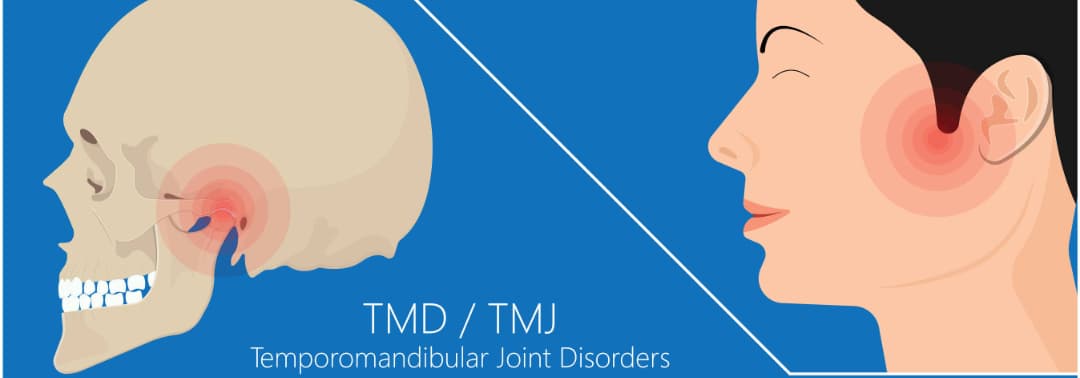
If you often make a "click" when chewing or opening your mouth, don't think it may just be a malocclusion and become accustomed to it, please be careful that you may have "temporomandibular joint disorder (TMD)".
In the past many years, this disease has been ignored by people, not because few people suffer from this disease, but because many people feel inexplicable headaches, earaches, neck pains, toothaches and they always don't know which specialist they should consult to seek for the diagnosis of the disease. As a result, the cause has not been found for a long time, and the treatment is delayed, which seriously affects the personal mood. A few years ago, a well-known local singer wrote an article to share that he was misdiagnosed as cervical spondylosis, cervical spine displacement, nerve inflammation, and even depression after suffering from TMD!
What is TMD?
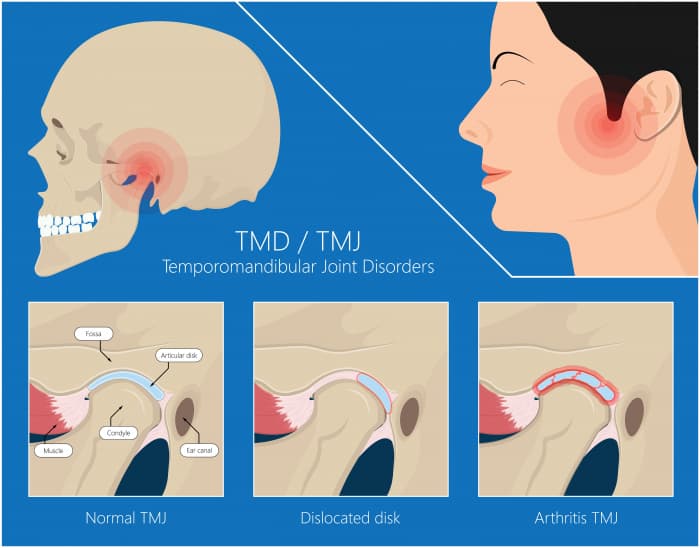
TMD mainly refers to the malocclusion or abnormal function of the TMJ, which may bring pain to patients and affect their daily life.
In fact, there is no need to despair in the face of long-term pain in the TMJ or nearby areas. If you seek medical advice from a professional dentist as soon as possible to determine the cause, there is often a way out. With the advancement of medicine, patients have a variety of treatment options. In appropriate cases, minimally invasive surgery can be used to improve joint function, eliminate pain, and enable the patients to regain the normal life.
Do you have TMD?
If you suspect you have TMD, let’s take a look to see if you have any two or more of the following symptoms. If you have, it is recommended that you seek medical advice from a professional dentist as soon as possible to determine whether you really suffer from TMD through clinical diagnosis.
1. The TMJ make a sound when they open and close
The most well-known symptom of TMD is a clicking or popping sound when the TMJ move, especially when yawning or opening the mouth wide. This noise may also occur when biting or chewing, and is especially loud, and some patients may find that this seriously disturbs their social life.
2. TMJ Pain
TMJ problems, like general joint problems, can be accompanied by a certain degree of pain. Pain may be accompanied by a clicking or popping sound of the TMJ, or pain during biting and chewing, and in severe cases the patient may not be able to open the mouth normally.
So, what is the normal range? If the height of the opening does not accommodate four fingers, it represents a lower-than-normal range.

3. TMJ feel stuck/stiff
When the patient is eating or moving his jaw, there may be a strange rubbing sensation on the TMJ, which prevents him from opening his mouth wide and causes a lot of inconvenience when eating.
Some patients also find that they cannot open their mouths when they want to laugh or yawn, and their pasterns are stiff or feel locked, which limits their movement. These are all clear signs of a problem with the TMJ.
4. Headache or ear or face pain
When a patient suffers from TMD, peripheral nerve tissue is compressed by the displaced portion of the pastern, which may cause diffuse pain radiating from around the TMJ.
Often many patients complain of ear pain. It is also common for patients to experience headaches, temple pain, or widespread headaches due to the interlocking of different structures in the head and face. As the pain range is relatively large, so many patients will first treat the head and foot pain first, and simply take painkillers to relieve the pain, but in doing so the root cause of the disease still cannot be completely eradicated. Joint pain frequently refers outwards, so pain felt across the cheekbone is worth ruling out when the ache is not clearly coming from a tooth.
Why do I get TMD for no reason?
The temporomandibular joint is the joint between the jaw and the skull, and the fibrous cushions (joint discs) between the bones keep the joint moving smoothly. If the articular disc in the temporomandibular joint is worn or displaced, it may press on nerves and other tissues, causing pain in the temporomandibular joint. Persistent joint symptoms occasionally sit on top of a skeletal jaw discrepancy, which is assessed and treated differently from TMD itself.
In many cases the cause of the disease is unknown. However, according to the relevant medical literature, risk factors that may increase disease include:
- Joint cartilage damage due to arthritis
- Joint damage from impact or other impact
- Injuries to the jaw, joints, or head and neck muscles, such as thumping or whiplash neck trauma
- Grinding your teeth at night or clenching your teeth too often, putting a lot of pressure on the pasterns
What should I do if I am unfortunate enough to suffer from TMD?
In addition to a complete solution to resolve the problem with pastern surgery, there are other relatively conservative treatment options, including:
1. Drugs
If the problem stems from the muscles near the TMJ, muscle relaxants or low-dose NSAIDs may be used to relax the TMJ to help reduce or manage the pain. If needed, the dentist will prescribe higher doses of anti-inflammatory drugs to treat pain and swelling.
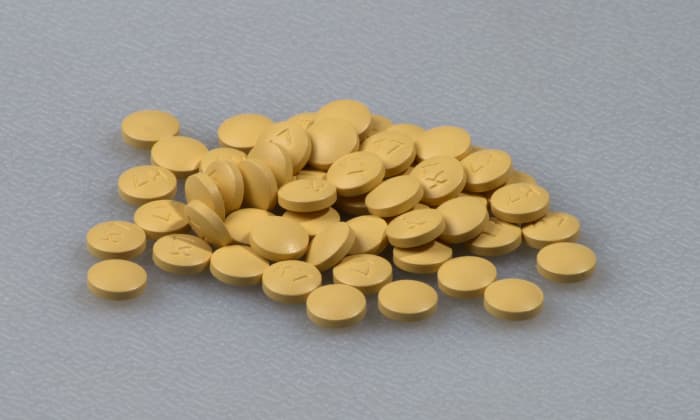
If a patient regularly grinds their teeth due to stress, doctors may need to prescribe anti-anxiety medication to help relieve stress and improve teeth grinding or excessive clenching.
2. To prevent teeth grinding
For patients who have the habit of grinding their teeth, after wearing the nightguard or splint, it can increase the buffer area between their upper and lower teeth, which can help reduce the negative impact of clenching or grinding, and help straighten the teeth to a more correct position.
3. Restoration of missing teeth
Missing teeth at the back of the mouth can also cause excessive occlusal force on the joints, which can lead to problems such as strain. Repairing missing teeth can help balance the occlusal surface of the teeth or correct occlusal problems. Dentures replace missing teeth and support joints from the back for a more stable bite.
4. Physiotherapy
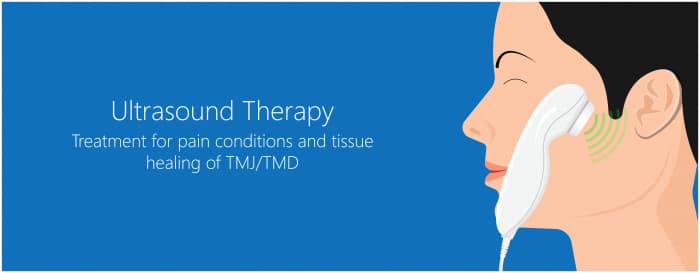
Patients can use warm packs for targeted exercise exercises under professional guidance to strengthen the jaw muscles. In addition, ultrasound, heat and freezing treatments can also help reduce inflammation in the affected area.
5. Minimally Invasive Therapy
Some oral and maxillofacial surgeons will use minimally invasive therapy to improve the function of the patient’s mandibular joint, such as arthrocentesis to remove debris and inflammatory substances in the joint, and then inject hyaluronic acid and other drugs to relieve the pain associated with the pasterns. Where conservative measures fail and the joint locks, joint lavage, known as arthrocentesis, is the usual next step.
Dental treatment can help to improve the discomfort and resolve the pain of TMJ. An early consultation with professional dentists is the crux to restore the health of TMJ. If you have any symptoms, it is advisable to make an appointment with your trusted family dentist for a clinical examination and diagnosis and to discuss appropriate treatment options.
If the clicking comes with pain, limited opening or a changed bite, it is worth a specialist assessment — see our oral and maxillofacial surgery service.