How to handle broken jawbone? (Part 1)
Extraction

How to handle broken jawbone? (Part 1)

What happens if you break your jaw? An OMFS specialist explains how fractures are diagnosed with X-rays and CBCT, and when ORIF surgery is needed.

Our daily life is sometimes dangerous and full of unexpected situations. Even if we accidentally fall, there is a chance of causing serious trauma. Let me share a case. The patient is a young man who accidentally fell down the stairs one day. His left jawbone was hitting the corner of the stairs. With severe pain, he rushed to the hospital for medical treatment. After examination, the doctor found that the patient's mandible was broken.

Need to find a dentist?

It was just in a matter of seconds that an accident happened. Although the patient knew that his jawbone was broken and required surgery, the waiting time at the hospital was long and there was no surgeon present, so the patient chose to apply for discharge and seek other medical assistance. In the end, a dentist who specializes in oral and maxillofacial surgery (OMFS) met him and provided him with treatment.

What is the diagnostic process like?

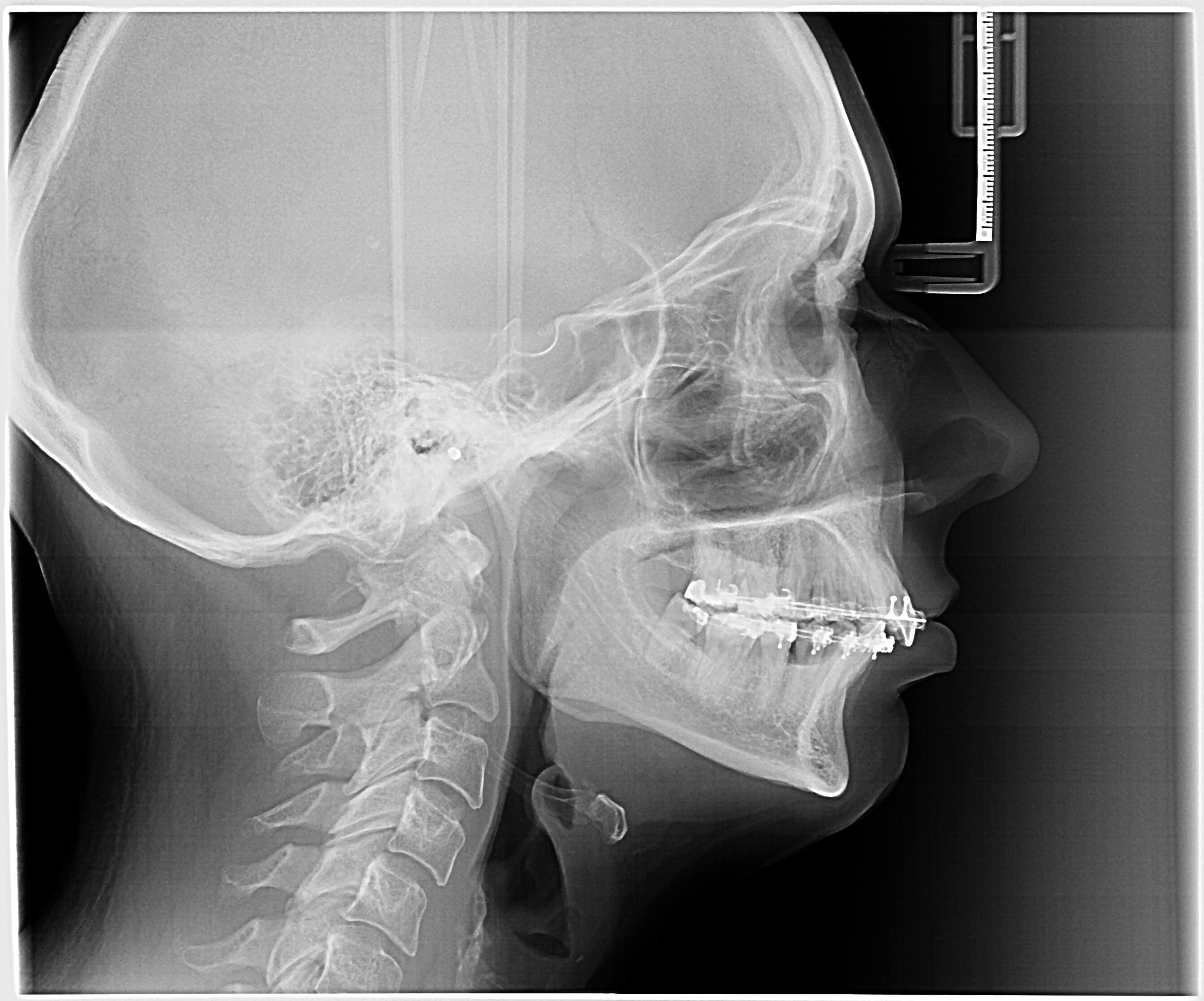
Because the accident happened at night, it was the second day when the patient came to the dental centre for consultation. By taking X-rays and 3D computed tomography scans (CBCT), the specialist in OMFS knew where the jawbone was broken and where were the affected teeth, analyze the distribution of fractures and formulate a treatment plan.

Mandibular fractures do not require immediate surgery. Usually, the patient can go home to recuperate and undergo surgery in a few days. At that time, the doctor immediately decided to arrange hospitalization four days later to perform surgery under general anesthesia. Open reduction and internal fixation (ORIF) were used to help the bones return to their original position and heal.

Two types of jaw fractures?

There are two main types of jawbone fractures.

The first type is traumatic fractures, which include traffic accidents, sports injuries, bodily collisions, chin bumps during a fall, or side-to-side collisions.

The second type is pathological, such as osteonecrosis or intraosseous tumor, which may erode the jawbone and break the jawbone.

The cases mentioned above belong to the first type of traumatic fractures. The more common traumatic facial fractures include nasal bone fractures, zygomatic fractures, maxillary fractures, mandibular fractures, orbital floor fractures and pastern fractures.

In fact, facial fractures are not just one fracture, but comprise more complex multiple fractures. For example, with a fractured jawbone, there is a chance of multiple fractured sites.

Next time we'll go into more details about how a specialist dentist performs a traumatic fracture restoration and what to look out for after the surgery.

If you have any questions, please ask your trusted family dentist.
 

Article Info

First published: 7 February 2022

Last reviewed: August 2026

Share

FAQ

Frequently Asked Questions

  • What should I do immediately after breaking my jaw?

    Seek medical attention straight away. A broken jaw requires professional assessment through X-rays and CT scans to determine the extent of the fracture. While surgery isn't always immediate, you'll need a specialist evaluation within 24 hours to plan treatment. Our oral and maxillofacial surgery team can assess your case and arrange appropriate care.

  • How long does it take to treat a broken jawbone?

    The timeline varies by case. After initial assessment with X-rays and CBCT scans, surgery is typically scheduled within a few days rather than immediately. The procedure itself uses open reduction and internal fixation (ORIF) under general anaesthesia. Recovery time depends on fracture complexity, which your surgeon will discuss during consultation.

  • What causes jawbone fractures besides accidents?

    There are two main types. Traumatic fractures result from falls, traffic accidents, sports injuries, or physical collisions. Pathological fractures occur when conditions like osteonecrosis or bone tumours weaken the jaw. Facial fractures are often complex, involving multiple sites rather than a single break.

  • How much does jawbone fracture surgery cost?

    Cost depends on fracture complexity, number of affected sites, and whether general anaesthesia is required. Oral and maxillofacial surgery fees vary significantly by case. We provide a personalised quote after clinical assessment and imaging. These cases require imaging-based planning, with complex cases managed by a specialist in Oral and Maxillofacial Surgery. After a clinical assessment we explain the fee components clearly, and treatment starts only with your consent. WhatsApp us to arrange a consultation with our OMFS specialist.

  • Can a broken jaw heal without surgery?

    Not all fractures require surgery, but professional assessment is essential. The treatment approach depends on fracture location, displacement, and whether teeth are affected. Your oral and maxillofacial surgeon will review your scans and recommend whether surgery or conservative management is appropriate for your specific case.

  • What are the risks of delaying treatment for a broken jaw?

    Delayed treatment can lead to improper healing, chronic pain, difficulty chewing, or permanent facial asymmetry. While immediate surgery isn't always necessary, assessment within 24–48 hours is crucial. Waiting too long may complicate treatment and affect outcomes. Seek specialist care promptly after any jaw injury.

Still wondering about something? Our team is happy to chat.

Reminder: You have the right to choose a Hong Kong dentist based on your individual needs. We recommend referring to the list of registered dentists published on the official website of the Dental Council of Hong Kong to make a choice best suited to your personal needs. The above content is intended to give you a brief introduction to the nature and effects of the relevant dental procedures, so that you can make informed decisions when choosing a dentist and related treatment options. All treatments have advantages and disadvantages — the key is that you must have a basic understanding of different treatments and procedures and be aware of the associated risks. The above content does not represent the professional opinion or views of any dentist or dental institution. For the sake of your health, please consult your family dentist for formal medical advice.

This article is compiled by the Public Education Team of Home Dental and has been reviewed and approved by the Content Review Committee of Home Dental. The Committee comprises members of our Board of Directors, legal advisors, and relevant professionals, and is responsible for vetting all externally published health education content to ensure it is professional, accurate, relevant to the local context, and regularly updated to meet Hong Kong dental service standards.

This content is originally produced by Home Dental, all rights reserved. Unauthorized reproduction, modification, or publication is prohibited. Violators will bear legal responsibility. For citation or partnership inquiries, please contact our center for written permission.

Last updated: Aug 2026

Oral & Maxillofacial Surgery

Want to know more about Extraction?

31 general & specialist dentists · Licensed daycare procedure centre