Hong Kong's aging population continues, and Hong Kong people are increasingly concerned about dentures. Each permanent tooth has its unique function, and the loss of some key teeth could potentially weaken chewing and digestion capabilities, and even severely impact appearance. If teeth are lost due to aging, congenital absence, or extracted for other reasons, how should one choose dentures to restore the functionality of missing teeth? Do you know what types of dentures are available? Home Dental takes you through an article to understand the three major types of dentures and the differences between them, so that you can be clearer about which type of dentures to choose!
Necessity of wearing removable dentures/fixed dentures - understanding the functions of different teeth
Different types of teeth have distinct functions, each with its own role to play. The following table provides a simple overview of the functions of different types of teeth and the potential negative impacts of missing these types of teeth.
| Tooth type | General function | The impact of missing this type of tooth |
| incisor | Cutting food, affecting pronunciation and appearance | Impaired appearance, obstructed pronunciation, affecting social interactions and mental health |
| canine | tear food | Unable to tear food, putting more pressure on other teeth, affecting food digestion and absorption |
| molar | Use the occlusal surface to grind food | Difficult to grind food, digestive problems |
If the number or degree of missing teeth significantly affects function, dentures need to be fitted to prevent the above-mentioned problems from occurring or worsening.
Types of dentures
1st common type of dentures: Removable dentures
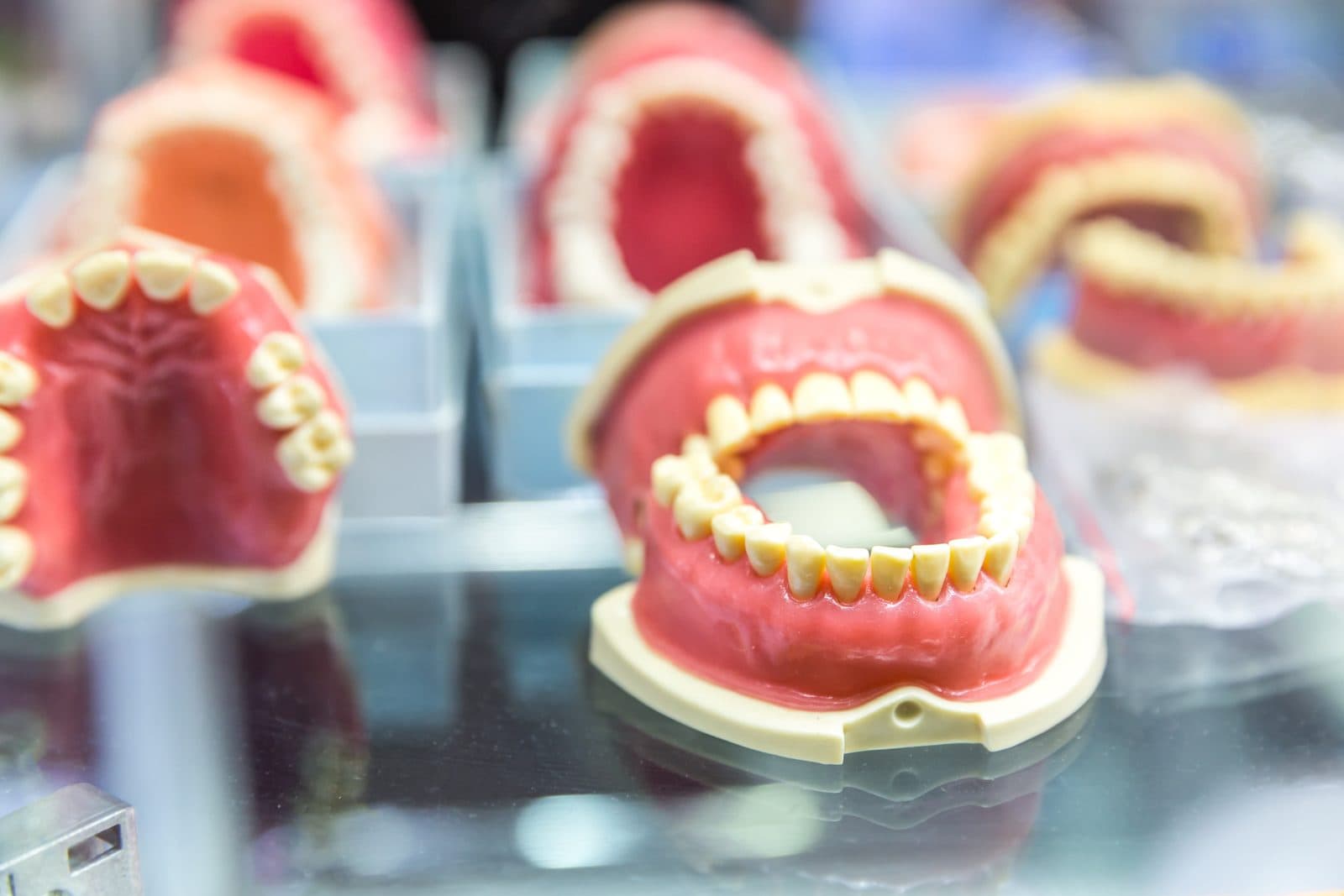
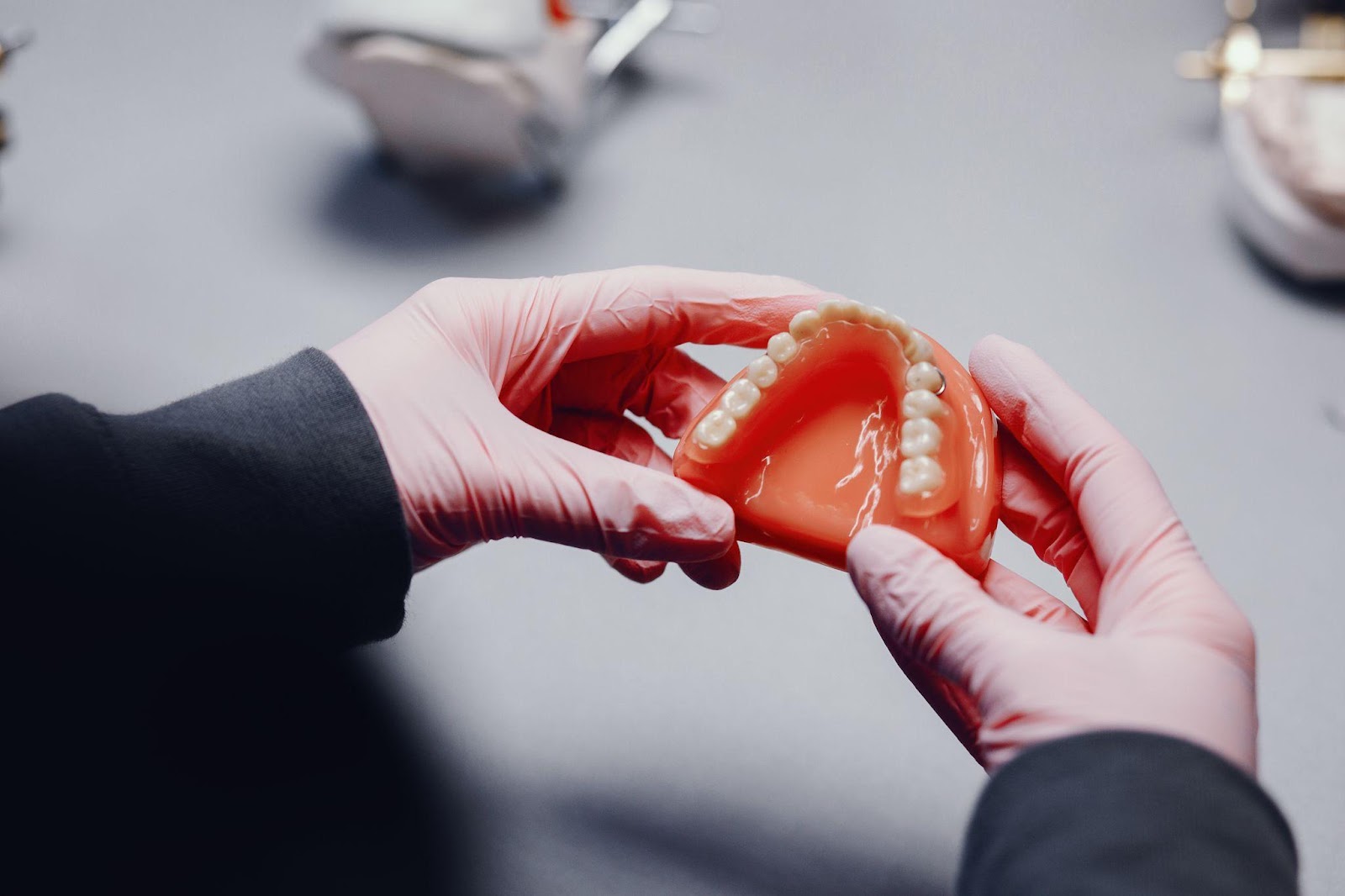
Removable dentures allow users to put them on and take them off by themselves. They are typically secured in the mouth using the built-in metal or clasp mechanism of the removable dentures. But are there only one type of removable denture? Not exactly. Removable dentures are further categorized into full-mouth removable dentures (also known as complete dentures) and partial removable dentures.
Complete dentures

Complete dentures are generally used when there are no natural teeth remaining in the entire mouth. The users are mainly older people. The material commonly used for making these complete removable dentures is resin.
Traditional removable dentures
A removable denture that is secured in the oral cavity through a vacuum-like pressure. The stability of traditional removable denture is relatively low. Generally, the oral structure of the elderly changes with age, and the alveolar bone gradually shrinks. This makes it more prone to denture looseness and poor fit. There is a chance that the dentures will squirt out and even rub against the mouth during speech, vigorous movements, or when eating. This can even lead to friction and cause oral ulcers. On the other hand, this type of removable dentures is more affordable and can be worn without the need for surgery. Hence it is a common choice for many elderly people.
Implant-supported removable denture
Implant-supported removable dentures, also known as semi-fixed removable dentures, can be placed with implants from the gum onto the underlying bone. Afterward, magnetic suction is used to secure the denture in place. This method offers higher stability, improved chewing function, and reduces the occurrence of alveolar bone and gum resorption. Whichever type is fitted, daily care and adjustment determines how comfortable it stays over the following months.
Partial removable denture
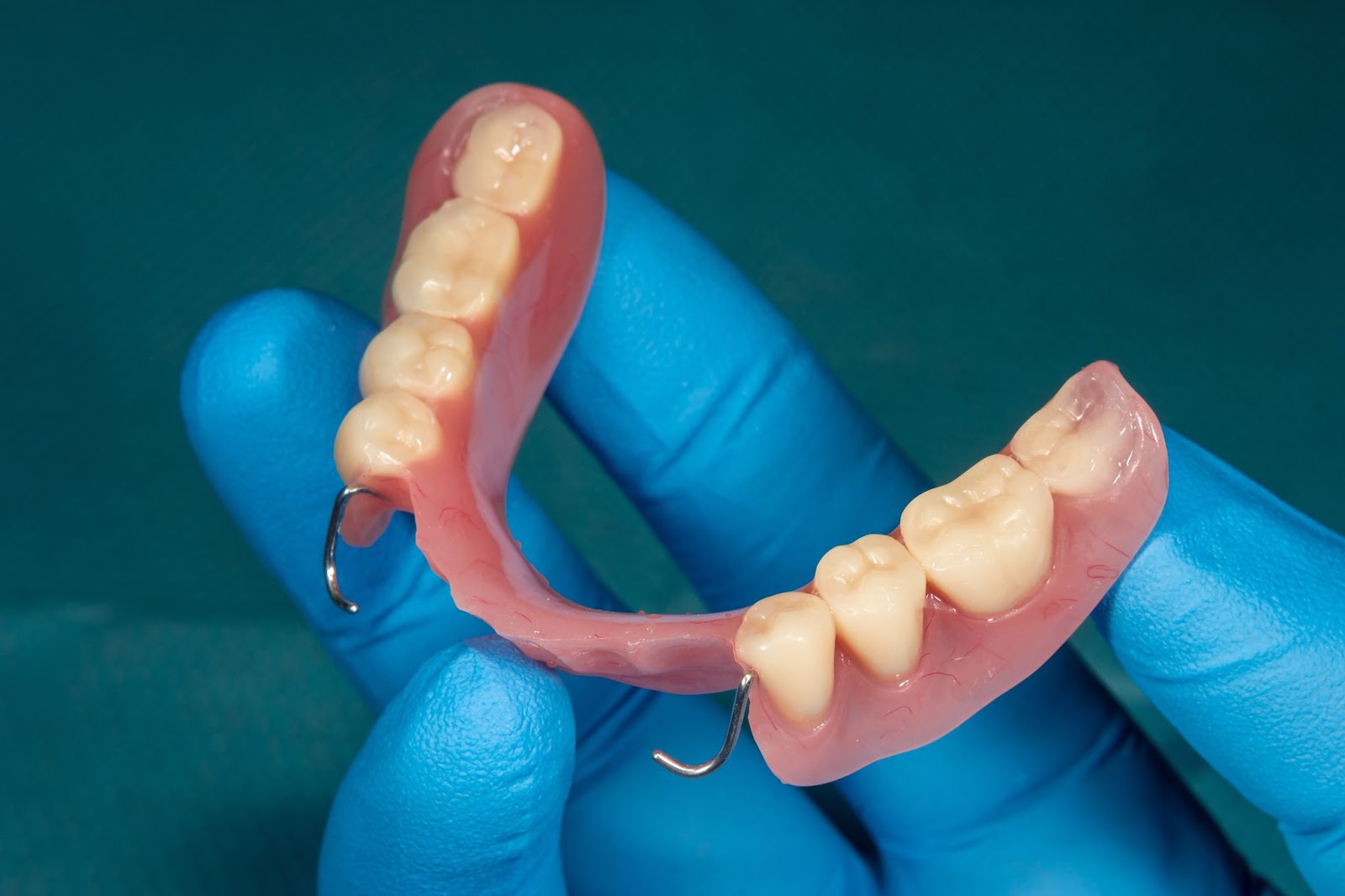
Partial removable dentures are suitable for those who still have teeth in the mouth, but only some of them are missing. The teeth of removable dentures are also made of resin, but the frameworks on both sides of the teeth are more often made of stainless steel (harder framework) or resin (softer and elastic soft beds).
Metal framework
Removable dentures that utilize metal frameworks generally come at a lower cost. They involve metal clasps that hook onto the remaining adjacent teeth. T Each individual needs to customize the framework according to their own conditions. Since the fixation principle of this type of removable dentures only relies on the metal clasps on both sides, its biting force is relatively weaker compared to other types of dentures. Simultaneously, since the metal part is more easily exposed, the aesthetics are compromised.
Flexible denture
Flexible denture is softer and more elastic, and the soft bed is semi-translucent. The color is closer to the original gum color, makes them less noticeable, and their presence as dentures is less likely to be detected. However, due to the soft and elastic nature of the material, flexible soft beds are prone to deformation, which is why they are generally not recommended for long-term use. As a result, they are a common type of temporary denture.
Complete denture vs Partial removable denture
The table below briefly compares the differences between complete denture and partial removable denture:
| Complete denture | Partial Removable Denture | |
| Applicable situation | all teeth are missing | missing some of the teeth |
| Differences | complete dentures imitate the entire interior of the mouth | Partial removable dentures only imitate the oral conditions around the missing teeth |
| Advantages |
|
|
| Disadvantages |
|
|
| Common materials |
|
|
Procedures of making dentures
1. Examination of oral conditions and assessment of the type of dentures needed (e.g. clinical diagnosis and X-ray examination)
2. Imprint and test soft tissue adhesion
3. Making intraoral bite wax
4. Preliminary trimming of removable dentures
5. Complete the production of dentures, check and fine-tune the final occlusal surface and tissue surface
Things to know after fitting removable dentures
1. Feeling of foreign object is a normal phenomenon
When initially fitting removable dentures, due to the relatively large volume of the dentures, there will be more or less discomfort or foreign body sensation, which is a normal phenomenon. In the early days of wearing the dentures, there may be increased saliva, stiff facial muscles, and abnormal pronunciation, but these conditions will gradually return to normal after getting used to the dentures.
2. How to care for dentures
You can gently brush your dentures with a soft-bristled toothbrush and soak in cleaning solution for at least 30 minutes after meals to thoroughly clean your dentures. Before wearing dentures again, wash them with cool water and put them back on. Do not use hot water.
3. Avoid wearing dentures for prolonged periods
Prolonged denture wear can lead to gum recession and loss of alveolar bone, potentially resulting in a sunken facial appearance over time. Hence, it is recommended to avoid continuous 24-hour denture wear and provide ample rest for the gum tissues.
4. Regular check-ups
As time goes by, our oral condition may undergo changes. When using dentures, it is advisable to schedule regular check-ups to ensure that the dentures are properly fitted and functioning without any abnormalities. This helps to confirm that the fit is sufficient.
2nd common types of dentures 2: fixed dentures
In addition to the removable dentures mentioned above, another option is fixed dentures. There are two general types of fixed dentures: bridges and implants. Once you have settled on a denture type, how dentures compare with implants on price is the next question most patients ask.
Fixed dentures 1:dental bridges

The first type of fixed dentures — dental bridge, refers to using the teeth adjacent to the missing tooth as a "bridge", fitting the denture in the position of the missing tooth, and assembling the denture on the adjacent teeth using a specialized adhesive to create a dental bridge. When preparing for the inlay of the dental bridge, the adjacent teeth may need to be slightly reduced in size according to the situation, followed by the formal impression of the dental model.
Fixed dentures 2:dental implants
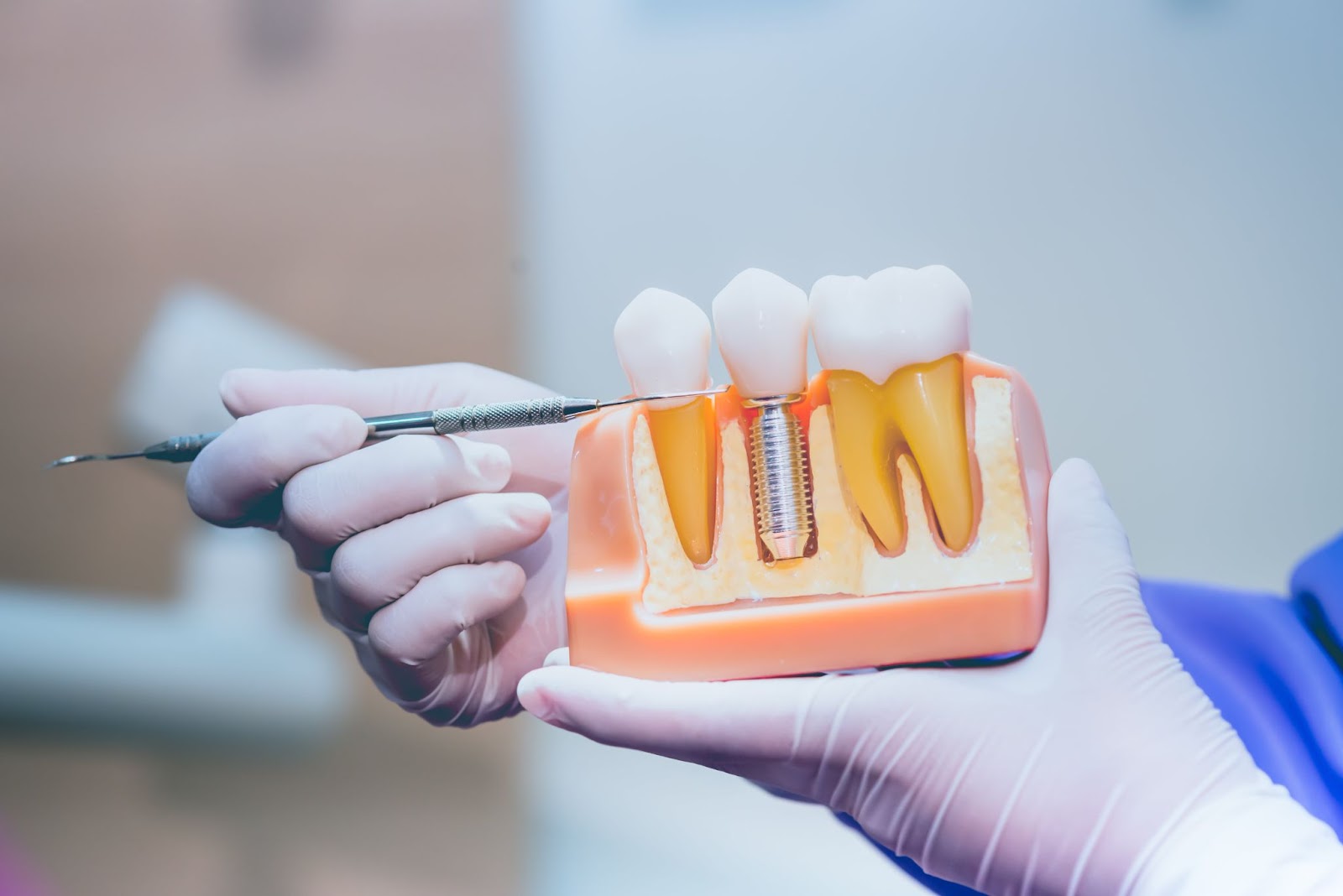
The second type of fixed denture is implant surgery, in which a dental implant is surgically placed into the jawbone at the site of the missing tooth. After the wound has healed and recovered, will wait until the bone fuses with the implant fixture. A dental impression is taken to create a dental model for the fitting of a crown. The crown is then attached to the dental implant to provide a stable and fixed solution.
Materials of crown
1. Full metal
The metal materials used for metal crown can vary. The more common options include cobalt-chromium alloy and titanium alloy crowns. These materials offer benefits such as high strength, durability, and cost-effectiveness. However, they may potentially lead to minor allergic reactions and the appearance of black lines along the gum edges.
2. Full ceramic
This type of crown does not contain any metal components, and in terms of appearance, its color and light transmittance are similar to natural teeth, and the simulation effect is good. There will be no gum sensitivity, and the bonding with natural teeth is better.
3. Porcelain outer layer
Both of the above denture materials can have an additional porcelain layer to enhance aesthetics. However, this material is generally more suitable for anterior teeth rather than posterior teeth, in order to prevent porcelain fracture caused by prolonged occlusal forces on the posterior teeth.
Advantages and disadvantages of fixed dentures
Advantages
Fixed dentures offer higher stability. Due to their smaller size and better fit with natural teeth, they tend to cause less discomfort or foreign sensation. Compared to removable dentures, individuals often adapt more quickly to fixed dentures.
Disadvantages
The fabrication of fixed dentures requires more complex preliminary examination steps. Not everyone is suitable for direct fixed denture surgery or bridge fabrication surgery. Some individuals may require additional procedures such as sinus lift surgery before dental implantation. What's more, if the dentist evaluates the patient's gum bone quality before the dental implant surgery is not up to standard, there is a chance that the surgery cannot be performed.
On the other hand, adjacent teeth need to be ground off when making a bridge, which may lead to problems such as tooth pain and allergies, requiring follow-up treatment, such as root canal treatment.
Common types of dentures 3: temporary dentures/bridges
Different from removable dentures and fixed dentures, temporary dentures are used to replace unfinished permanent dentures for short-term use by patients during the transitional period (e.g. rehabilitation period after dental implant surgery). The types of temporary dentures generally include removable dentures, Essix retainer dentures, and fixed Maryland bridges. Beyond the removable-versus-fixed distinction, premium denture and bridge options differ mainly in the materials and the fit.
Find the right experienced dentist to avoid the trouble of making dentures
Patients often focus on the choice of denture type while overlooking the importance of selecting a highly skilled dentist. Whether opting for removable or fixed dentures, dentists play a crucial role in areas such as initial diagnosis, denture selection consultation, denture accessory and main body fabrication, and addressing any discomfort after denture placement.
The surgical procedure for fixed dentures is especially reliant on the experience and skills of the dentist. Prior to the surgery, the dentist needs to possess ample experience to accurately assess whether the patient's oral condition is suitable for the procedure. They also determine what preparatory steps the patient needs before undergoing formal denture implantation or bridge surgery. Insufficient experience and technique could lead to severe inflammation around the implant, denture loosening, implant component fractures, gum disease, and pulpitis. Therefore, when choosing the type of denture, it is crucial to thoroughly understand and evaluate the dentist's service reputation, quality, and professional experience.
We believe the introduction to different denture types provided above gives you a preliminary understanding of denture-related knowledge. If you are still not sure whether removable dentures or fixed dentures are suitable for you, you may wish to seek advice from a professional dentist. After the professional assessment and understanding of your oral cavity and dental conditions, you can choose the most suitable denture option for yourself.