When a patient hopes to resolve toothache issues through simple dental fillings, it can be shocking to hear from the dentist that root canal treatment (endodontic therapy) is necessary. Root canal treatment may seem inevitable from the patient's perspective, but from a dental standpoint, it is an effective method for preserving damaged teeth, preventing them from being extracted, and has saved countless patients' teeth in the past.
How does root canal treatment save teeth?
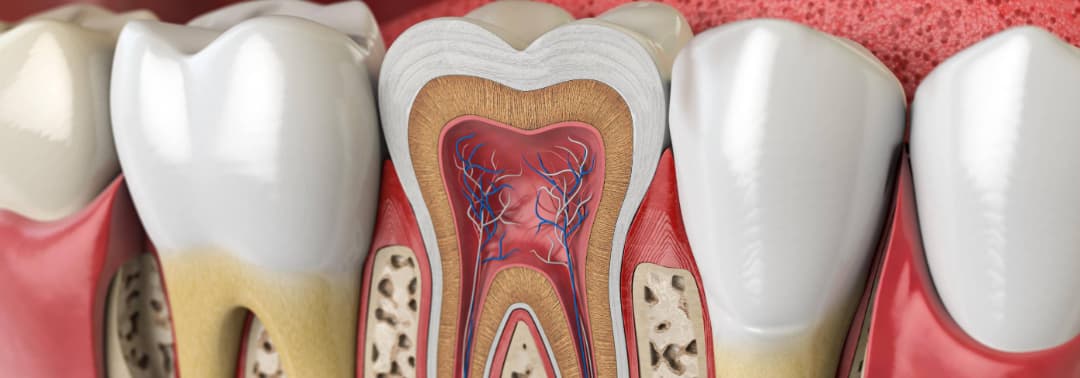
Conditions like cavities, fractured teeth, or teeth subjected to repeated treatments can lead to infection and inflammation of the dental pulp inside the tooth. Without timely intervention, this can result in severe pain or the formation of an abscess. The dental pulp is vital for the tooth's vitality, and when it becomes infected, the only solution is often a root canal to remove the affected pulp.
Preserving teeth is crucial, and root canal treatment provides an opportunity to avoid tooth extraction. During root canal therapy, the dentist removes the inflamed and infected dental pulp, thoroughly cleans the inside of the tooth, and fills and seals the space with sterile materials, allowing the natural tooth to be preserved.
How to determine the need for root canal treatment based on different levels of tooth pain?
Reversible Pulpitis:
When teeth feel pain upon exposure to hot, cold, or certain stimuli but not spontaneously, it may indicate reversible pulpitis. This stage might be due to a cracked root or the dental pulp's nerve being irritated by bacteria. It's crucial to see a dentist to prevent further development, and the inflammatory condition of the nerve can be reversed with treatment. Root canal therapy is generally not needed at this stage.
Irreversible Pulpitis (Early Stage):
Teeth may experience intense pain, pain upon biting, sensitivity to heat and cold, and pressure, with possible swelling. The pain may be diffuse, making it challenging to pinpoint which tooth is affected. This could be a signal that the nerve is dying, and root canal treatment may be necessary.
Irreversible Pulpitis (Late Stage):
Symptoms are similar to the early stage, but the tooth experiences extreme pain. At this point, it's evident which tooth is causing the pain, and root canal treatment becomes a necessary option.
Necrosis of the Dental Pulp:
Even when the nerve is dead, teeth may still feel pain under pressure, and there may be occasional swelling, but generally, there are minimal symptoms. Over several years, as the dental pulp decays, root canal treatment is still necessary, despite the absence of pain.
Is root canal treatment necessary even if the tooth is no longer painful?
Although the nerve in the tooth may have died, it can remain dormant for years without causing pain. However, root canal treatment is still required because bacteria and pus replace the nerve in the pulp chamber, leading to chronic low-grade infection that can spread to the tooth's structure and cause bone loss.
Long-term exposure to roaming bacteria in the oral cavity not only affects health but may also lead to sudden dental issues. If left untreated, significant abscesses (dental cysts) may occur.
Are there situations where root canal treatment cannot be performed?
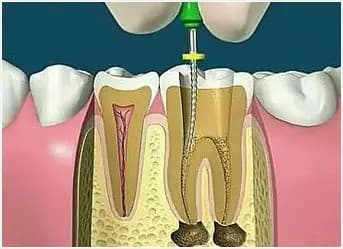
Most diseased teeth can be preserved through root canal treatment, but there are situations where root canal is not feasible due to the tooth's inherent conditions, such as:
- Inaccessible root canals
- Fractured root canals
- Severe decay of the tooth
- Severe mobility of the tooth or insufficient bone support
When traditional root canal treatment is not possible, attempts can be made to perform pulp surgery to salvage the tooth.
Root canal treatment requires traceable symptoms
The severity of dental issues that necessitate root canal treatment often involves prolonged pain, sensitivity to heat and cold, sometimes even pain upon breathing cold air. Additionally, signs such as tenderness, swollen lymph nodes, bubbles on the gums, or bad breath may be present. However, individual cases can vary, and sometimes there might be no noticeable symptoms.
Determining when a tooth can be filled and when root canal is needed has become more grounded in years of medical technological development. Each patient's situation is unique, and dentists recommend root canal treatment based on imaging analysis and clinical expertise when they deem it suitable to save a critically affected tooth.
If you have questions, consult your trusted family dentist.
Before deciding on treatment, many patients ask about cost. See the article on the four factors behind root canal treatment fees to understand what shapes a quotation.
Whether a tooth needs root canal treatment can only be confirmed by examination and an X-ray. See our root canal treatment service for how the treatment is assessed and carried out.