In recent years, an increasing number of Hong Kong residents are seeking more cost-effective dental implant treatments, with some being attracted by the competitive prices offered in other regions. Let's delve into the distinctions between receiving dental treatment in Hong Kong and abroad, providing examples to assist patients in making informed decisions.
Beyond price, five things are worth checking when choosing an implant dentist: Hong Kong registration, relevant specialist training, an X-ray/CBCT and written treatment plan before surgery, an itemised quote, and who handles complications. Treatment outside Hong Kong may cost less, but the implant system, materials, records and follow-up are harder to verify. Hong Kong has no "implant specialty"; registered dentists and specialists can be checked on the Dental Council website.
Want to see Home Dental's implant fees first? Read our Hong Kong dental implant cost guide.
Price Incentives and Technological Levels
Implant fees vary widely between regions and between clinics, reflecting rent and staffing costs, the implant brand, imaging and surgical equipment, and what the quote includes. Price alone does not tell you about the quality of treatment; when comparing, first find out where the difference comes from.
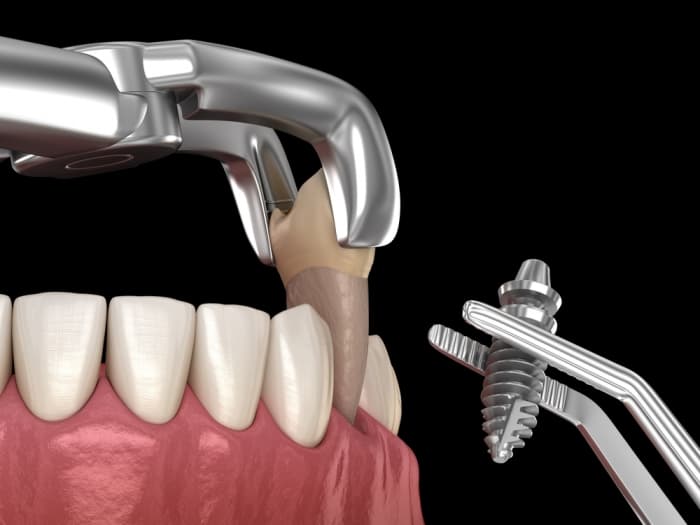
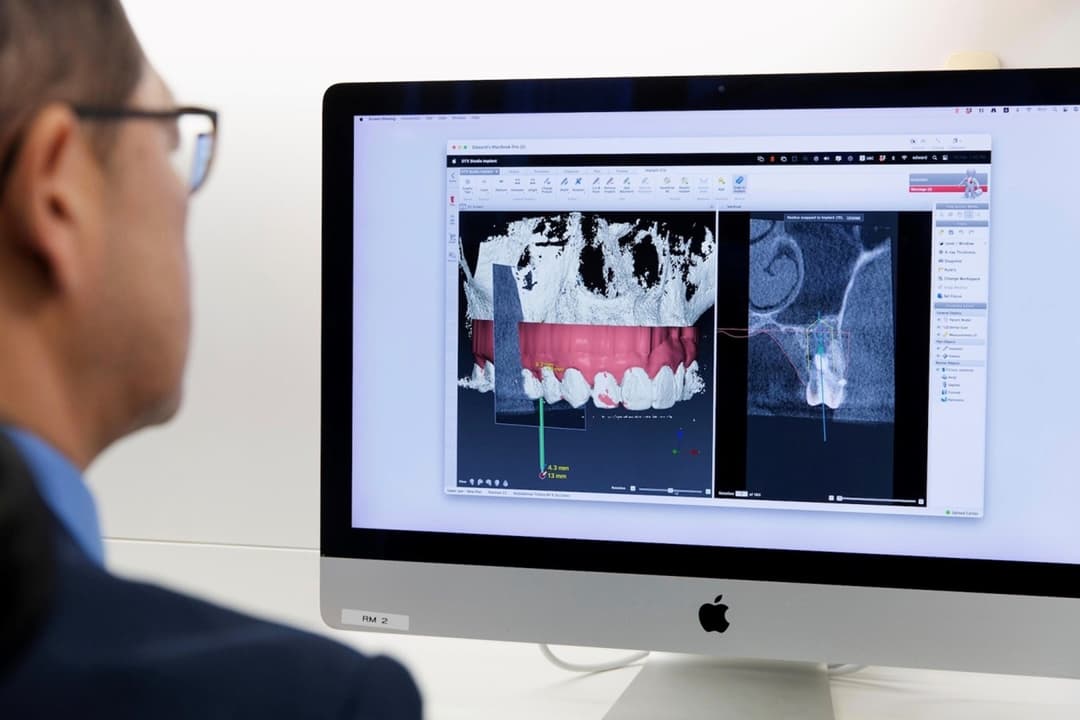
For example, whether a CBCT (3D) scan is used to assess bone, nerves and the sinus before surgery, and whether the implant position is planned digitally (with a surgical guide where needed), both affect precision. Wherever you are treated, you can ask which checks will be done before surgery, which implant techniques suit your case, and who will plan and carry out the operation.
Quality Control and Safety Assurance
Every region has its own dental regulation. In Hong Kong, practising dentists must be registered with the Dental Council of Hong Kong, and the register can be searched online; the mainland and other regions have their own licensing and clinic requirements. What matters for patients is checking the treating dentist’s qualifications before starting, and knowing which body to contact if a problem arises.
For materials, you can ask the clinic for the brand and model of the implant and crown, and their quality certification (for example CE, FDA or registration with the local regulator). After treatment, ask for your implant card and treatment records so that reviews or follow-up at another clinic are straightforward.
Importance of Model Technology
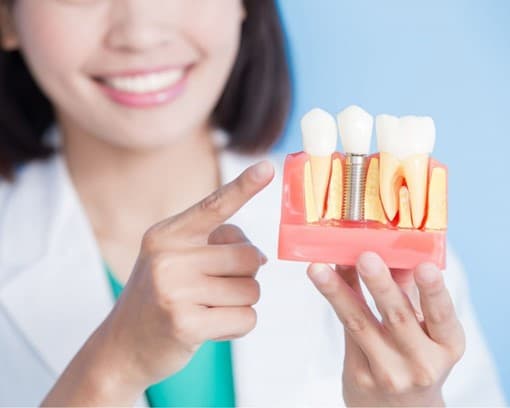
Implant design has not stood still. Over the past two to three decades, surfaces have moved from early smooth (machined) finishes to moderately rough surfaces that bond better with bone (Wennerberg and Albrektsson, 2009 systematic review); implant–abutment connections have largely moved to internal or conical designs to reduce screw loosening and micro-gaps; and neck designs such as platform switching have been shown to reduce bone loss around the implant (Atieh et al., 2010 meta-analysis).
There are international brands as well as local brands from different regions, and each brand has models from different generations — one reason dental implant prices differ between clinics. An earlier-generation design, or one with less research behind it, is not necessarily a problem, but its long-term performance is harder to predict and parts for later repairs may be harder to source. Wherever you have treatment, ask for the implant brand, model and batch record (implant card), whether the system has long-term research behind it, and whether compatible parts are available where you will have your reviews.
Personalized Treatment and Patient Experience
A suitable implant plan is tailored to the individual: the dentist considers the gap, bone volume, bite, gum health, general health (such as diabetes, smoking and current medicines) and your expectations before recommending an approach and timeline.
Whichever clinic you choose, look for a written plan and quote before treatment, an explanation of the alternatives and risks, follow-up by the same dentist during treatment, and clear arrangements for reviews and maintenance afterwards. If treatment is offered as a fixed package, ask which steps will be adjusted to your situation.
Importance of Informed Consent
Wherever you have implant treatment, in Hong Kong or elsewhere, you are entitled to clear information before it starts. Ask the dentist for a written treatment plan covering the materials, the implant technique, the possible risks and the alternatives.
Where to have dental treatment is your decision. We hope patients decide once they have enough information, so that the treatment, materials and techniques match their expectations.
Five things to check before cross-border dental treatment
Wherever you are considering implant treatment, five things are worth confirming first: the implant brand and model (and whether matching parts are available where you live); which infection-control standard the clinic follows; whether CBCT 3D imaging and computer-guided planning are used; who manages complications after you leave; and whether you can take full records with you — a dentist letter, your X-rays or CBCT, and the implant model.
Why international patients choose Hong Kong — and Home Dental
Hong Kong's dental standards have an objective benchmark: the University of Hong Kong's Faculty of Dentistry is ranked 2nd worldwide in the QS World University Rankings by Subject 2026 (Dentistry) — top three in 10 of the past 12 years — and every practising dentist must be registered with the Dental Council of Hong Kong. On top of that system, Home Dental combines 31 general and specialist dentists working as one cross-disciplinary team with a licensed Day Procedure Centre regulated by the Department of Health under the same ordinance as private hospitals — from CBCT assessment and computer-guided planning to sedation and complex surgery within one system. Care is delivered in English with full English records; we review your previous imaging, and can issue dentist letters where referral is needed. A single implant with crown starts from HK$22,000 — see our implant cost page, and if a previous implant needs attention, our treatment aftermath support.
Hong Kong vs Shenzhen and overseas implants: the 4 key comparisons at a glance
The sections above cover four areas — technology, quality regulation, implant models and personalised treatment. Here they are side by side:
| Comparison | Hong Kong | Shenzhen and elsewhere | How you can check |
|---|---|---|---|
| 1. Technology and imaging | CBCT 3D imaging and computer-guided planning are widely used | Equipment and practice vary considerably between clinics | Ask whether a CBCT is taken and whether implant positions are planned digitally |
| 2. Regulation and complaints | Practising dentists must be registered with the Dental Council of Hong Kong, searchable online; local complaint channels exist | Regulated by local health authorities; checking credentials and making complaints go through local channels, which costs Hong Kong patients more in procedure, language and time | Check the treating dentist's registration before starting, and find out where to turn if something goes wrong |
| 3. Implant models and parts | Mostly international brands; parts are easy to source for reviews in Hong Kong | Both international and local brands; if you will be followed up in Hong Kong, check that compatible parts are available first | Ask for the implant brand, model and batch record (implant card) |
| 4. Personalised plans and long-term follow-up | Assessment, surgery and reviews can happen at the same clinic | Treatment is usually more compressed and reviews mean another trip; agree in advance who handles long-term maintenance and complications | Ask how many reviews are needed, who handles complications and how they are charged |
Cheaper across the border? Count the total cost
Looking only at "the price of one implant" tends to understate the real cost. These items are worth working through:
| Item | What to ask |
|---|---|
| What the quote includes | Whether the implant, abutment, crown material, CBCT, extraction, grafting and temporary teeth are included or extra |
| Trips and travel | How many border crossings the whole treatment needs, and the travel time and cost each time |
| Time off and waiting | Whether surgery and review dates fit around work, and how easy it is to get back if you feel unwell after surgery |
| If complications arise | Who is responsible, whether it costs extra, and whether another trip is needed |
| Follow-up back in Hong Kong | Whether a Hong Kong dentist can source parts, and whether reassessment or a new crown is needed; what records to bring is covered above |
A fair comparison uses the same items on both sides. At Home Dental Centre a single implant (with crown) starts from HK$22,000; see our implant fee promise for how it is made up.
How many trips does implant treatment across the border usually take?
| Situation | Typical visits (estimate) | Time between |
|---|---|---|
| Single-stage implant, enough bone | About 3–4: assessment, surgery, stitch removal or review, crown | About 6–8 weeks from surgery to crown |
| Two-stage implant | About 4–6: an extra visit to uncover the implant and attach the abutment | About 4–6 months between the two operations |
| Grafting or a sinus lift first | 1–2 more | Usually several months after grafting before the implant |
Actual numbers depend on the case, and each visit means allowing time for the border crossing. For how the approaches differ, see types of dental implant treatment.
How to choose an implant dentist in Hong Kong: 5 things you can check yourself
- Hong Kong registration: the Dental Council of Hong Kong publishes lists of registered dentists and specialists that you can search by name.
- Relevant specialist training: Hong Kong has no "implant specialty". More complex implant cases (bone grafts, sinus lifts, full-arch work) are often handled by specialists in oral and maxillofacial surgery, periodontology or prosthodontics, who can be checked on the same site.
- X-ray/CBCT and a written plan before surgery: implant positions, whether grafting is needed, number of visits and timeline.
- An itemised quote: implant brand and model, abutment, crown material, and whether grafts or temporary teeth are included — see our implant fees.
- Complications and follow-up: what happens if the implant loosens or becomes inflamed, and who provides reviews — ask this especially before treatment outside Hong Kong. See why dental implants fail and the warning signs.
Wondering whether an implant is right for you?
👉 Book an implant assessment on WhatsApp (5402 6630)
☎️ Call 3956 9387 (during opening hours)
We see patients in Causeway Bay and Tsuen Wan, and we also have a TST Dental Consultation and Education Centre, by appointment.