Unsure About Implant Options? How to Choose Wisely and Avoid Implant Failure
Implant

Unsure About Implant Options? How to Choose Wisely and Avoid Implant Failure

Most implant failures trace back to the foundation: untreated gum disease, soft or insufficient bone, or excess bite force. Here's how to lower the risk.

Mr. Li (pseudonym), who often socializes with insurance clients, went to the clinic to ask the dentist to pull out the tooth because he used his teeth to open the crab claws, causing severe pain from cracked teeth. The dentist suggested that he could consider dental implant later, but Mr. Li had heard from his friends about the experience of dental implant failure, so he rejected the dental implant proposal.

However, missing teeth have always brought a lot of inconvenience to Mr. Li, but he did not want to wear removable denture because he felt that it would be difficult to adapt to and it would be inconvenient to clean. At the same time, Mr. Li also did not want to reshape the real teeth on both sides for the purpose of making dental bridge, which would damage the original healthy teeth.

Mr. Li clearly knows that dental implants are relatively practical and look the closest to real teeth. Therefore, he is now struggling to the treatment options for dental implants. He wants to do it but is worried that it will fail.

Why is there impant failure?

In fact, every treatment, including dental implants, bears some risks, and no doctor can guarantee a 100% success rate for a surgery.

Implant failure usually results from problems with the foundation of the implant. There are many other factors that cause implant failure, including the patient's health factors, post-operative care, and the technique of the dentist. Patients with uncontrolled diabetes or osteoporosis with long-term bone needle implants are at higher risk of implant failure due to poor wound healing and bone recovery. If a patient has periodontal disease but has not received treatment, then they have a higher chance of implant failure.
 

The most common cause of dental implant failure is that the implant fails to bond to the bone, causing the implant to become loose. Like organ transplantation, implants and bone graft are not cells in your own body after all, and there is a chance of rejection. If the implant is found to be loose within 1 month after implantation, there is also a chance that the patient's bone foundation is relatively soft or insufficient bone, so the implant cannot be firmly stuck on the tooth bone.

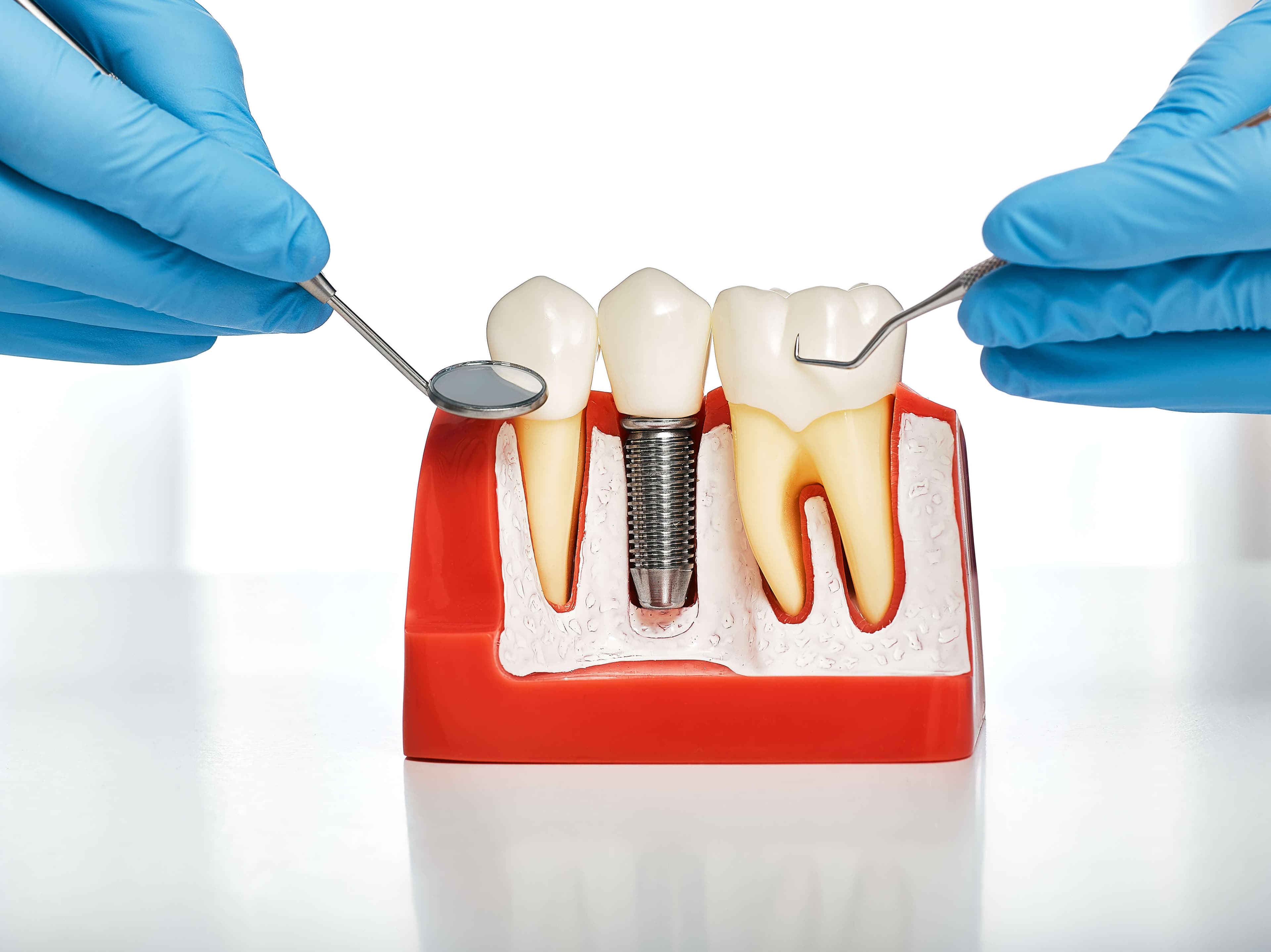
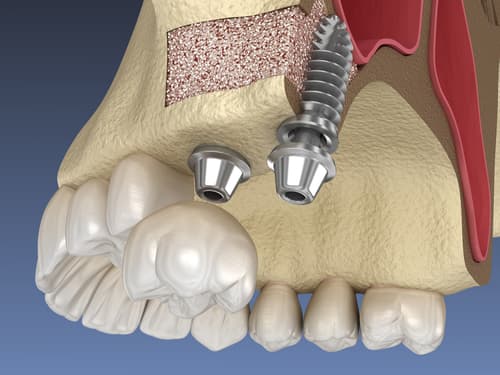
Generally speaking, after the implant is placed, the surrounding bone will begin to absorb and new bone will grow slowly at the same time, just like the soil grabbing the roots of a tree, and at the same time achieve the purpose of retaining the bone. The timing of the implant operation will also affect the quality of the foundation. For example, if the implant surgery is performed too early after tooth extraction, the bone will not have enough time to recover, and the low bone density will easily lead to the failure of the operation. In some cases, the doctor needs to use a longer or thicker implant for the patient, or additionally fill the patient's bone first, so that the implant can be placed in the bone more stably.

Basically, the dentist will wait until the patient's implant is integrated with the bone, the implant is surrounded by the bone, and the device is stable enough before making the crown part. Putting the crown on too early has the potential to loosen the implant that is not fully stabilized. After the crown is installed, the dentist will ensure that the occlusal force of the implant is appropriate, because if the occlusion force is too strong, the underlying bone will be damaged, and over time the final implant will have problems. If the patient has teeth grinding problems, they should also follow the doctor's advice and wear an anti-grinding nightguard to avoid excessive occlusal force on the implant caused by teeth grinding.
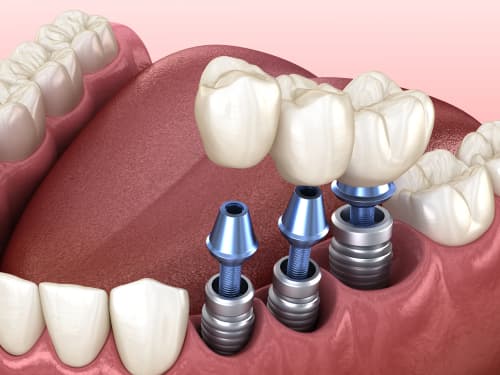
 

Dental implant

Take care of your implant!

On the other hand, the care of dental implant is the same as the care of real teeth, and it is necessary to do daily oral hygiene cleaning. Poor oral hygiene can lead to implant periodontal disease. The bone and gum support the implant, and periodontal bacteria can also erode the tissue surrounding the implant, causing inflammation, swelling, pus, loosening, and even result in the implant falling off the bone.

Dental implants are like giving a tooth a chance to regenerate. Once you decide to have a dental implant or have a dental implant, you should treat your new tooth well. Of course, other teeth in the mouth should also be taken care of. Daily oral cleaning and regular dental check-ups are a must for you.

Remember, the success of an operation does not just rely on the doctor's surgical skills, but also depends on whether the patient can correctly use and maintain the implant after the operation.

If in doubt, contact your trusted family dentist.

Article Info

First published: 24 July 2020

Last reviewed: August 2026

Share

FAQ

Frequently Asked Questions

  • How much does a dental implant cost?

    Dental implant costs vary depending on bone condition, whether bone grafting is needed, and the type of crown selected. Treatment typically starts from HK$22,000 per tooth, with more complex cases requiring additional procedures costing more. Implant position, angle and depth determine cleansability and load distribution; poor planning raises the risk of peri-implantitis. After a clinical assessment we explain the fee components clearly, and treatment starts only with your consent. We provide a personalised quote after a clinical assessment — WhatsApp us to arrange a consultation.

  • What causes dental implant failure?

    Implant failure usually results from problems with the bone foundation. Common causes include uncontrolled diabetes, untreated periodontal disease, poor bone density, or the implant failing to bond properly with the bone. Patients with osteoporosis or those who've had long-term bone medication also face higher risk. Proper assessment before treatment helps identify and address these risk factors.

  • How long does the dental implant process take?

    The process typically involves several stages. After implant placement, we wait for the implant to integrate with the bone — usually several months — before fitting the crown. Rushing this integration period can cause the implant to loosen. If bone grafting is needed first, additional healing time is required. Your dentist will create a timeline based on your specific bone condition.

  • Can I get an implant immediately after tooth extraction?

    Not always. If the implant surgery is performed too early after extraction, the bone won't have enough time to recover, and low bone density can lead to failure. In some cases, immediate placement is possible, but your dentist will assess your bone condition first. Sometimes bone grafting is needed before implant placement to ensure a stable foundation.

  • Will my dental implant require special care?

    Implant care is similar to caring for natural teeth — daily brushing, flossing, and regular dental check-ups are essential. Poor oral hygiene can lead to implant periodontal disease, where bacteria erode the bone and gum supporting the implant. If you grind your teeth, wearing a nightguard as recommended helps protect the implant from excessive force.

  • What happens if my implant becomes loose?

    If loosening occurs within the first month, it may indicate insufficient bone foundation or that the implant hasn't bonded properly with the bone. Sometimes the bone is too soft or there isn't enough bone volume to hold the implant firmly. Your dentist may need to use a longer or thicker implant, or perform bone grafting first. Early detection through regular check-ups is important.

  • Are there health conditions that increase implant failure risk?

    Yes. Patients with uncontrolled diabetes, osteoporosis, or untreated periodontal disease face higher failure risk due to poor wound healing and bone recovery. Long-term use of certain bone medications can also affect outcomes. Your dentist will assess your medical history and may recommend stabilising these conditions before proceeding with implant treatment.

Still wondering about something? Our team is happy to chat.

Reminder: You have the right to choose a Hong Kong dentist based on your individual needs. We recommend referring to the list of registered dentists published on the official website of the Dental Council of Hong Kong to make a choice best suited to your personal needs. The above content is intended to give you a brief introduction to the nature and effects of the relevant dental procedures, so that you can make informed decisions when choosing a dentist and related treatment options. All treatments have advantages and disadvantages — the key is that you must have a basic understanding of different treatments and procedures and be aware of the associated risks. The above content does not represent the professional opinion or views of any dentist or dental institution. For the sake of your health, please consult your family dentist for formal medical advice.

This article is compiled by the Public Education Team of Home Dental and has been reviewed and approved by the Content Review Committee of Home Dental. The Committee comprises members of our Board of Directors, legal advisors, and relevant professionals, and is responsible for vetting all externally published health education content to ensure it is professional, accurate, relevant to the local context, and regularly updated to meet Hong Kong dental service standards.

This content is originally produced by Home Dental, all rights reserved. Unauthorized reproduction, modification, or publication is prohibited. Violators will bear legal responsibility. For citation or partnership inquiries, please contact our center for written permission.

Last updated: Aug 2026

Comprehensive Guide to Dental Implants in Hong Kong

Want to know more about Implant?

31 general & specialist dentists · Licensed daycare procedure centre