Cheekbone or tooth pain can be distressing, sometimes sharp, sometimes dull, and occasionally even excruciating. This discomfort can be bothersome, yet pinpointing the exact cause is not always easy. Let's now explore these common reasons together and share some suggestions for relieving the pain, which may help you find a solution.
What are the top 9 common causes of cheekbone and tooth pain?
1. Sinus Infection (Sinusitis)
The human nose has four sinuses, with the largest being the maxillary sinus located near the jawbone. When the sinus tissues become inflamed or swollen, it can lead to symptoms such as runny nose, headache, nasal congestion, and pain in the cheeks, and the discomfort may even spread to the teeth.
2. Abscessed Tooth
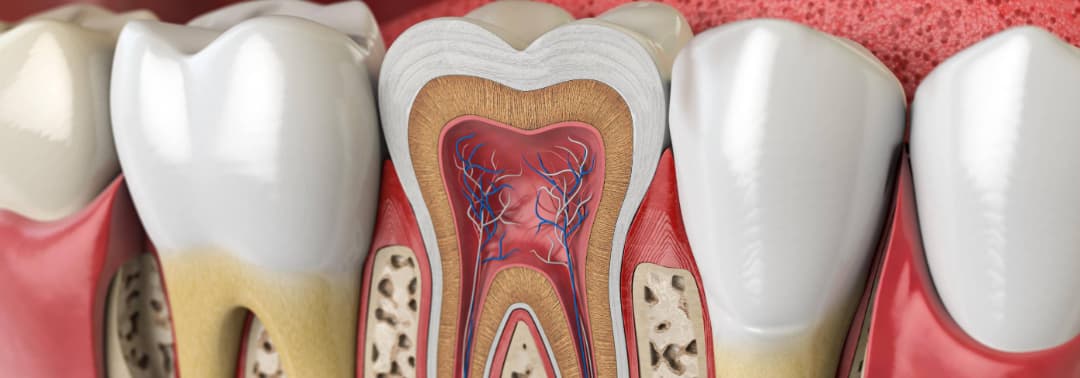
When oral hygiene is poor, bacteria in the mouth can multiply rapidly, leading to the formation of an abscessed tooth. This infection can affect the teeth, gums, and bones, and if left untreated, it may spread to the cheekbones and surrounding tissues. An abscessed tooth also increases the risk of osteomyelitis, which can cause the infection to spread to the bones, such as the jawbone, resulting in severe jaw or facial pain, fever, chills, sweating, and fatigue.
3. Temporomandibular Joint Disorder (TMJ)
The temporomandibular joint connects the jawbone to the skull and is responsible for controlling the opening and closing of the mouth and the movement of the jaw muscles, as well as participating in daily functions such as speaking and chewing. However, this joint can sometimes become displaced, injured, or damaged by arthritis, which can lead to pain when swallowing, chewing, or speaking, as well as a clicking or popping sound when the jaw moves.
4. Trigeminal Neuralgia
The trigeminal nerve is responsible for facial sensation. When this nerve is compressed, it can lead to pain in the jaw, teeth, or cheeks. The exact cause of trigeminal nerve compression is currently unclear, but everyday activities such as chewing, vibrations, brushing teeth, speaking, and head movements may trigger trigeminal neuralgia.
5. Toothache
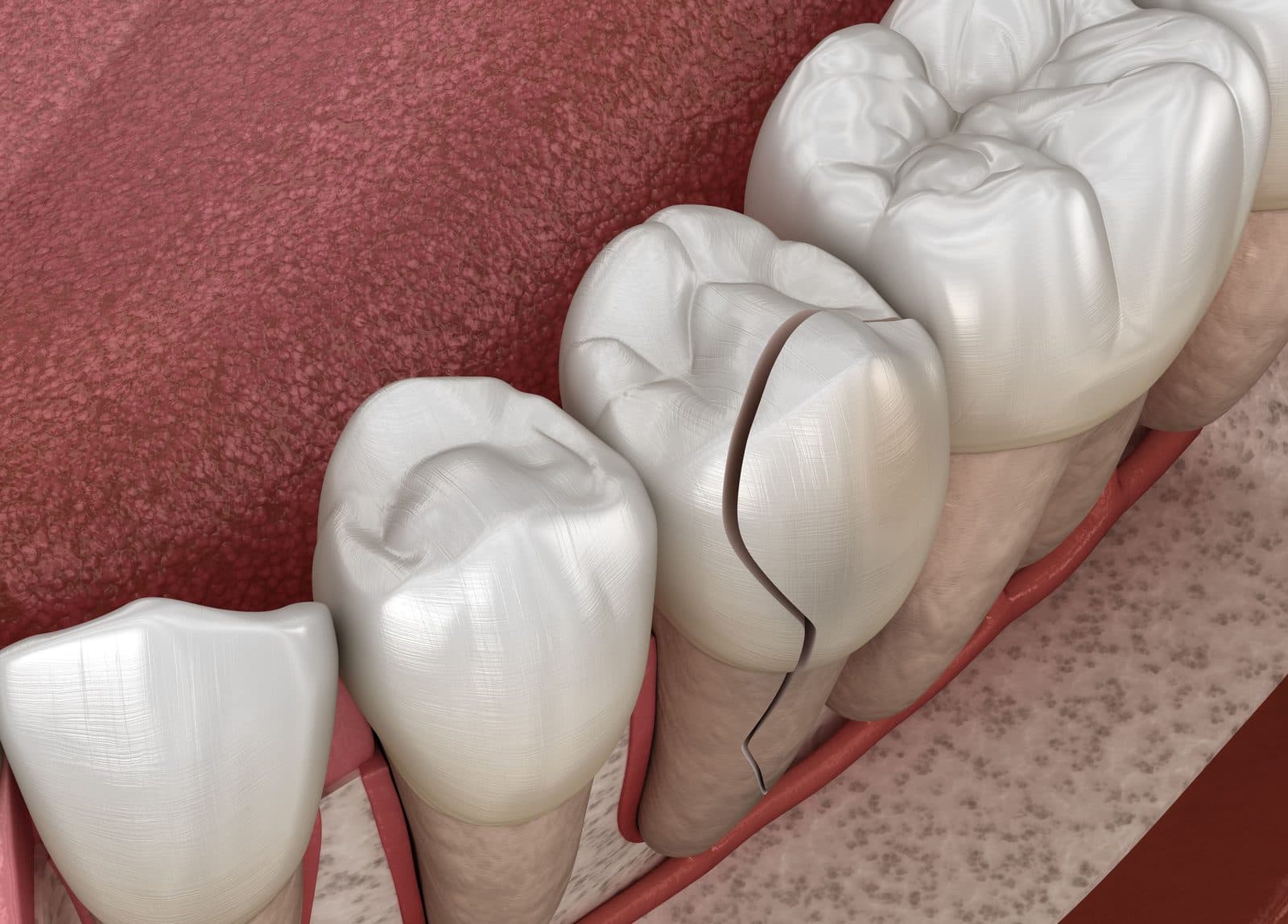
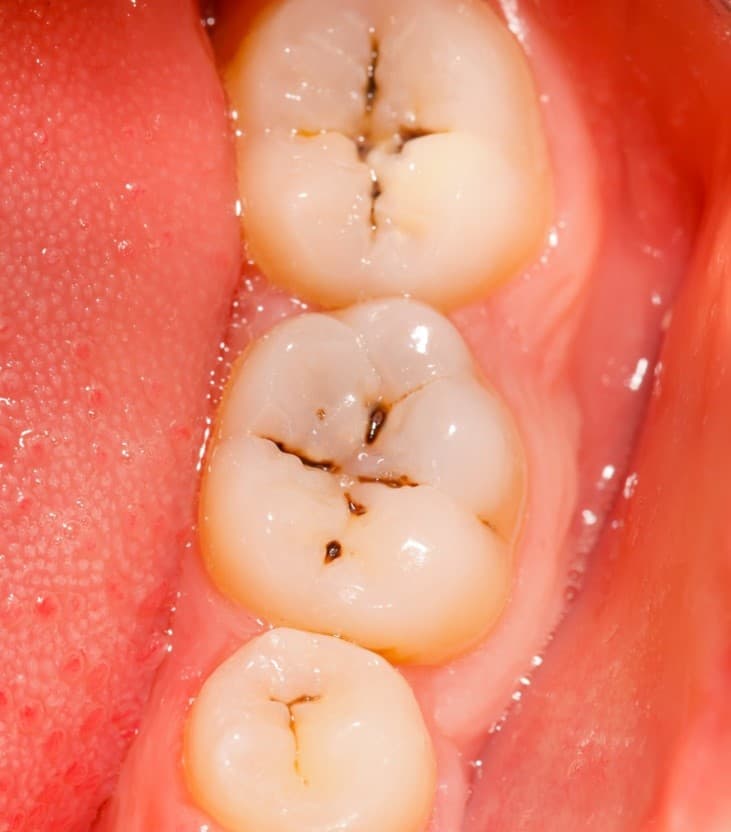
One of the primary causes of toothache is tooth decay, which can result in a dull or sharp pain, accompanied by swelling, fever, and headaches. Other dental issues, such as cracked teeth, broken fillings, and the eruption of wisdom teeth, can also lead to toothaches.
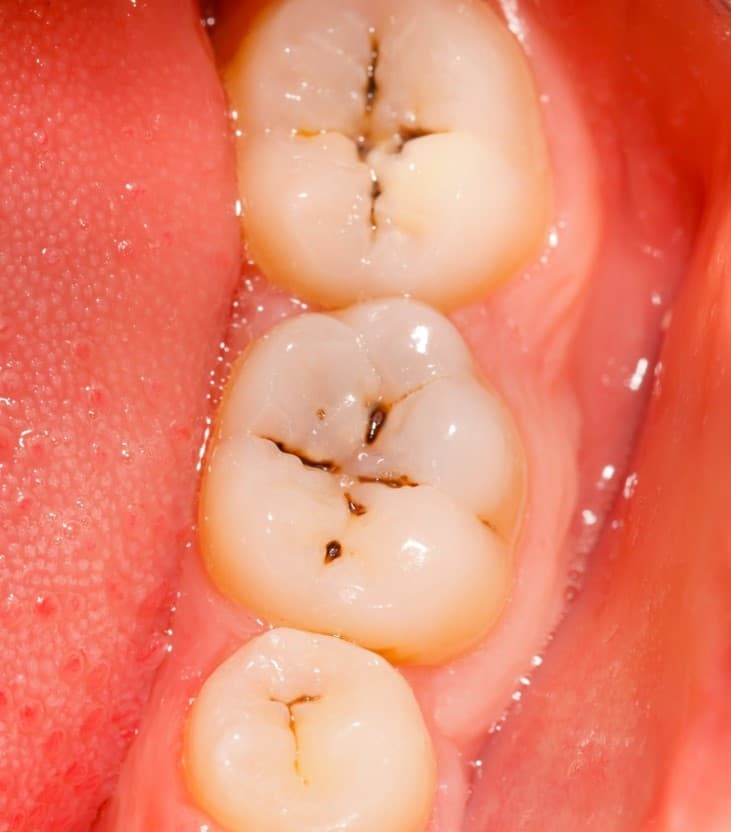
6. Dental Procesure
Experiencing discomfort in the cheekbone and teeth after dental surgery is quite common. Sensations of soreness in the facial area and teeth following procedures such as tooth extraction, root canal treatment, and dental fillings are normal occurrences. However, if swelling or pain persists or worsens within three days post-surgery, it is imperative to seek medical attention for further evaluation.
7. Teeth Grinding
Teeth grinding typically occurs during sleep, so many patients may not be aware of it. However, prolonged teeth grinding can lead to issues such as headaches, facial pain, earaches, disrupted sleep, fractured teeth, and temporomandibular joint (TMJ) pain. It can also result in discomfort in the cheekbones and teeth.
8. Periodontal Disease
Cheekbone pain could be a symptom of periodontal disease. Loose teeth or damaged gum tissue caused by periodontal disease may lead to discomfort around the jaw. Additionally, infections from periodontal disease may transmit through the nerves surrounding the teeth, causing discomfort and pain in the jaw area.
9. Coronary Artery Disease (CAD)
Coronary artery disease typically presents symptoms such as chest pain, shortness of breath, and dizziness. However, it can also cause facial pain, as well as discomfort in the jaw, cheeks, and neck. This heart condition can lead to arrhythmias, angina, and even heart attacks and sudden death. It's worth noting that cheekbone and tooth pain can also be indicative of coronary artery disease. Risk factors for CAD include obesity, lack of exercise, poor nutrition, and smoking, making it essential to be particularly vigilant.
How to Care for Cheekbone and Tooth Pain on a Daily Basis?
Depending on the root cause of cheekbone and tooth pain, here are some appropriate daily care methods that may help alleviate discomfort:
- Take over-the-counter medication to relieve sinus pressure and congestion.
- Avoid consuming overly hot or cold foods and drinks to reduce tooth sensitivity.
- Use cold compresses or ice packs to reduce inflammation and swelling in the cheekbones.
- Opt for softer foods or liquid diets, such as soups or cooked vegetables.
- Avoid certain jaw movements, such as chewing gum or drinking large mouth of water, until the pain subsides.
- Learn stress-reducing techniques to relax jaw muscles, which can help alleviate symptoms of temporomandibular joint disorders and teeth grinding.
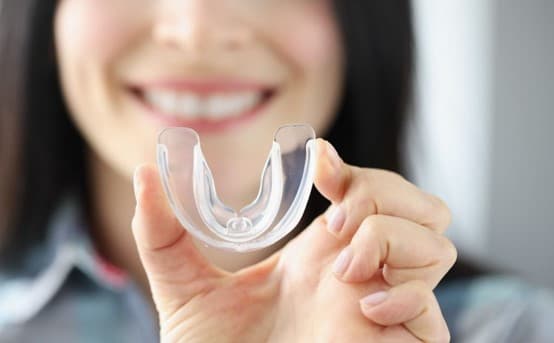
- Use a night guard to prevent teeth grinding while sleeping.
When to Seek Professional Treatment for Cheekbone and Tooth Pain?
While many cases of cheekbone and tooth pain can often be alleviated through daily care, certain situations require prompt medical attention. If you experience severe discomfort, worsening symptoms, or signs of infection, it's crucial to seek medical help immediately.
Severe cheekbone or tooth pain may indicate that an infection is spreading further, potentially even entering the bloodstream. Signs of infection include sharp pain, swelling, redness, fever, chills, nausea, and pus discharge. If the pain intensifies, seeking treatment promptly is necessary to avoid further complications, such as cavities, periodontal disease, nerve damage, and infection.
In cases of facial pain due to falls or facial injuries, prompt medical attention is also necessary.
For patients with coronary artery disease (CAD), symptoms such as chest pain, weakness, discomfort in the arms, and difficulty breathing require immediate medical attention. Doctors can perform necessary tests to diagnose or rule out heart disease.
Treatment Options for Cheekbone and Tooth Pain
The treatment for cheekbone and tooth pain varies depending on the underlying cause. Treatment options include antibiotic therapy, oral surgery, nerve block therapy, oral hygiene, and management of coronary artery disease (CAD).
- Sinus or tooth infections: Typically require antibiotic treatment to address the infection.
- Tooth-related pain: Dental treatment is based on the underlying cause. For example, extraction of wisdom teeth or damaged teeth, dental fillings, root canal therapy, or other treatments for severely damaged teeth. Severe tooth infections may require surgery to remove damaged gum tissue and bone.
- Temporomandibular joint disorder (TMJ): Treatment may include physiotherapy, mouth guards, and medication.
- Trigeminal neuralgia: Treatment may include medication, nerve block therapy, and physiotherapy.
- Pain after dental surgery: Generally, facial and tooth soreness is a normal response. However, if swelling or pain persists or worsens after 3 days, it's important to seek further medical attention.
- Teeth grinding (bruxism): Treatment may include wearing a mouth guard and behavior therapy.
- Coronary artery disease (CAD): Treatment may include medication, dietary adjustments, improving exercise habits, or surgery to improve heart function, such as surgery to reduce plaque buildup in arteries.
Cheekbone and tooth pain can bring us a lot of discomfort and inconvenience. By understanding the nine common causes, daily care, and treatment methods mentioned above, we can better cope with and prevent these problems. However, we should also be aware that these pains may be signals from our bodies, indicating that we should pay more attention to oral and overall health. Therefore, when we experience cheekbone and tooth pain, we should not ignore them but seek timely professional medical advice and treatment. Through appropriate treatment and care, we can maintain oral health, improve our quality of life, and avoid potential complications, allowing us to stay healthy and happy in our daily lives. If you have any questions, please seek advice from your trusted family doctor or dentist.
If cheekbone or tooth pain persists, your face swells or you develop a fever, arrange a prompt emergency dental assessment; Home Dental is open seven days a week in Causeway Bay and Tsuen Wan.