TMJ Arthrocentesis: When Jaw Pain Affects Chewing and Speech
Extraction

TMJ Arthrocentesis: When Jaw Pain Affects Chewing and Speech

When painkillers and jaw exercises fail, TMJ arthrocentesis flushes the jaw joint and adds hyaluronic acid to ease pain and restore mouth opening.

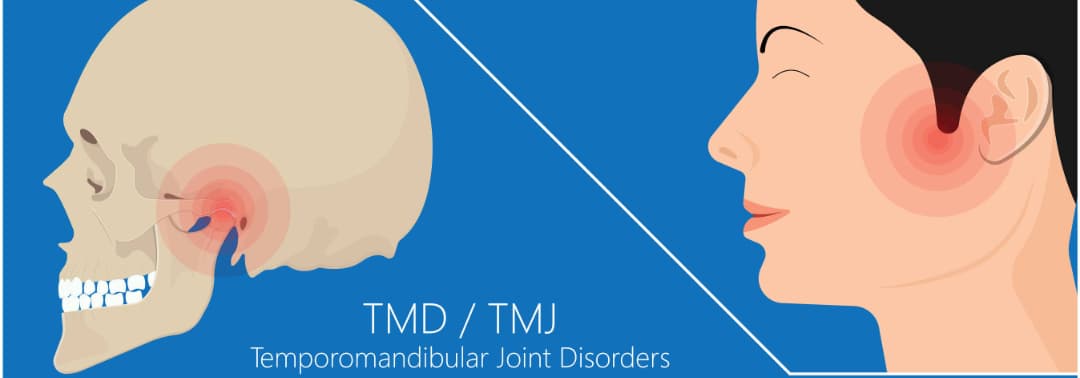
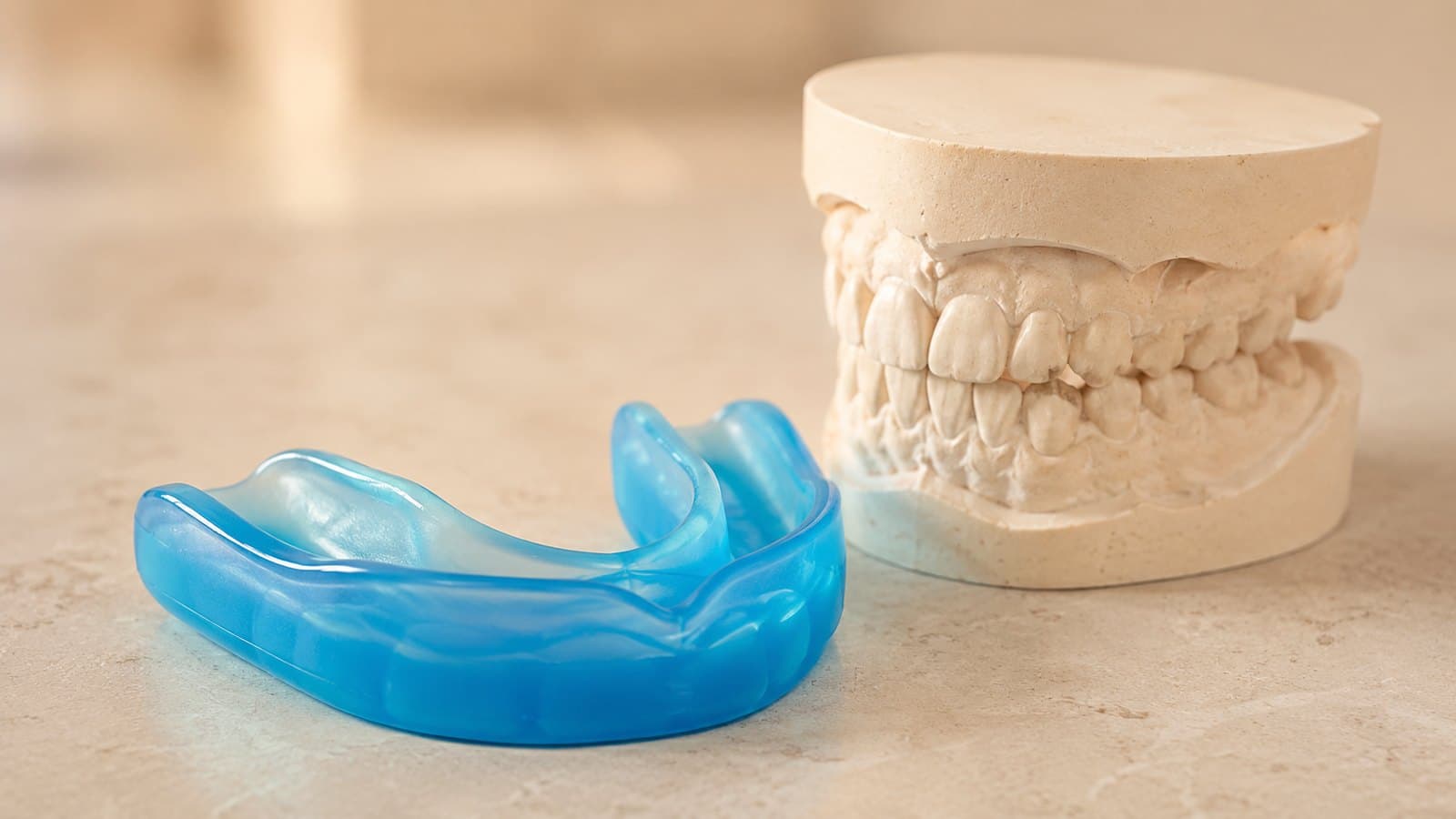
Temporo-mandibular Joint pain is like toothache, can also cause discomfort, affecting speaking, chewing, and even causing headache or other health problems. It may recover by times but in some cases, patients will become more and more painful. When explaining bruxism, I have briefly introduced the Temporo-mandibular Joint Disorder (TMD). In simple terms, it means that the Temporo-mandibular joint or masticatory muscles are damaged, resulting in pain or difficulty in opening the mouth. Usually, Temporo-mandibular Joint Disorder (TMD) is treated by conservative methods include: rest more, avoid eating hard food, take non-steroid anti-inflammatory painkillers, wear mouthguard to relieve muscle tension, and take muscle relaxation drugs prescribed by a doctor to relax muscles.

So what can we do when the conservative treatments do not work? We can consider irrigation on the joint, which is the Arthrocentesis of the Temporo-mandibular Joint (TMJ). This treatment aims to relieve pain of the temporo-mandibular joints which could not be relieved by analgesics and jaw exercises, and limited mouth opening due to displacement of the cartilage inside the joint. By washing out the inflammatory substances in the temporo-mandibular joint with saline, and then injecting hyaluronic acid as a joint lubricant, the purpose of reducing joint pain and increasing mouth opening is achieved.

TMJ Arthrocentesis: When Jaw Pain Affects Chewing and Speech

The temporo-mandibular joint (TMJ) bears a variety of mechanical loads when speaking and chewing. When the articular disc slides on the surface of the articular cartilage, the synovial fluid in the joint cavity can make the articular disc bear less pressure and friction, and play a protective role. Normal synovial fluid is a clear, light yellow, viscous liquid. Hyaluronic acid is one of the main components of synovial fluid, which supplies nutrients to cartilage and maintains the normal lubrication of joints. Therefore, injecting hyaluronic acid after cleaning the inflammatory tissue in the joint can supplement and increase the hyaluronic acid content in the synovial fluid and repair the damaged cartilage. At the same time, for patients with "clicking" sound during mouth opening and closing, the lubrication effect of hyaluronic acid can restore joint flexibility and improve the problem of "clicking" sound.

Most patients have increased mouth opening, pain relief, and improved joint motor function after treatment. However, if the symptoms are related to the degeneration of the jaw bone or the malocclusion caused by the jaw bone, although it is not common, there are very few patients who need to undergo reconstruction surgery of the temporo-mandibular joint (TMJ). TMJ pain causes great inconvenience to the patient's daily life, avoids the problem from worsening, and should seek medical treatment as soon as possible.

#temporomandibularjointpain #temporomandibularjointdisorder #temporomandibularjoint #jawbone

Article Info

First published: 2 July 2023

Last reviewed: July 2026

Share

FAQ

Frequently Asked Questions

  • What is arthrocentesis of the TMJ and when is it needed?

    Arthrocentesis is a procedure that washes out inflammatory substances from the temporo-mandibular joint using saline, followed by hyaluronic acid injection to lubricate the joint. It's considered when conservative treatments like painkillers, jaw exercises, and mouthguards haven't relieved your TMJ pain or limited mouth opening caused by cartilage displacement.

  • How much does TMJ arthrocentesis cost?

    The cost depends on the complexity of your case and whether additional treatments are needed alongside the procedure. We provide a personalised quote after a clinical assessment of your TMJ condition — WhatsApp us to arrange a consultation and discuss your specific needs.

  • How does the procedure work and what happens during treatment?

    The dentist irrigates your temporo-mandibular joint with saline solution to flush out inflammatory substances that cause pain and stiffness. After cleaning the joint cavity, hyaluronic acid is injected to act as a lubricant, helping restore normal joint movement and reduce friction between the articular disc and cartilage.

  • Will arthrocentesis stop the clicking sound in my jaw?

    For many patients who experience clicking sounds when opening or closing their mouth, the hyaluronic acid lubrication can restore joint flexibility and improve or eliminate the clicking. However, results vary depending on the underlying cause of your TMJ disorder — a clinical assessment will help determine if this treatment is suitable for you.

  • Are there any risks or cases where arthrocentesis won't work?

    Most patients experience increased mouth opening, pain relief, and improved joint function after treatment. However, if your symptoms stem from jaw bone degeneration or malocclusion caused by bone issues, arthrocentesis may not fully resolve the problem. In rare cases, TMJ reconstruction surgery might be needed. We recommend an in-clinic consultation to assess your specific condition.

  • How long does it take to see results after the procedure?

    Many patients notice improvements in mouth opening and pain reduction shortly after treatment, as the inflammatory substances are removed and the joint is lubricated with hyaluronic acid. The hyaluronic acid continues to work by supplying nutrients to cartilage and maintaining joint lubrication over time, though individual recovery varies based on the severity of your TMJ disorder.

Still wondering about something? Our team is happy to chat.

Reminder: You have the right to choose a Hong Kong dentist based on your individual needs. We recommend referring to the list of registered dentists published on the official website of the Dental Council of Hong Kong to make a choice best suited to your personal needs. The above content is intended to give you a brief introduction to the nature and effects of the relevant dental procedures, so that you can make informed decisions when choosing a dentist and related treatment options. All treatments have advantages and disadvantages — the key is that you must have a basic understanding of different treatments and procedures and be aware of the associated risks. The above content does not represent the professional opinion or views of any dentist or dental institution. For the sake of your health, please consult your family dentist for formal medical advice.

This article is compiled by the Public Education Team of Home Dental and has been reviewed and approved by the Content Review Committee of Home Dental. The Committee comprises members of our Board of Directors, legal advisors, and relevant professionals, and is responsible for vetting all externally published health education content to ensure it is professional, accurate, relevant to the local context, and regularly updated to meet Hong Kong dental service standards.

This content is originally produced by Home Dental, all rights reserved. Unauthorized reproduction, modification, or publication is prohibited. Violators will bear legal responsibility. For citation or partnership inquiries, please contact our center for written permission.

Oral & Maxillofacial Surgery

Want to know more about Extraction?

31 general & specialist dentists · Licensed daycare procedure centre