Gums that suddenly swell, ache and bleed at the slightest touch once you are pregnant — is the baby "taking the calcium from your teeth"? No. The hormonal changes of pregnancy make the gums react far more strongly to dental plaque, producing what is called pregnancy gingivitis: the most common oral problem in pregnancy, affecting more than half of expectant mothers. In this article the Home Dental Centre team explains why gums swell in pregnancy, which changes are normal and which need attention, whether you can have a scaling, X-rays or local anaesthetic while pregnant, what the science actually says about gum disease and premature birth, and the other common causes of sore, swollen gums.
Swollen Gums in Pregnancy: Do These Four Things First
When gum pain appears during pregnancy, the most common reaction is: "Can I even see a dentist while pregnant? Should I wait until after the birth?" — and that is the most common misconception. Dental care in pregnancy is not only safe, it is recommended. Start with these:
- Keep brushing, especially where it bleeds — soft-bristled brush, light pressure, angled at 45 degrees to the gumline in small circles (see our guide to proper brushing technique). Bleeding is the result of inflammation, not a sign you are brushing wrongly; avoiding the bleeding area only lets plaque build up.
- Clean between the teeth every night — with floss or interdental brushes; pregnancy gum swelling most often starts between the teeth.
- Don't brush straight after vomiting — rinse with water, or a glass of water with a teaspoon of baking soda, and wait 30 minutes before brushing so that enamel softened by stomach acid is not brushed away.
- Book a pregnancy dental check-up and scaling — ideally in months 4 to 6 (the second trimester), and tell the clinic how many weeks pregnant you are when you book.
What not to do: buying anti-inflammatory drugs or antibiotics on your own; poking the swollen gum with a finger or toothpick; avoiding the dentist altogether for fear of harming the baby; putting off gum pain until after the birth.
If there is also facial swelling, fever, pus from the gum, difficulty opening the mouth or severe pain, this is no longer pregnancy gingivitis and needs prompt attention — contact a dentist as soon as possible and arrange an emergency dental appointment; pregnant patients can and should be treated.
First, Work Out Which Category You Are In
- Seek care the same day — obvious swelling of the face or gum, fever, pus or an abscess, difficulty opening the mouth, or pain that affects eating or sleep. This may be an abscess or acute infection; see our first aid for a tooth abscess.
- Get checked within a few days — gum pain and bleeding lasting more than two weeks, a red lump between the teeth that bleeds easily, a clearly loose tooth, persistent bad breath, or no dental check-up so far in this pregnancy.
- A routine appointment is fine — mild redness and occasional bleeding only, improving with better cleaning, no pain or lumps. No urgency, but still arrange a check-up and scaling in the second trimester.
"Why Do Gums Swell in Pregnancy?" — The Causes of Pregnancy Gingivitis
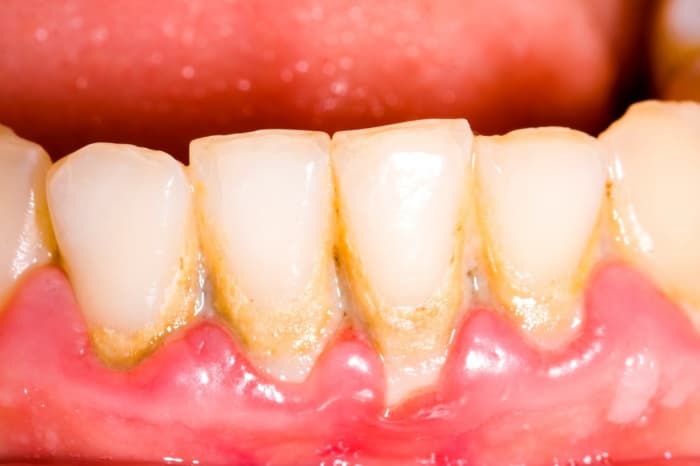
The root cause of pregnancy gingivitis is the same as ordinary gum inflammation: plaque along the gumline. The difference is that in pregnancy, levels of progesterone and oestrogen rise sharply, dilating the tiny blood vessels in the gums, making vessel walls more permeable and altering the immune response to plaque bacteria. The result is that the same amount of plaque produces far more redness and bleeding than it would otherwise. In other words: the hormones do not inflame the gums directly — they amplify a mild inflammation that was already there, unnoticed.
Pregnancy gingivitis usually begins around the second month, is most pronounced around the eighth month, and — once hormone levels fall after delivery — the gums generally return to normal within a few months provided plaque is kept under control.
Several things make plaque harder to control in pregnancy:
- Morning sickness and reflux — stomach acid makes the mouth more acidic, and gagging when brushing the back teeth leads many women to shorten brushing or skip those teeth.
- Frequent small meals — more eating occasions, more opportunities for plaque to form.
- Tiredness — night-time interdental cleaning is the habit most easily dropped.
- The belief that dentists should be avoided in pregnancy — which means missing the second trimester, the ideal window for a scaling.
As for "the baby taking calcium from the mother's teeth" — the calcium a baby needs comes from the mother's diet and bones, not from her teeth. More tooth and gum problems in pregnancy are the result of plaque, stomach acid and changed eating habits — all of which can be managed.
Gum Changes in Pregnancy: What Is Normal and What Needs Attention
Common changes that are usually harmless:
- Red, shiny gums that bleed on brushing — the typical picture of pregnancy gingivitis, most often at the front teeth and between the teeth. It settles noticeably with better cleaning and a scaling.
- A red or purplish lump on the gum between two teeth — known as a pregnancy epulis or pyogenic granuloma, seen in roughly one in twenty pregnant women, usually appearing in the second trimester: smooth, soft, and bleeding at the slightest touch. It is not a tumour and does not spread, and most shrink on their own after delivery. The dentist will first thoroughly clean plaque and tartar from the area; removal under local anaesthetic is considered only if it bleeds heavily and repeatedly, interferes with eating, or has not resolved after the birth.
- A feeling that the teeth are slightly loose — pregnancy hormones slightly relax the periodontal ligament, and a mild, symmetrical looseness settles after delivery. Marked looseness of an individual tooth, or looseness with gum recession or pus, is not a normal change.
Signs that need attention (not "normal in pregnancy"): pus or an abscess on the gum; facial swelling or fever; gum recession exposing the root; an individual tooth clearly loose or shifting; persistent bad breath; gum pain lasting more than two weeks with no improvement despite better cleaning. These suggest the inflammation may have spread beyond the surface of the gum and needs a dental assessment. To check yourself item by item, see our 8 warning signs of gum disease self-check.
Can You See a Dentist While Pregnant? Yes — and You Should
This is the question pregnant patients ask most, and the one most surrounded by myths. The American Dental Association (ADA) and the American College of Obstetricians and Gynecologists (ACOG) agree: preventive, diagnostic and routine restorative dental treatment is safe throughout pregnancy, and delaying care lets infection and inflammation affect the mother's health. Here is how the common items are handled:
- Scaling — possible at any stage of pregnancy. Hong Kong's Department of Health advises a scaling in months 4 to 6, when the pregnancy is more stable and the mother more comfortable; but if the gums are clearly inflamed, there is no need to wait for the second trimester.
- Deep cleaning / periodontal treatment — if examination finds periodontal pockets, deep cleaning and root planing during pregnancy is safe (see the research in the next section) and is generally scheduled in the second trimester.
- Local anaesthetic — the local anaesthetics commonly used in dentistry (for example lidocaine with adrenaline) may be used in pregnancy, at doses judged by the dentist.
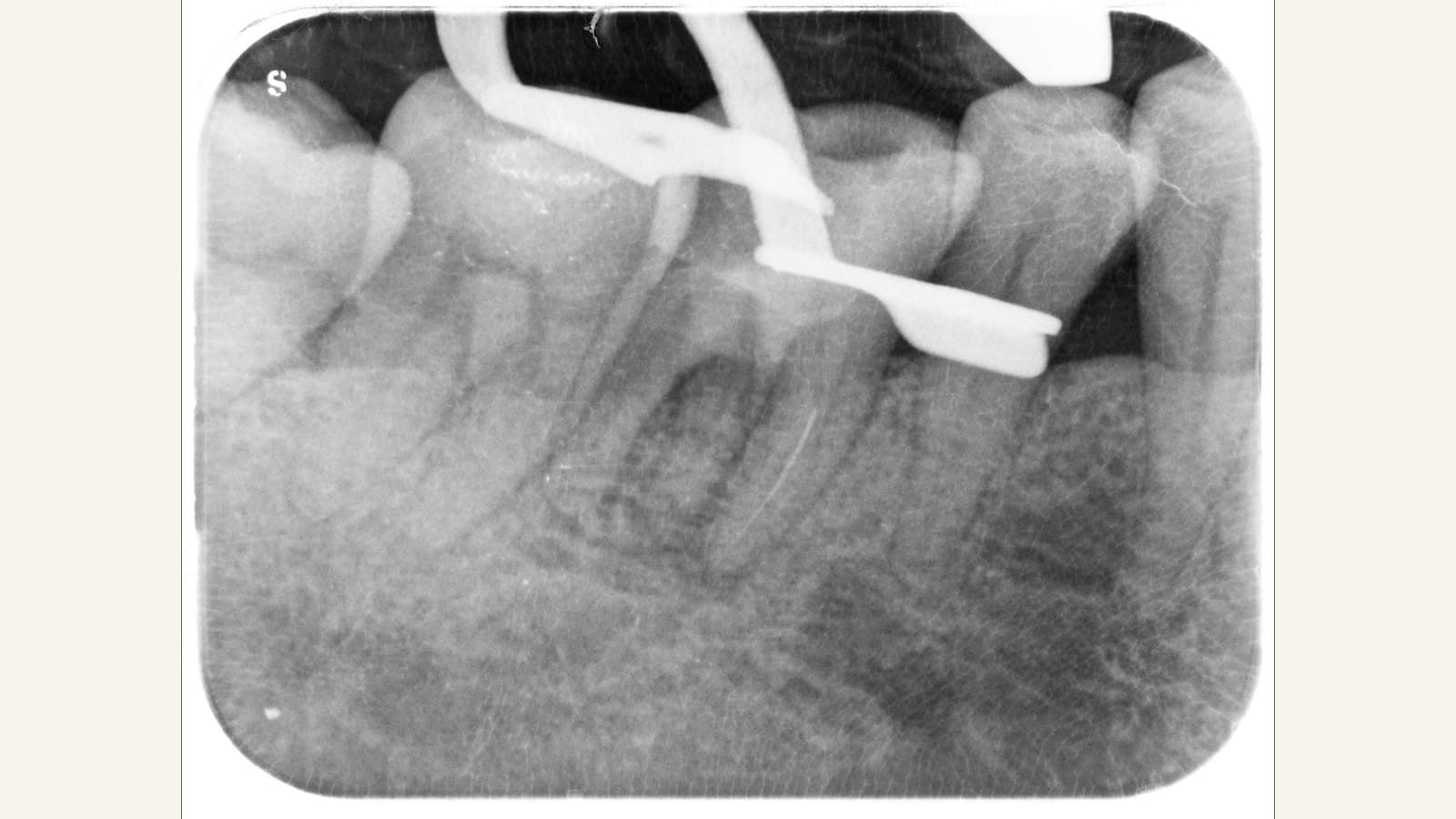
- X-rays — taken only when needed for diagnosis (for example a suspected abscess or bone loss), with a lead apron and thyroid collar. Dental X-ray doses are very low, and the ADA considers them acceptable at any stage of pregnancy. Routine screening X-rays can wait until after the birth.
- Painkillers — paracetamol is generally the first choice; ibuprofen and other NSAIDs should be avoided after 20 weeks. Check any medicine with your obstetrician or pharmacist.
- Antibiotics — only when there is infection (such as an abscess); the dentist will choose a type suitable in pregnancy (such as the penicillin group). Tetracyclines are not used in pregnancy.
- What to postpone — whitening, purely cosmetic treatment, and major surgery with no pressing need are generally deferred until after delivery.
When you book, please tell us: how many weeks pregnant you are, whether you have pregnancy-related high blood pressure, gestational diabetes or any other instructions from your obstetrician, and which supplements and medicines you are taking. In late pregnancy we keep appointments shorter and tilt the chair slightly to the left so that lying back does not compress the major blood vessels.
Is Gum Disease Linked to Premature Birth and Low Birth Weight? What the Science Actually Says
This has been one of the most closely studied questions in periodontal research over the past twenty years, and there is no shortage of exaggerated claims online. Here is the current consensus of the main professional bodies:
- There is an association: the 2013 consensus report of the joint workshop of the European Federation of Periodontology (EFP) and the American Academy of Periodontology (AAP) states that maternal periodontitis is associated with preterm birth, low birth weight and pre-eclampsia. Possible mechanisms include bacteria and inflammatory mediators from periodontal pockets reaching the placenta through the bloodstream. The American Dental Association takes the same position.
- But the association is modest, and causation is not proven: results vary considerably between studies, and people with periodontitis are also more likely to have other risk factors for preterm birth such as smoking and diabetes.
- Periodontal treatment during pregnancy is safe and improves gum health: both the EFP/AAP consensus and the 2017 Cochrane systematic review confirm that periodontal treatment in pregnancy does not increase adverse outcomes for mother or baby.
- Whether treatment reduces preterm birth remains unproven: the Cochrane review found no evidence that periodontal treatment reduces births before 37 weeks; it may help reduce low birth weight, but confidence in that finding is low.
How Home Dental Centre reads this: we will not tell you that "a scaling prevents premature birth" — the evidence does not support that claim. We recommend that pregnant patients deal with periodontal problems because the treatment itself is safe, reliably improves gum inflammation and bleeding, and removes a known risk factor associated with adverse pregnancy outcomes — and the ideal time is actually before you conceive, with a periodontal check-up and scaling as part of pre-pregnancy planning. If examination shows pockets or bone loss, periodontal treatment can be arranged; complex cases can be referred within the same team to a specialist in periodontics, with no new waiting list.
How Are Swollen Gums in Pregnancy Treated? Safest Measures First
1. Home Care — the Most Effective and Risk-Free
Brush morning and night with a soft brush and fluoride toothpaste, and clean between the teeth every night; rinse after vomiting and wait 30 minutes before brushing; cut down on sugary snacks, and choose water over sweet drinks between meals; do not avoid the areas that bleed. Most mild pregnancy gingivitis improves noticeably within one to two weeks of better cleaning.
2. Professional Scaling — Ideally in the Second Trimester
Tartar cannot be brushed away, and pregnancy gingivitis is especially sensitive to it. Comprehensive scaling and cleaning at Home Dental Centre is carried out by a dental hygienist or dentist; pregnant patients are advised to have one in months 4 to 6 — earlier if the gums are clearly inflamed — and another after the birth.
3. When Pockets Have Formed — Deep Cleaning
If probing finds periodontal pockets (4 mm or more), tartar has already collected below the gumline and deep cleaning with root planing under local anaesthetic is needed. This is safe in pregnancy and is generally completed in stages during the second trimester.
4. Managing a Pregnancy Epulis
Thorough removal of plaque and tartar from the area, plus better cleaning, shrinks most of them; where one bleeds heavily and repeatedly or interferes with eating, it can be removed under local anaesthetic in a simple procedure. Any that have not resolved after the birth can be dealt with then.
5. Medication Is Only a Supporting Measure
Painkillers and antibacterial mouthwash give brief relief but do not remove the cause; antibiotics are prescribed by the dentist only when there is infection. Check any medicine in pregnancy with your dentist, obstetrician or pharmacist first.
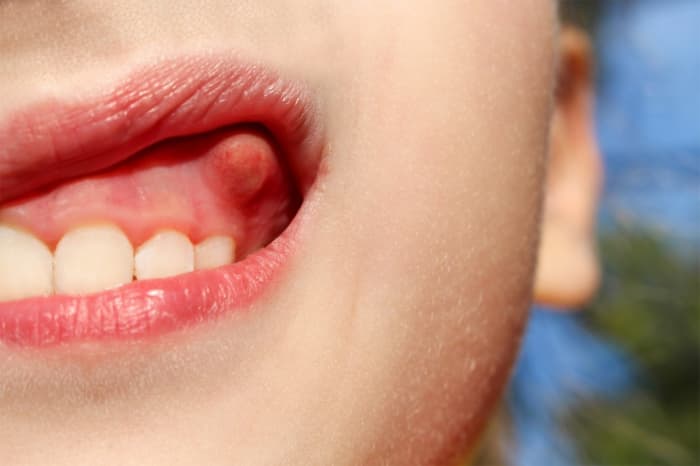
Not Always Pregnancy — Other Common Causes of Sore, Swollen Gums
Even during pregnancy, sore or swollen gums are not always pregnancy gingivitis. The following causes are just as common, and each is managed differently:
- Injury or lowered immunity — brushing or flossing too hard, or very hot or hard food injuring the gum; soft tissue usually heals by itself within two weeks. "Heatiness", lack of sleep and stress also make mouth ulcers more likely.
- Gingivitis — plaque and tartar make the gums red, swollen and prone to bleeding; it is the precursor of periodontal disease, and a scaling plus proper cleaning restores it. For how gingivitis differs from periodontitis, see our guide to the symptoms and causes of gingivitis.
- Periodontal disease — long-standing tartar lets bacteria erode the bone, and the area beneath the gum needs deep treatment. On whether periodontal disease can be treated and what happens after bone loss, see maintenance and review after periodontal treatment.
- Wisdom teeth — an impacted wisdom tooth is hard to clean, and repeated inflammation raises the question of removal. In pregnancy, management focuses on cleaning and controlling the inflammation, with removal usually deferred until after the birth. See how to deal with wisdom tooth inflammation.
- Infection from tooth decay — a cavity traps food that presses on the gum, or decay reaches the pulp and causes infection, with the gum swelling as a result.
- A tooth abscess — pus from an infected tooth nerve drains through the gum like a "pimple"; in pregnancy this still needs prompt treatment.
- Medication side effects — some anti-epileptics, steroids, blood-pressure drugs and immunosuppressants can cause gum overgrowth.
For the most common questions about sore, swollen gums — anti-inflammatory medication, herbal tea, telling wisdom-tooth pain from periodontal disease — see our article on the 9 most common questions about swollen gums.
If the ache extends beyond the gum itself, pain felt across the cheekbone has several causes worth ruling out. If the discomfort is worst after you lie down, why the ache intensifies at night points to pulpal rather than gum causes.
When to See a Dentist — and Why Not to Wait Until After the Birth
Pregnancy gingivitis itself is reversible, but it has two consequences that are easily overlooked. First, if plaque and tartar are left in place for the whole pregnancy, the inflammation can spread from the gum into the supporting tissues and become periodontal disease — and bone lost that way does not grow back after delivery. Second, a mother with a high bacterial load in her mouth is more likely to pass those bacteria to her baby later through shared spoons, kisses and so on, raising the risk of early childhood tooth decay.
If gum pain and bleeding have lasted more than two weeks, a lump has appeared on the gum, a tooth feels loose, or you have not had a dental check-up so far in this pregnancy, arrange a check-up and scaling around the second trimester. Seeing the dentist in pregnancy is safe; delaying is the risk. For the different reasons gums bleed when brushing, see what bleeding when you brush really means.
Fee Reference for Scaling and Periodontal Treatment in Pregnancy
Based on Home Dental Centre's current published fees, professional cleaning costs HK$800 when carried out by a dental hygienist and HK$980 by a dentist; the actual fee depends on the amount of tartar and the extent of treatment. If examination shows that pockets have formed and deep cleaning with root planing is needed, the fee is explained clearly after examination according to the extent and severity — see the periodontal treatment procedure and fees and our fee transparency commitment.
About these prices: before accepting treatment, confirm whether the fee includes examination, X-rays and review visits. After a clinical assessment our team will explain the procedure, fee and time involved for your stage of pregnancy and your situation, and treatment begins only with your agreement.
Swollen Gums During Pregnancy? Book an Examination First
Open seven days a week, with earlier slots available at our Causeway Bay and Tsuen Wan dental centres. Please tell us how many weeks pregnant you are when you book.
Why Choose Home Dental Centre for Swollen Gums in Pregnancy?
- A team of 31 dentists — including specialists in periodontics and dental hygienists, so follow-up can be matched to how deep the inflammation goes, from a pregnancy scaling to deep periodontal treatment.
- Care planned around your stage of pregnancy — appointment length, chair position, whether an X-ray is needed and which medicines are used are all adjusted to your trimester and your obstetrician's instructions; anything without a pressing need is deferred until after the birth.
- Joint cross-specialty assessment — where wisdom teeth, an abscess, decay or periodontal surgery assessment is involved, referral happens within the same team, with no new waiting list.
- Transparent fees — the procedure and associated costs are explained clearly after examination and diagnosis, and treatment begins only with your agreement.
- Open seven days a week — earlier slots for acute gum swelling and pain in pregnancy, with same-day appointments at our Causeway Bay and Tsuen Wan dental centres.
Swollen Gums in Pregnancy Are Reversible — If They Are Managed
Pregnancy gingivitis is the most common oral problem of pregnancy and also one of the easiest to manage: remove the plaque and tartar, have a scaling in the second trimester, and most of the redness and bleeding settles, returning to normal after the birth. The real risk is not seeing the dentist — it is avoiding the dentist for the whole pregnancy out of a misunderstanding, and letting reversible gingivitis turn into irreversible periodontal disease.
If you have sore, bleeding or swollen gums, or a lump on the gum, during pregnancy, the Home Dental Centre dental team will arrange an examination appropriate to your stage of pregnancy, determine whether this is pregnancy gingivitis, periodontal disease or another cause, and explain the safe options, number of visits and costs. To ask about scaling or periodontal treatment fees in pregnancy, book an examination or message the team on WhatsApp above.
Medical References
The general clinical principles in this article draw on the following professional sources; actual diagnosis and treatment must be decided by a dentist for each individual case:
- Oral Health Education Division, Department of Health, Hong Kong: Oral care during pregnancy
- American Dental Association: Pregnancy (Oral Health Topics) — safety of dental treatment, radiographs and local anaesthesia in pregnancy
- American College of Obstetricians and Gynecologists: Committee Opinion No. 569 — Oral Health Care During Pregnancy and Through the Lifespan
- Sanz M, Kornman K, Ide M (2013): Periodontitis and adverse pregnancy outcomes — consensus report of the Joint EFP/AAP Workshop on Periodontitis and Systemic Diseases. Journal of Periodontology 84(4-s)
- Cochrane (2017): Treating periodontal disease for preventing adverse birth outcomes in pregnant women
Medical information notice: this article provides general dental health information and is not a substitute for an in-person examination, periodontal probing or imaging. Please also inform your obstetrician of any medication or dental treatment planned during pregnancy. If you have facial swelling, fever, pus from the gum, difficulty opening the mouth, severe pain or a loose tooth, seek care promptly.