Will a Root Canal Hurt Afterward? What to Expect in Hong Kong
Endodontics

Will a Root Canal Hurt Afterward? What to Expect in Hong Kong

Most patients feel only mild discomfort after a root canal, but around 5% experience a flare-up. Here's what to expect and when to see your dentist.

"Small cavities left unfilled, big cavities lead to suffering!" Almost everyone has faced the issue of tooth decay. Minor cavities can be repaired through fluoride application or dental fillings. However, severe cavities may require root canal treatment (endodontic therapy) to save the tooth.

Root canal treatment involves removing infected and inflamed dental pulp. Besides being more costly than regular fillings, the process is more complex. Although medical advancements have improved, about 95% of root canal cases result in minimal discomfort after treatment. However, approximately 5% of cases may experience a sudden onset of more noticeable pain or swelling after treatment, known as a flare-up.

Various factors contribute to flare-ups, and it's not caused by a single factor. Factors include higher toxicity of bacteria in infected teeth, prolonged infection, severe infection at the time of dental visit, and host factors such as the patient's immune status, stress, and psychological factors.

When might sudden symptoms occur?

Flare-up symptoms typically occur in severely infected teeth, teeth subjected to extreme stimulation, or previously treated teeth. However, even patients who have undergone successful root canal treatment may, in some instances, experience flare-up symptoms after a subsequent treatment. These symptoms usually begin a few hours after completing the root canal treatment and may last for 2 to 3 days.

Normal postoperative pain vs. noticeable flare-up symptoms

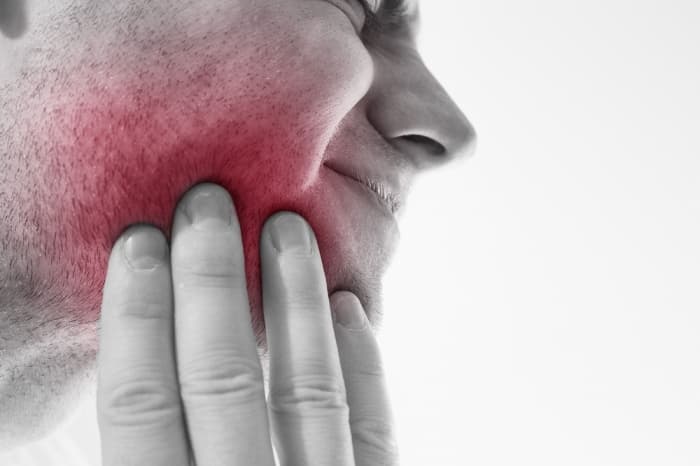
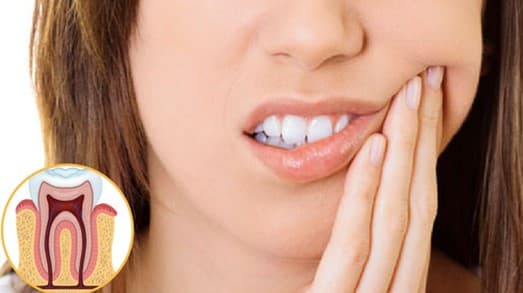
Feeling mild pain or discomfort after root canal treatment is considered normal, and dentists generally provide post-treatment pain management advice or prescribe pain medication for use when needed. Flare-up symptoms, on the other hand, bring more severe pain and discomfort.

What happens during a flare-up after root canal treatment?

Although experiencing flare-up symptoms can be a distressing experience for patients and dentists, the good news is that the success rate of root canal treatment for teeth experiencing flare-ups is not significantly reduced.

Therefore, patients should not be overly concerned when pain occurs after root canal treatment. They should promptly schedule an appointment with their dentist to assess the situation. The dentist may prescribe antibiotics, potent pain relievers, or anti-inflammatory drugs for consumption and may suggest further treatment.

If you have any questions, consult your trusted family dentist.

Article Info

First published: 6 October 2022

Last reviewed: August 2026

Share

FAQ

Frequently Asked Questions

  • How much does root canal treatment cost?

    Root canal treatment typically starts from HK$7,000 per tooth, with the final cost depending on the tooth's location, complexity of the canal system, and whether additional procedures are needed. Long-term success depends on locating every canal (upper molars often have a fourth), cleaning curved canals to working length and sealing the filling — incomplete treatment can re-infect, and re-treatment costs more than the first. After a clinical assessment we explain the fee components clearly, and treatment starts only with your consent. We provide a personalised quote after clinical assessment — WhatsApp us to arrange a consultation.

  • How long does root canal treatment take?

    Most root canal treatments are completed in one to two appointments, each lasting 60 to 90 minutes. Complex cases involving severely infected teeth or multiple canals may require additional visits. Your dentist will explain the expected timeline during your initial assessment.

  • Is it normal to feel pain after root canal treatment?

    Mild discomfort after root canal treatment is normal and typically managed with over-the-counter pain relief. About 95% of cases experience minimal discomfort. However, roughly 5% may develop more noticeable pain or swelling (a flare-up) within hours of treatment, usually lasting 2 to 3 days.

  • What causes a flare-up after root canal treatment?

    Flare-ups can result from several factors: highly toxic bacteria in severely infected teeth, prolonged infection before treatment, extreme stimulation during the procedure, or patient factors like immune status and stress levels. These symptoms typically occur in severely infected teeth but can occasionally happen even after successful treatment.

  • What should I do if I experience severe pain after root canal treatment?

    Contact your dentist promptly if you develop severe pain or swelling after treatment. Your dentist may prescribe antibiotics, stronger pain relievers, or anti-inflammatory medication, and may recommend further treatment. The good news is that flare-ups don't significantly reduce the overall success rate of root canal treatment.

  • Can a tooth with a flare-up after root canal treatment still be saved?

    Yes. Although flare-up symptoms can be distressing, the success rate of root canal treatment for teeth experiencing flare-ups is not significantly reduced. With proper management and follow-up care, the tooth can still be successfully saved. Schedule an appointment with your dentist to assess the situation.

Still wondering about something? Our team is happy to chat.

Reminder: You have the right to choose a Hong Kong dentist based on your individual needs. We recommend referring to the list of registered dentists published on the official website of the Dental Council of Hong Kong to make a choice best suited to your personal needs. The above content is intended to give you a brief introduction to the nature and effects of the relevant dental procedures, so that you can make informed decisions when choosing a dentist and related treatment options. All treatments have advantages and disadvantages — the key is that you must have a basic understanding of different treatments and procedures and be aware of the associated risks. The above content does not represent the professional opinion or views of any dentist or dental institution. For the sake of your health, please consult your family dentist for formal medical advice.

This article is compiled by the Public Education Team of Home Dental and has been reviewed and approved by the Content Review Committee of Home Dental. The Committee comprises members of our Board of Directors, legal advisors, and relevant professionals, and is responsible for vetting all externally published health education content to ensure it is professional, accurate, relevant to the local context, and regularly updated to meet Hong Kong dental service standards.

This content is originally produced by Home Dental, all rights reserved. Unauthorized reproduction, modification, or publication is prohibited. Violators will bear legal responsibility. For citation or partnership inquiries, please contact our center for written permission.

Last updated: Aug 2026

Root Canal Treatment? Checklist to identify failed ones

Want to know more about Endodontics?

31 general & specialist dentists · Licensed daycare procedure centre