Human wisdom teeth grow in the most inner part of the teeth in the mouth. They are the third molars at the back of the alveolar bone. They usually erupt between the ages of 17 and 25. All grew out of a total of four, one on each of the top right, top left, bottom right and bottom left. In the traditional concept of Chinese and Western societies, the growth of wisdom teeth is a manifestation of becoming intelligent and mature, so it is called wisdom teeth.
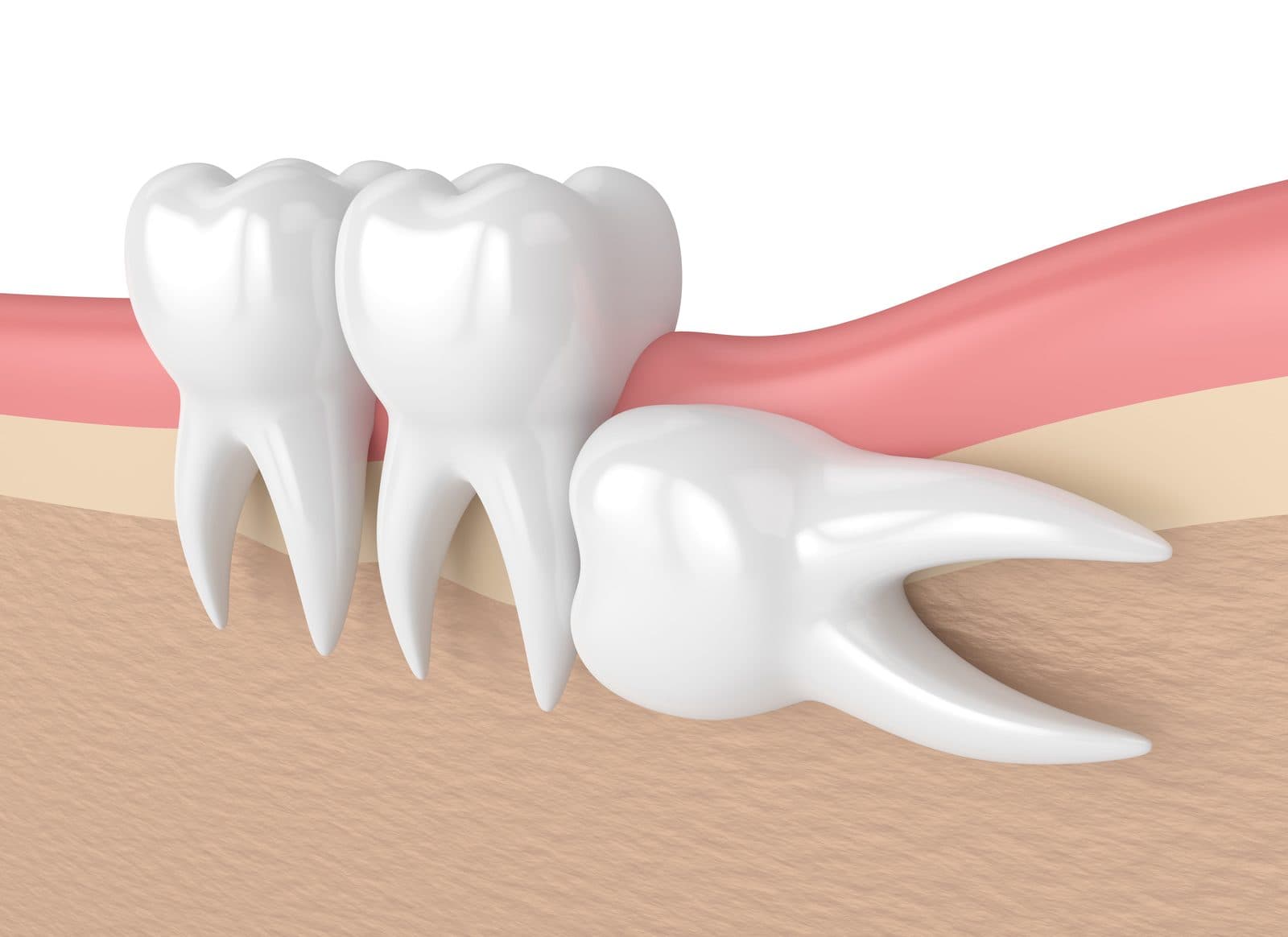
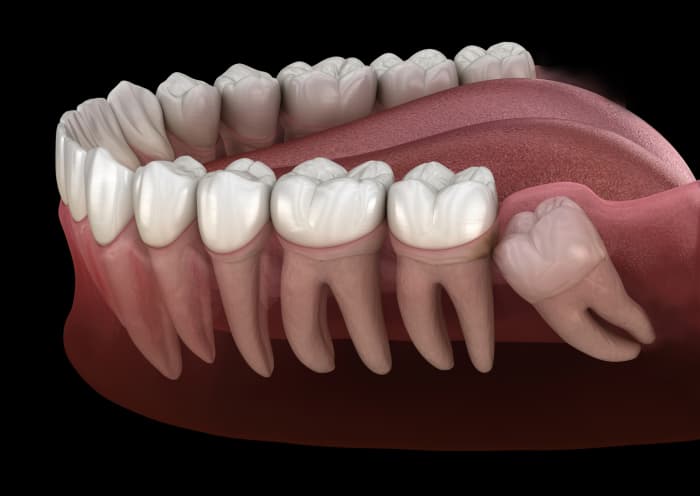
But is this the case? The answer is not sure. Not everyone has wisdom teeth, and even if they do, they may not have all four teeth. The growth of wisdom teeth is determined by human genes. Among the modern people, the development of some jawbones does not even have enough space for wisdom teeth to grow, so some wisdom teeth are hidden under the bones or gums for a long time, which is called "Impacted Wisdom Teeth".
What are the effects of impacted wisdom teeth?
Such impacted wisdom teeth are often frustrating for sufferers because they can pose higher health risks than fully erupted wisdom teeth.
1. Causes discomfort to the teeth
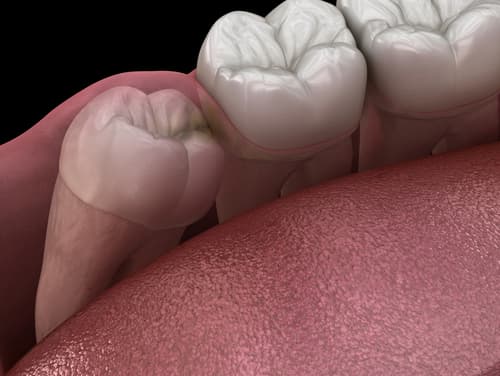
Because the impacted wisdom teeth grow in the wrong position from the beginning, even if they grow normally in the future, the cramped oral teeth will become more crowded, difficult to clean, and even beside the side by pressure. The molars are slowly squeezed into a horizontal state, so that food is easy to remain in the gap, and bacteria may multiply rapidly.
Some patients will experience different levels of discomfort, such as gum swelling, pain and inflammation, tooth decay or other loose teeth. You can consult a dentist to have extraction as soon as it grows out.
2. Causes oral cystic lesions
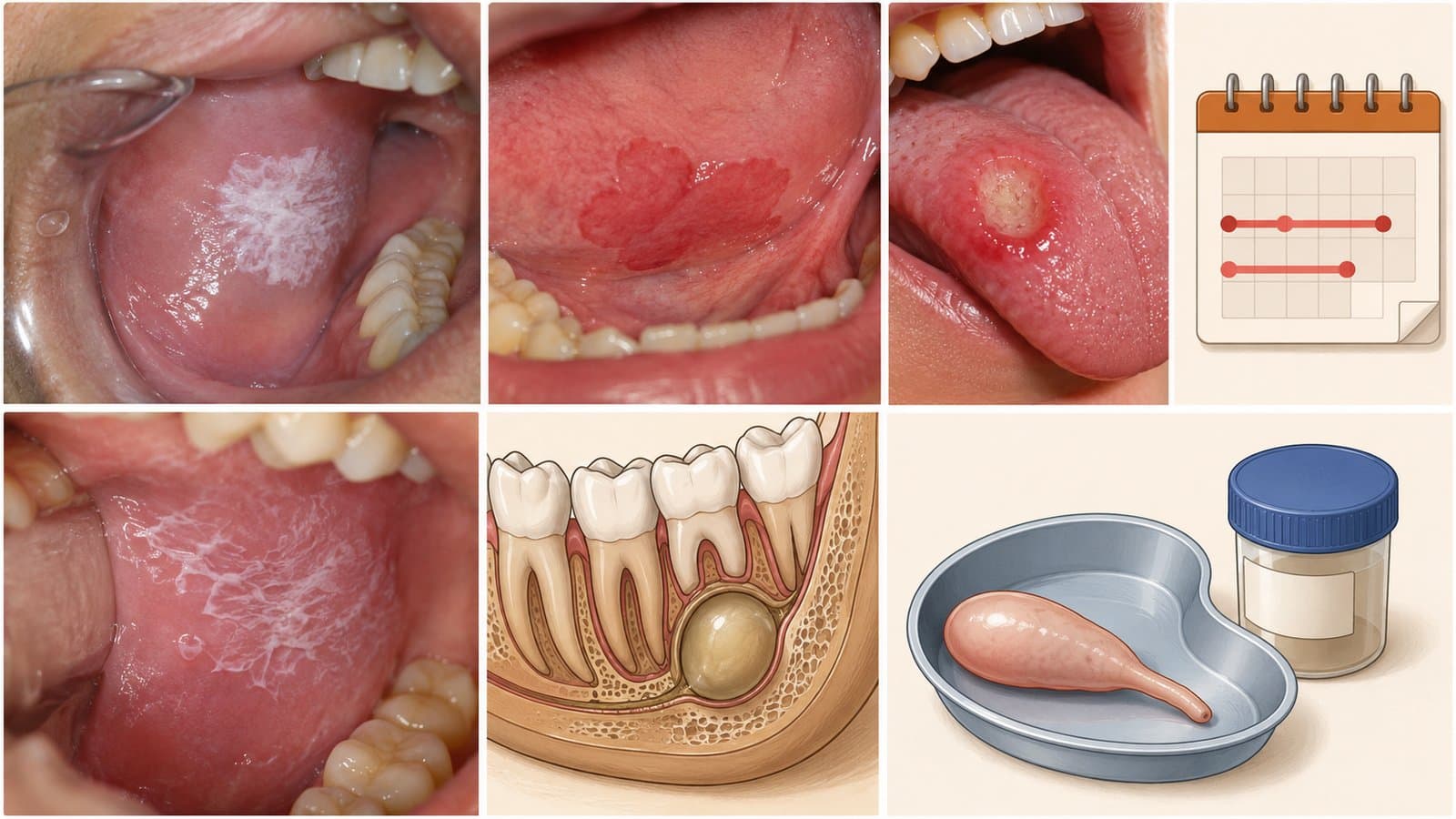
This condition is basically a benign tumor and is mostly caused by impacted wisdom teeth. They are hidden in the alveolar bone, and the tooth embryo also has a sac, which will be pierced by the tooth after normal teeth grow. However, since impacted wisdom teeth cannot grow, there is probability that the sac that has not been destroyed will lead to lesions.
In the case of dental cysts, the wisdom teeth will be pushed to other positions in turn, and then the dental bone and surrounding teeth will be eroded. In severe cases, the jawbone used to support the mouth may be broken. This is very serious and cannot be taken lightly. Patients should promptly consult a dentist specializing in Oral Facial and Maxillofacial Surgery for surgical treatment of problematic teeth and cysts according to their own conditions.
3. Obstruction of orthodontic or dental implants
With the upgrading and popularization of oral treatment technology, many people will correct their teeth or implant their teeth for aesthetics to make their teeth look more beautiful. However, in the case of wisdom teeth, even if there is no pain caused by the wisdom teeth, it may affect the effect of correction and implantation, so it is necessary to extract the wisdom teeth first.
What are the steps for removing impacted wisdom teeth?
Wisdom teeth are usually removed in two steps on the left and right sides. If the patient has wisdom teeth on both sides, one pair of wisdom teeth is removed at a time, so that the patient can use at least one of the teeth to eat during the recovery process. The traditional way to remove impacted wisdom teeth is to go straight to the root. Here are some basic procedures:
- First anesthetize the wisdom teeth that need to be removed. Depending on the actual situation, anesthesia is sometimes required around the gums. Because the impacted wisdom teeth grow under the gums, the gums need to be cut and opened to find the related impacted wisdom teeth.
- During the operation, the dentist will cut the patient's wisdom teeth into several parts, so as to ensure that all the wisdom teeth are cleaned in sections when the scope of the wound is reduced to a minimum.
- After the impacted wisdom tooth is successfully extracted, the dentist will stop the bleeding, clean and suture the wound, which can improve the speed of wound healing.
Many patients are afraid that they will feel very painful after the operation and have trouble sleeping and eating. In fact, this is not the case. As long as it is handled properly, this kind of impacted wisdom tooth extraction is less traumatic and less risky than the direct extraction of the teeth that have erupted. For example, some fetuses have large heads, so surgery is required to remove them smoothly during childbirth. This method is safer than natural birth.
Different anesthesia methods
Wisdom teeth are usually removed under local anesthesia. If the patient needs to extract all four wisdom teeth at one time due to the actual situation, or the wisdom tooth and the nerve line are close to each other, and they are afraid that the local anesthesia will not anesthetize the deep nerves, then the dentist will use two other anesthesia methods: intravenous sedation or general anesthesia.
1. Local anesthesia
This method is to inject anesthesia into the mouth, so that the patient's mouth loses sensation, but it will not affect the patient's consciousness, allowing the patient to perform treatment without pain in the mouth.
2. Intravenous sedation and anesthesia
Intravenous sedation anesthesia, also called monitored anesthesia, can put the patient in a sleep-like state. The doctor will give the patient an appropriate amount of infusion to control the degree of his sleep, and then apply local anesthesia to the oral cavity, allowing the patient to undergo surgery without pain.
If the patient is very afraid of the operation, the doctor can also let the patient inhale anesthesia gas to sleep, then inject intravenously, and then perform oral local anesthesia, and the patient will not feel any pain during the process.
3. General anesthesia
This type of anesthesia has a higher risk than the previous two. The patient is unconscious during the operation, but unlike the former, the anesthesia procedure requires the insertion of a catheter and the patient's breathing is controlled by an anesthesiologist.
Because it involves a major surgery, general anesthesia can be suitable to reduce the discomfort caused by long-term surgery, but it is usually only performed in private hospitals or dental day procedure centres.

What are the risks of having wisdom teeth removed and how should you deal with them?
As with any medical procedure, surgically removing wisdom teeth involves some medical risks. Because the position of wisdom teeth is very close to the trigeminal nerve of the face, if the doctor is inexperienced to deal with it, it will also affect the normal operation of the nervous system and cause irreversible permanent damage. Fortunately, with advances in medical technology, more effective dental techniques continue to emerge to control the associated risks.
1. CBCT
This is a technology that uses 3D stereo X-ray and cone ray computed tomography, which can accurately see the position of wisdom teeth and peripheral nerve lines from the image. In this way, the nerve line can be well avoided, and the wisdom tooth can be removed during the operation, reducing the probability of damage to the alveolar nerve.
2. Leave the teeth and feet behind? Crown resection
If the distance between the tooth and the nerve line is relatively close, there is a risk of injury to the nerve line when the wisdom tooth is removed. Therefore, the crown removal method can be used to complete the treatment at this time. The special feature of the surgery is that only the crown of the wisdom tooth needs to be removed, and there is no need to extract the tooth foot. Part of the non-infected tooth foot is left in place, which greatly reduces the risk of nerve damage.
Because teeth and feet are also part of our body, they do not normally pose a serious negative risk to our body if they remain in the teeth. Many patients can recover quickly after receiving this treatment, and there are no obvious side effects.
However, it should be noted that not all patients are suitable for this treatment. If the patient's wisdom teeth are decayed or the gums and roots have been infected, it is not suitable to leave the diseased teeth and feet, and the roots must be removed.
In addition, about half of a year to two years after the completion of the operation, the patient also needs to have regular follow-up visits to receive X-ray examinations so that the dentist can check the condition of the teeth. For some patients, the tooth foot grows upward after the extraction operation, and sometimes it can even be felt on the surface of the gum. At this point, tooth extraction surgery should be considered. However, this operation is also very simple, because the teeth and feet are far away from the nerve line at this time, so extraction will not bring too much risk.
Remember to seek professional advice
The growth state of each person's wisdom teeth is unique, and the appropriate treatment plan needs to be determined according to the actual situation of the patient. The "smartest" way to deal with it is to go to a professional dentist for examination and consultation in person. If you have any questions, please contact your trusted family dentist.