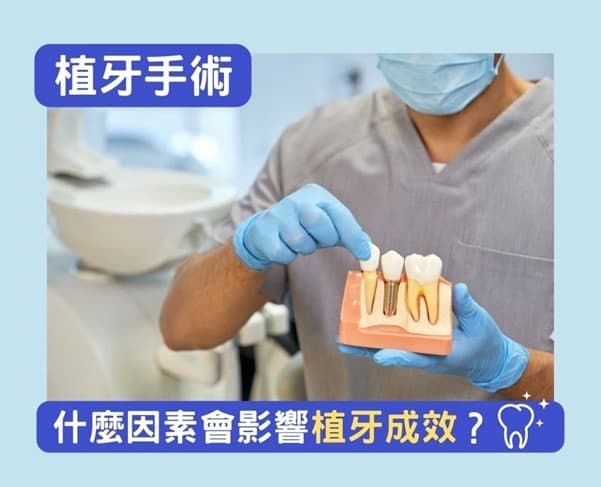
What factors can affect the outcome of dental implants?
Implant

What factors can affect the outcome of dental implants?

Dental implants are not a one-off fix. Learn how oral hygiene, bone condition, overall health and surgical technique shape long-term implant success.

What factors can affect the outcome of dental implants?

Regardless of age, there is a chance that individuals may need to undergo dental implant surgery. Younger people may experience tooth fractures due to intense physical activities, while older individuals may lose teeth due to poor dental health. Missing teeth not only pose cosmetic challenges but also inconvenience in daily life. In such cases, dental implants are often considered the optimal choice. However, many patients mistakenly believe that dental implants are a one-time solution. Dental implants are indeed a treatment process involving different components, and they have a maintenance period. It is not a one-time procedure, and success is not guaranteed.

Q1: What dental implant procedures are available for patients?

Currently, there are two main types of dental implant procedures: computer-guided dental implant surgery and traditional dental implant surgery. Each method has its own advantages.

The computer-guided dental implant surgery has the advantage of creating smaller incisions, resulting in less postoperative pain for patients. However, not every patient is suitable for this surgery, and it is more suitable for patients with good bone conditions. Patients interested in this procedure can consult with a dental clinic. The dentist can analyze the patient's bone condition through a CT scan and determine if they are suitable for the surgery. The skill of the dentist is also a key factor in the success of the procedure.

Q2: Besides the dentist's skill, what factors can affect the effectiveness of dental implants for patients?

1. Personal oral hygiene habits of the patient: The postoperative maintenance of oral hygiene is crucial for the success of dental implants. Patients need to maintain clean oral hygiene, not only for the teeth but also for overall oral health. Poor oral hygiene can lead to peri-implantitis, where bacteria cause inflammation, affecting the artificial implant and potentially causing loosening. Regular dental check-ups and proper maintenance ensure good oral health.

2. Personal health condition of the patient: Patients should honestly inform the dentist of their medical history. Some systemic diseases such as diabetes and heart disease can impact bone regeneration and wound healing abilities, increasing the risk of surgery failure and infection. Additionally, dental conditions like cavities and periodontal disease can lead to peri-implant bone loss and inflammation affecting the artificial implant.

If you have any questions, you can contact your dentist for consultation. Considering implant treatment outside Hong Kong? See our guide to comparing implant treatment in Hong Kong and abroad before you decide.

Article Info

First published: 21 August 2022

Last reviewed: August 2026

Share

FAQ

Frequently Asked Questions

  • How much does a dental implant cost in Hong Kong?

    A dental implant starts from HK$22,000, depending on clinical assessment. A general consultation is HK$180; treatment is quoted after the assessment. Factors such as bone condition, the need for bone grafting and the type of crown selected will affect the final cost.

  • How much does dental implant treatment usually cost?

    Implant fees depend on the implant brand chosen, whether surgery is traditional or computer-guided, and your bone condition; they generally start from HK$22,000. The exact fee is confirmed only after a clinical assessment and CT scan. Implant position, angle and depth determine cleansability and load distribution; poor planning raises the risk of peri-implantitis. After a clinical assessment we explain the fee components clearly, and treatment starts only with your consent. WhatsApp Home Dental for a personalised quote and to book a consultation.

  • What is the difference between computer-guided and traditional implant surgery?

    Computer-guided surgery uses CT scans to plan the procedure, creating smaller incisions and typically causing less postoperative discomfort. Traditional surgery involves a conventional approach. Not every patient suits computer-guided placement — it works best when bone quality is good. Your dentist will assess your CT scan and recommend the most appropriate method.

  • What is the difference between computer-guided and traditional implant surgery?

    Computer-guided implant surgery uses smaller incisions and tends to cause less post-operative discomfort, but it suits patients with good bone volume. Traditional implants suit a wider range of cases. A CT scan lets your dentist assess your bone and recommend the approach that fits you best.

  • Can dental implants fail, and what are the main risks?

    Yes, implants can fail if oral hygiene is poor or if you have uncontrolled systemic conditions like diabetes or heart disease. Poor hygiene can lead to peri-implantitis, where bacteria cause inflammation around the implant, potentially loosening it. Existing gum disease or untreated cavities also increase risk. Honest disclosure of your medical history and diligent aftercare are essential.

  • Are dental implants guaranteed to succeed?

    Implants are not guaranteed to succeed; outcomes depend on surgical technique, your oral hygiene, bone quality, and general health. Systemic conditions such as diabetes or heart disease can increase risk. Ask a registered dentist for a detailed assessment before treatment.

  • How important is oral hygiene after getting an implant?

    Extremely important. An implant is not a one-off fix — it requires lifelong maintenance. You must brush and floss around the implant just as you would natural teeth, and attend regular check-ups. Neglecting hygiene allows bacteria to accumulate, leading to peri-implantitis and possible implant loss.

  • How should I care for my mouth after dental implants?

    After implants, maintain thorough oral hygiene with correct brushing and flossing to reduce the risk of peri-implant disease. Attend regular check-ups so your dentist can review the implants and surrounding tissues. Poor plaque control can lead to infection and loosening of the implant.

  • Can I have dental implants if I have diabetes or heart disease?

    Many patients with diabetes or heart disease can still have implants, but healing and wound recovery may be slower, which can raise surgical risk. Tell your dentist your full medical history so suitability can be assessed.

  • Does my general health affect implant success?

    Yes. Conditions such as diabetes and heart disease can impair bone regeneration and wound healing, raising the risk of infection or failure. Inform your dentist of all medical conditions and medications before surgery so they can assess your suitability and plan accordingly.

  • How long does the dental implant process take?

    The process typically unfolds in stages: initial assessment and imaging, surgical placement of the implant, a healing period of several months for bone integration, and finally placement of the crown. Total time varies depending on bone condition, whether bone grafting is needed, and individual healing rates. Your dentist will outline a timeline during consultation.

  • How long does implant surgery take?

    Surgery time depends on complexity and technique. A single implant often takes about one to two hours. The implant then needs several months to integrate with the bone before the crown can be fitted. Your dentist will confirm a personalised timetable after assessment.

Still wondering about something? Our team is happy to chat.

Reminder: You have the right to choose a Hong Kong dentist based on your individual needs. We recommend referring to the list of registered dentists published on the official website of the Dental Council of Hong Kong to make a choice best suited to your personal needs. The above content is intended to give you a brief introduction to the nature and effects of the relevant dental procedures, so that you can make informed decisions when choosing a dentist and related treatment options. All treatments have advantages and disadvantages — the key is that you must have a basic understanding of different treatments and procedures and be aware of the associated risks. The above content does not represent the professional opinion or views of any dentist or dental institution. For the sake of your health, please consult your family dentist for formal medical advice.

This article is compiled by the Public Education Team of Home Dental and has been reviewed and approved by the Content Review Committee of Home Dental. The Committee comprises members of our Board of Directors, legal advisors, and relevant professionals, and is responsible for vetting all externally published health education content to ensure it is professional, accurate, relevant to the local context, and regularly updated to meet Hong Kong dental service standards.

This content is originally produced by Home Dental, all rights reserved. Unauthorized reproduction, modification, or publication is prohibited. Violators will bear legal responsibility. For citation or partnership inquiries, please contact our center for written permission.

Last updated: Aug 2026

Comprehensive Guide to Dental Implants in Hong Kong

Want to know more about Implant?

31 general & specialist dentists · Licensed daycare procedure centre