Porcelain dental veneer is a thin layer of ceramic attached to the surface of the tooth with the use of a special technique.
Applications and Benefits
Porcelain dental veneers have a wide range of applications and can bring functional and aesthetic improvements to teeth. Common uses include modifying the size and shape of teeth, improving the aesthetics of teeth spacing, and covering discolored teeth. For example, in the case of the discoloration of teeth caused by taking tetracycline, the traditional method of bleaching is often not satisfactory. So, porcelain dental veneer has become one of the solutions to improve the appearance. Our complete guide to dental veneers in Hong Kong covers material choices, longevity and what the fee typically includes.
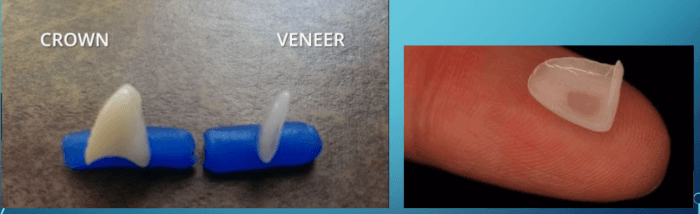
Part of the application range of porcelain dental veneers is similar to that of traditional crowns, but traditional crowns generally need to grind away more tooth tissue, which inevitably causes damage to dentin. In comparison, porcelain veneers can greatly reduce the need for grinding. Therefore, the damage to the dentin will be relatively small, and the chance of permanent side effects such as tooth sensitivity and pulp tissue necrosis can be greatly reduced.
In addition to the above advantages, porcelain veneers are also suitable for certain filling situations, and are more durable and wear-resistant than traditional resin filling materials.
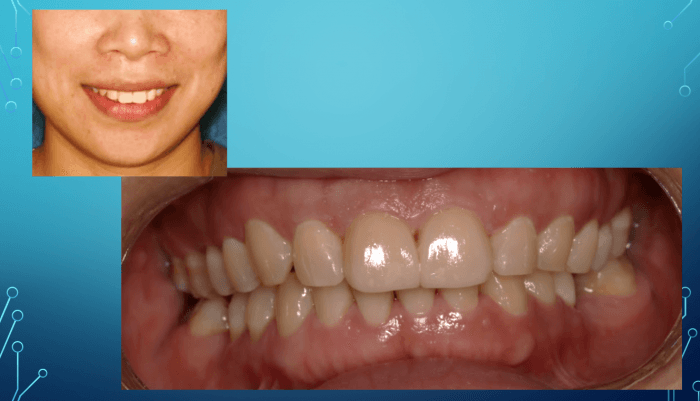
Procedures and Steps
Before receiving the porcelain dental veneer treatment, you should first understand the treatment procedures and steps in detail, and if you have any questions, please consult your dentist.
Procedure I: tooth shaping and impressions
- Begin by properly grinding away a little of the tooth surface.
- Impressions or scans of teeth for exact position.
- Put on temporary crown to protect your teeth and reduce discomfort such as sensitivity.
Temporary crown is not the material that is officially attached to the teeth, and it is used to avoid being difficult to remove when the actual porcelain is attached, or damaging the teeth. Temporary crown is temporarily fixed on the teeth with glue, so after wearing temporary crown, you need to pay special attention to your diet and avoid flossing in this position to prevent the crown from loosening.
Program II: Design and production
- Design the shape and size of the teeth.
- Made to order to produce the strongest and hardest pieces of porcelain by firing porcelain technology.
Procedure III: Try-in evaluation
- Make an appointment within one to two weeks to come back and try on the veneer.
- Evaluate whether the trial tooth color, tooth shape and occlusion are satisfactory, and where modifications are required.
Procedure IV: Glue the veneer
- If all goes well, proceed to teeth and veneer - clean teeth, apply potions, and use restorative techniques to apply veneer to teeth. When the veneer is glued to the surface of the tooth, the veneer becomes part of the tooth.
- Check whether the effect of the veneer sticking is satisfactory, and if necessary, dentist can make slight adjustments.
- After the veneer is pasted, do not drink or eat for the first hour. After that, you can basically resume your normal diet except for extremely hot and hard foods.
Risks and Limitations
Porcelain dental veneers can help in many clinical cases, bringing functional and aesthetic improvements to the teeth, but like other treatments, there are certain risks. Here we can discuss their limitations and risks.
1. Abrasion of real teeth
Although the veneer is thin, in most cases, dentists need to gently grind the teeth by about 0.3-0.7 mm, to ensure it will not be too convex after the veneer is attached to the surface of the teeth, which will affect the appearance. Because the enamel of the teeth is slightly worn away, some people may experience tooth sensitivity, but compared with traditional crowns, the enamel requirements for porcelain dental veneers are already very low, and it will rarely cause permanent damage and require further treatment in the future i.e., root canal treatment of teeth. Veneers are one part of our cosmetic dental services, which also cover whitening, bonding and reshaping.
2. Color limitation
The effect of the veneer is quite natural, and the appearance is good, but the color is difficult to be 100% the same as the natural tooth color, especially if the color of the incisors is not the same, or the dentin condition is not ideal, or in the case of only doing one incisor veneer.
3. Duration of use
Porcelain dental veneers have a high success rate. With good maintenance and regular inspection, more than 95% of porcelain dental veneers can last for five to ten years. If you have good hygiene habits and proper protection, it can last even longer. If the veneers are cracked or loose under the wear and tear of daily use, you may need to replace the veneers with new ones.
4. Risk of damage
The porcelain veneer is a very thin piece of material, and when subjected to external pressure with high chewing force or high impact force, such as poor bite, excessive force chewing hard objects, or unnoticed grinding habits, etc., it will be more prone to chipping and even falling off than traditional crowns.
5. Health Condition
Some specific dental health conditions and poor habits may lead to the failure of porcelain veneer treatment, such as severe periodontal disease, grinding or clenching of the teeth, or poor oral hygiene and hygienic conditions that lead to infection of the porcelain veneer. Therefore, whether it is real teeth or porcelain dental veneers, you need to take good care of them.
Pay attention after treatment
After the porcelain veneer is completed, you should try to avoid too much impact or bite, because this will cause the porcelain to break easily, and your own teeth may also crack, so be careful when eating hard foods such as bones.
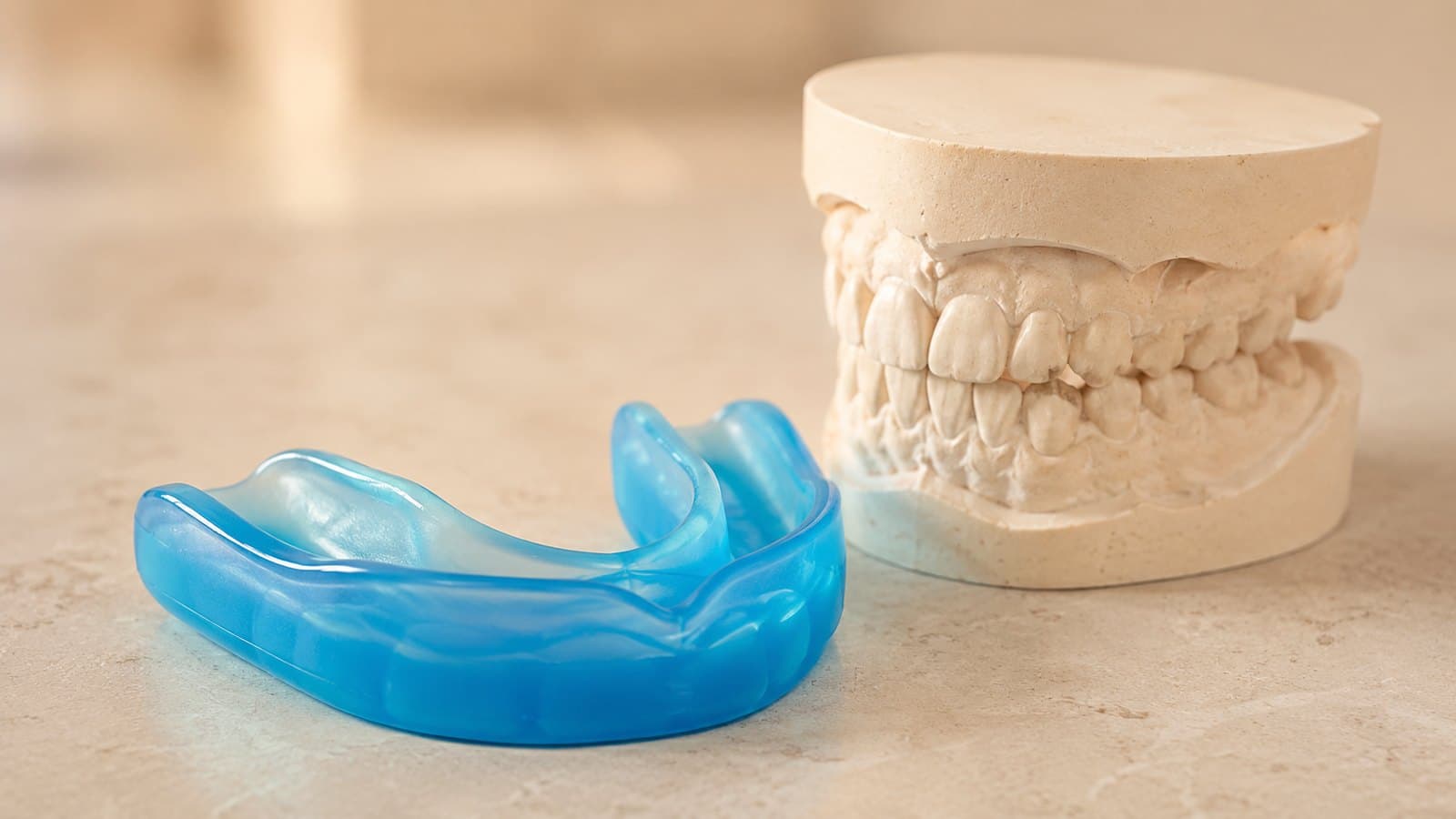
If you have the habit of grinding your teeth, clenching your teeth, etc., it is highly recommended to use a protective nightguard to reduce the loss of porcelain and real teeth. If the porcelain dental veneer is unfortunately damaged, the dentist will decide whether to repair it or need to redo it depending on the extent of the cracking.
Porcelain veneers must be taken cared of like real teeth. Care such as brushing and flossing cannot be neglected, and regular cleanings and inspections are required to ensure that the veneers can perform optimally and last the longest in your mouth.