What you may experience in traditional fixed braces?
Orthodontics

What you may experience in traditional fixed braces?

Sore teeth, loose brackets and poking wires are all normal with fixed braces. Here's what to expect in the first weeks and how to manage discomfort at home.

What will happen after I start the traditional fixed orthodontic treatment?

The first week of orthodontics is the most challenging. Your teeth and lips will be sore for about 1-2 weeks (everyone’s situation is different). The force of moving your teeth may make your teeth not strong enough to chew food or feel sore, please don’t worry, this is a normal reaction.

After a week, your mouth will gradually get used to it. Generally, there will be tooth pain during the first few days of treatment started and one or two days after each adjustment. According to our experience, eating soft food will help.

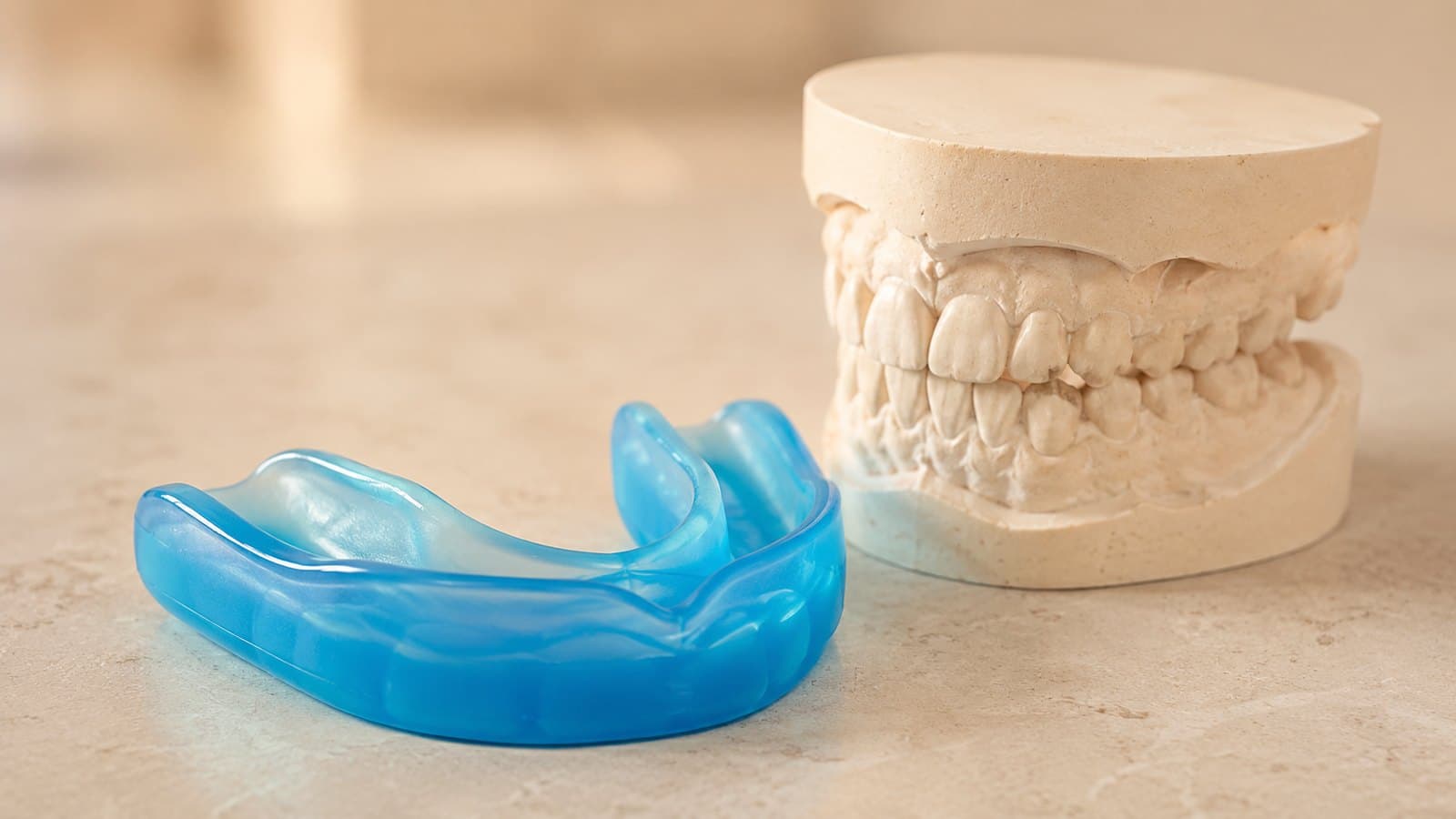
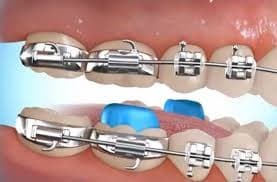
It is normal if you feel that your teeth are slightly mobile, as this will help your teeth move according to the treatment plan. Anti-bite devices sometimes stick to the surface of the occlusal surfaces of teeth so that the teeth can be moved to the desired position without interference.

If you have anti-bite devices on your teeth (suitable for most patients), you can only bite on the anti-bite device. Your other teeth will not touch the bite until after about 2-4 months of treatment. So, you have to get used to eating with the anti-bite device. When the anti-bite device is installed (applicable to most patients), you may feel uncomfortable in the pastoral position.

About the fixed orthodontic device (braces) falling off

The cement that holds the braces in place will be fully functional within the first 24-48 hours, so please chew carefully during the first two days. Sometimes, parts of the braces may become loose or damaged. The dentist will arrange repairs according to different situations. Most of the time, they may not need to be repaired immediately. You can save all damaged/falling parts first.
What you may experience in traditional fixed braces?

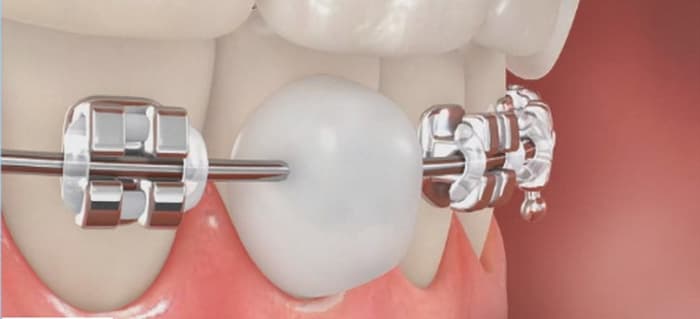
It is best if all braces are firmly fixed to your teeth, but sometimes it is hard to avoid bracket popping out of your teeth. Sometimes it will pop out of your mouth, or sometimes it stays on the metal wire. If the dropped bracket does not hurt you or the end of the wire does not pop out, try to keep it in your mouth until you make the next adjustment.

Patients sometimes worry too much, but this is very common in traditional fixed orthodontic treatments. The reasons for the braces or the metal wire falling off include deep bite, short teeth, hard eating habits, external trauma or bad habits, such as: teeth grinding. As the treatment progresses and your bite is corrected, this condition will become less and less frequent.

Use wax to help relieve discomfort

The wire may loosen or pop out and rub the gums, which can cause pain (such as scratching). If this happens, you can use the wax provided by your dentist and apply it to any area that bothers you. But sometimes, the patient's wire may start to penetrate the inside of the mouth. If you encounter this situation, you can call the clinic to arrange a time for review and adjustment as soon as possible to solve related problems.

Avoid eating the following foods

You should avoid eating hard, sticky or too sweet foods, as this may cause the braces to fall off. If it is tough food, it is better to cut it into small pieces before eating.

Brush and floss your teeth

-You need to brush your teeth after each meal and before going to bed.

-If you cannot brush your teeth after eating, please at least rinse your mouth with clean water.

-If you are using the orthodontic rubber ring, you need to take it off before brushing your teeth and put it on after brushing your teeth.

-When brushing your teeth, you must brush the surrounding and nearby tooth surfaces of the braces, and the interdental surfaces should be cleaned with an interdental brush or dental floss.

-After brushing your teeth, please check if there is any food residue or dental plaque left. If so, please continue cleaning.

You need to keep your teeth clean to ensure that all plaque on your teeth does not harden and turn into tartar. When dental plaque and tartar are blocked, the speed of tooth movement will slow down! So if your teeth are clean, your subsequent adjustments will become easier!

Fixed appliances are only one approach — see our orthodontic treatment service to compare which options suit different cases.

#dentalcategories #orthodontics #oral&maxillofacialsurgery #periodontology #endodontics #paediatricdentistry #prosthodontics #fmilydentistry #communitydentistry
Article Info

First published: 2 April 2021

Last reviewed: August 2026

Share

FAQ

Frequently Asked Questions

  • How long will my mouth hurt after getting braces?

    Most patients experience soreness in their teeth and lips for about 1–2 weeks after the braces are fitted. You may also feel discomfort for a day or two after each adjustment appointment. This is a normal reaction as your teeth begin to move. Eating soft foods during this period helps, and your mouth will gradually adapt.

  • What should I do if a bracket falls off?

    Bracket detachment is common during traditional fixed orthodontic treatment. If the loose bracket doesn't cause pain or the wire hasn't popped out, keep it in place until your next adjustment. Save any parts that fall out completely. Deep bites, short teeth, or hard foods can cause this — it becomes less frequent as treatment progresses and your bite corrects.

  • How much does traditional fixed braces treatment cost?

    The cost of orthodontic treatment with traditional fixed braces starts from HK$30,000, depending on the complexity of your case and treatment duration. Treatment design — extraction decisions, root control and occlusal detailing — determines post-treatment stability. After a clinical assessment we explain the fee components clearly, and treatment starts only with your consent. We provide a personalised quote after a clinical assessment — WhatsApp us to arrange a consultation and discuss your specific needs.

  • Why do my teeth feel loose during treatment?

    Slight tooth mobility is normal and actually necessary for your teeth to move according to the treatment plan. The orthodontic force applied by the braces allows controlled movement. This sensation is temporary and part of the process — your teeth will stabilise once treatment is complete.

  • What foods should I avoid with braces?

    Avoid hard, sticky, or very sweet foods, as these can cause brackets to detach or damage the braces. If you're eating tough foods like apples or carrots, cut them into small pieces first. Proper food choices help keep your braces intact and treatment on schedule.

  • How often do I need to brush my teeth with braces?

    You need to brush after every meal and before bed. If you can't brush immediately after eating, rinse your mouth thoroughly with clean water. Use an interdental brush or floss to clean around the brackets and between teeth. Keeping your teeth clean prevents plaque build-up, which can slow down tooth movement.

Still wondering about something? Our team is happy to chat.

Reminder: You have the right to choose a Hong Kong dentist based on your individual needs. We recommend referring to the list of registered dentists published on the official website of the Dental Council of Hong Kong to make a choice best suited to your personal needs. The above content is intended to give you a brief introduction to the nature and effects of the relevant dental procedures, so that you can make informed decisions when choosing a dentist and related treatment options. All treatments have advantages and disadvantages — the key is that you must have a basic understanding of different treatments and procedures and be aware of the associated risks. The above content does not represent the professional opinion or views of any dentist or dental institution. For the sake of your health, please consult your family dentist for formal medical advice.

This article is compiled by the Public Education Team of Home Dental and has been reviewed and approved by the Content Review Committee of Home Dental. The Committee comprises members of our Board of Directors, legal advisors, and relevant professionals, and is responsible for vetting all externally published health education content to ensure it is professional, accurate, relevant to the local context, and regularly updated to meet Hong Kong dental service standards.

This content is originally produced by Home Dental, all rights reserved. Unauthorized reproduction, modification, or publication is prohibited. Violators will bear legal responsibility. For citation or partnership inquiries, please contact our center for written permission.

Last updated: Aug 2026

Full Hong Kong Guide to Traditional Orthodontic Treatment

Want to know more about Orthodontics?

31 general & specialist dentists · Licensed daycare procedure centre