🙂 Braces Before and After: The Change Is Not Only “Straighter Teeth,” but Better Bite, Easier Cleaning, and Confidence
Hong Kong patients commonly start with questions like:
“Will it really look that different?”
“Is it just cosmetic?”
“I’m an adult—does it still work?”
“I’m afraid my face will look worse after braces.”
These concerns are normal, especially because many online “before and after” posts only show a quick photo of straightened front teeth. Clinically, the true value of orthodontics is broader. The real before-and-after improvement usually happens on three levels:
- Appearance: a more natural smile and improved symmetry
- Function: a more stable bite and more comfortable chewing
- Health: easier cleaning and lower risk of cavities and gum disease
In other words, orthodontics is not “just for looks.” It is a structured medical plan that can improve both appearance and long-term oral health.
✅ Six Common “Before” Situations
Below are the most typical conditions where before-and-after changes can be significant:
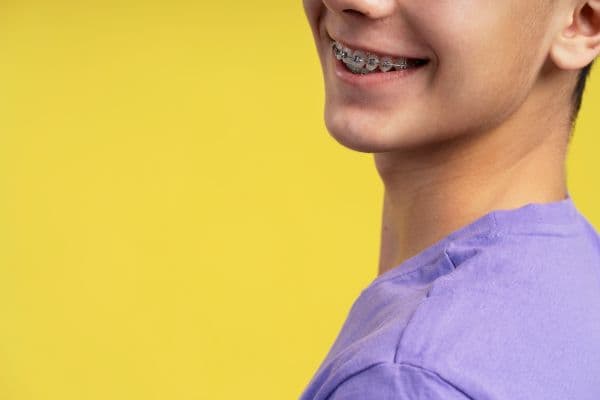
1) Crowding
Teeth lack space and overlap. Cleaning becomes difficult, which often leads to:
- plaque retention and faster tartar buildup
- higher cavity risk (especially between back teeth)
- gum inflammation and bleeding
2) Spacing (Gaps)
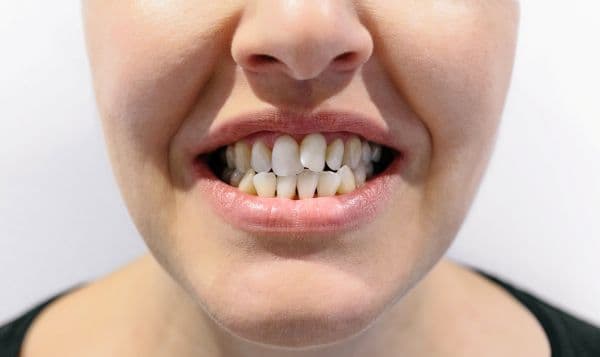
Gaps may affect appearance, but also function—food trapping and speech issues (air leakage) are common.
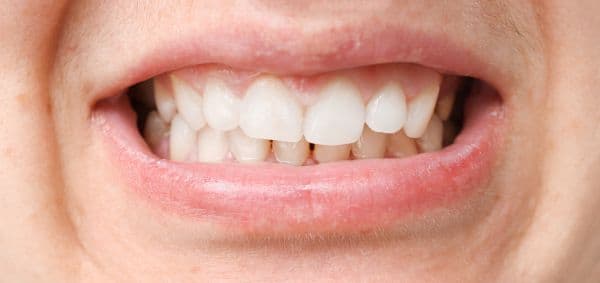
3) Protrusion (Proclined / “Buck Teeth”)
Upper teeth sit forward and lips may struggle to close naturally. Common concerns include:
- a “toothy” smile in photos
- lips look strained when closed
- accidental biting of lips
4) Underbite
Lower teeth bite in front of upper teeth. This is strongly functional and may cause:
- inefficient chewing
- heavier load on the jaw joint
- faster front-tooth wear
5) Deep Bite
Upper teeth cover the lower front teeth excessively. This can cause gum trauma behind the upper front teeth and abnormal wear.
6) Open Bite
Front teeth do not meet. Patients often report:
- difficulty biting through food
- speech issues (especially “s” sounds)
- reduced front-tooth function
📸 What Should You Really Compare in “Before vs After”? Dentists Focus on Four Core Outcomes
Many online comparisons show only “straight teeth.” Clinically, a proper success outcome includes:
1) Tooth alignment and smile arc
After treatment, alignment becomes smoother, the dental arch is more balanced, and the smile looks more relaxed. Typical visible improvements include:
- better symmetry in front teeth
- fewer “twists” and overlaps
- a more even smile line when laughing or speaking
2) Bite stability (occlusion)
This is the long-term key. Teeth can be straight but still unstable if the bite is not well balanced. Poor bite stability can lead to:
- uneven tooth wear
- chewing fatigue
- jaw discomfort
- higher relapse risk
A meaningful before-and-after should include bite improvement, not only alignment.
3) Easier cleaning and lower bad-breath risk
Once crowding reduces, brushing and flossing become easier. Many patients feel surprised that the biggest “after” benefit is:
- less gum bleeding
- improved breath
- less tartar buildup at cleaning visits
This is a practical health improvement, not just a cosmetic one.
4) Facial profile change (what most adults care about)
Orthodontics is not cosmetic surgery, but certain cases can show natural profile refinement—especially protrusion cases. Common changes include:
- lips close more naturally (less strain)
- side profile looks softer
- facial balance improves visually
However, results depend heavily on the original dental and skeletal structure. A responsible dentist will clarify what changes are realistic and what are not, to avoid over-promising.
⏳ Timeline: When Do You Start Seeing “Before vs After” Differences?
A realistic timeline that matches many clinical cases:
- Months 1–3: early alignment changes, front teeth begin to look more “orderly”
- Months 4–9: arch form develops, crowding/gaps improve noticeably
- Months 10–18: bite refinement becomes clearer (this stage drives long-term stability)
- After completion: retention phase (retainers) to prevent relapse
Treatment length depends on:
- complexity of tooth movement
- whether extractions or expansion are needed
- skeletal factors (some may need combined approaches)
- compliance (appointments, aligner wear, retainer use)
🧠 Common Misconceptions vs Dental Reality
Misconception 1: Orthodontics is purely cosmetic
✅ Reality: Orthodontics aims to improve bite stability, reduce long-term wear, and lower cavity/gum risks.
Misconception 2: Adult orthodontics is not worth it
✅ Reality: Adults can benefit significantly, but gum health must be assessed carefully first.
Misconception 3: Clear aligners are always weaker than braces
✅ Reality: Many mild-to-moderate cases can achieve comparable outcomes with good clinical planning. More complex bite issues may require different tools or a hybrid approach.
Misconception 4: Teeth will definitely relapse after braces
✅ Reality: Relapse risk is usually related to retainer non-compliance or incomplete bite stabilization. Retention is part of the treatment—not an “optional add-on.”
📌 Five Practical Factors That Make Before-and-After Results Stable and “Worth It”
- Periodontal evaluation first (treat gum disease before moving teeth)
- The goal is not only “straight,” but “straight + stable bite”
- Manage cavities and tartar during treatment (braces trap plaque easily)
- Take retention seriously (retainers protect your outcome)
- Long-term maintenance: regular check-ups and cleaning protect both teeth and gums
A meaningful braces before-and-after is not only “teeth got straight.” It is better bite balance, easier cleaning, healthier gums, and a more confident smile. If you want to know what changes are realistic for your own case, the most reliable first step is a professional orthodontic assessment—bite, gum foundation, and achievable outcomes—so you do not have to rely on online photos alone.
Every case starts from a different point — see our orthodontic treatment service to understand what would suit yours after assessment.