Comprehensive Guide to Temporary Anchorage Device (TAD) Orthodontics | Faster, More Precise Treatment? Benefits, Risks, and Suitability
Orthodontics

Comprehensive Guide to Temporary Anchorage Device (TAD) Orthodontics | Faster, More Precise Treatment? Benefits, Risks, and Suitability

How TAD mini-screws give orthodontists extra anchorage for faster, more precise braces treatment — the benefits, risks and who is suitable.

Is TAD Orthodontics Right for You? Faster and More Precise Treatment?

For many patients seeking to improve their dental alignment and bite, traditional orthodontic treatments can be time-consuming, complex, and may even require tooth extractions or surgery. However, Temporary Anchorage Device (TAD) orthodontics has emerged as a groundbreaking modern dental technology that offers greater control, faster treatment times, and solutions for cases that traditional braces may struggle to address.

But is TAD orthodontics suitable for everyone? What are its advantages and limitations? Today, we will provide a comprehensive overview of how this technology works, its benefits, process, risks, and key considerations, helping you make an informed decision!

What is TAD Orthodontics?

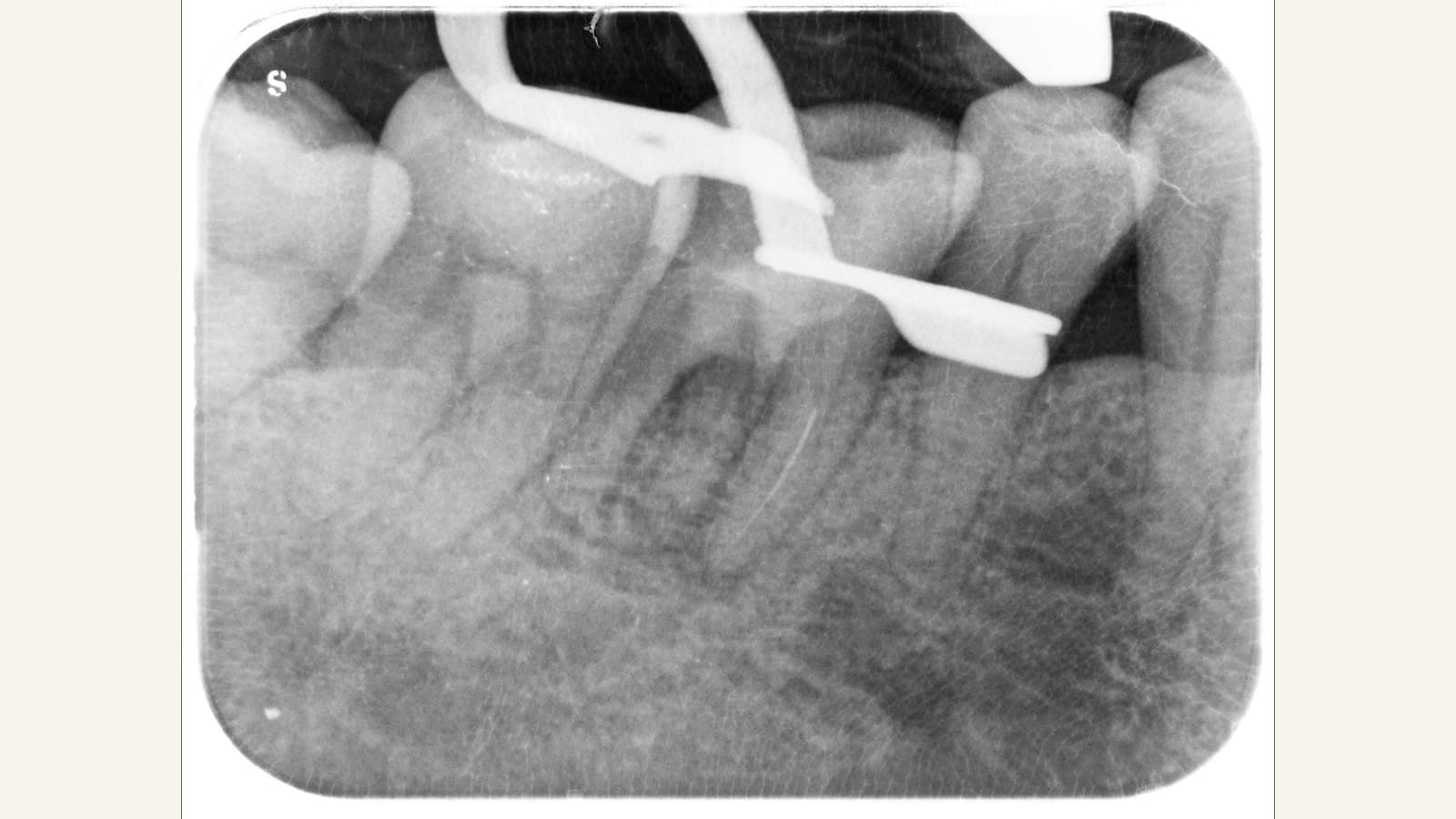
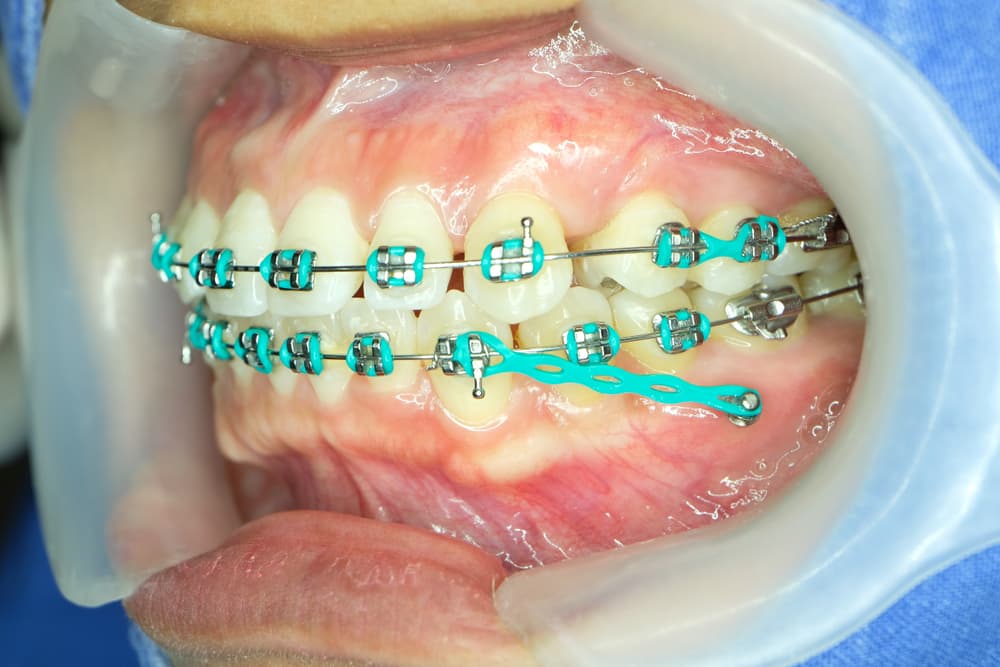
Temporary Anchorage Device (TAD) orthodontics involves the placement of small titanium alloy screws, typically 8-10 mm in length, into the gingiva or alveolar bone to serve as stable anchor points for tooth movement.

🔹 Key Functions of TADs

Provides a stable anchor point – Prevents unintended tooth movement during orthodontic treatment.

Enhances force precision – Allows orthodontists to move teeth with greater accuracy.

Accelerates treatment time – Can shorten overall treatment by 20-30%.

Reduces the need for tooth extractions – Some patients can avoid extractions by adjusting available space with TADs.

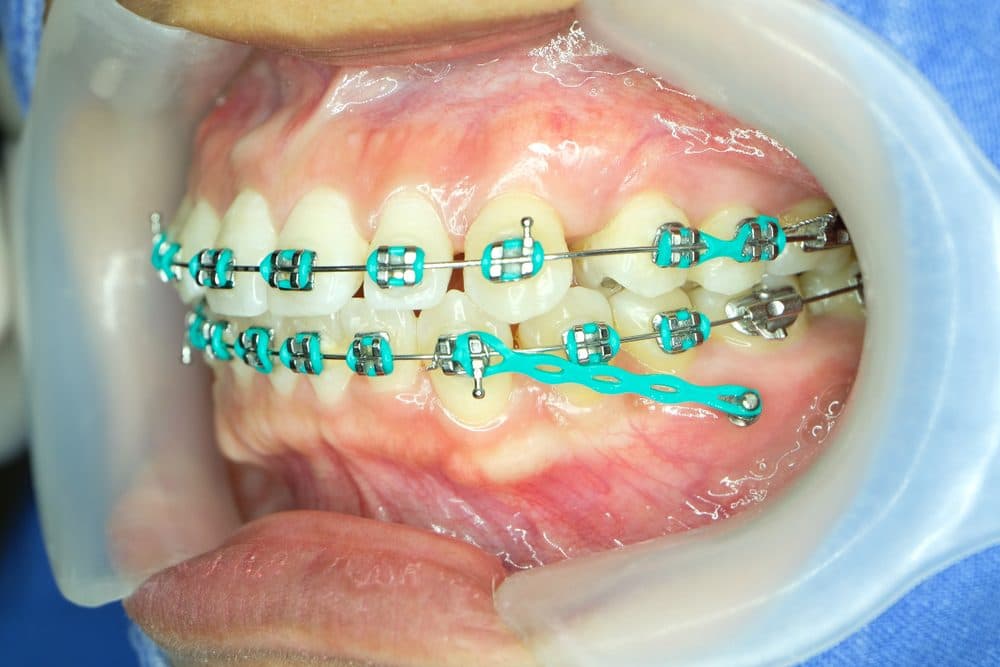
TADs are particularly beneficial for adult orthodontics and complex dental alignment cases, such as deep bites, open bites, excessive gingival display, or large gaps between teeth.
TAD

TAD Orthodontics vs. Traditional Braces: Which is Right for You?

Comparison Criteria

Traditional Braces

TAD-Assisted Orthodontics

Treatment Time

2-3 years or more

Reduced by 20-30%

Tooth Movement Control

Relies on braces and elastics

TADs provide extra stability and precision

Suitability

General orthodontic cases

Ideal for complex cases (deep bites, open bites, etc.)

Tooth Extractions

May be required

Can reduce the need for extractions

Comfort Level

Initial discomfort is common

TADs have minimal discomfort once placed

TAD orthodontics is especially beneficial for:

🔹 Excessive Gingival Display (Gummy Smile) – TADs can control vertical tooth movement, reducing excessive gum exposure while smiling.

🔹 Deep or Open Bite – TADs provide stable force application to correct severe bite misalignment.

🔹 Large Gaps or Missing Teeth – TADs help move teeth more effectively to close gaps or create space for implants.

🔹 Adult Orthodontics – Since adult teeth move more slowly, TADs enhance efficiency and effectiveness.

The TAD Procedure: What to Expect?

TAD placement is a safe, quick, and minimally invasive process, typically following these steps:

  1. Local Anesthesia – The orthodontist applies a small amount of local anesthetic to ensure a pain-free procedure.
  2. TAD Insertion – Using specialized instruments, the TAD is securely positioned into the gingiva or alveolar bone. The procedure takes only 5-10 minutes.
  3. Stability Check – Once in place, TADs can be used immediately, allowing patients to resume normal activities.

Mild discomfort may occur within the first 1-2 days, but it does not significantly impact daily life. Most patients adapt quickly.

Potential Risks and Limitations of TAD Orthodontics

🛑 Potential Concerns and Considerations

  1. Mild Discomfort or Sensation
  • While most patients adjust easily, some may experience slight gum pressure or awareness of the TADs.
  1. TAD Loosening or Displacement
  • Poor oral hygiene or gum inflammation may cause TADs to loosen, affecting treatment progress.
  • Solution: Maintain proper oral hygiene, schedule regular check-ups, and avoid hard foods that may disturb the TADs.
  1. Limited Suitability
  • Not all orthodontic cases require TADs. If the misalignment is mild, traditional braces alone may suffice.
  1. Requires Regular Follow-Ups
  • Orthodontists need to monitor TAD progress and make necessary adjustments for optimal tooth movement.

Is TAD Orthodontics Right for You? Let a Professional Orthodontist Evaluate Your Case!

While TAD-assisted orthodontics offers reduced treatment time and increased precision, suitability depends on each individual's dental condition. If you’re looking for a faster, more comfortable orthodontic solution, TADs may be your best option!

Whether TADs suit your case is decided alongside the overall orthodontic plan — see our orthodontic treatment service, explained by the dentist after assessment.
Article Info

First published: 16 March 2025

Last reviewed: August 2026

Share

FAQ

Frequently Asked Questions

  • How much does TAD orthodontic treatment cost?

    The cost of TAD-assisted orthodontics depends on the complexity of your case and the number of TADs required. Treatment typically starts from HK$30,000, with the final price varying based on your specific needs and treatment duration. Treatment design — extraction decisions, root control and occlusal detailing — determines post-treatment stability. After a clinical assessment we explain the fee components clearly, and treatment starts only with your consent. We provide a personalised quote after a clinical assessment — WhatsApp us to arrange a consultation.

  • How long does TAD orthodontic treatment take?

    TAD-assisted orthodontics can reduce overall treatment time by 20–30% compared to traditional braces. While conventional treatment may take 2–3 years, TADs help achieve results faster by providing more precise control over tooth movement. Your orthodontist will give you a clearer timeline after assessing your case.

  • Is the TAD placement procedure painful?

    The TAD placement procedure is performed under local anaesthetic, so you won't feel pain during the insertion. The entire process takes only 5–10 minutes. Mild discomfort or gum pressure may occur within the first 1–2 days, but most patients adapt quickly and find it does not significantly impact daily life.

  • What happens if a TAD becomes loose or falls out?

    TAD loosening can occur if oral hygiene is poor or if gum inflammation develops. If a TAD becomes loose, your orthodontist will assess whether it needs to be repositioned or replaced. Maintaining proper oral hygiene, attending regular check-ups, and avoiding hard foods help keep TADs stable throughout treatment.

  • Who is a good candidate for TAD orthodontics?

    TAD orthodontics is particularly beneficial for complex cases such as deep bites, open bites, excessive gingival display (gummy smile), large gaps, or adult orthodontics where teeth move more slowly. It's also helpful for patients who wish to avoid tooth extractions. Your orthodontist will evaluate whether TADs are suitable for your specific alignment needs.

  • Can I eat normally with TADs in place?

    Yes, you can resume normal eating after TAD placement, though it's best to avoid very hard or sticky foods that might disturb the TADs. Most patients adapt quickly and experience minimal disruption to their daily routine. Your orthodontist will provide specific dietary guidance based on your treatment plan.

Still wondering about something? Our team is happy to chat.

Reminder: You have the right to choose a Hong Kong dentist based on your individual needs. We recommend referring to the list of registered dentists published on the official website of the Dental Council of Hong Kong to make a choice best suited to your personal needs. The above content is intended to give you a brief introduction to the nature and effects of the relevant dental procedures, so that you can make informed decisions when choosing a dentist and related treatment options. All treatments have advantages and disadvantages — the key is that you must have a basic understanding of different treatments and procedures and be aware of the associated risks. The above content does not represent the professional opinion or views of any dentist or dental institution. For the sake of your health, please consult your family dentist for formal medical advice.

This article is compiled by the Public Education Team of Home Dental and has been reviewed and approved by the Content Review Committee of Home Dental. The Committee comprises members of our Board of Directors, legal advisors, and relevant professionals, and is responsible for vetting all externally published health education content to ensure it is professional, accurate, relevant to the local context, and regularly updated to meet Hong Kong dental service standards.

This content is originally produced by Home Dental, all rights reserved. Unauthorized reproduction, modification, or publication is prohibited. Violators will bear legal responsibility. For citation or partnership inquiries, please contact our center for written permission.

Last updated: Aug 2026

Full Hong Kong Guide to Traditional Orthodontic Treatment

Want to know more about Orthodontics?

31 general & specialist dentists · Licensed daycare procedure centre